Ihlara Valley, Cappadocia
📍 Güzelyurt, Aksaray, Cappadocia, Turkey · Ihlara Vadisi
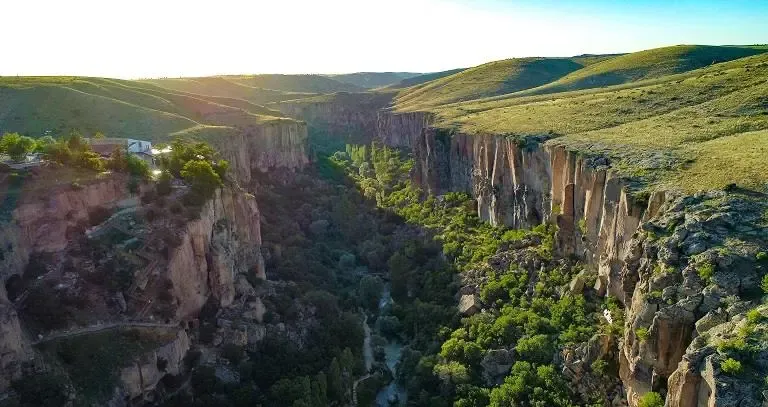
Ihlara Valley is a stunning 14-kilometre canyon in Cappadocia, carved by the Melendiz River. Travellers visit to explore dozens of rock-hewn Christian churches and ancient dwellings carved into the soft tuff cliffs, offering a unique blend of natural beauty and Byzantine history.
History of Ihlara Valley
The Ihlara Valley, historically known as Peristrema, was formed in prehistoric times by the erosion of the Melendiz River. The landscape is defined by tuff stone deposits from volcanic eruptions of Mount Hasan, which provided the soft material ideal for carving. From the 7th century AD, Byzantine monks settled in the canyon, excavating their homes and places of worship directly into the rock faces, creating a unique monastic community.
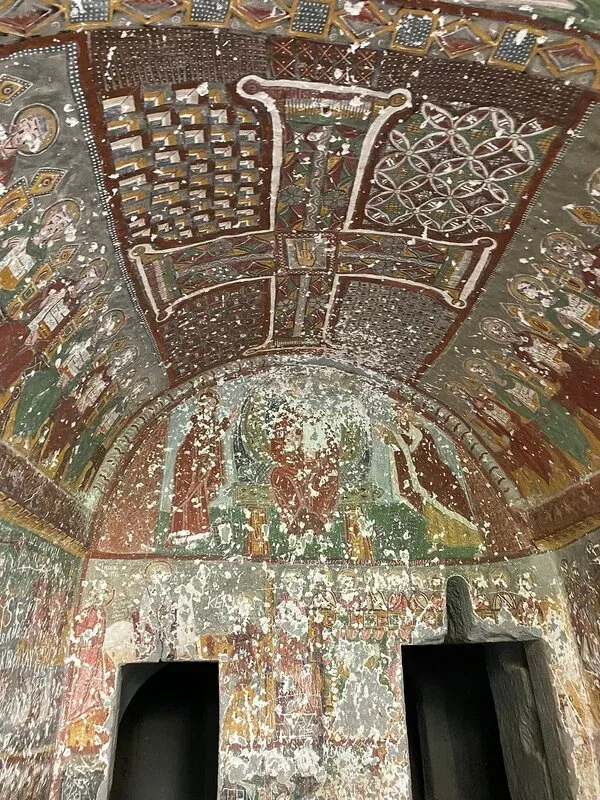
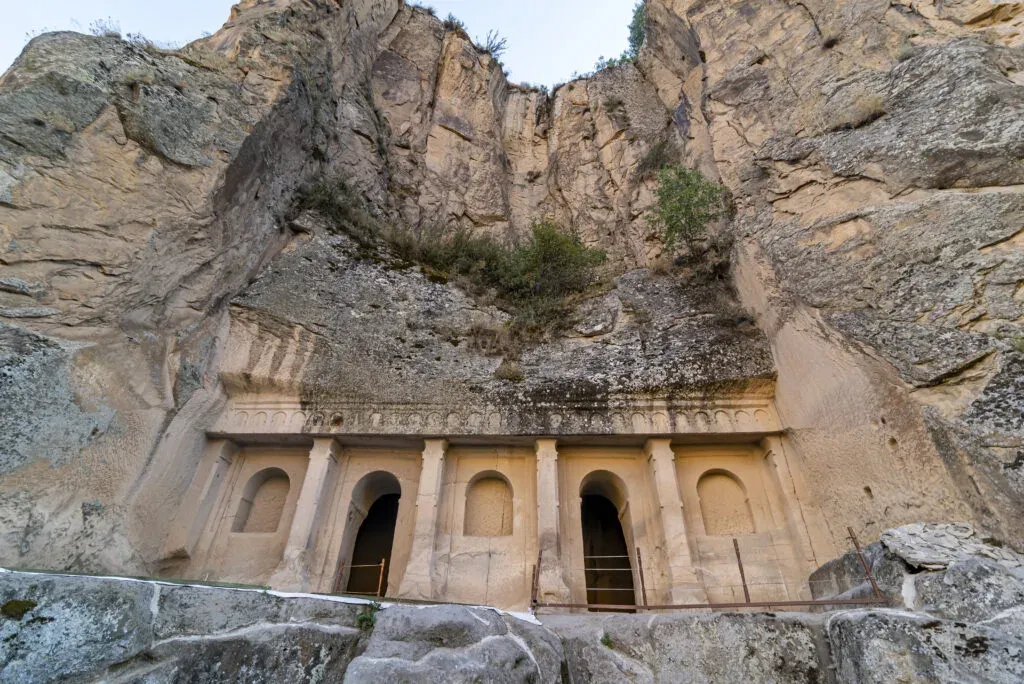
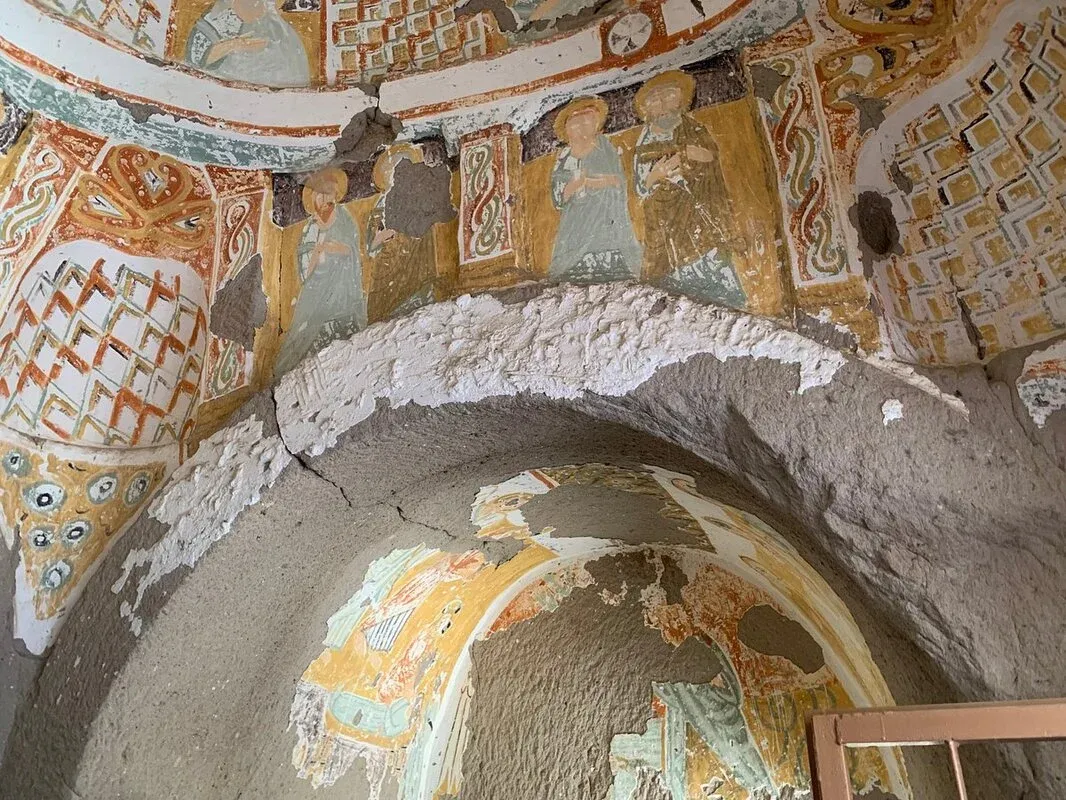
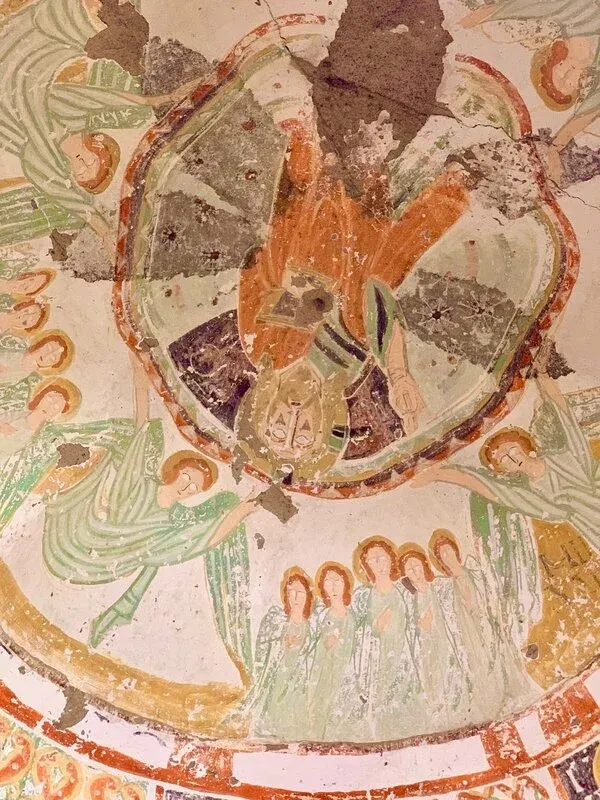
The valley’s religious architecture evolved through distinct periods. Early churches near Ihlara village display local Cappadocian styles with Persian and Syrian influences, often pre-dating the Iconoclasm period. Later, near Belisarma, churches reflect the Macedonian art style of the 10th and 11th centuries. These structures feature intricate frescoes depicting biblical scenes and saints, showcasing the artistic development of the region under Byzantine rule.
Political shifts significantly impacted the valley’s religious life. The Kırkdamaltı Church, dated between 1283 and 1295, marks the last known Christian construction before a long hiatus. Its inscriptions mention both the Seljuk Sultan Mesud II and Byzantine Emperor Andronikos II Palaiologos, indicating a period of peaceful coexistence between Christians and Muslims. This era saw Seljuk officials depicted in local art, reflecting the complex social dynamics of medieval Cappadocia.
Christian activity declined after the 13th century, with church building only reviving in the 19th century among Cappadocian Greeks. Archaeological findings, including burials and finds now displayed in the Aksaray Museum, provide insight into the daily lives and burial practices of the valley’s former inhabitants. Today, the site stands as a testament to centuries of spiritual devotion and cultural synthesis in central Anatolia.
Things to Do in Ihlara Valley
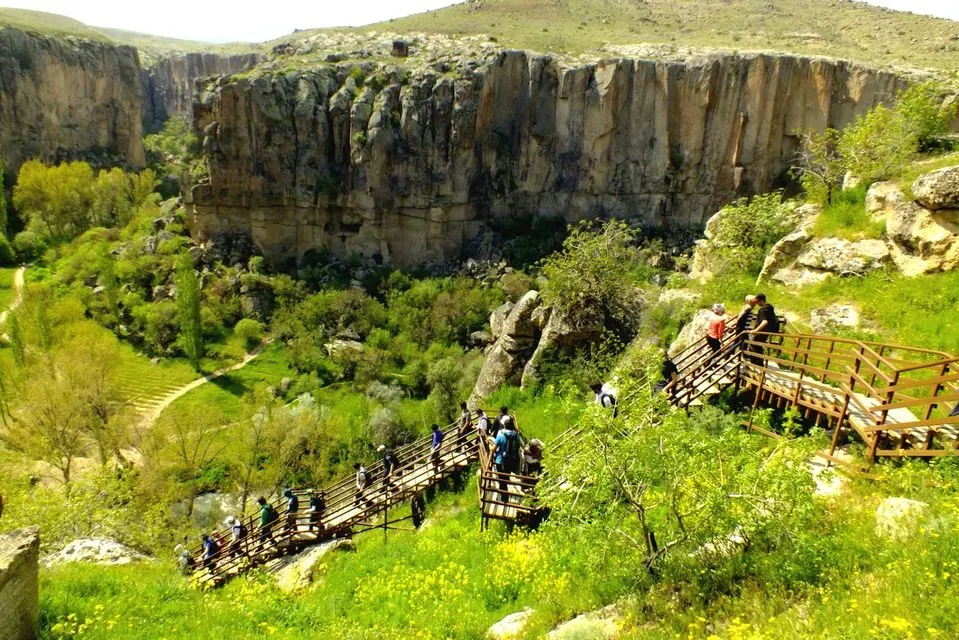
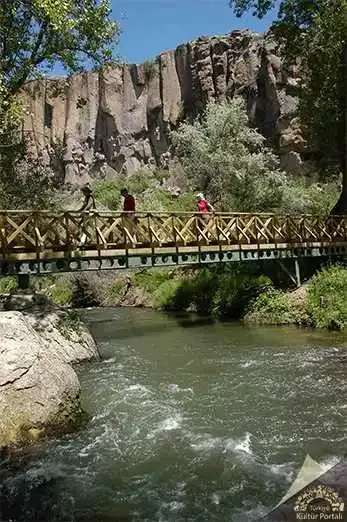
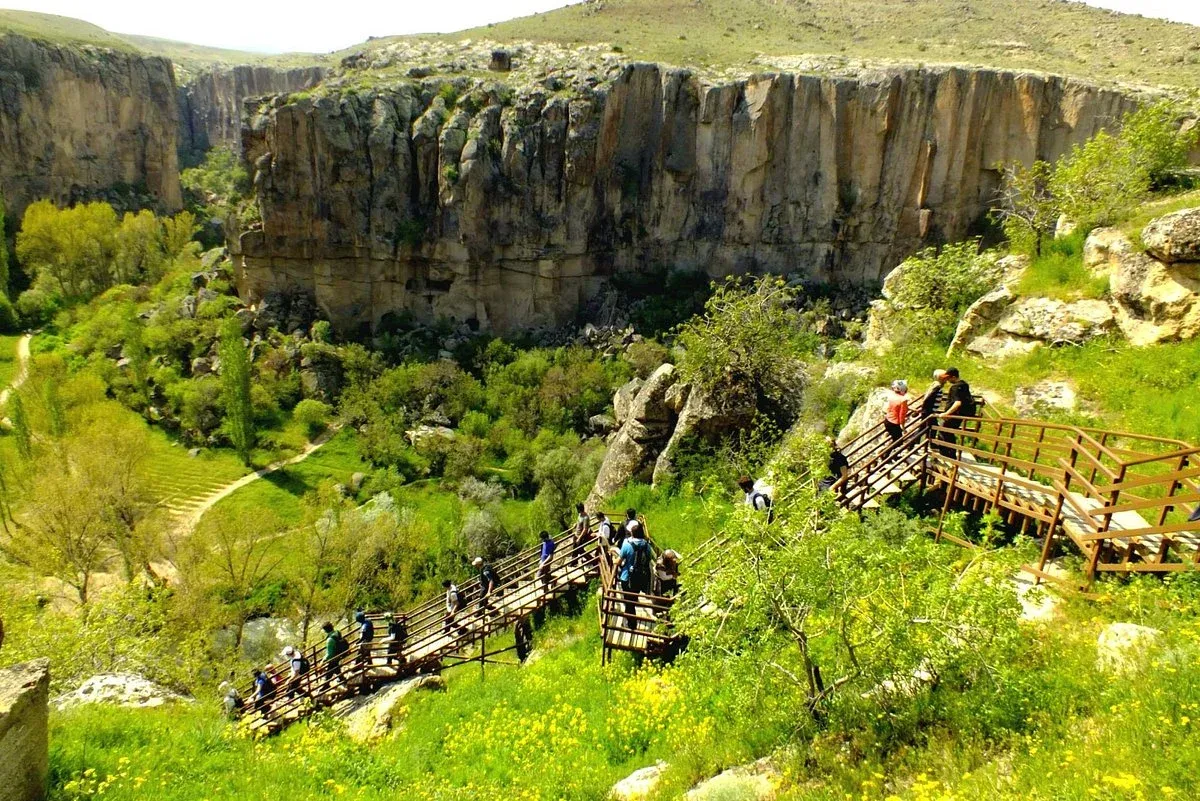
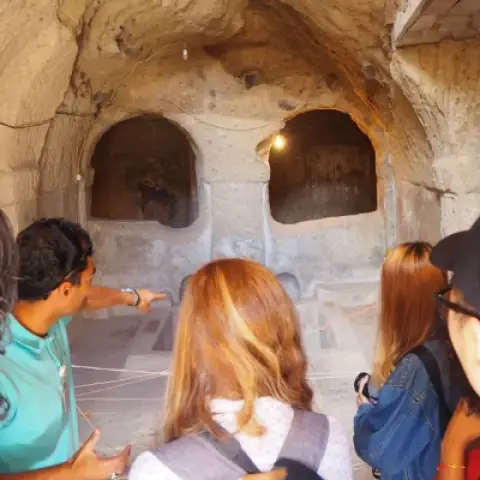
The primary activity is walking the valley floor, which requires descending nearly 400 steps at the Ihlara entrance. The path follows the Melendiz River, offering shaded trails and views of the towering cliffs. Visitors can explore numerous rock-cut churches along the way, such as the Agacalti Kilisesi and Yilanli Kilise, each featuring distinct frescoes and architectural layouts that reflect different eras of Byzantine art.
For those interested in deeper historical context, the Direkli Kilise and Kirkdamalti Kilisesi near Belisarma offer insights into later Byzantine and Seljuk periods. The Direkli Kilise is notable for its columns and imperial dedication, while Kirkdamalti features rare depictions of Seljuk officials alongside Christian iconography. These sites provide a tangible connection to the region’s multicultural past.
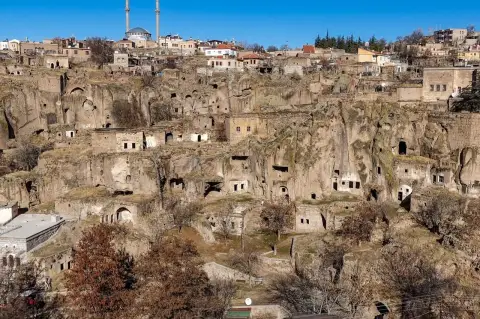
Beyond the valley floor, the surrounding villages of Ihlara and Selime offer additional cultural experiences. Selime features the impressive Selime Cathedral, a massive rock-cut structure that dominates the northern end of the valley. Exploring the local villages allows travellers to see traditional stone houses and understand the living heritage of the Cappadocian Greeks who inhabited the area until the early 20th century.
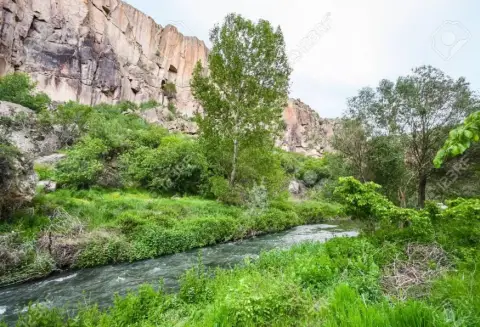
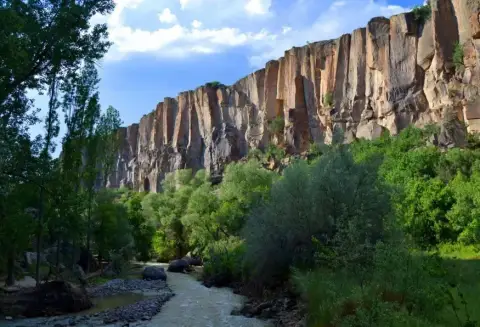
Photography enthusiasts will find ample opportunities to capture the contrast between the lush greenery of the riverbank and the ochre hues of the tuff cliffs. The changing light throughout the day enhances the visibility of the frescoes and the depth of the canyon, making it an ideal destination for landscape and architectural photography.
Top Sights in Ihlara Valley
Agacalti Kilisesi
Also known as the Church under the Tree, this 7th-century cross-in-square church features an Ascension scene that predates the Iconoclasm period.
Yilanli Kilise
The Snake Church is famous for its narthex frescoes depicting hellish scenes with sinners tormented by snake-like monsters, dating to the 9th century.
Direkli Kilise
A 10th-century cruciform nave church supported by four tall columns, it bears an inscription linking its dedication to Byzantine Emperor Basil II.
Kirkdamalti Kilisesi
Dated to the late 13th century, this church features rare paintings of Seljuk officials in local dress, illustrating Christian-Muslim coexistence.
Selime Cathedral
Located at the valley's northern end, this massive rock-cut cathedral complex is one of the largest and most impressive structures in Cappadocia.
Travel Tips for Ihlara Valley
Getting there: Ihlara Valley is located in Aksaray Province, about 40 kilometres south-east of Aksaray and roughly 90 kilometres from Göreme. It is accessible by private car or organized tours from major Cappadocian hubs. The drive offers scenic views of the Anatolian plateau before reaching the canyon entrance.
Best time to visit: Spring and autumn provide the most comfortable temperatures for hiking the valley floor. Summer days can be hot, though the canyon remains cooler due to shade and the river. Winter visits are possible but may involve slippery paths and limited access to some interior sites.
What to wear / bring: Sturdy walking shoes are essential due to the uneven terrain and the steep stairway descent. Bring water, sun protection, and a hat, as parts of the trail are exposed. A camera is recommended for capturing the detailed frescoes and dramatic canyon landscapes.
Visiting the site: current opening days and visitor information are on our museum page: Aksaray Ihlara Valley.
Day Tours that Visit Ihlara Valley
Guided daily excursions in Cappadocia that include Ihlara Valley.
 Day Tour
Shared ★ Popular Tour
Daily Cappadocia Red Tour – Uchisar, Goreme Museum & Valleys with Lunc...
 Day Tour
Shared ★ Popular Tour
Cappadocia Hot Air Balloon Tour from Goreme
 Day Tour
Shared ★ Popular Tour
Cappadocia Green Tour with Transfer & Lunch
 Day Tour
Shared
Cappadocia Hot Air Balloon Tour from Ortahisar – Sunrise Flight
 Day Tour
Shared
Cappadocia Hot Air Balloon Tour from Uchisar – Sunrise Flight
 Day Tour
Shared
Cappadocia Hot Air Balloon Tour from Urgup – Sunrise Flight
 Day Tour
Shared
Cappadocia Hot Air Balloon Tour from Avanos – Sunrise Flight
 Day Tour
Shared
Cappadocia Hot Air Balloon Ride – Sunrise Flight with Hotel Transfer
Private Day Tour
Private Private Cappadocia Green Tour – Kaymakli, Ihlara Valley & Selime (Priv...
Day Tour
Shared Cappadocia Green Tour – Kaymakli, Ihlara Valley Walk & Selime Monaster...
 Private Day Tour
Private
Daily Ihlara Valley Tour from Nevsehir – Cave Churches & Melendiz Rive...
 Day Tour
Shared
Daily Ihlara Valley Tour from Nevsehir – Cave Churches & Melendiz Rive...
 Private Day Tour
Private
Daily Ihlara Valley Hike from Cappadocia – Belisirma & Selime Monaster...
 Day Tour
Shared
Daily Ihlara Valley Hike from Cappadocia – Belisirma & Selime Monaster...
Hotels in Ihlara Valley
Hotels within walking distance of Ihlara Valley — request your room online, we reply within 24 hours.

Airport Transfers to Ihlara Valley
Private door-to-door transfers to Guzelyurt (Aksaray) — price per vehicle, one way, meet & greet included.
✈️ Istanbul Airport (IST) → Guzelyurt (Aksaray)
Book this transfer →| Vehicle | Passengers | Price (one way) |
|---|---|---|
| Mercedes Vito | up to 5 | €968 |
✈️ Sabiha Gokcen Airport (SAW) → Guzelyurt (Aksaray)
Book this transfer →| Vehicle | Passengers | Price (one way) |
|---|---|---|
| Mercedes Vito | up to 5 | €884 |
Ihlara Valley – Frequently Asked Questions
How long does it take to walk through Ihlara Valley?
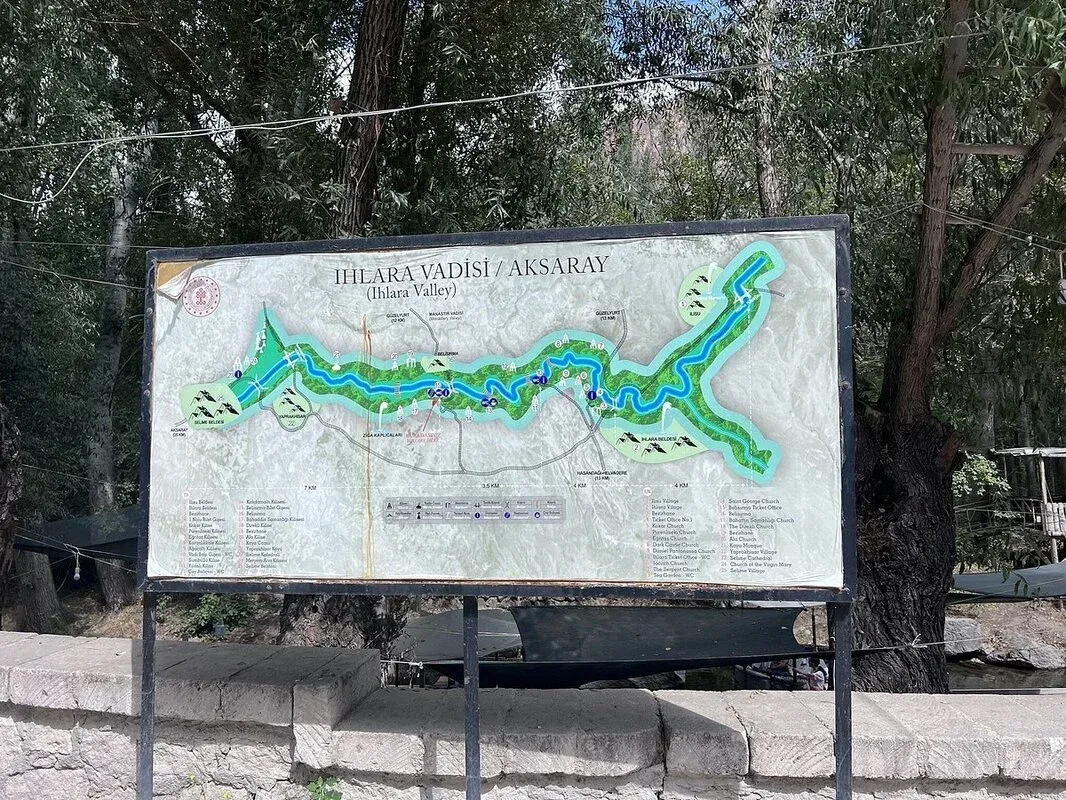
Walking the full 14-kilometre valley floor typically takes several hours. Most visitors choose to walk a shorter section from Ihlara to Belisarma and return, or arrange transport between entry points.
Are the churches open to the public?
Many of the rock-hewn churches are accessible to visitors. However, some interiors may be restricted to protect the frescoes, so it is advisable to check current access conditions upon arrival.
Is the stairway descent difficult?
The descent involves nearly 400 steps and a drop of over 100 meters. It requires a moderate level of fitness, and visitors with mobility issues should consider alternative viewing points from the rim.
What is the best way to see the frescoes?
Natural light is often insufficient inside the churches. Bringing a small flashlight is helpful for viewing details, but visitors should avoid using flash photography to preserve the ancient pigments.
Can I visit Ihlara Valley independently?
Yes, independent travel is possible by car or bus to Ihlara village. However, organized tours often provide guides who explain the historical context of the churches and manage logistics between valley entrances.