Lake Tuz (Salt Lake), Cappadocia
📍 Şereflikoçhisar / Eskil, Cappadocia, Turkey · Tuz Gölü
Lake Tuz is Turkey’s second-largest lake and a vast hypersaline basin in Central Anatolia. Travellers visit to witness the striking white salt crusts that form in summer and to observe protected flamingo colonies in this unique ecological reserve.
History of Lake Tuz (Salt Lake)
In antiquity, the lake was known as Tatta and lay on the frontier between ancient Lycaonia and Galatia. Initially part of Phrygia, the region was later annexed into Lycaonia. Ancient sources described the water as so rich in brine that substances dipped into it were immediately encrusted with salt, and birds flying near the surface were reportedly caught by the weight of saline particles on their wings.
Stephanus of Byzantium referenced a salt lake in Phrygia called Attaea, near a town named Botieum, which scholars tentatively link to modern settlements like Şereflikoçhisar or Eskil. The area’s strategic location made it a notable landmark for travellers and traders moving across the Central Anatolian plateau throughout the classical and Byzantine periods.
Geologically, the basin formed through subsidence during the Upper Senonian to Lower Middle Eocene periods. It evolved into a graben bounded by fault zones, with significant volcanic activity occurring during the Neogene period. The current structure includes a continuous salt layer extending 1,000 meters deep, which has sustained commercial salt production for centuries.
During wetter phases of the Ice Age the basin held a much larger lake. As the climate warmed and became drier, the water shrank and its salinity rose, leaving the shallow salt lake and the semi-arid steppe seen today. Salt from the lake has been harvested for a very long time, and modern salt works on its shores still supply a large share of Turkey's table salt.
Things to Do in Lake Tuz (Salt Lake)
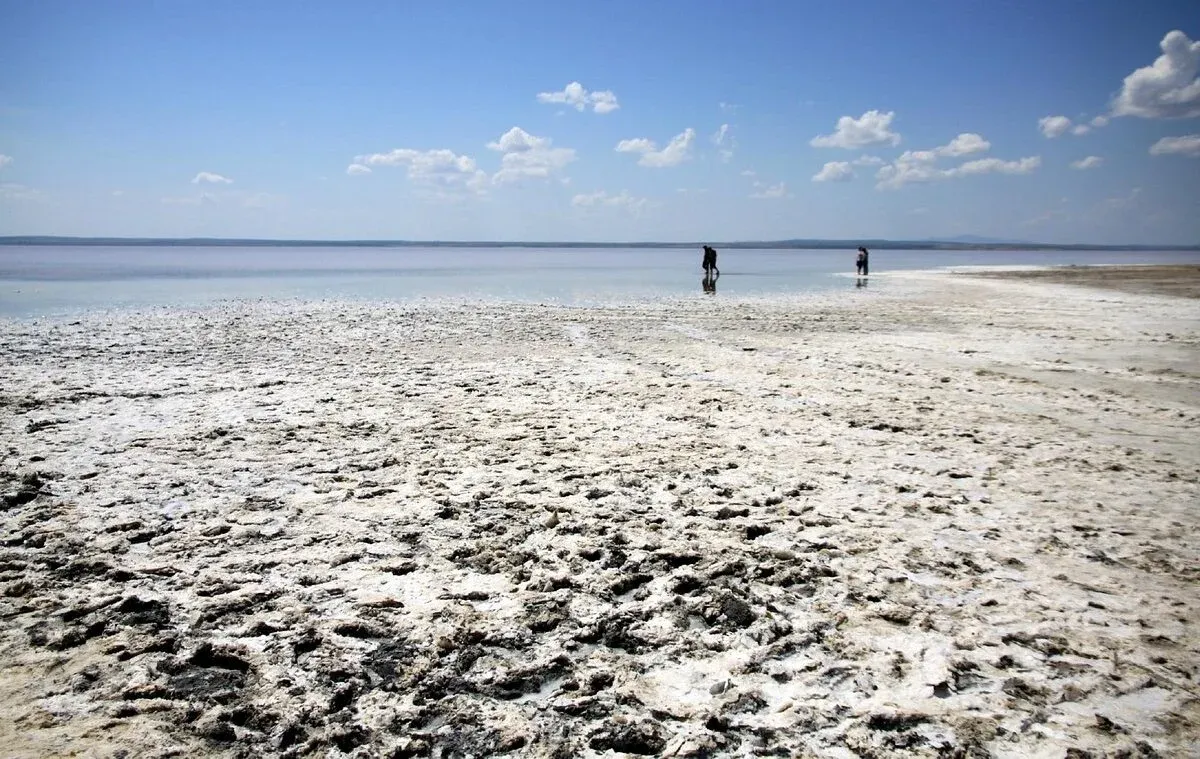
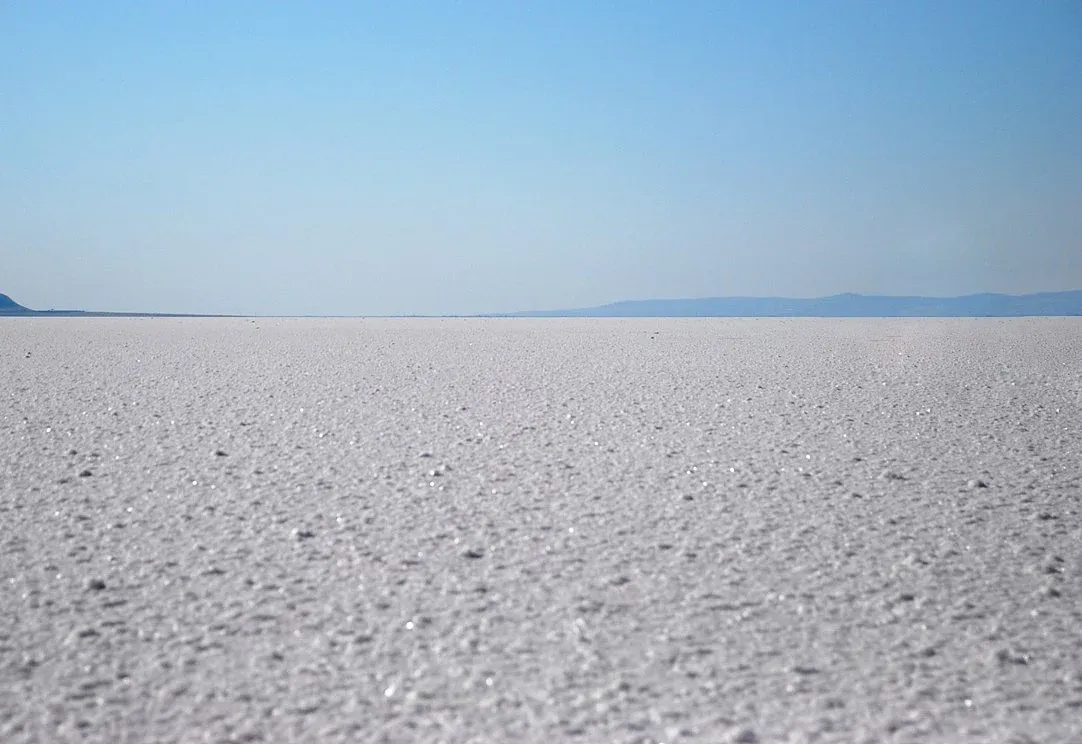
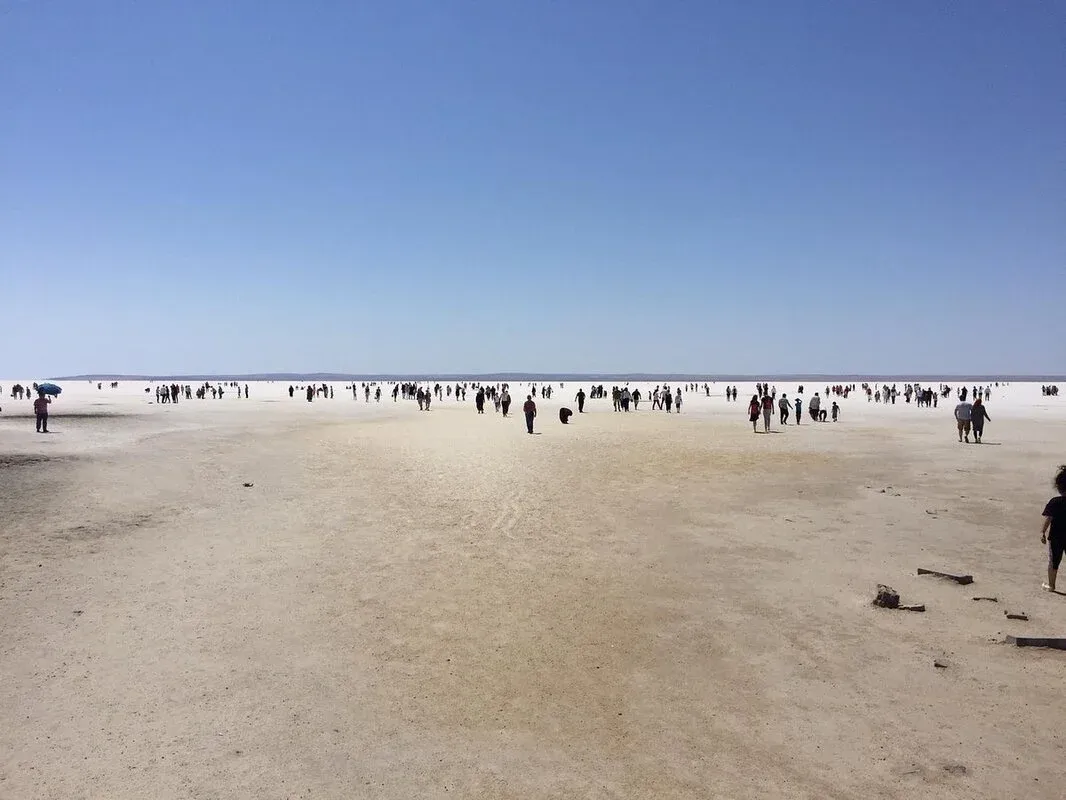
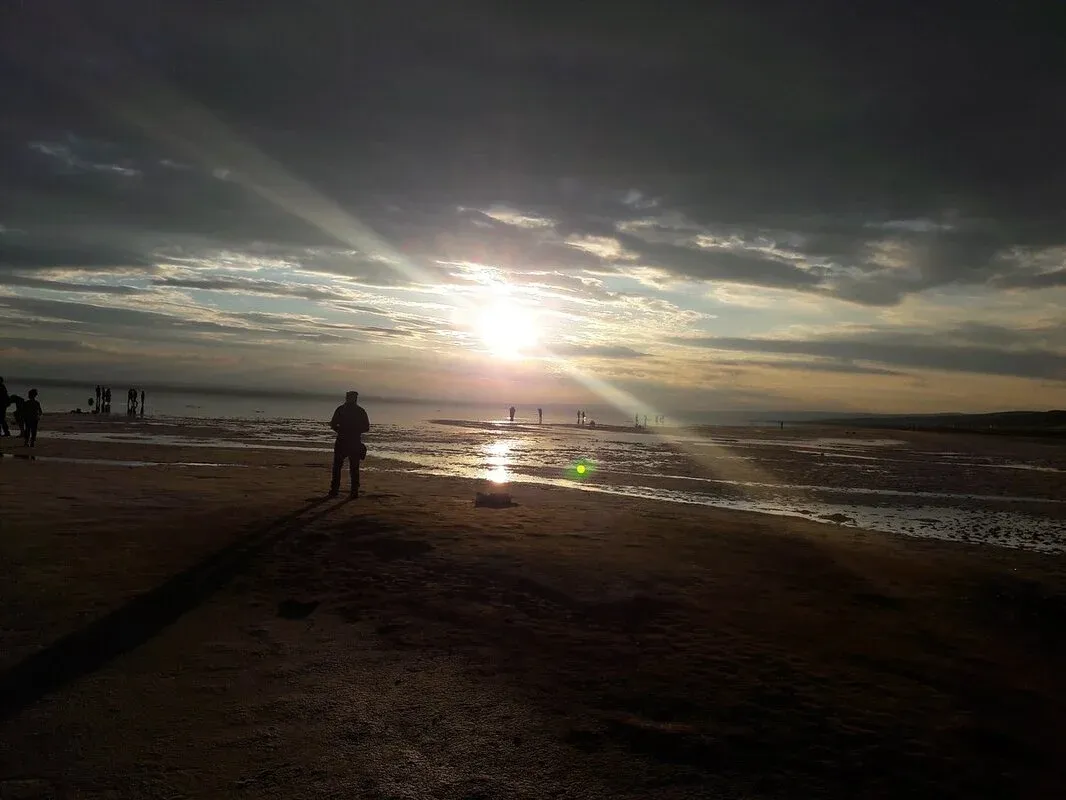
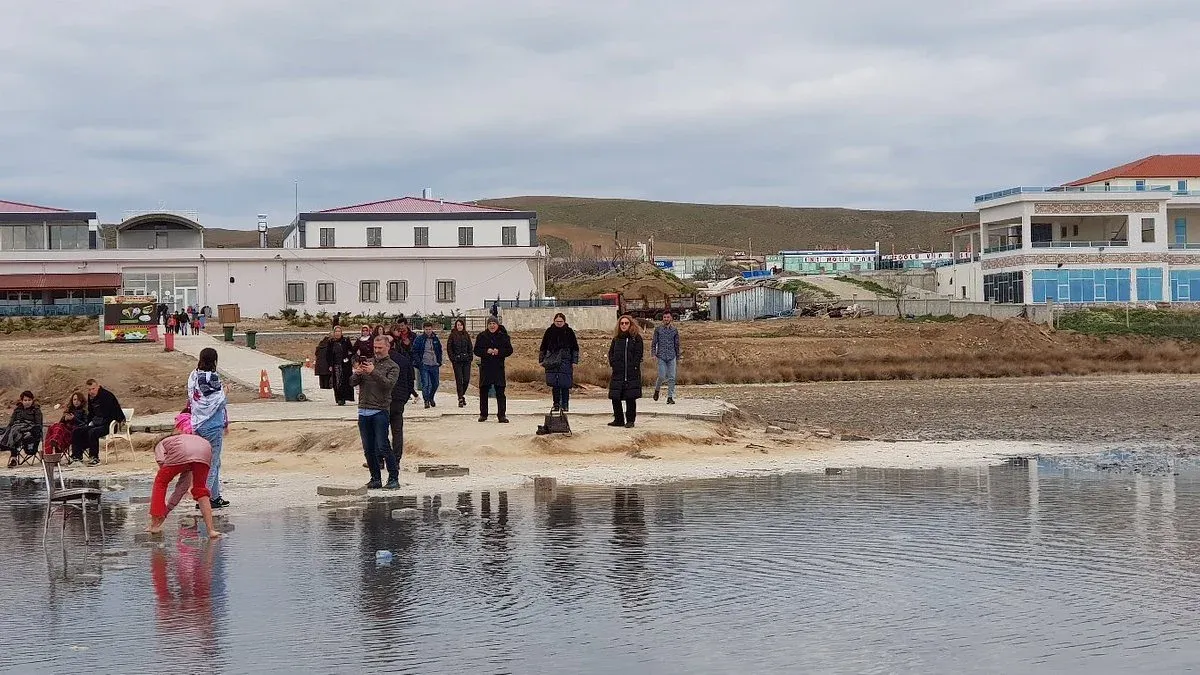
The primary activity is visiting the salt flats during the dry summer months. When the water evaporates, it leaves a thick white crust that visitors can walk upon. This creates a surreal, mirror-like landscape that is particularly popular for photography, especially during sunrise and sunset when the light reflects off the salt surface.
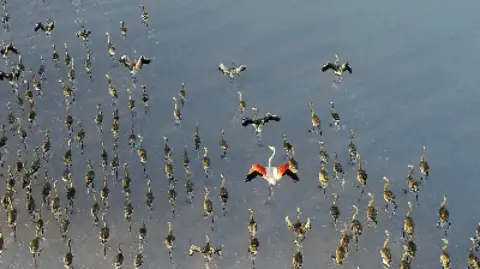
Travellers can observe greater flamingos and other migratory birds. The lake is a specially protected area and serves as a critical breeding ground for these birds. Binoculars are recommended for spotting wildlife without disturbing the sensitive ecosystem, as the area is designated for environmental protection.
The lake is a convenient roadside stop on the route between Ankara and Cappadocia. Many tour groups pause here to stretch their legs and take photos of the expansive white horizon. The surrounding steppe offers a glimpse into the semi-arid Central Anatolian landscape, distinct from the volcanic formations found further east.
Top Sights in Lake Tuz (Salt Lake)
Salt Flats
Vast white expanses of crystallized salt that form when the shallow water evaporates in summer.
Flamingo Colony
A protected breeding area for greater flamingos, offering unique wildlife viewing opportunities.
Sunset Reflections
The flat, reflective surface creates dramatic mirror effects during golden hour.
Ancient Tatta
The historical name of the lake, referenced by ancient geographers and historians.
Steppe Landscape
The surrounding semi-arid plains provide a stark, beautiful contrast to the white lake.
Travel Tips for Lake Tuz (Salt Lake)
Best time to visit: Late summer is ideal for seeing the dry salt crusts, while spring and early autumn are better for birdwatching and observing water levels. Winter offers a different aesthetic with potential snow on the salt.
What to wear: Wear sturdy, closed-toe shoes as the salt crust can be sharp and abrasive. Sunglasses are essential due to the intense glare from the white surface, and a hat is recommended for sun protection.
Getting there: The lake is easily accessible by car from Ankara or Aksaray. It is a common stop on intercity bus routes and organized tours traveling between Ankara and the Cappadocia region.
Day Tours that Visit Lake Tuz (Salt Lake)
Guided daily excursions in Cappadocia that include Lake Tuz (Salt Lake).
Airport Transfers to Lake Tuz (Salt Lake)
Private door-to-door transfers to Tuz Golu (Salt Lake) — price per vehicle, one way, meet & greet included.
✈️ Istanbul Airport (IST) → Tuz Golu (Salt Lake)
Book this transfer →| Vehicle | Passengers | Price (one way) |
|---|---|---|
| Mercedes Vito | up to 5 | €833 |
✈️ Sabiha Gokcen Airport (SAW) → Tuz Golu (Salt Lake)
Book this transfer →| Vehicle | Passengers | Price (one way) |
|---|---|---|
| Mercedes Vito | up to 5 | €749 |
Lake Tuz (Salt Lake) – Frequently Asked Questions
Can you swim in Lake Tuz?
No, swimming is not recommended due to the extremely high salinity and the shallow, muddy bottom. The area is also a protected environmental zone.
When is the best time to see the white salt?
Late July to September is the best time, as the summer heat evaporates the water, leaving a thick, walkable salt crust.
Are there flamingos at Lake Tuz?
Yes, Lake Tuz is a major breeding ground for greater flamingos. They are most commonly seen in spring and early summer.
Is Lake Tuz safe to walk on?
Visitors can walk on the hardened salt crust in summer, but caution is advised as the surface can be uneven and sharp.
Why is the lake so salty?
It is a hypersaline lake with no outlet, meaning minerals accumulate over time as water evaporates, leaving high concentrations of salt.