Paşabağ (Monks Valley), Cappadocia
📍 Avanos, Cappadocia, Turkey · Paşabağları
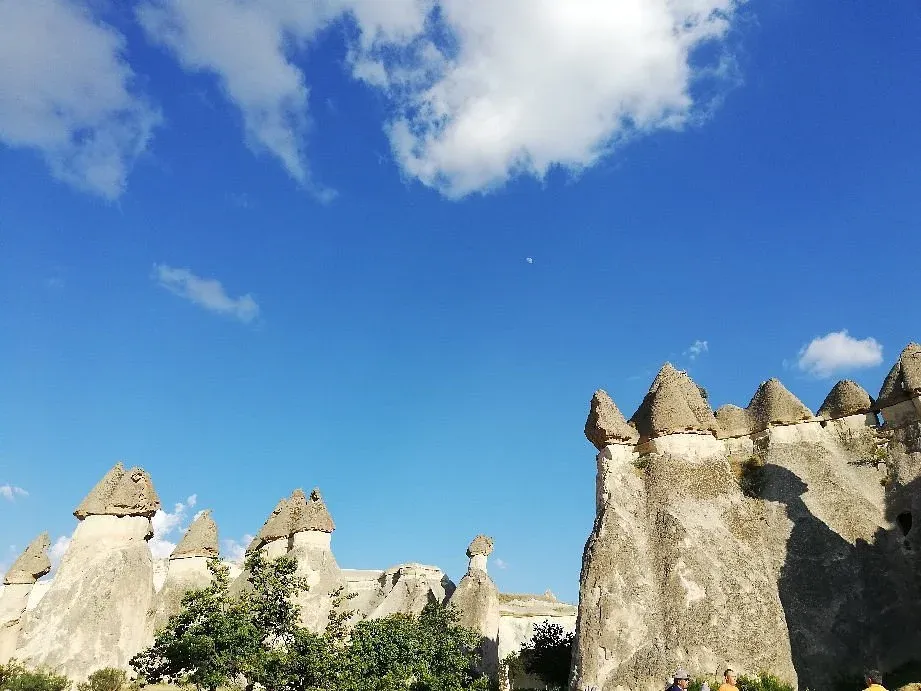
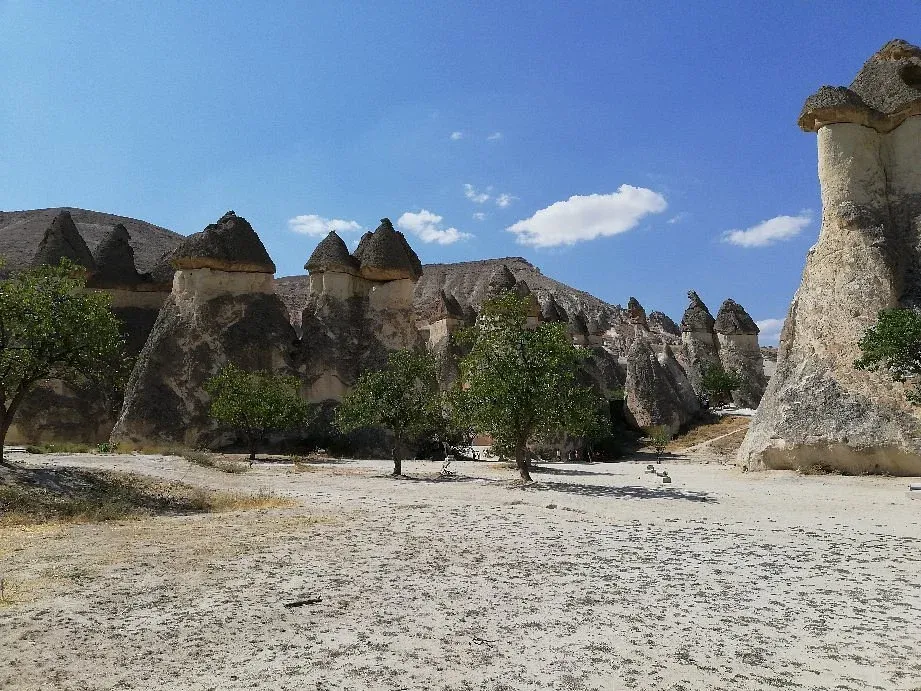
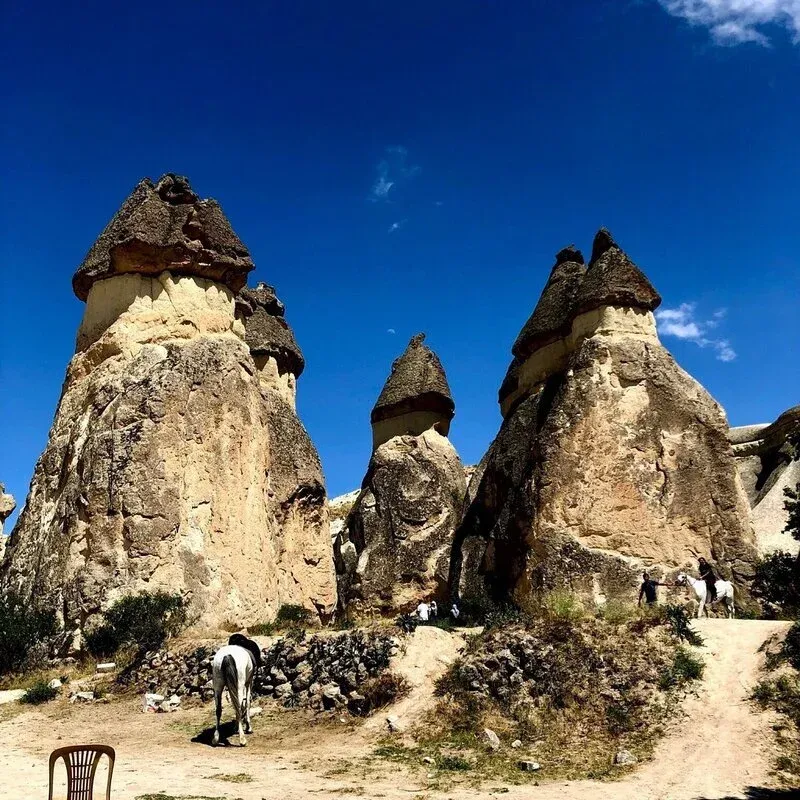
Paşabağ, also known as Monks Valley, features distinctive multi-headed fairy chimneys formed by volcanic erosion. Travellers visit this site within Göreme National Park to admire unique geological formations and explore ancient hermit cells carved into the rock.
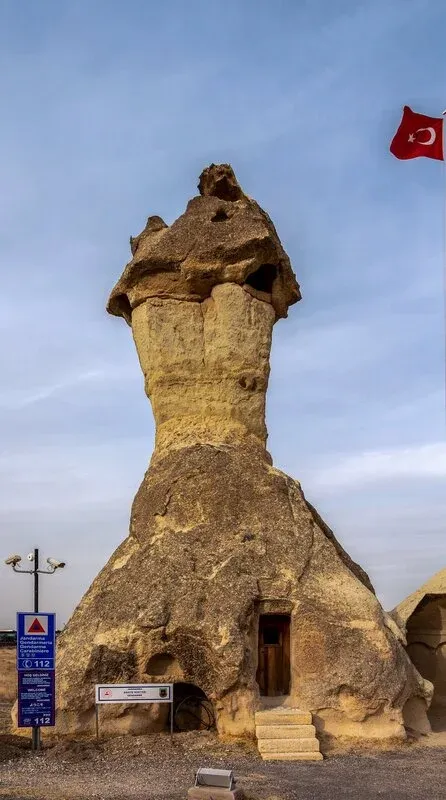
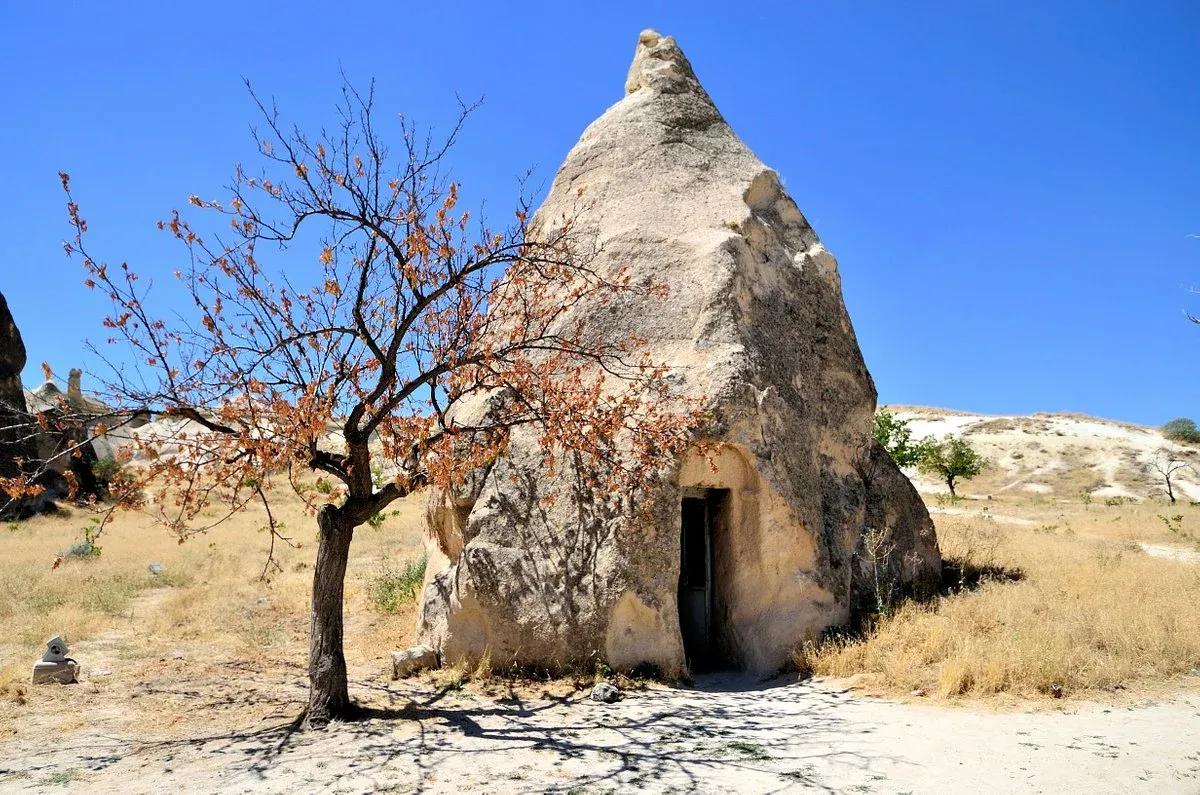
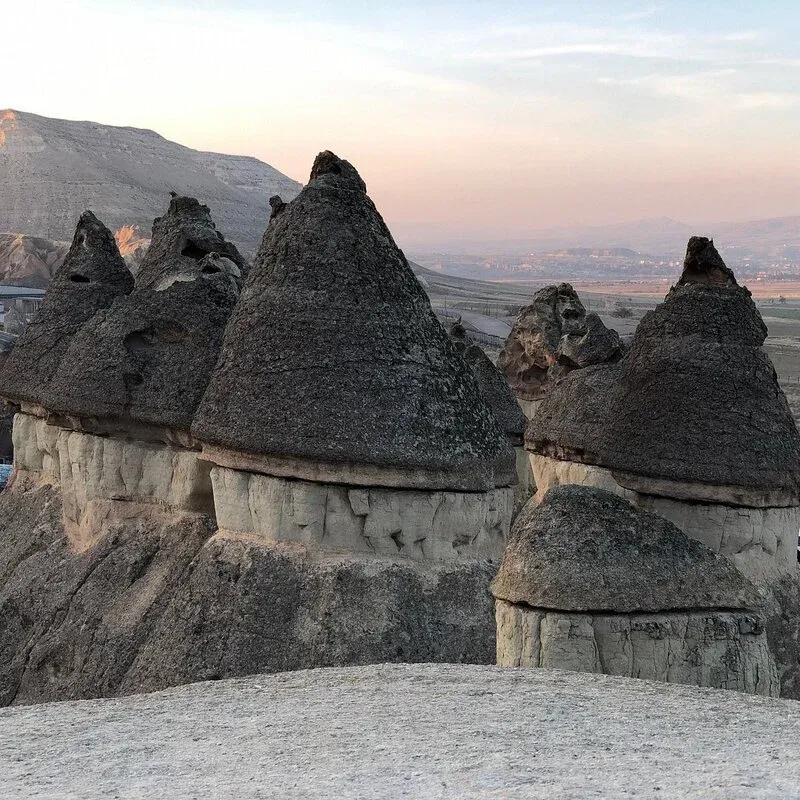
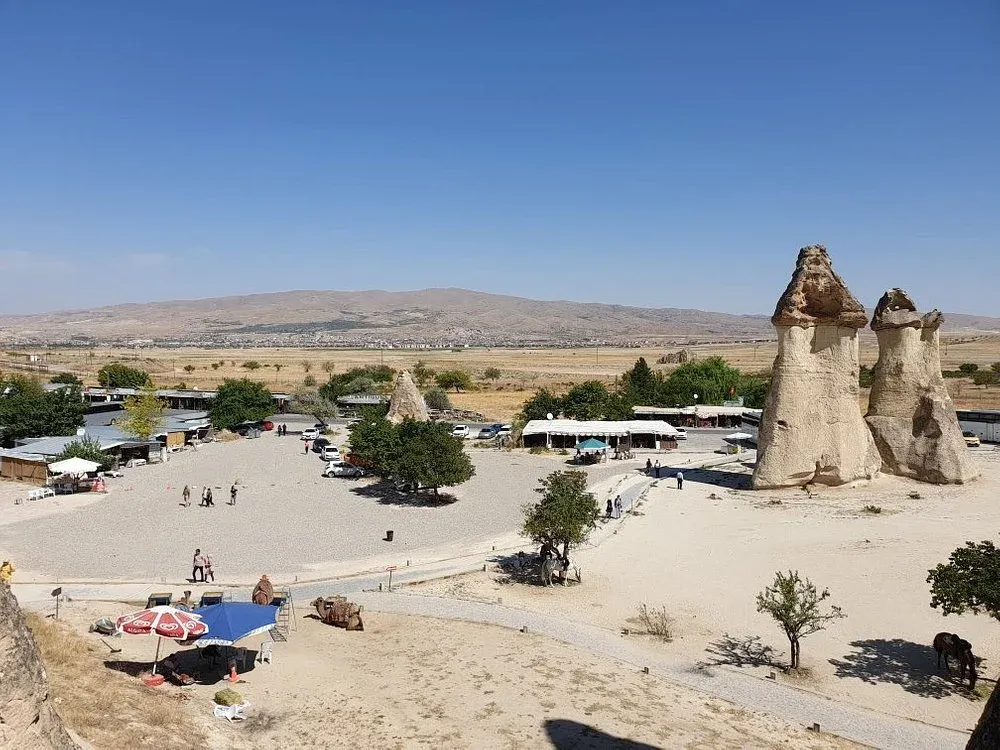
History of Paşabağ (Monks Valley)
Paşabağ is situated within the Zelve-Paşabağ section of Göreme National Park, a UNESCO World Heritage site in the Cappadocia region of Turkey. The landscape is defined by soft volcanic tuff, which has been sculpted over millennia by wind and water into the iconic fairy chimneys. These formations are not merely geological curiosities but served as the foundation for human habitation and religious practice during the early Christian era.
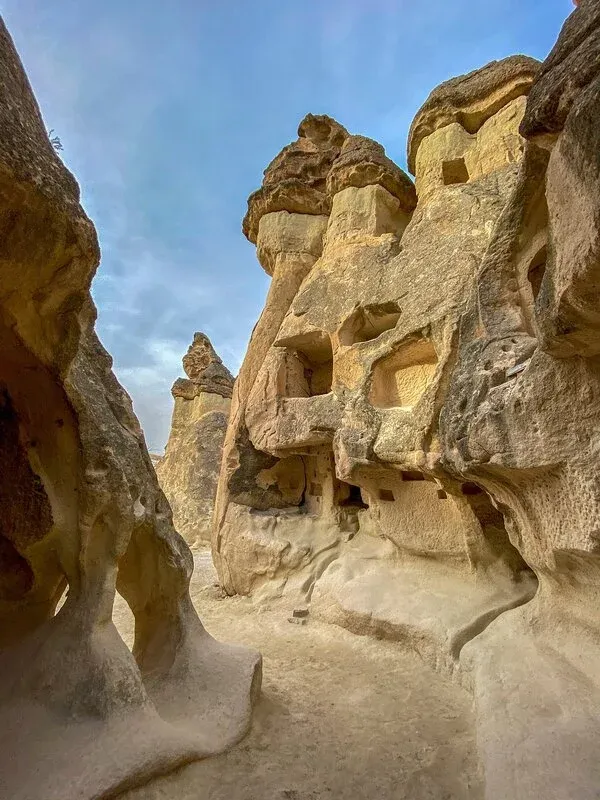
During the Byzantine period, the area became a significant centre for monastic life. The soft rock allowed for the easy excavation of dwellings, chapels, and storage rooms. Monks and hermits sought isolation in these valleys, carving complex networks of rooms into the pillars. The site reflects the ascetic lifestyle of early Christians who fled persecution and sought spiritual solitude in the remote valleys of Cappadocia.
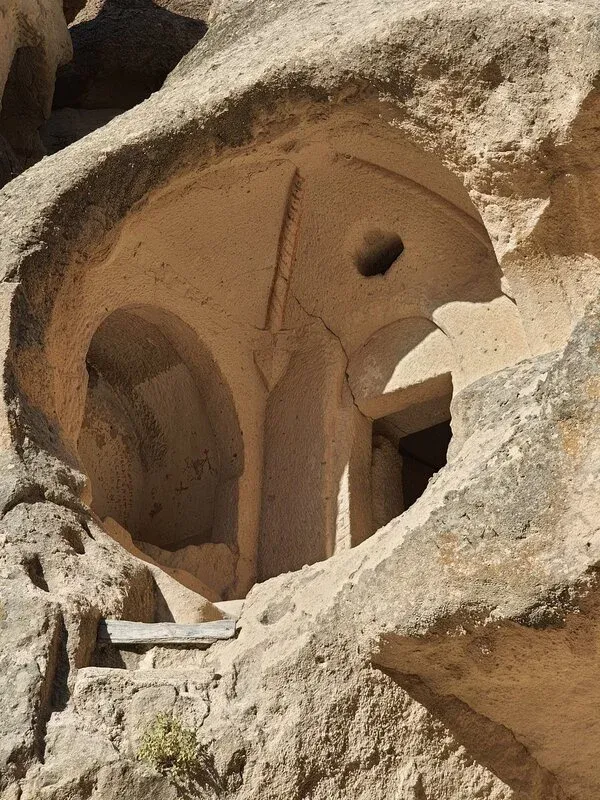
The most notable structure is a chapel with a single nave and an apse, located within one of the larger fairy chimneys. Adjacent to this chapel is a small cell, traditionally associated with Saint Simeon, a stylite saint who reportedly lived atop a pillar. While the exact historical details of his presence are debated, the site remains a testament to early Christian asceticism.
The region experienced various political shifts, including Seljuk and Ottoman rule, but the valley largely remained a rural and religious site. It was not until the twentieth century that the area gained international recognition for its unique blend of natural beauty and historical significance. Today, Paşabağ is preserved as part of the national park, protecting its fragile geological structures and archaeological remains from modern development and erosion.
Things to Do in Paşabağ (Monks Valley)
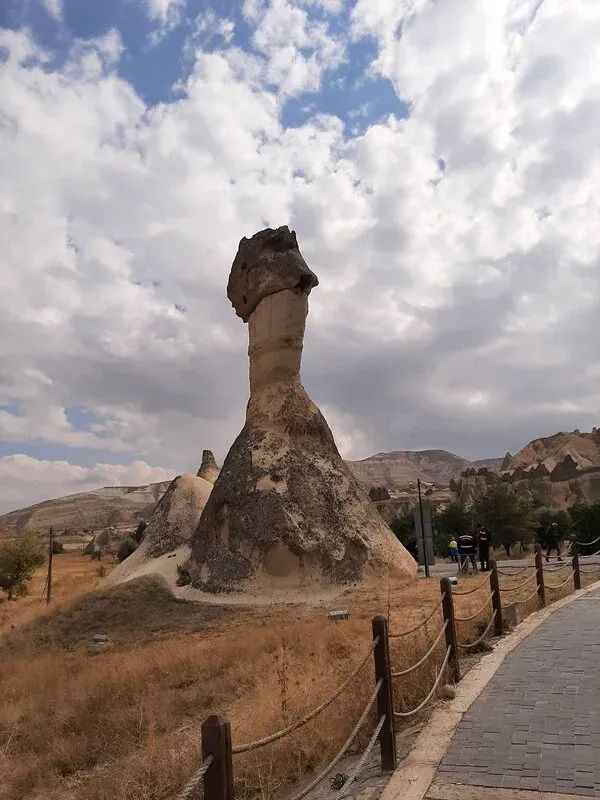
The primary activity at Paşabağ is walking along the designated trails that wind through the valley. Visitors can observe the unique multi-capped fairy chimneys, which differ from the single-headed cones found elsewhere in Cappadocia. These formations, with their mushroom-like caps, are the result of differential erosion where harder basalt rock protected the softer tuff beneath it. The visual spectacle is particularly striking in the morning light.
Exploring the carved interiors is a key experience. Travellers can enter several open-air structures, including the chapel and the hermit cell associated with Saint Simeon. The interiors are simple, featuring rock-cut niches and arched ceilings. While the structures are not as elaborately decorated as some underground cities, their integration into the natural rock formations offers a profound insight into the ingenuity of early inhabitants.
Photography is highly encouraged, as the valley provides excellent opportunities for landscape and architectural shots. The contrast between the pale tuff and the darker basalt caps creates dramatic compositions. Visitors should also take time to appreciate the surrounding landscape, which includes vineyards and orchards, highlighting the agricultural use of the valley floor alongside its historical significance.
Top Sights in Paşabağ (Monks Valley)
Multi-headed Fairy Chimneys
Distinctive rock formations with multiple basalt caps, created by differential erosion of volcanic tuff.
St Simeon's Cell
A small hermit cell carved into a fairy chimney, traditionally linked to the stylite saint.
Paşabağ Chapel
A simple rock-cut chapel with a single nave and apse, located within one of the larger pillars.
Zelve-Paşabağ Valley
The broader valley system connecting Paşabağ to Zelve, known for its dense concentration of carved structures.
Göreme National Park
The UNESCO World Heritage site encompassing Paşabağ, protecting its unique cultural and natural landscape.
Travel Tips for Paşabağ (Monks Valley)
Getting there: Paşabağ is located between the villages of Çavuşin and Zelve, approximately 5 kilometres from Avanos. It is easily accessible by car, taxi, or organised tour. The site is well-signposted from the main road connecting these villages, making it a convenient stop for those exploring the northern Cappadocia region.
Best time to visit: Early morning or late afternoon offers the best lighting for photography and cooler temperatures. The site is open year-round, but spring and autumn provide the most comfortable weather for walking. Avoiding midday sun is advisable, as the valley offers limited natural shade.
What to wear / bring: Wear sturdy, comfortable walking shoes as the terrain can be uneven and rocky. Bring water, especially in summer, and a hat or sunscreen for protection against the sun. A camera is essential to capture the unique geological formations and historical structures.
Visiting the site: current opening days and visitor information are on our museum page: Nevşehir Zelve-Paşabağları Archaeological Site, Zelve Open Air Museum.
Day Tours that Visit Paşabağ (Monks Valley)
Guided daily excursions in Cappadocia that include Paşabağ (Monks Valley).
 Day Tour
Shared ★ Popular Tour
Daily Cappadocia Red Tour – Uchisar, Goreme Museum & Valleys with Lunc...
 Day Tour
Shared ★ Popular Tour
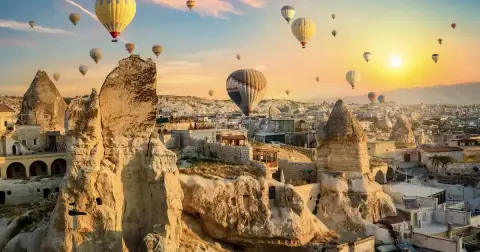
Cappadocia Green Tour with Transfer & Lunch
 Private Day Tour
Private
Private Cappadocia Mix Tour – Goreme Museum, Underground City & Valley...
Private Day Tour
Private Private Cappadocia Red Tour – Goreme Museum, Pasabag, Avanos & Uchisar...
Day Tour
Shared Cappadocia Red Tour – Devrent, Pasabag, Goreme Museum, Uchisar & Esent...
Day Tour
Shared Cappadocia North Red Tour – Love Valley, Zelve, Pasabag & Avanos with...
Day Tour
Shared All-in-One Cappadocia Tour – Kaymakli, Zelve, Pasabag & Avanos with Lu...
Day Tour
Shared Highlights of Cappadocia Tour – Uchisar, Kaymakli, Zelve & Avanos (Sha...
Day Tour
Shared Cappadocia Red Tour from Goreme – Open Air Museum, Love Valley & Potte...
Day Tour
Shared Cappadocia Mix Tour – Uchisar, Kaymakli, Zelve & Pasabag (Shared)
Day Tour
Shared Cappadocia Red Tour – Goreme Open Air Museum, Love Valley & Avanos (Sh...
Day Tour
Shared Cappadocia Eco Red Tour – Uchisar, Love Valley, Zelve & Pasabag (Share...
 Day Tour
Shared
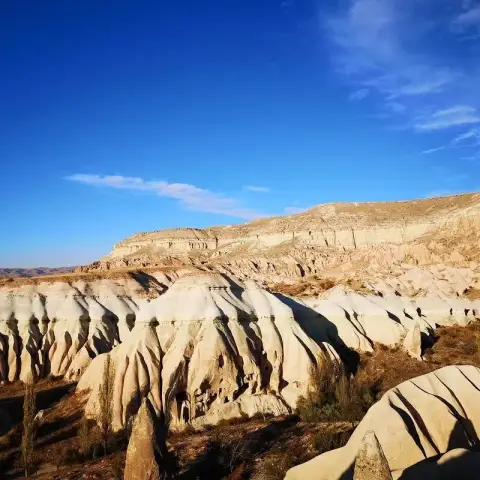
Cappadocia Sunrise or Sunset Jeep Safari with Hotel Transfer
 Day Tour
Shared
Cappadocia Red Tour with Transfer & Lunch
 Private Day Tour
Private
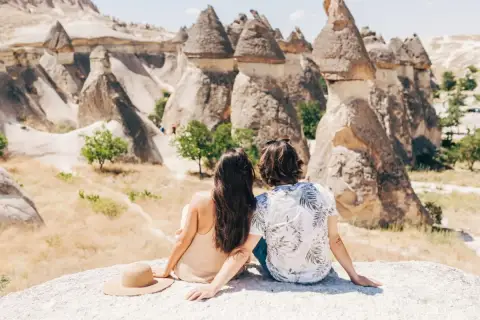
Cappadocia Private Day Tour: Underground City & Fairy Chimneys
Hotels in Paşabağ (Monks Valley)
Hotels within walking distance of Paşabağ (Monks Valley) — request your room online, we reply within 24 hours.

Fairyland Cave Hotel
1.4 km from Paşabağ (Monks Valley)
Garden Inn Cappadocia
1.6 km from Paşabağ (Monks Valley)
Nissa Cave
1.7 km from Paşabağ (Monks Valley)
Agarta Cave Hotel
1.7 km from Paşabağ (Monks Valley)
Cappadocia Fairy Tale Suites
1.7 km from Paşabağ (Monks Valley)
Jacob's Cave Suites
1.7 km from Paşabağ (Monks Valley)
Canela Cave Hotel
1.7 km from Paşabağ (Monks Valley)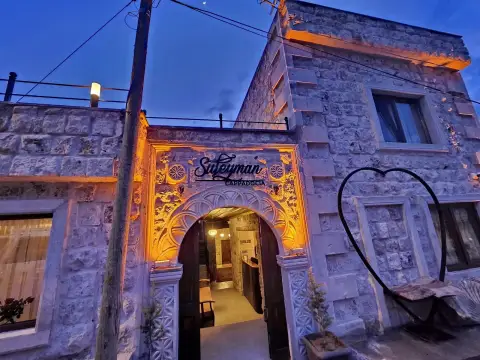
Süleyman Cappadocia with Hot Air Balloons View
1.7 km from Paşabağ (Monks Valley)
Sara Cave Cappadocia
1.8 km from Paşabağ (Monks Valley)Paşabağ (Monks Valley) – Frequently Asked Questions
Is Paşabağ the same as Monks Valley?
Yes, Paşabağ and Monks Valley refer to the same site. The name 'Monks Valley' reflects its history as a centre for early Christian monastic life.
How long does it take to visit Paşabağ?
A typical visit lasts between 30 minutes to one hour. This allows enough time to walk the main trails and explore the key carved structures.
Can I enter the fairy chimneys?
Yes, several structures, including the chapel and hermit cell, are open to visitors. However, access to some higher or more fragile formations may be restricted for safety and preservation.
Is Paşabağ suitable for children?
Yes, the site is generally suitable for children, but supervision is required due to uneven terrain and open drops. The unique rock formations often fascinate younger visitors.
What is the difference between Paşabağ and Zelve?
Paşabağ is known for its multi-headed fairy chimneys and isolated hermit cells. Zelve is a larger valley with a more extensive settlement of carved dwellings and churches.