Belisırma, Cappadocia
📍 Güzelyurt, Aksaray, Cappadocia, Turkey
Belisırma is a tranquil village nestled within the Ihlara Valley, serving as a central rest stop for hikers exploring the canyon. Travellers visit to enjoy riverside dining along the Melendiz Stream and to view significant Byzantine rock-cut churches dating from the tenth and eleventh centuries.
History of Belisırma
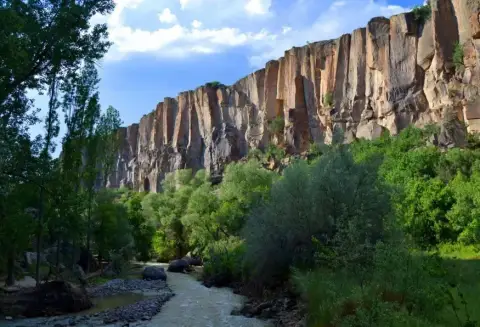
Belisırma, whose name is thought to come from Peristrema, the old Greek name of the valley, sits approximately halfway along the 14-kilometre Ihlara Valley. The valley itself was carved by the Melendiz River in prehistoric times, creating a deep canyon with steep tuff cliffs formed by volcanic eruptions from Mount Hasan. This unique geological setting provided the soft stone necessary for the extensive rock-cut architecture that characterises the region.
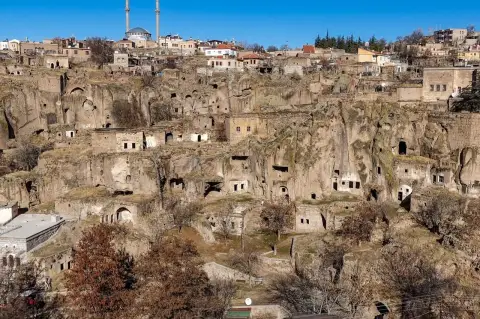
From the seventh century AD, Byzantine monks began settling in the valley, digging their dwellings and places of worship directly into the tuff. While the churches near the village of Ihlara display earlier local styles with Persian and Syrian influences, the structures around Belisırma belong to a distinct second group. These later constructions reflect the Macedonian art style prevalent during the tenth and eleventh centuries, marking a shift in artistic and architectural preferences within the Byzantine Empire.
The churches in this area were often commissioned by members of the Byzantine elite. For instance, the Bahattin Samanlığı Church was built by a wealthy aristocrat, possibly holding imperial titles, during the first half of the eleventh century. Its frescoes depict scenes from the life of Jesus and the Three Magi, indicating the high status of its patron and the continued importance of Christian worship in the region during this period.
Later history reveals a complex coexistence of cultures. The Kırkdamaltı Church, dated between 1283 and 1295, is the last known example of Christian architecture in the valley until the nineteenth century. Its inscriptions mention both the Seljuk Sultan Mesud II and the Byzantine emperor Andronikos II Palaiologos, suggesting a period of peaceful interaction between Christian and Muslim communities in Cappadocia during the late medieval period.
Things to Do in Belisırma
Belisırma serves as the primary lunch stop for those hiking the Ihlara Valley. Visitors can relax on wooden platforms built over the Melendiz Stream, where several restaurants offer meals amidst the sound of flowing water. This area provides a scenic break from the canyon trails, allowing travellers to enjoy the cool microclimate created by the river and surrounding greenery.
The village is home to several significant rock-cut churches. The Direkli Kilise (Pillar Church) is a cruciform nave church from the tenth century, featuring a cupola supported by four tall columns decorated with portraits of saints. An inscription within the church records its dedication by the Byzantine emperor Basil II, offering a rare historical link to imperial patronage in the valley.
Nearby, the Kırkdamaltı Kilisesi (St George's Church) offers a glimpse into the late medieval period. Dated to the late thirteenth century, it contains paintings of St George and a depiction of the Byzantine consul Basileos Giagupes in Seljuk clothing. This unique artwork highlights the cultural blending of the era, with inscriptions referencing both Seljuk and Byzantine rulers.
Another notable site is the Bahattin Samanlığı Church, which was later used as a barn by a local resident. Built in the eleventh century, it features frescoes depicting the birth of Jesus, the Three Magi, and the crucifixion. The church's well-preserved paintings and architectural details provide insight into the religious life of the Byzantine elite who once inhabited this settlement.
Top Sights in Belisırma
Direkli Kilise
A tenth-century cruciform church with a cupola supported by four columns. It features an inscription linking its dedication to Emperor Basil II.
Kırkdamaltı Church
Also known as St George's Church, it dates to the late 13th century. Its frescoes depict a consul in Seljuk attire, illustrating cultural coexistence.
Bahattin Samanlığı Church
An 11th-century church built by a wealthy aristocrat. It contains well-preserved frescoes of the Nativity and the Crucifixion.
Melendiz Stream
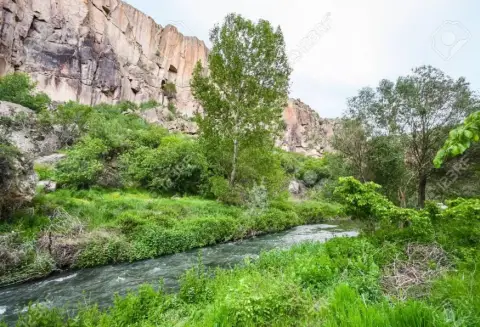
The river flowing through the valley creates a lush, green corridor. Riverside platforms in Belisırma offer a scenic spot for rest and dining.
Ihlara Valley Hike
Belisırma is the midpoint of the 14 km canyon walk. The trail features steep cliffs and numerous rock-cut dwellings carved from volcanic tuff.
Travel Tips for Belisırma
Getting there: Belisırma is located in the middle of the Ihlara Valley, accessible via the main road connecting Ihlara and Selime. Most visitors arrive as part of a guided tour or by private vehicle, parking near the village centre before walking to the river platforms or nearby churches.
Best time to visit: Spring and autumn offer the most pleasant temperatures for hiking the valley trails. Summer days can be hot, though the river area remains cooler, while winter visits require preparation for cold weather and potentially icy paths along the canyon floor.
What to wear / bring: Wear sturdy walking shoes with good grip, as the paths around the churches and along the river can be uneven. Bring water and sun protection, as shade is limited outside the immediate riverbank area, and carry a camera to capture the detailed frescoes inside the dimly lit rock-cut churches.
Visiting the site: current opening days and visitor information are on our museum page: Aksaray Ihlara Valley.
Day Tours that Visit Belisırma
Guided daily excursions in Cappadocia that include Belisırma.
 Day Tour
Shared ★ Popular Tour
Daily Cappadocia Red Tour – Uchisar, Goreme Museum & Valleys with Lunc...
 Day Tour
Shared ★ Popular Tour
Cappadocia Hot Air Balloon Tour from Goreme
 Day Tour
Shared ★ Popular Tour
Cappadocia Green Tour with Transfer & Lunch
 Day Tour
Shared
Cappadocia Hot Air Balloon Tour from Ortahisar – Sunrise Flight
 Day Tour
Shared
Cappadocia Hot Air Balloon Tour from Uchisar – Sunrise Flight
 Day Tour
Shared
Cappadocia Hot Air Balloon Tour from Urgup – Sunrise Flight
 Day Tour
Shared
Cappadocia Hot Air Balloon Tour from Avanos – Sunrise Flight
 Day Tour
Shared
Cappadocia Hot Air Balloon Ride – Sunrise Flight with Hotel Transfer
Private Day Tour
Private Private Cappadocia Green Tour – Kaymakli, Ihlara Valley & Selime (Priv...
Day Tour
Shared Cappadocia Green Tour – Kaymakli, Ihlara Valley Walk & Selime Monaster...
 Private Day Tour
Private
Daily Ihlara Valley Tour from Nevsehir – Cave Churches & Melendiz Rive...
 Day Tour
Shared
Daily Ihlara Valley Tour from Nevsehir – Cave Churches & Melendiz Rive...
 Private Day Tour
Private
Daily Ihlara Valley Hike from Cappadocia – Belisirma & Selime Monaster...
 Day Tour
Shared
Daily Ihlara Valley Hike from Cappadocia – Belisirma & Selime Monaster...
Hotels in Belisırma
Hotels within walking distance of Belisırma — request your room online, we reply within 24 hours.


Belisırma – Frequently Asked Questions
Is Belisırma a separate town from Ihlara?
Yes, Belisırma is a distinct village located about halfway along the Ihlara Valley. While Ihlara is at the southeast entrance, Belisırma sits in the middle of the canyon, serving as a central hub for visitors.
Are the churches in Belisırma open to the public?
Yes, several churches such as Direkli Kilise and Kırkdamaltı are accessible to visitors. They are typically included in guided tours of the Ihlara Valley.
How long does it take to visit the sites in Belisırma?
Visiting the main churches and enjoying a meal by the river typically takes two to three hours. This allows time to explore the frescoes and appreciate the natural scenery without rushing.
Can I hike from Ihlara to Belisırma?
Yes, the trail from Ihlara to Belisırma is a popular hiking route. It follows the river path through the canyon, offering views of the cliffs and passing several rock-cut structures along the way.
What does the name Peristrema refer to?
Peristrema is the old Greek name of the Ihlara Valley, and the village name Belisırma is believed to derive from it. Byzantine sources and scholars use Peristrema for the whole valley and its monastic settlements.