Gallipoli Peninsula, Canakkale
📍 Eceabat, Canakkale, Turkey · Gelibolu Yarımadası
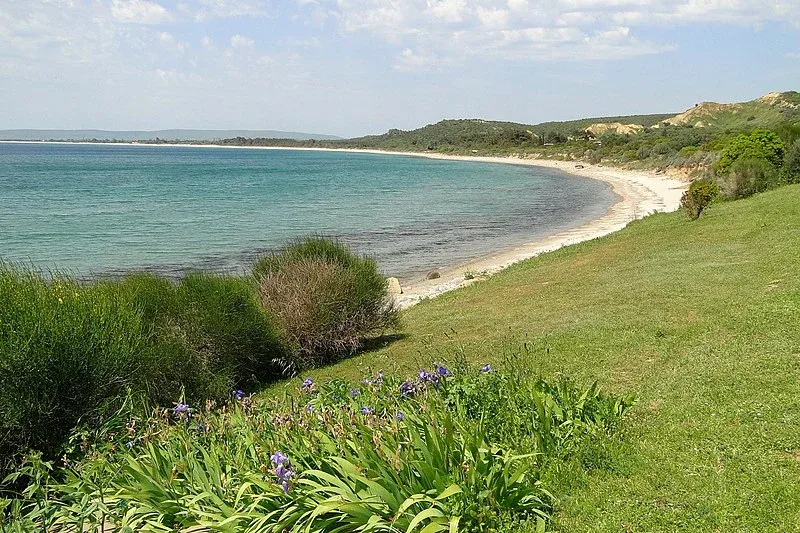
The Gallipoli Peninsula is a historic battlefield and national park in Turkey, renowned for the pivotal 1915-1916 WWI campaign. Travellers visit to pay respects at memorials, explore preserved trenches, and understand the profound historical significance shared by Turkish, Australian, and New Zealand visitors. Gallipoli Peninsula is part of “Çanakkale (Dardanelles) and Gelibolu (Gallipoli) Battles Zones in the First World War”, which is on UNESCO's World Heritage Tentative List (since 2014).
History of Gallipoli Peninsula
The Gallipoli Peninsula, known in Turkish as Gelibolu, became the stage for one of the First World War's most significant military campaigns. Between February 1915 and January 1916, Allied forces, mainly from Britain and its empire (including Australia, New Zealand and India) and from France, attempted to force a passage through the Dardanelles straits. Their objective was to capture the Ottoman capital, Constantinople, and open supply lines to Russia. The campaign began with naval bombardments aimed at neutralising coastal forts, but the Ottoman defence, bolstered by minefields and mobile artillery, successfully repelled the fleet in March 1915.
Following the naval failure, Allied forces launched an amphibious landing in April 1915. The terrain of the peninsula, characterised by steep ridges and narrow valleys, favoured the defenders. Ottoman troops, commanded by officers such as Mustafa Kemal, held the high ground against landing forces at Anzac Cove, Cape Helles, and Suvla Bay. The fighting was intense and static, mirroring the trench warfare of the Western Front. Despite months of effort, the Allies failed to break through the Ottoman lines, leading to a stalemate that resulted in heavy casualties on both sides.
The campaign concluded in January 1916 with the evacuation of Allied troops, marking a decisive Ottoman victory. This event is regarded as a defining moment in Turkish history, as it demonstrated the resilience of the Ottoman military and laid the groundwork for the Turkish War of Independence. Mustafa Kemal’s leadership at Gallipoli elevated his status, eventually leading to his role as the founder of the modern Republic of Turkey in 1923. The peninsula remains a sacred site for Turkey, symbolising national defence and sacrifice.
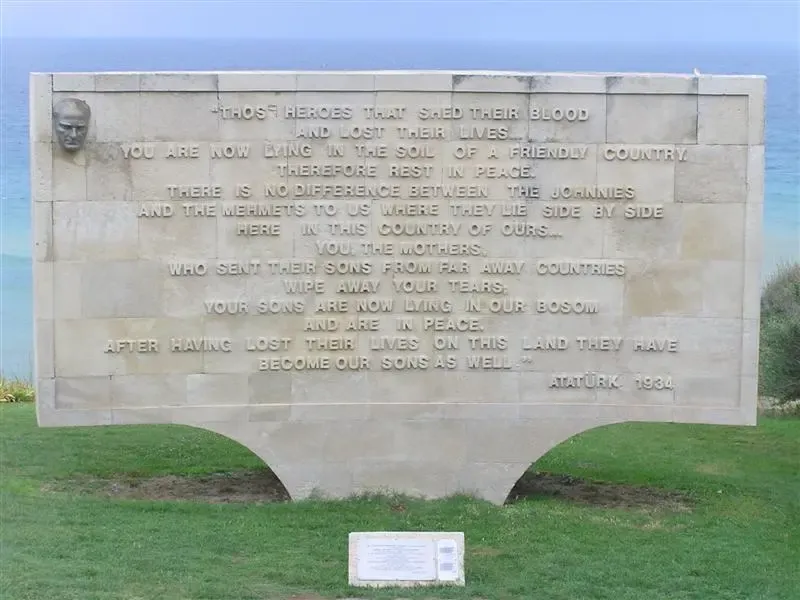
For Australia and New Zealand, the campaign marks the birth of their national identities. The anniversary of the landings, 25 April, is commemorated as Anzac Day, the most significant day of remembrance in both countries. The shared experience of suffering and courage at Gallipoli fostered a unique bond between these nations and Turkey. Today, the peninsula serves as a powerful memorial to peace, where former enemies meet to honour the fallen and reflect on the human cost of war.
Things to Do in Gallipoli Peninsula
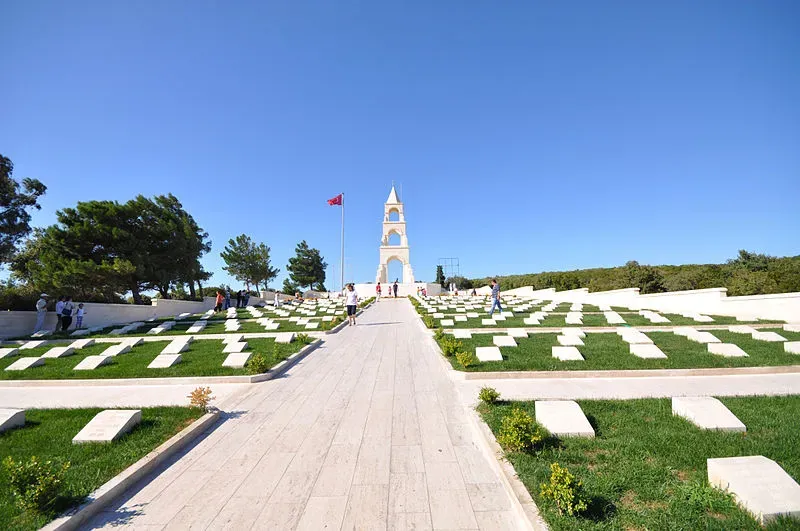
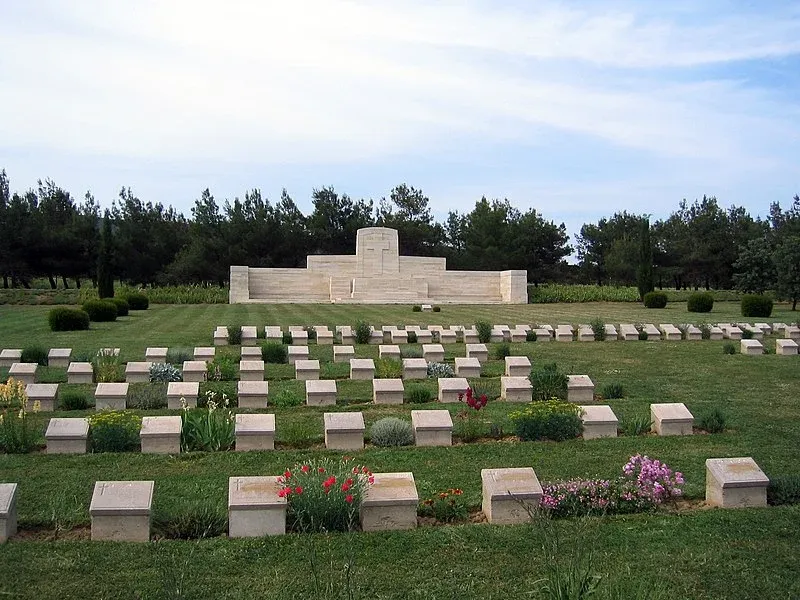
Visitors can explore the Gallipoli Peninsula Historical Site, a protected area preserving the battlefields and memorials. Key sites include Anzac Cove, where Australian and New Zealand troops landed, now marked by a serene memorial and cemetery. Nearby, Lone Pine Cemetery commemorates the fierce fighting for a single pine tree, while Chunuk Bair offers panoramic views of the Dardanelles and honours the New Zealand troops who fought there.
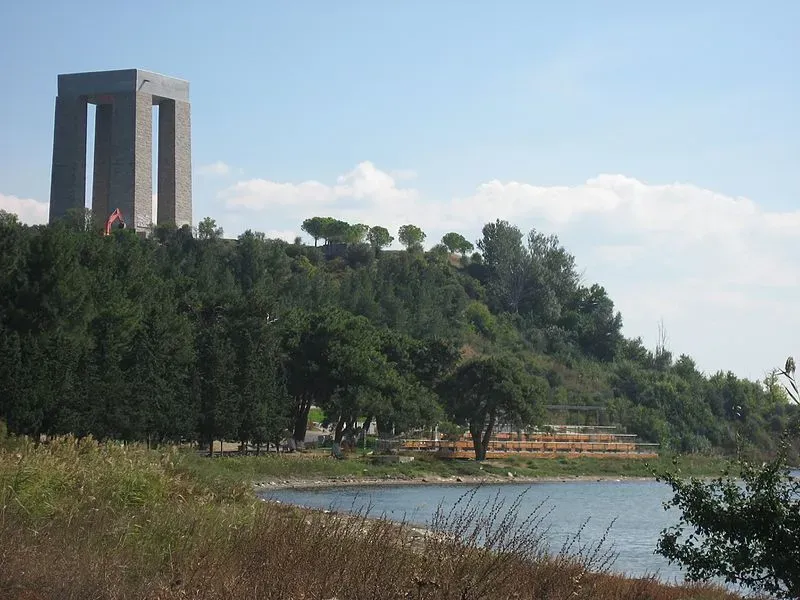
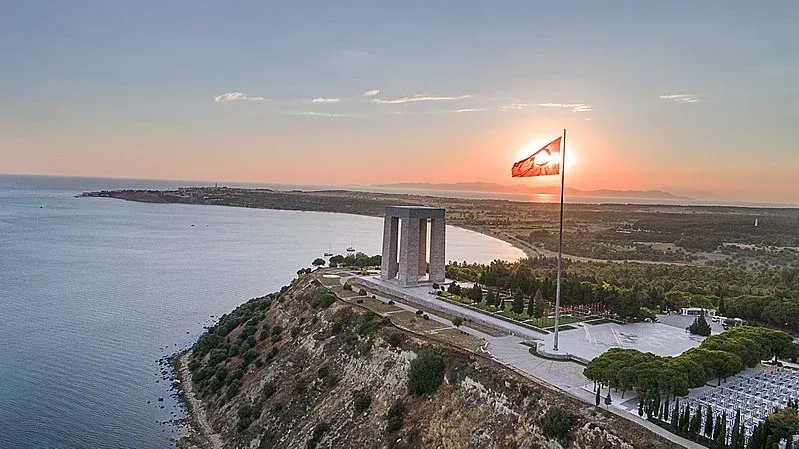
The Çanakkale Martyrs Memorial at Hisarlık Burnu, above Morto Bay, is a monumental structure dedicated to the Ottoman soldiers who died defending the straits. Its towering columns provide a solemn space for reflection. Visitors often walk the preserved trench lines along the Anzac ridges, gaining insight into the harsh conditions endured by soldiers during the eight-month campaign. These sites are maintained with great care to ensure historical accuracy and respect.
The Çanakkale Epic Promotion Centre near Kabatepe provides essential context for the battlefield visits. It houses artefacts, uniforms, and documents recovered from the battlefields, offering a detailed narrative of the campaign. The museum’s location near the landing sites makes it an ideal starting point for understanding the geography and strategy of the war. Educational displays help visitors appreciate the scale of the conflict and the personal stories of those involved.
Beyond the main battlefields, the peninsula offers scenic drives along the Aegean coast and the Dardanelles. The village of Eceabat serves as a convenient base for exploring the northern sites. Visitors can also see the Cape Helles Memorial, a 30-metre obelisk commemorating the British and Commonwealth forces who fought on the peninsula. The landscape itself, with its rugged cliffs and olive groves, invites quiet contemplation amidst the historical weight of the area.
Top Sights in Gallipoli Peninsula
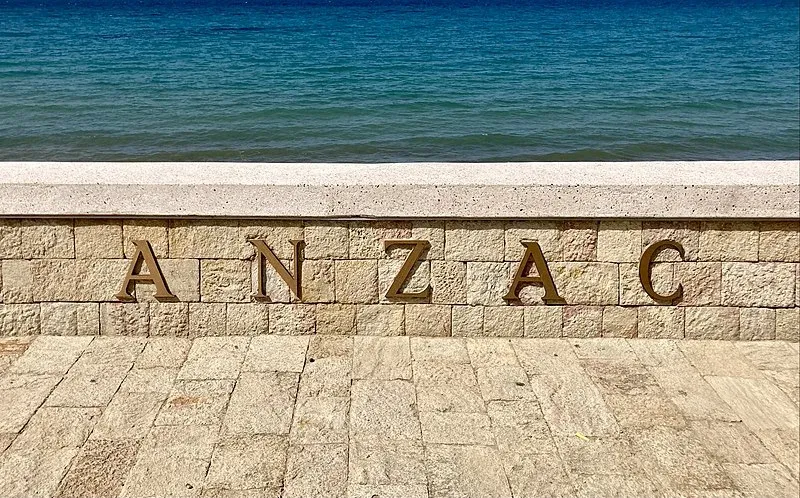
Anzac Cove
The landing site of Australian and New Zealand troops, now a peaceful memorial area with a cemetery overlooking the sea.
Çanakkale Martyrs Memorial
A monumental Turkish memorial at Hisarlık Burnu near Seddülbahir, dedicated to the soldiers who defended the Dardanelles straits.
Lone Pine Cemetery
A significant Anzac cemetery marking the site of intense fighting, named after a lone pine tree found in the area.
Chunuk Bair
A high ridge offering stunning views of the straits, commemorating the New Zealand troops who fought here.
Cape Helles Memorial
A large obelisk at the southern tip of the peninsula, honouring the British and Commonwealth forces of the campaign.
Travel Tips for Gallipoli Peninsula
Getting there: From Çanakkale, car ferries cross the Dardanelles to Eceabat and Kilitbahir, and the 1915 Çanakkale Bridge links the two shores further north. Eceabat is the usual starting point for the battlefields. Hiring a car offers greater flexibility to visit scattered memorials at your own pace.
Best time to visit: Spring (April to June) and autumn (September to October) offer mild weather ideal for walking the battlefields. Late April is particularly busy due to Anzac Day commemorations, so book accommodations well in advance if visiting during this period. Summer can be hot and crowded, while winter may bring rain and closed facilities.
What to wear / bring: Comfortable walking shoes are essential, as many sites involve uneven terrain and steep paths. Bring sun protection, including hats and sunscreen, as shade is limited on the ridges. Carry water and snacks, as services can be sparse between major memorials. Dress respectfully, as these are active cemeteries and places of mourning.
Visiting the site: current opening days and visitor information are on our museum page: Çanakkale Gallipoli (Çanakkale) Epic Promotion Center, Gallipoli Battle Museum.
Day Tours that Visit Gallipoli Peninsula
Guided daily excursions in Canakkale that include Gallipoli Peninsula.


Hotels in Gallipoli Peninsula
Hotels within walking distance of Gallipoli Peninsula — request your room online, we reply within 24 hours.
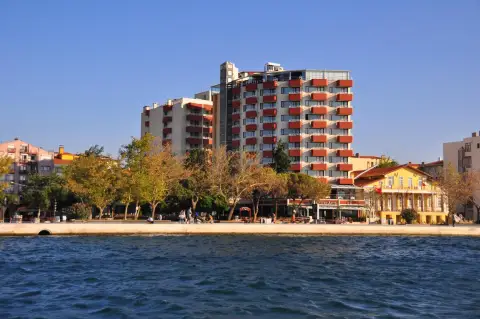
Akol Hotel
★★★★ · 3.9 km from Gallipoli Peninsula
Set Özer Hotel
★★★ · 3.7 km from Gallipoli Peninsula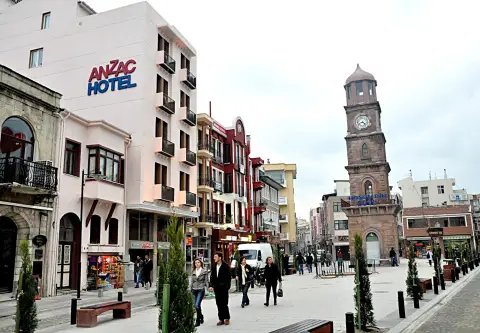
Anzac Hotel
★★★ · 3.7 km from Gallipoli Peninsula
Kule Hotel
★★★ · 3.7 km from Gallipoli Peninsula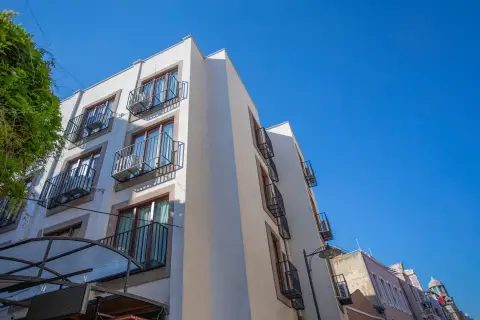
Hotel Kale 17
★★★ · 3.7 km from Gallipoli Peninsula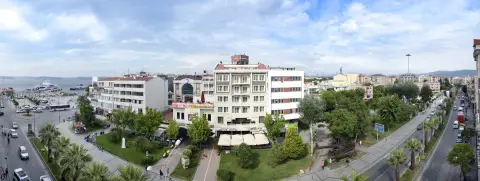
Artur Hotel
★★★ · 3.8 km from Gallipoli Peninsula
Pelit Troya Hotel
★★★ · 3.8 km from Gallipoli Peninsula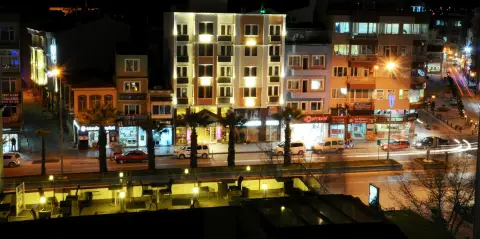
Cetinkaya Hotel
★★★ · 3.8 km from Gallipoli Peninsula
Canak Hotel
★★★ · 3.8 km from Gallipoli Peninsula
Buyuk Truva Oteli
★★★ · 3.9 km from Gallipoli Peninsula
Aybek Ratio Hotel
★★★ · 4.3 km from Gallipoli Peninsula
Aqua Boss Hotel
★★ · 1.1 km from Gallipoli Peninsula
Eceabat Doğa Pansiyon
0.4 km from Gallipoli Peninsula
Boss Hotel 2
0.7 km from Gallipoli Peninsula
Başarır Hotel
0.9 km from Gallipoli Peninsula
Grand Eceabat Hotel
1 km from Gallipoli PeninsulaAirport Transfers to Gallipoli Peninsula
Private door-to-door transfers to Canakkale (Gallipoli) — price per vehicle, one way, meet & greet included.
✈️ Istanbul Airport (IST) → Canakkale (Gallipoli)
Book this transfer →| Vehicle | Passengers | Price (one way) |
|---|---|---|
| Mercedes Vito | up to 5 | €342 |
| Mercedes Sprinter | up to 14 | €453 |
✈️ Sabiha Gokcen Airport (SAW) → Canakkale (Gallipoli)
Book this transfer →| Vehicle | Passengers | Price (one way) |
|---|---|---|
| Mercedes Vito | up to 5 | €470 |
Gallipoli Peninsula – Frequently Asked Questions
Is Gallipoli a single site or a large area?
It is a large historical site encompassing the entire southern tip of the peninsula. Memorials and battlefields are spread across several kilometres, requiring travel between locations.
Can I visit Gallipoli in one day?
Yes, a full day is sufficient to see the major highlights if you start early. However, two days allow for a more reflective and comprehensive exploration of the sites.
Is it appropriate to take photos at the cemeteries?
Photography is generally permitted, but visitors must remain respectful and quiet. Avoid taking selfies or disruptive photos near graves or during ceremonies.
Do I need a guide to understand the history?
While not mandatory, a guide provides valuable context and stories that enhance the experience. Information boards are also available at major sites.
Is Gallipoli suitable for families with children?
Yes, many families visit to teach children about history and peace. The sites are well-maintained, and the museums offer educational content suitable for older children.
Is Gallipoli Peninsula a UNESCO World Heritage Site?
Not yet. Gallipoli Peninsula is part of “Çanakkale (Dardanelles) and Gelibolu (Gallipoli) Battles Zones in the First World War”, which is on UNESCO's World Heritage Tentative List (since 2014). A Tentative List entry is a site Türkiye intends to nominate; it is not yet inscribed.