Eceabat, Canakkale
📍 Eceabat, Canakkale, Turkey
Eceabat is a small town on the Gallipoli Peninsula facing the Dardanelles Strait. It serves as the primary gateway for visitors exploring World War I battlefield sites, memorials, and historic Ottoman castles in the region.

Photos via Wikimedia Commons: Tutku Çetinel (CC BY 3.0) · Sinan Şahin (CC BY 3.0) · Hüseyin Öcal (CC BY 3.0) · Tarih (CC BY-SA 4.0)
History of Eceabat
The area now known as Eceabat was originally the ancient Greek colony of Madytos. Archaeological evidence, including the Kilisetepe Mound, confirms continuous settlement since antiquity. The town’s modern identity emerged after the Ottoman conquest of the region in 1354 under Süleyman Pasha. Its Turkish name is traditionally linked to Ece Bey, one of the commanders of the 14th-century Ottoman crossing into Thrace.
Strategic control of the Dardanelles defined the region’s medieval and early modern history. Sultan Mehmed II commissioned Kilitbahir Castle in 1462 to secure the narrowest point of the strait following the conquest of Istanbul. Later, Süleyman the Magnificent strengthened these defenses with the Sarı Kule tower. These fortifications remained critical for Ottoman maritime security, protecting the capital from naval threats for centuries.
The nineteenth century saw further military architectural developments. Bigali Castle was constructed between 1807 and the reign of Mahmud II, utilizing stones from the abandoned ancient city of Sestos. Seddülbahir Castle, built in 1659 under Mehmed IV, complemented the coastal defenses. These structures reflect the Ottoman Empire’s ongoing efforts to modernize and reinforce its strategic chokepoints against European naval powers.
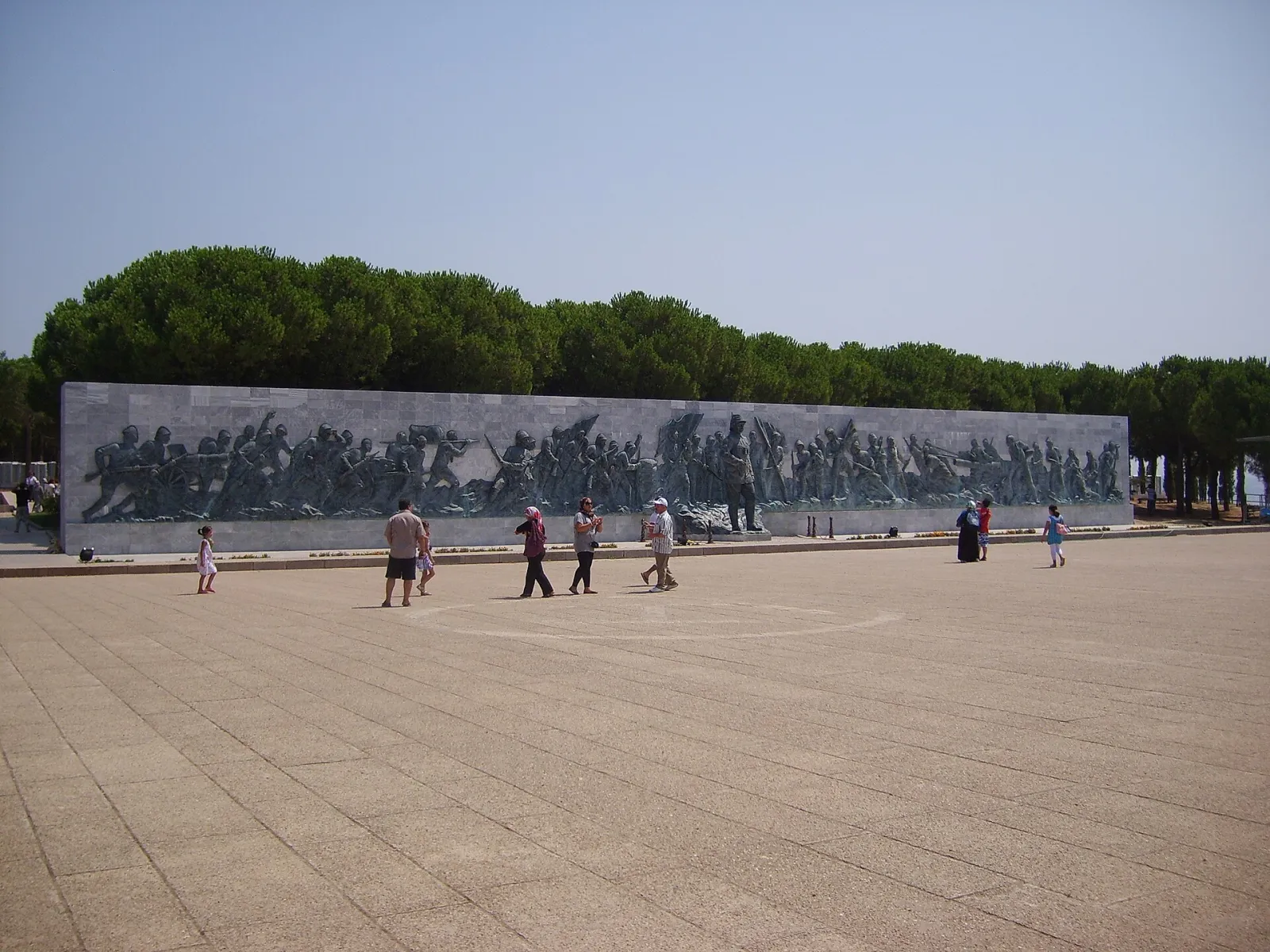
The region’s most significant modern historical event was the Gallipoli Campaign of 1915–1916. Eceabat became a focal point for Allied and Ottoman forces, in which more than 100,000 soldiers on both sides lost their lives. The town’s proximity to key battlefields led to its development as a memorial site. Today, it hosts annual commemorations for Turkish, British, French, Australian, and New Zealand soldiers, preserving the memory of this pivotal World War I conflict.
Things to Do in Eceabat
Visitors primarily come to Eceabat to access the Gallipoli Peninsula National Historic Park. The town serves as the logistical hub for touring the battlefields, cemeteries, and memorials dedicated to the 1915 campaign. Key sites include the various national cemeteries and monuments honoring Turkish, Australian, New Zealand, British, and French forces. The solemn atmosphere and well-maintained grounds offer a profound reflection on the human cost of the war.
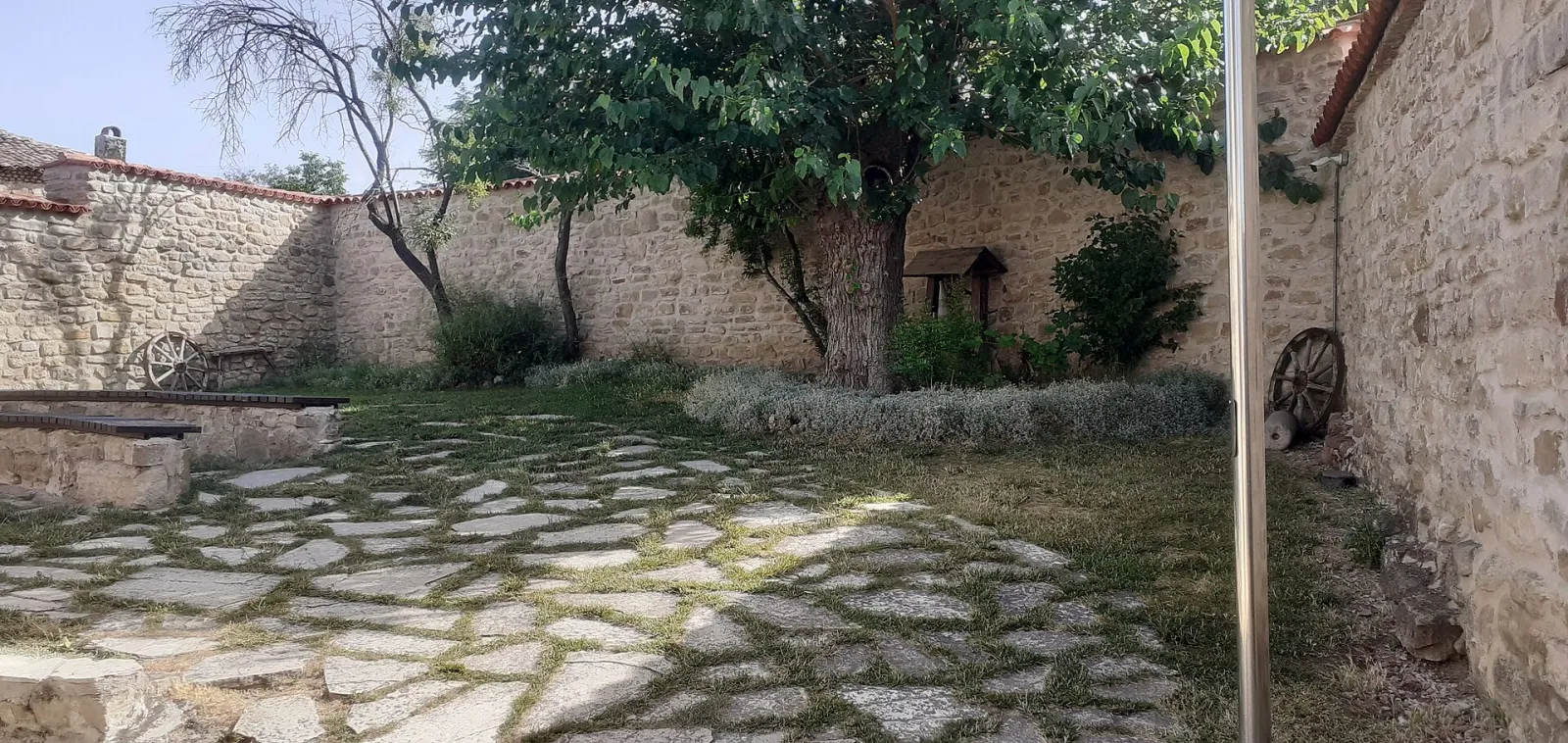
History enthusiasts should explore the Ottoman fortifications surrounding the town. Kilitbahir Castle, located south of Eceabat, features a unique heart-shaped layout and a military museum. Bigali Castle, built in the early nineteenth century, showcases Ottoman military architecture and incorporates stones from ancient Sestos. Seddülbahir Castle, situated at the peninsula’s tip, provides another example of seventeenth-century coastal defense engineering.
The ancient site of Madytos is marked by the Kilisetepe Mound within the town. While the Greek Orthodox church that once stood there was demolished in 1923, the mound remains an archaeological landmark. Nearby, the village of Yalova sits on the site of ancient Sestos, where visitors can trace the historical layers of Greek, Ottoman, and modern Turkish presence along the Dardanelles.
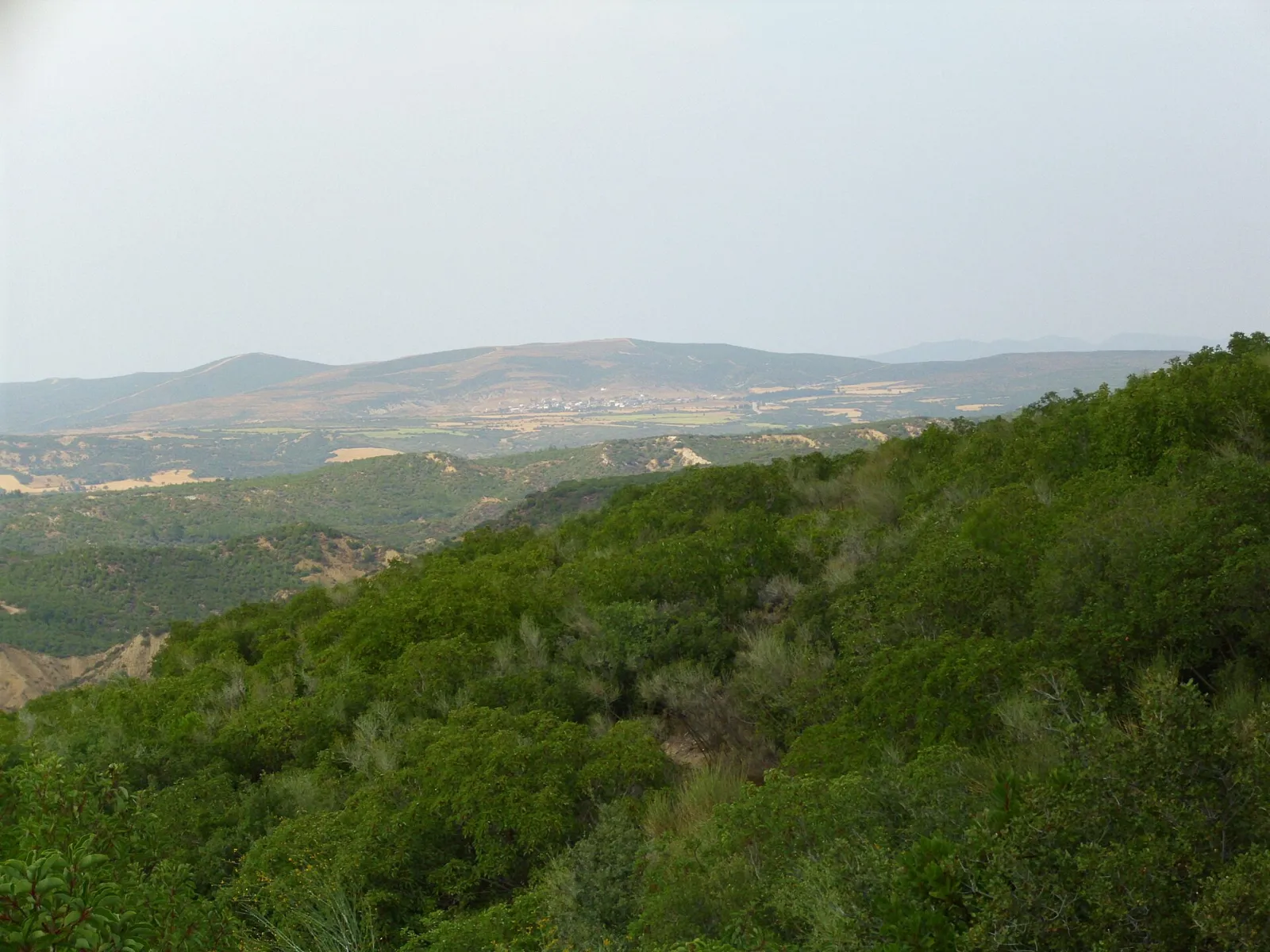
Eceabat is also the starting point for the annual Hellespont swim, a challenging open-water event across the strait. For those preferring land-based activities, the town offers a quiet base for exploring the peninsula’s natural landscapes and historical sites. The proximity to Çanakkale allows for easy ferry crossings, enabling visitors to combine battlefield tours with visits to the Troy archaeological site and the Çanakkale Naval Museum.
Top Sights in Eceabat
Gallipoli Battlefields
The primary reason for visiting Eceabat is its proximity to the WWI battlefields. The area is dotted with memorials and cemeteries honoring soldiers from multiple nations.
Kilitbahir Castle
Commissioned by Mehmed II in 1462 about 7 km south of Eceabat, this fortress has a unique heart-shaped inner keep and faces Çanakkale across the narrowest point of the strait.
Bigali Castle
Built in the early 19th century using stones from ancient Sestos. It represents late Ottoman military architecture and is located just 5 km from Eceabat.
Kilisetepe Mound
This archaeological site marks the location of the ancient Greek colony of Madytos. It is a key historical landmark within the modern town of Eceabat.
Seddülbahir Castle
Constructed in 1659, this castle guards the tip of the Gallipoli Peninsula. It complements the other fortifications in the region’s coastal defense network.
Travel Tips for Eceabat
Getting there: Eceabat is accessible by ferry from Çanakkale, which connects to major cities like Istanbul and Izmir via bus or car. The ferry ride across the Dardanelles is short and offers scenic views of the strait and surrounding fortifications.
Best time to visit: Spring and autumn provide mild weather ideal for exploring outdoor historical sites. Late April is particularly busy due to ANZAC Day commemorations, while mid-March sees increased traffic for Turkish Victory Day events.
What to wear / bring: Comfortable walking shoes are essential for touring the uneven terrain of battlefields and castles. Bring sun protection and water, as many sites are exposed with limited shade. A light jacket is recommended for cooler evenings near the sea.
Visiting the site: current opening days and visitor information are on our museum page: Çanakkale Kilitbahir Castle Museum, Çanakkale Gallipoli (Çanakkale) Epic Promotion Center.
Day Tours that Visit Eceabat
Guided daily excursions in Canakkale that include Eceabat.



Hotels in Eceabat
Hotels within walking distance of Eceabat — request your room online, we reply within 24 hours.
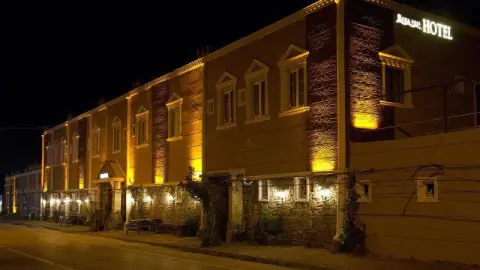
Aqua Boss Hotel
★★ · 0.7 km from Eceabat
Boss Hotel
0.1 km from Eceabat
Hotel Deniz
0.4 km from Eceabat
Hotel Ejder
0.5 km from Eceabat
Doyuranlar Ata Hotel
0.6 km from Eceabat
Bengodi Boutique Hotel
0.9 km from Eceabat
Başarır Hotel
0.9 km from Eceabat
Etruscan Boutique Hotel
1 km from Eceabat
Eceabat Sakli Bahçe Apart Pansiyon
1 km from Eceabat
Grand Eceabat Hotel
1 km from Eceabat
Boss Hotel 2
1.1 km from Eceabat
Eceabat Doğa Pansiyon
1.4 km from EceabatAirport Transfers to Eceabat
Private door-to-door transfers to Eceabat (Canakkale) — price per vehicle, one way, meet & greet included.
✈️ Istanbul Airport (IST) → Eceabat (Canakkale)
Book this transfer →| Vehicle | Passengers | Price (one way) |
|---|---|---|
| Mercedes Vito | up to 5 | €369 |
✈️ Sabiha Gokcen Airport (SAW) → Eceabat (Canakkale)
Book this transfer →| Vehicle | Passengers | Price (one way) |
|---|---|---|
| Mercedes Vito | up to 5 | €464 |
Eceabat – Frequently Asked Questions
Why is Eceabat significant for tourists?
Eceabat is the nearest town to the Gallipoli Campaign battlefield sites. It serves as the main base for visitors exploring WWI memorials and cemeteries.
What is the historical name of Eceabat?
The town was originally known as Madytos, an ancient Greek colony. Its Turkish name is traditionally linked to Ece Bey, a commander of the 14th-century Ottoman crossing.
Are there Ottoman castles near Eceabat?
Yes, Kilitbahir Castle is about 7 km south and Bigalı Castle about 5 km away. Seddülbahir Castle is also nearby, all built to defend the Dardanelles.
When are the major commemorations held?
Significant events occur on 18 March for Turkish Victory Day and 25 April for ANZAC Day. These dates attract large numbers of visitors and ceremonies.
Can I swim across the Dardanelles from Eceabat?
Eceabat is the departure point for the annual Hellespont swim to Çanakkale. This is a specialized event, not a casual swimming location.