Erythrae
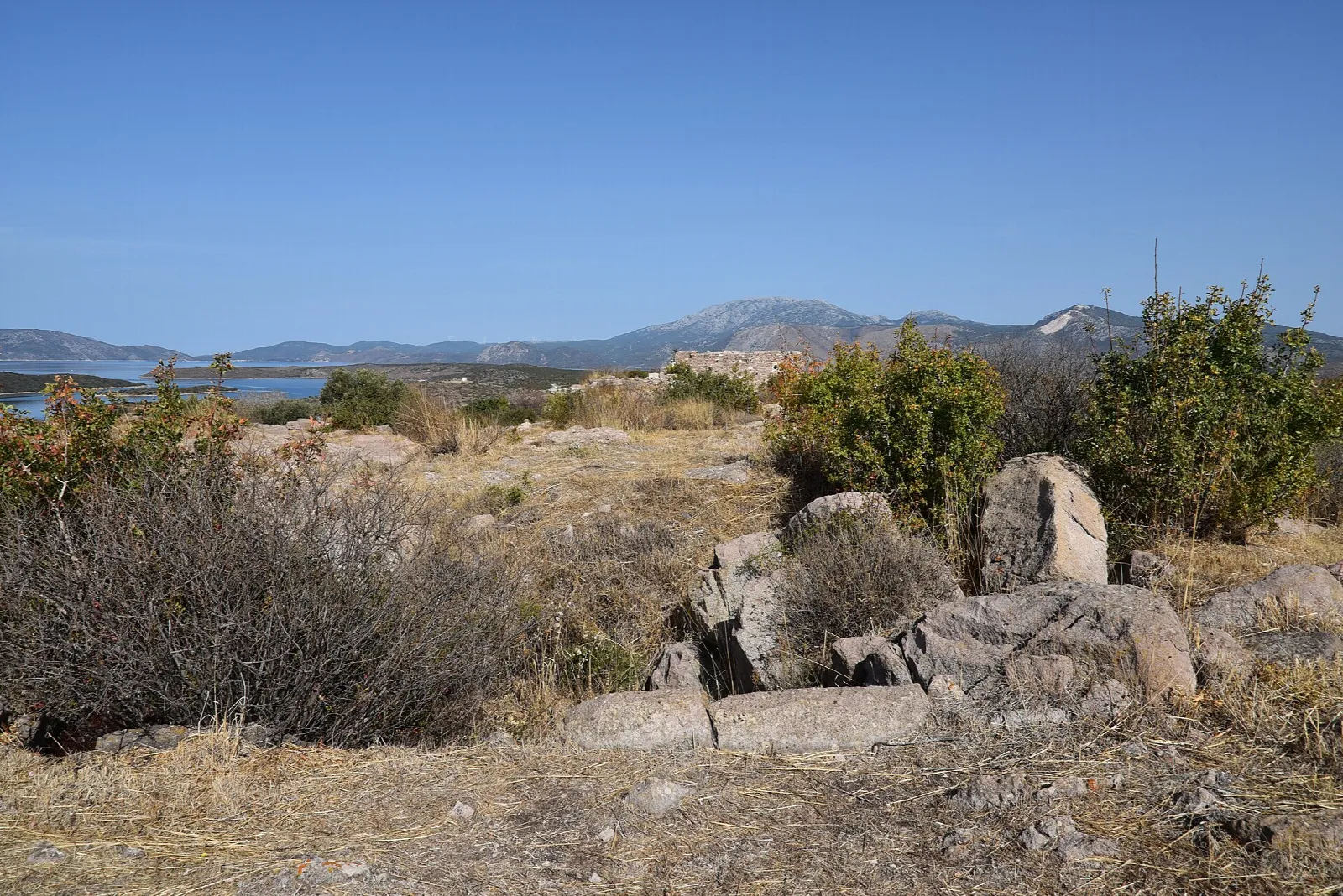
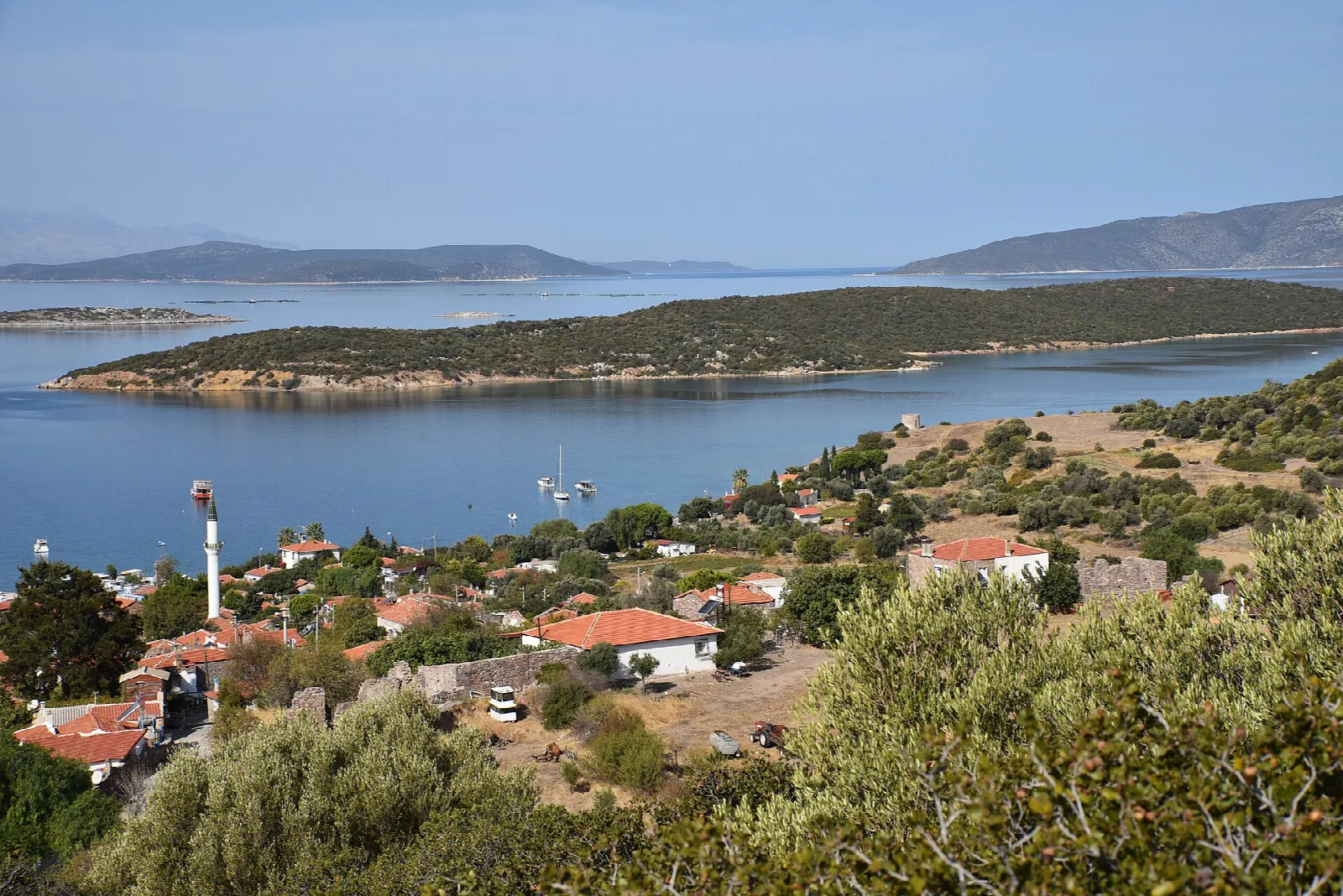
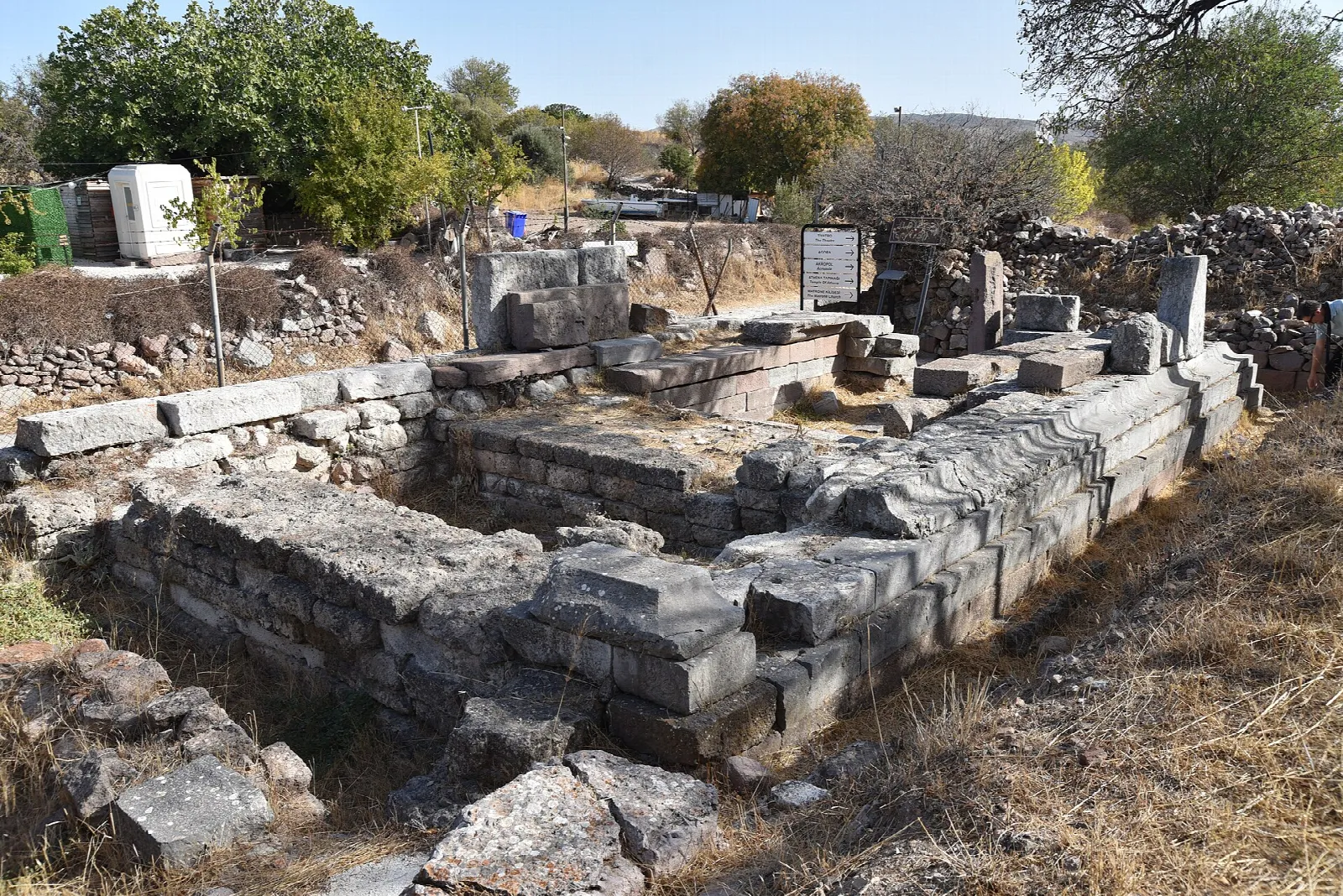
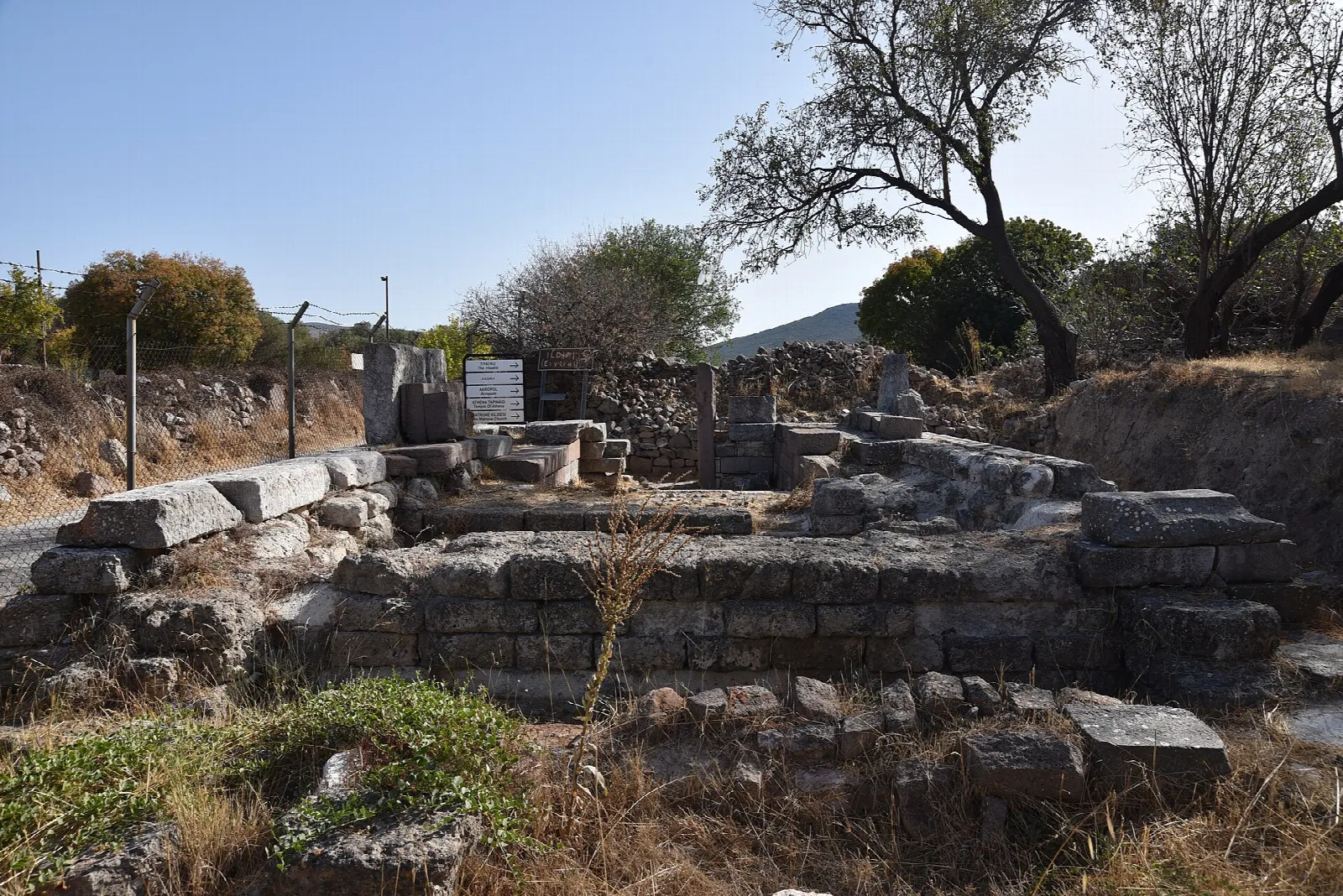
Photos: Following Hadrian, CC BY-SA 2.0 — via Wikimedia Commons
Explore the ancient ruins of Erythrae in İzmir, a former Ionian city and home to the Erythraean Sibyl, located near Ildırı.
ℹ️ About Erythrae
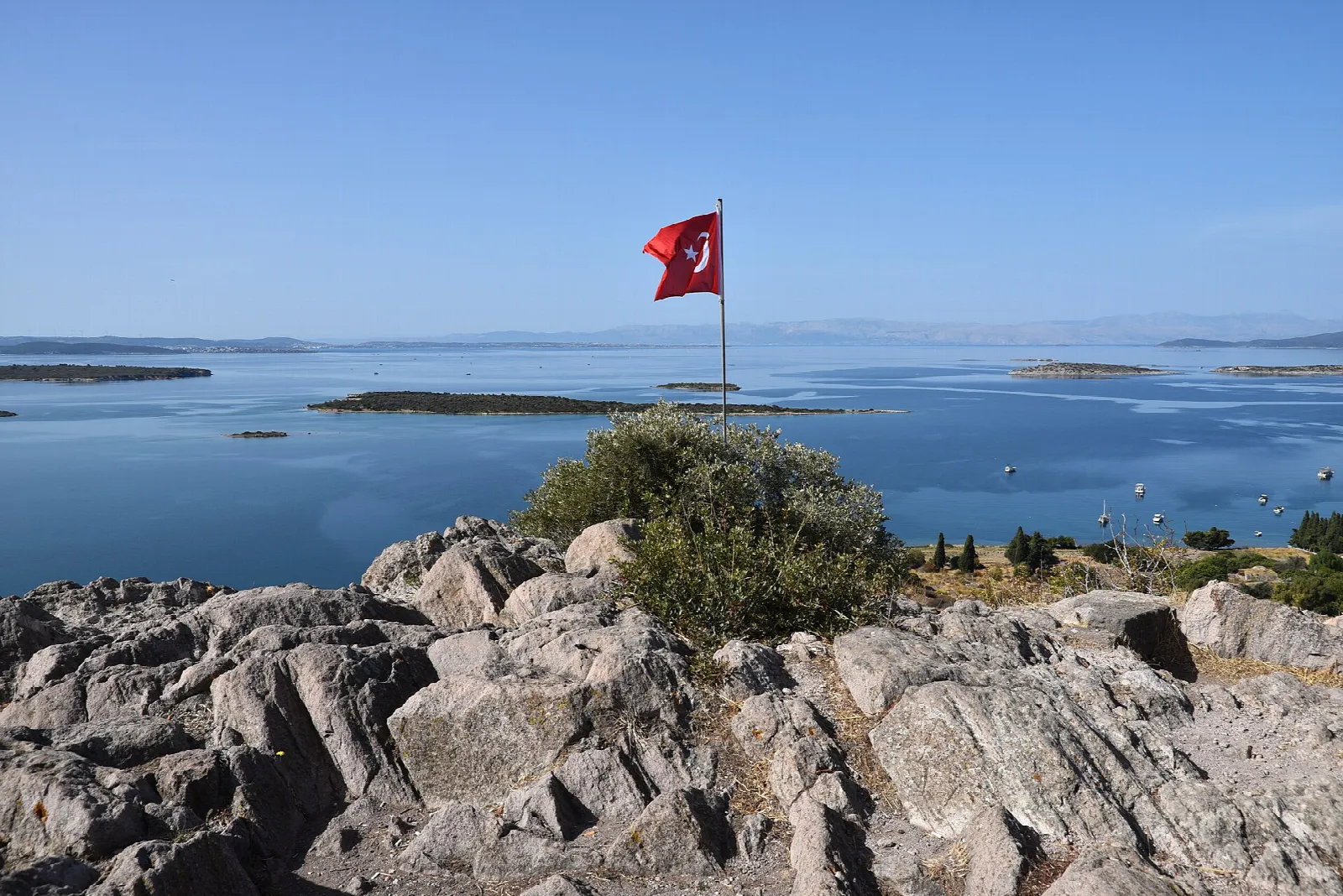
Erythrae, also known as Erythrai or Lythri, is an ancient archaeological site located in the Çeşme district of İzmir Province, Turkey. Situated on a small peninsula stretching into the Bay of Erythrae, the ruins lie north of the modern town of Ildırı. This location was historically significant as one of the twelve Ionian cities of Asia Minor, positioned directly opposite the island of Chios and equidistant from the mountains Mimas and Corycus.
The site offers a glimpse into the region's rich past, from its origins as a Cretan, Carian, and Lycian settlement to its later development under Ionian influence. Visitors can explore the remnants of this ancient city, which was once renowned for its wine production and as the seat of the famous Erythraean Sibyl. The archaeological zone is integrated within the settlement area of the present-day Turkish village, allowing for a unique cultural experience.
History
According to Pausanias, the city was founded by Erythrus, son of Rhadamanthus, who arrived with Cretans, Carians, and Lycians. Later, Knopos, son of Codrus, established an Ionian colony there. In the 7th century BC, Erythrae joined the Pan-Ionian League and fought a war against Chios. The city was never large, sending only eight ships to the Battle of Lade, and was subject to Athenian supremacy before revolting during the Peloponnesian War. It later allied with Mausolus and signed a treaty with Hermias, Tyrant of Assus.
In 334 BC, Alexander the Great restored the city's freedom and reportedly planned a canal through the peninsula. Oracles at Erythrae later confirmed Alexander as the son of Zeus. Under Roman rule, following the bequest of the Pergamene kingdom in 133 BC, Erythrae flourished as a free city. It was renowned for wine, goats, timber, millstones, and its prophetic sibyls. However, its importance faded after earthquakes in the 1st century AD, though it saw some revival under the Byzantine Empire, with bishops attested from 431 to 1292.
What to See
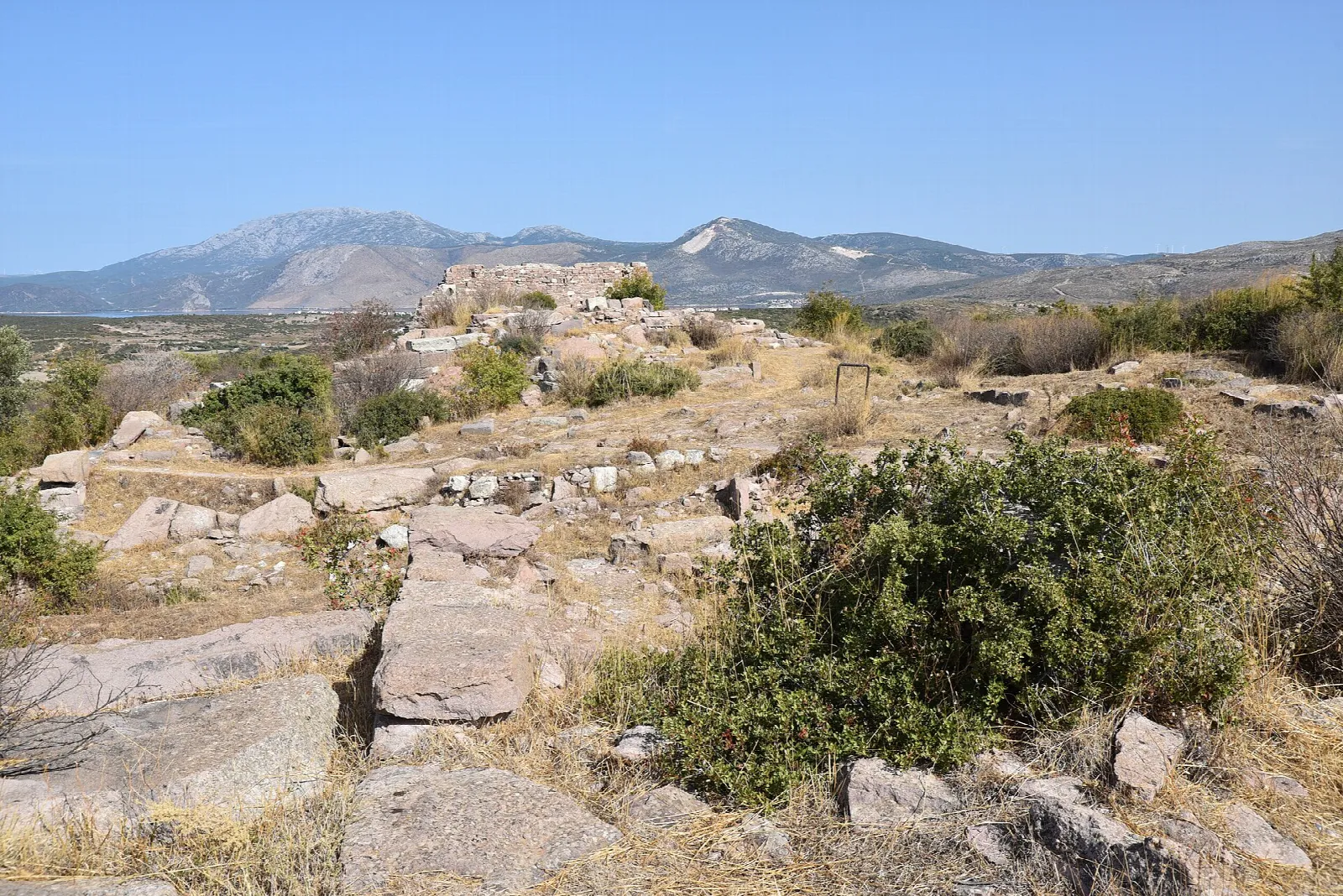
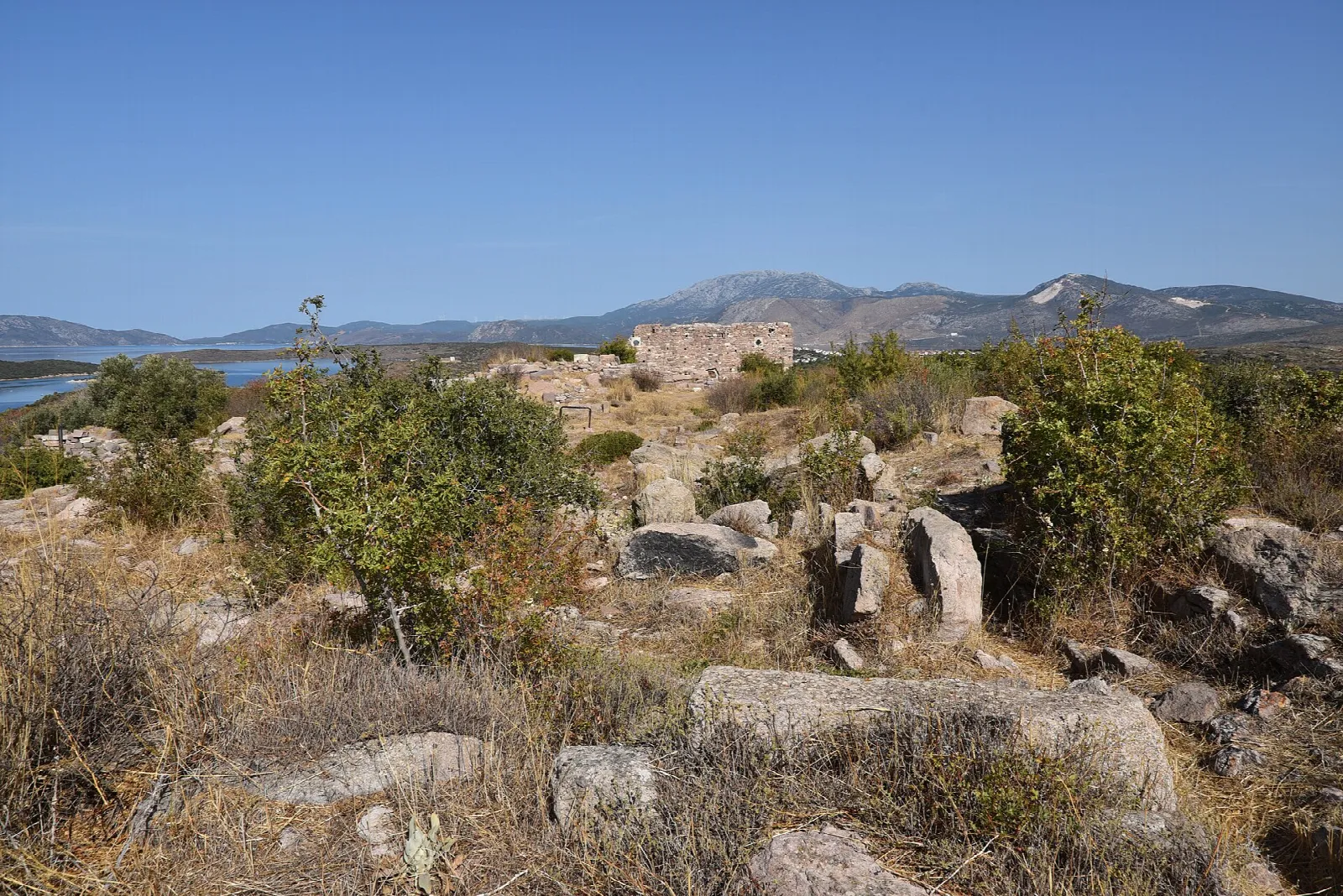
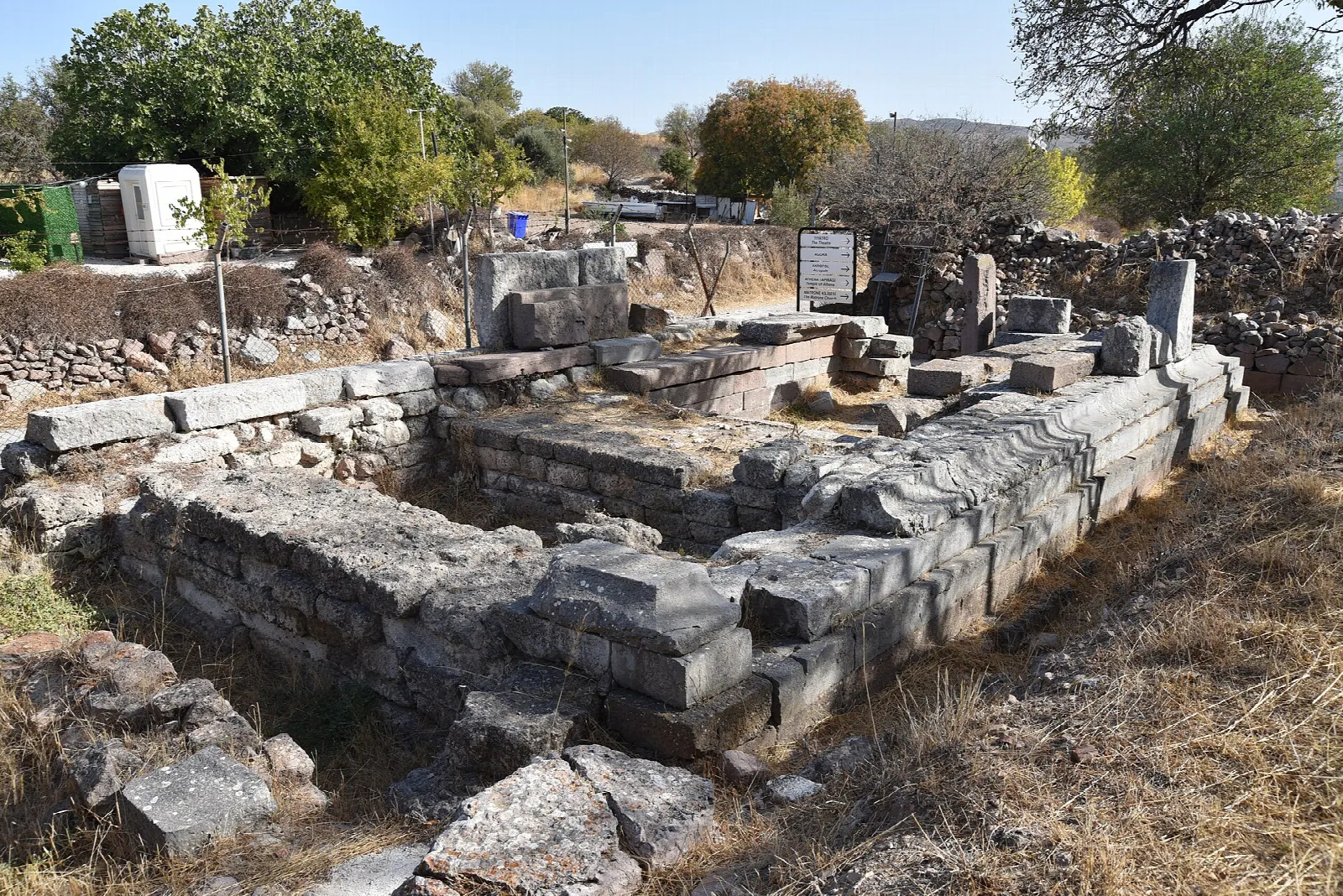
The archaeological site is situated within the settlement zone of the modern village of Ildırı. Explorations in the 1960s revealed significant findings, though the site has remained somewhat unattended since. Visitors can observe well-preserved Hellenistic walls featuring towers, with five of these towers still visible today. The acropolis, standing at 280 feet, hosts a theatre on its northern slope.
- Hellenistic defensive walls and five visible towers
- The acropolis with its northern theatre
- Remains of Byzantine buildings located to the east
- The ancient harbour area, historically known as Cissus
Visiting Tips
Wear comfortable shoes suitable for walking on uneven ancient terrain and bring sun protection, as the site is exposed. Since the ruins are located within a living village, please respect local residents and maintain a quiet demeanor.
Combine your visit with nearby sights in the Çeşme district. The site is approximately 22 km from the port of Çeşme, making it a convenient addition to a broader regional tour.
Hotels near Erythrae
- Muup Resort Çeşme 0.9 km
- Albayrak Hotel 7.5 km
- Gaia By The Sea 9.8 km
- Sifne Termal Hotel 10.0 km
More Museums in İzmir

Erythrae – Frequently Asked Questions
What is Erythrae?
Erythrae, also known as Erythrai or Lythri, is an ancient archaeological site located in the Çeşme district of İzmir Province, Turkey.
Where is Erythrae located?
Erythrae is in Çeşme, İzmir, Turkey.
Do children need a ticket at Erythrae?
Children aged 0–6 enter Erythrae free of charge. Visitors aged 7 and over need a full ticket.
What other museums can I visit in İzmir?
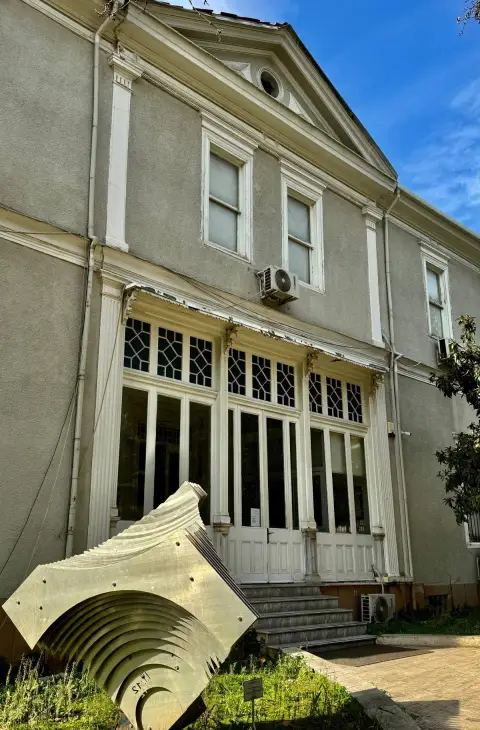
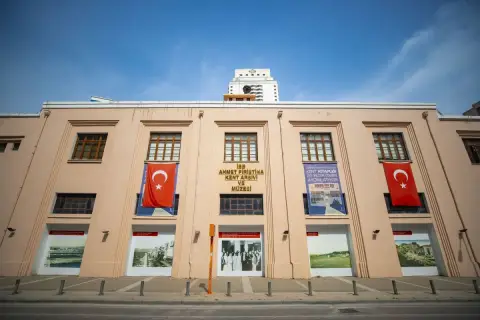
Other museums in İzmir include Ahmet Pristina City Archive & Museum, Ege University Ethnography Museum and Ege University Paper and Book Arts Museum.