Selçuk, Izmir
📍 Selçuk, Izmir, Turkey
Selçuk is a historic town in İzmir Province, Turkey, serving as the gateway to the ancient city of Ephesus. Travellers visit to explore the Temple of Artemis, the House of the Virgin Mary, and significant Seljuk and Ottoman architectural heritage.
History of Selçuk
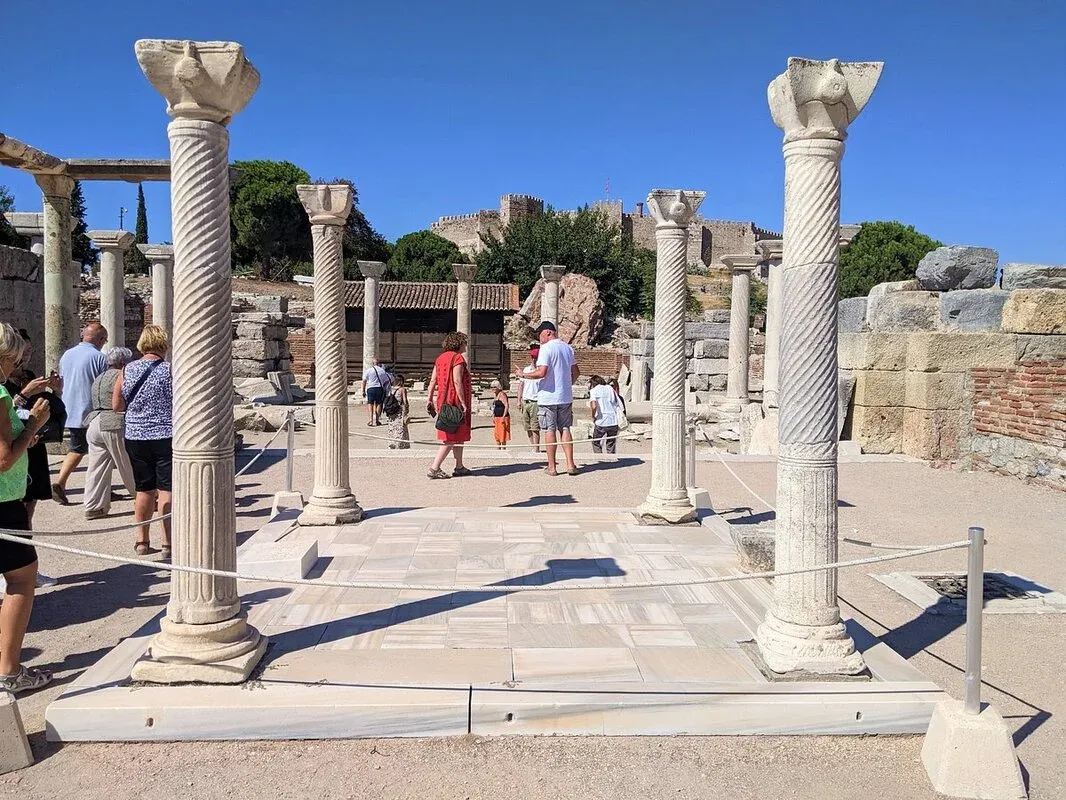
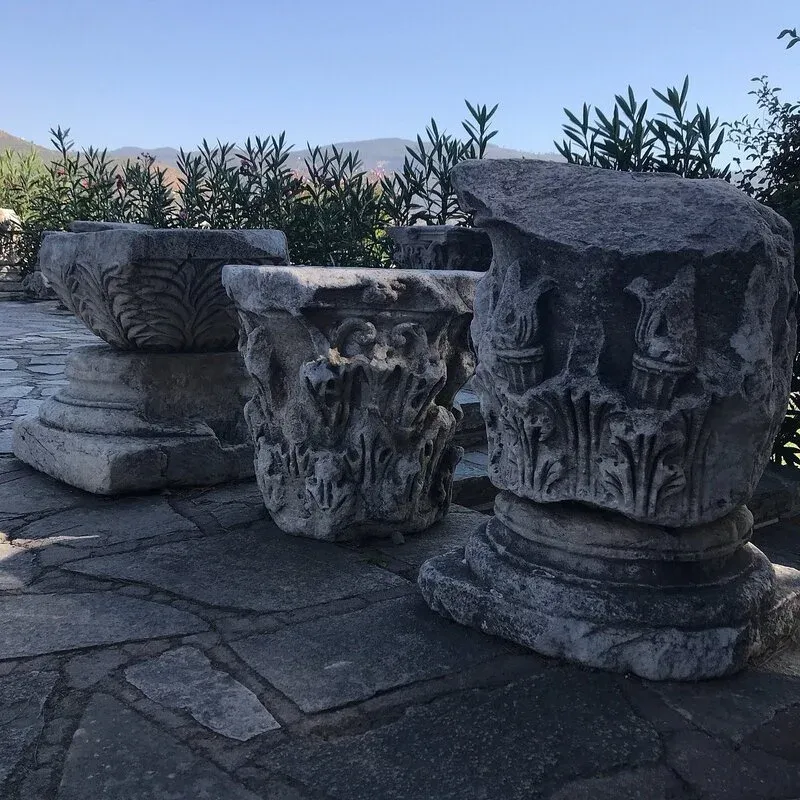
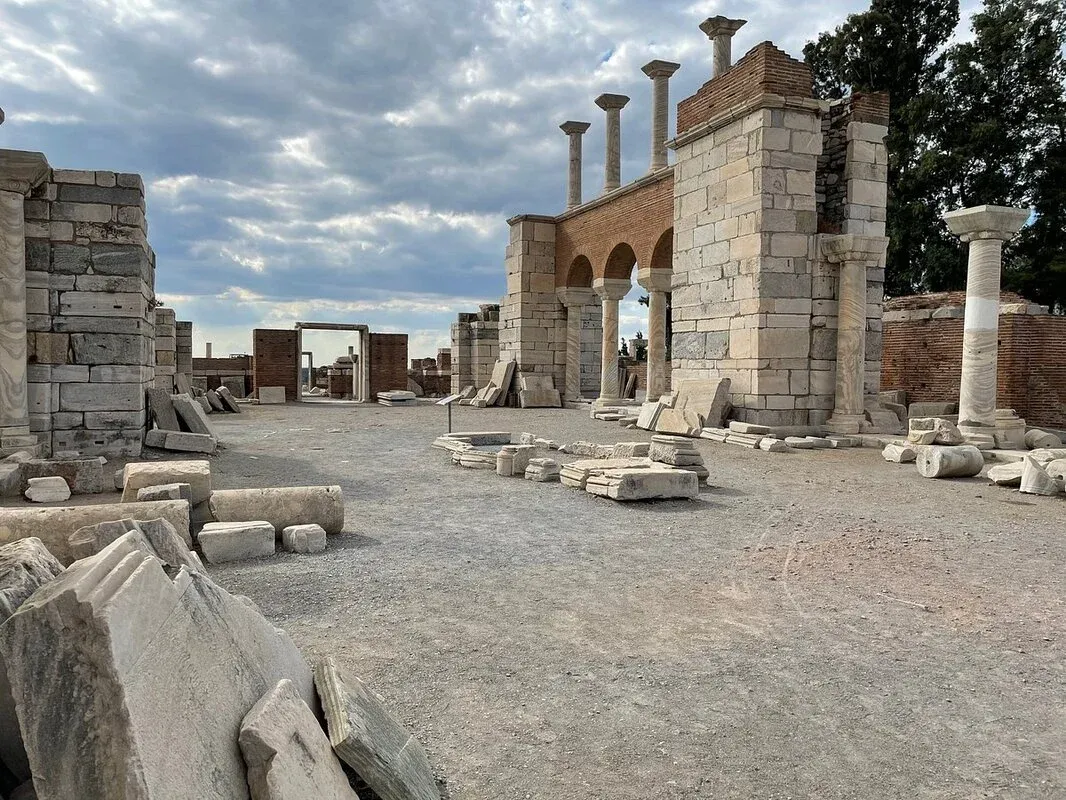
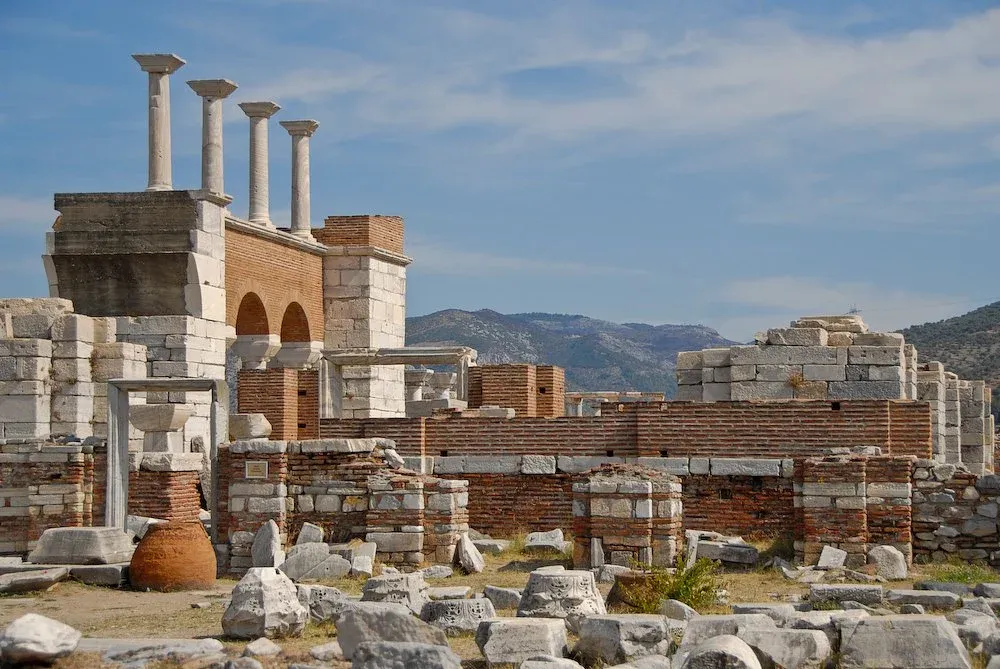
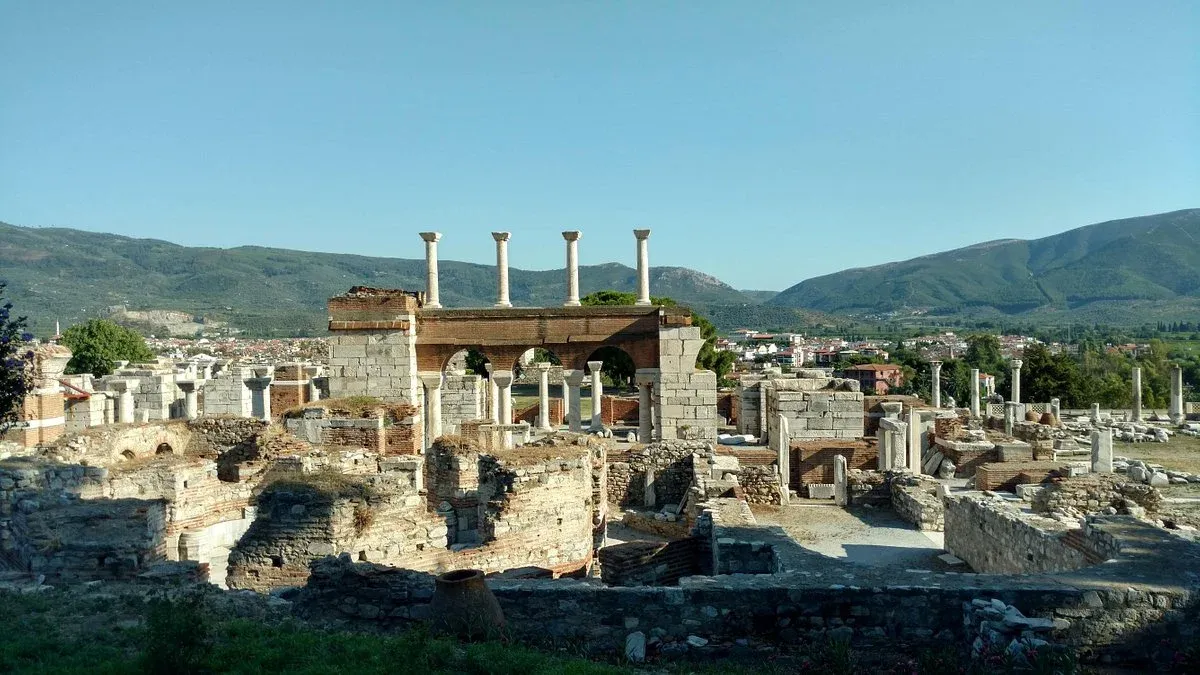
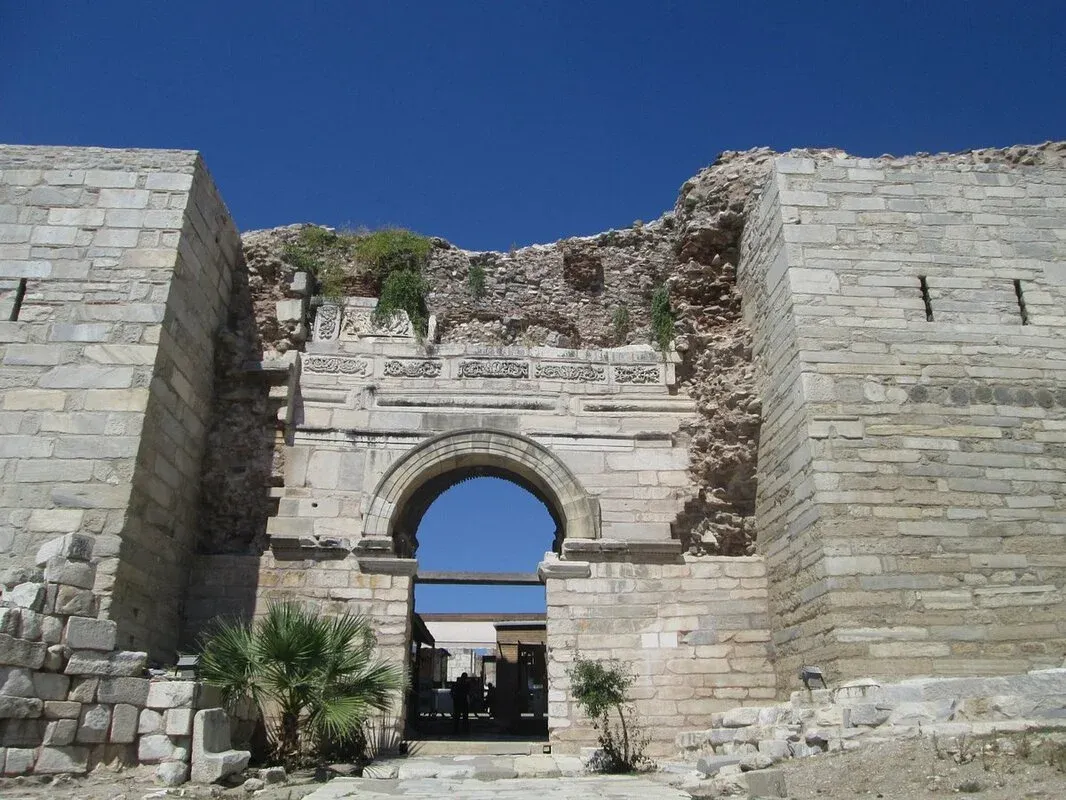
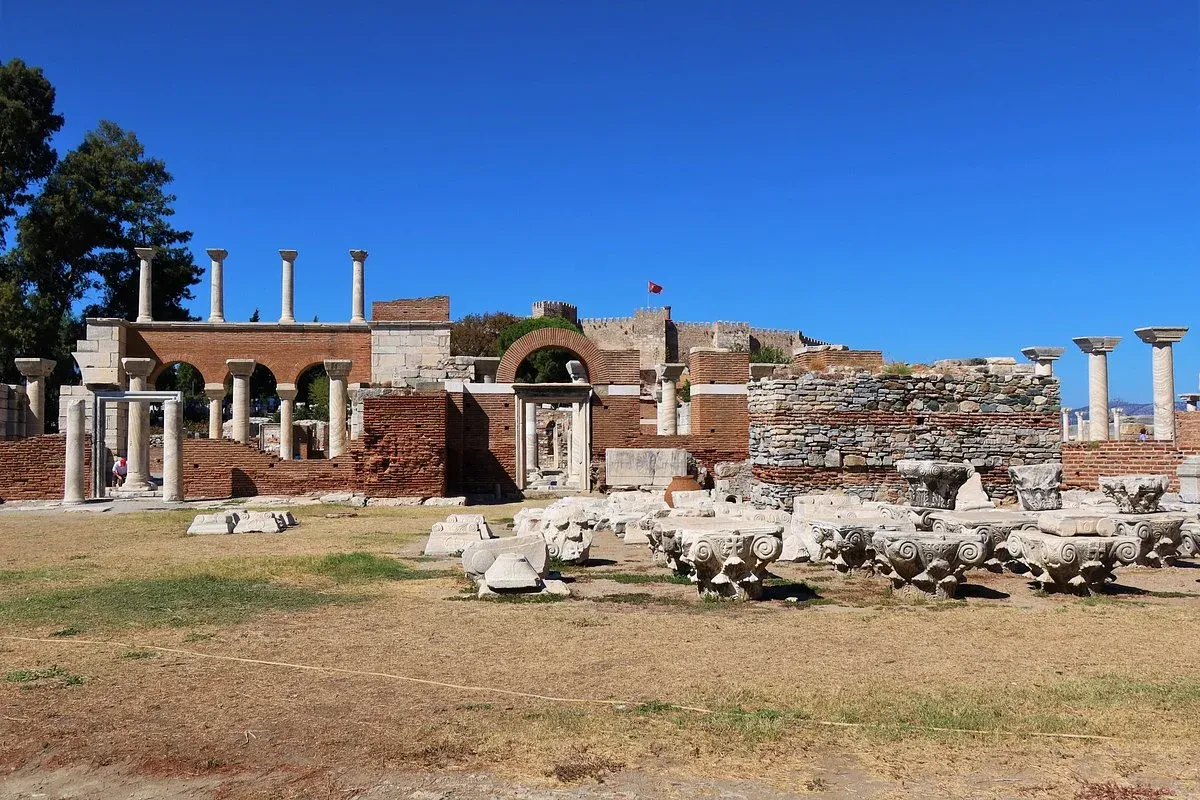
The area was originally known as Agios Theologos, meaning Holy Theologian, referring to the Apostle John. Emperor Justinian I erected a basilica here in his honour, leading to the corrupted name Ayasoluk. This site became a major pilgrimage destination in the Byzantine era, with the Basilica of Saint John the Theologian standing as a testament to early Christian devotion. The structure was later damaged during conflicts involving the Seljuks and Aydinids before undergoing modern excavation.
In the fourteenth century, the town served as the capital of the Beylik of Aydin. The renowned traveller Ibn Battuta visited during this period and praised the congregational mosque as one of the most magnificent in the world. This era marked a significant shift in the region's political and cultural landscape, blending Islamic architecture with the existing historical foundations of the ancient city nearby.
Under the Ottoman Empire, the settlement retained the name Ayasoluk until 1914, when it was renamed Selçuk. The new name honoured the Seljuk Turks, who had first led incursions into the region in the eleventh century. This renaming reflected the broader national identity and historical narrative being constructed during the final years of the empire and the early Republican period.
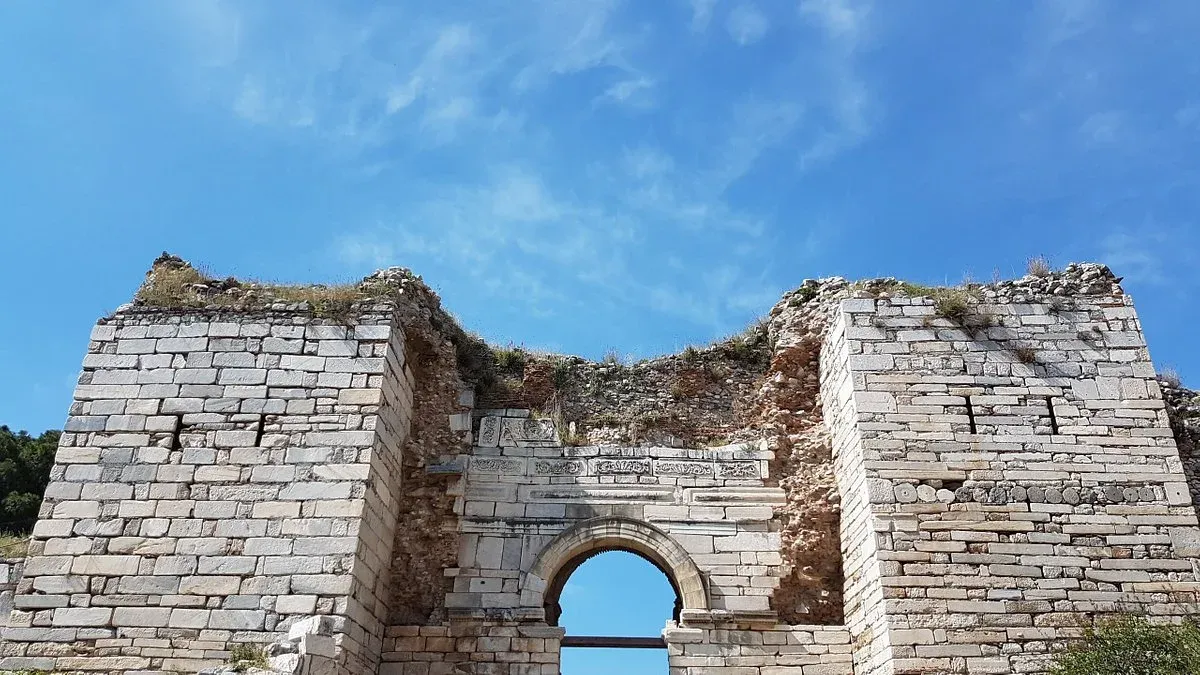
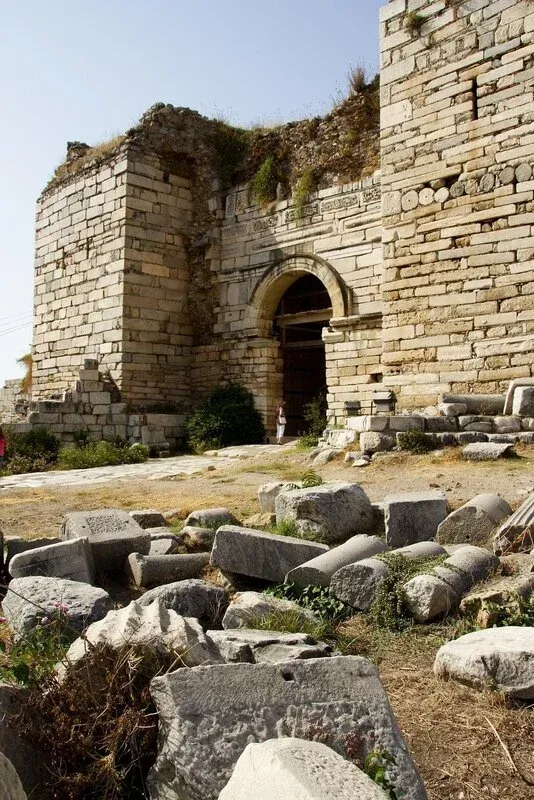
Administratively, Selçuk was a township within the Kuşadası district until 1957, when it was elevated to district status. The old quarter retains traditional Turkish culture, dominated by Ayasuluk Hill. This hill features the Grand Fortress and the Isa Bey Mosque, built by the Aydinids in 1375. The hill itself is part of the Ephesus UNESCO World Heritage Site, linking the medieval town directly to its ancient predecessor.
Things to Do in Selçuk
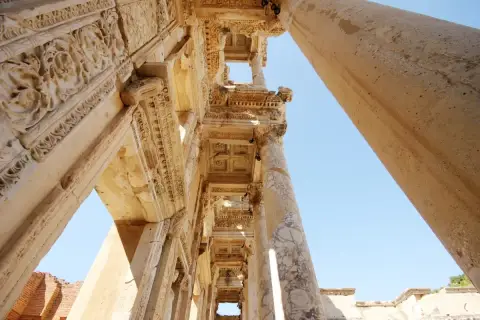
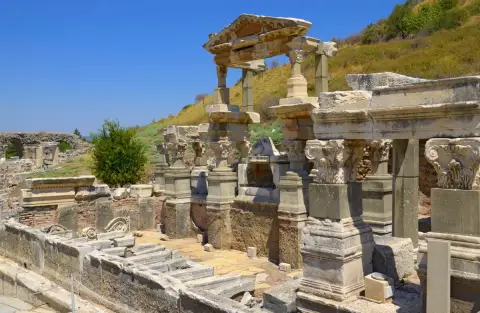
The primary attraction is the ancient city of Ephesus, located about three kilometres from the centre of Selçuk. Visitors can walk the marble streets, view the Library of Celsus, and explore the Great Theatre. The site offers a profound insight into Roman urban planning and daily life, with well-preserved structures that transport travellers back to antiquity.
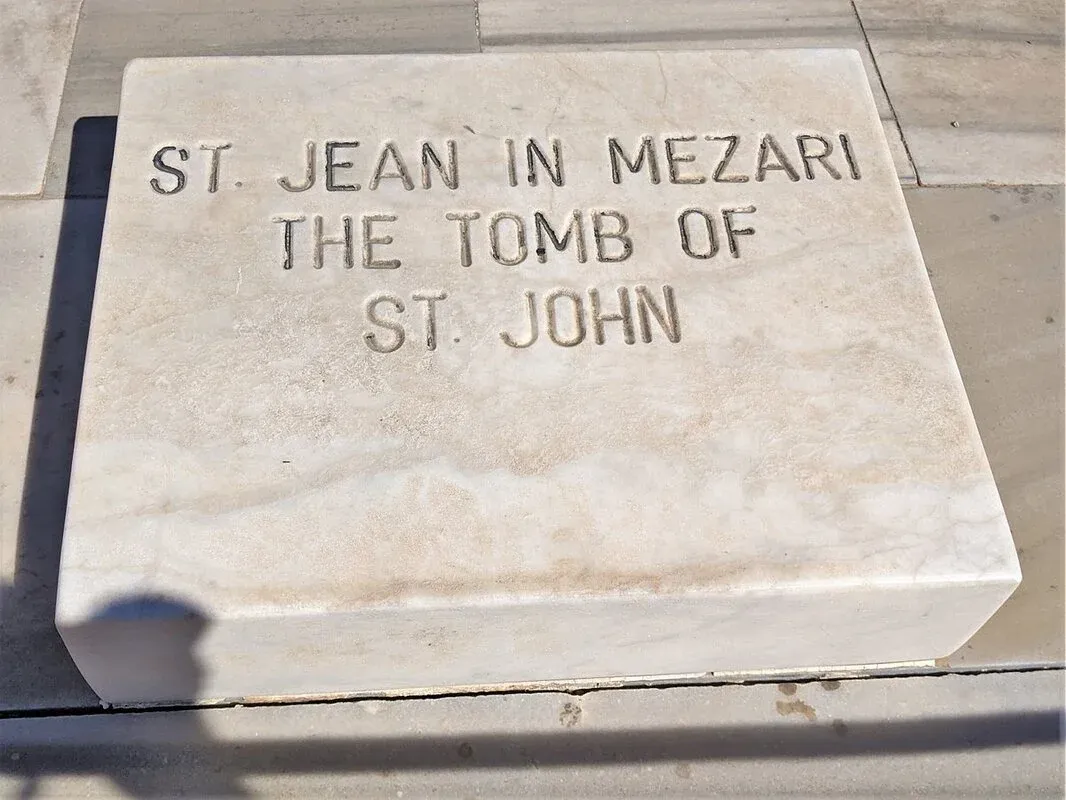
Within the town, the Basilica of Saint John the Theologian ruins are a key historical site. Excavated in 1927, the basilica is believed to be built on the Apostle's tomb. Nearby, the Isa Bey Mosque on Ayasuluk Hill showcases exquisite Aydinid architecture from the fourteenth century, offering a contrast to the ancient ruins.
For those interested in religious history, the House of the Virgin Mary is a short drive away. Revered by both Christians and Muslims, it is believed by many to be the last home of Mary, the mother of Jesus. The serene atmosphere and historical significance make it a contemplative stop for many visitors.
Beach lovers can head to Pamucak Beach, also known as Ephesus Beach. This long, open stretch of sand provides a relaxing counterpoint to the archaeological sites, with wide sandy shores and clear waters suitable for swimming and sunbathing.
Top Sights in Selçuk
Ephesus Ancient City
A remarkably preserved Roman city featuring the Library of Celsus and the Great Theatre.
House of the Virgin Mary
A sacred site believed to be the final home of Mary, the mother of Jesus.
Basilica of Saint John
Ruins of a sixth-century basilica built over the tomb of the Apostle John.
Isa Bey Mosque
A fourteenth-century mosque on Ayasuluk Hill showcasing Aydinid architectural style.
Pamucak Beach
A long, open stretch of sandy coastline ideal for relaxation and swimming.
Travel Tips for Selçuk
Getting there: Selçuk is easily reached by regional train from İzmir and its airport, and by frequent dolmuş minibuses from Kuşadası. From the town centre, taxis and dolmuş connect with Ephesus and the House of the Virgin Mary.
Best time to visit: Spring and autumn offer the most comfortable weather for exploring outdoor ruins. Summers can be very hot and dry, so early morning visits to Ephesus are recommended. Winters are cool and rainy, which may affect outdoor plans but offers fewer crowds.
What to wear: Wear comfortable walking shoes with good grip, as ancient stone paths can be uneven and slippery. Light, breathable clothing is essential in summer, while a hat and sunscreen are necessary for sun protection. Modest dress is appreciated when visiting religious sites like the mosque.
Day Tours that Visit Selçuk
Guided daily excursions in Izmir that include Selçuk.
 Day Tour
Shared ★ Popular Tour
Ephesus Tour from Izmir – Virgin Mary's House & Temple of Artemis (Sha...
 Private Day Tour
Private
Private Ephesus Day Tour from Izmir – Guide & Vehicle Only
Private Day Tour
Private Ephesus, Virgin Mary's House & Temple of Artemis Private Tour from Izm...
 Day Tour
Shared
Pergamon Tour from Izmir – Acropolis & Asklepion (Shared)
Day Tour
Shared Ephesus Tour from Izmir – Ephesus Entrance Included (Shared)
 Day Tour
Shared
Kusadasi Horse Safari from Izmir – Forest Ride to Pamucak Beach
 Day Tour
Shared
Kusadasi Boat Trip from Izmir – Aegean Bays & Lunch on Board (Shared)
 Day Tour
Shared
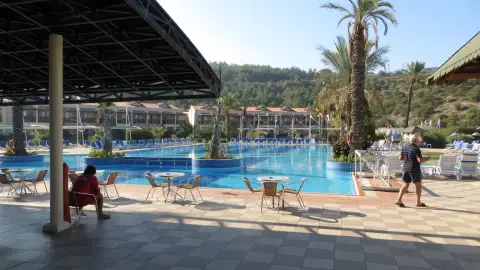
Aqua Fantasy Aquapark Day Trip from Izmir – Pamucak Beach Water Park
 Day Tour
Shared
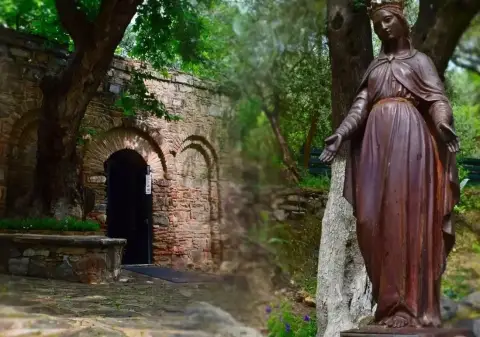
Sunday Mass at the House of the Virgin Mary – Tour from Izmir (Shared)
 Day Tour
Shared
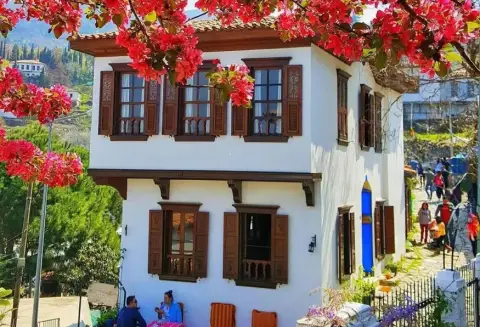
Sirince Village & Selcuk Saturday Market Tour from Izmir (Shared)
 Day Tour
Shared
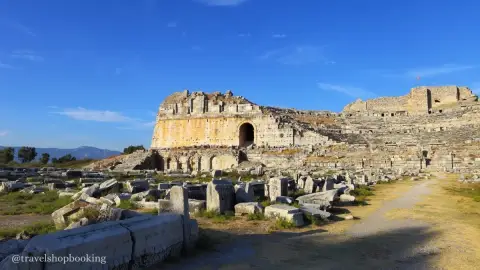
Priene, Miletus & Didyma Tour from Izmir – Temple of Apollo (Shared)
 Day Tour
Shared
Half Day Ephesus Tour from Izmir – Library of Celsus & Temple of Artem...
 Day Tour
Shared
Ephesus Tour from Izmir – Without Entrance Tickets (Shared)
 Private Day Tour
Private
Half Day Ephesus Tour from Izmir – Terrace Houses & Temple of Artemis
Private Day Tour
Private Best of Ephesus Day Tour from Izmir – Terrace Houses & Virgin Mary
 Private Day Tour
Private
Same Day Ephesus & Pamukkale Tour from Izmir – Hierapolis & Travertine...
Hotels in Selçuk
Hotels within walking distance of Selçuk — request your room online, we reply within 24 hours.

Hotel Cenka Ephesus
★★★ · 0.4 km from Selçuk
No 10 Hotel
0.2 km from Selçuk
Pikan Ephesus
0.2 km from Selçuk
Boomerang Guesthouse
0.2 km from Selçuk
Anz Guesthouse pansiyon
0.2 km from Selçuk
Livia Hotel Ephesus
0.2 km from Selçuk
Nicea Hotel
0.2 km from Selçuk
Mekan Villa Otel
0.2 km from Selçuk
Ephesus Centrum Hotel
0.3 km from Selçuk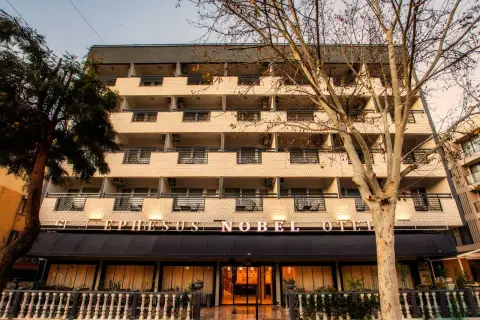
Ephesus Nobel Otel
0.3 km from Selçuk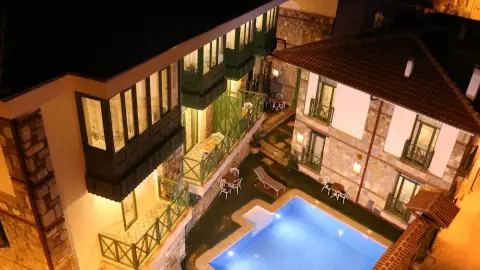
Celsus Butik Otel
0.3 km from Selçuk
Ida Efes
0.3 km from Selçuk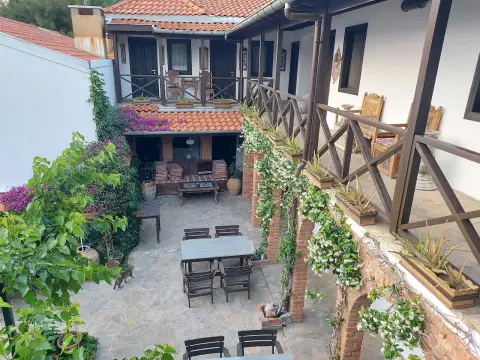
Nilya Hotel
0.3 km from Selçuk
Ayasoluk Butik Otel
0.3 km from Selçuk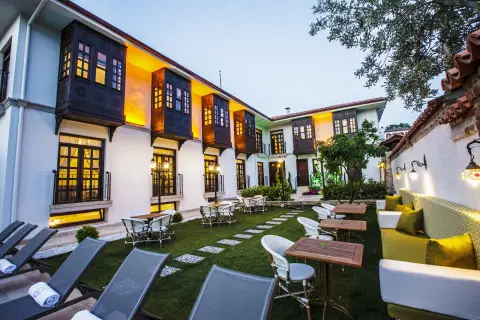
Livia Garden Hotel
0.3 km from Selçuk
Efes Artemis Hotel
0.3 km from SelçukPopular Restaurants in Selçuk
Well-known places to eat in and around Selçuk — ask us to reserve a table for your group.

Airport Transfers to Selçuk
Private door-to-door transfers to Selcuk — price per vehicle, one way, meet & greet included.
✈️ Istanbul Airport (IST) → Selcuk
Book this transfer →| Vehicle | Passengers | Price (one way) |
|---|---|---|
| Mercedes Vito | up to 5 | €726 |
✈️ Sabiha Gokcen Airport (SAW) → Selcuk
Book this transfer →| Vehicle | Passengers | Price (one way) |
|---|---|---|
| Mercedes Vito | up to 5 | €641 |
Selçuk – Frequently Asked Questions
How far is Selçuk from Ephesus?
The centre of Selçuk lies about three kilometres from the main entrances of Ephesus. Taxis and dolmuş minibuses make the short trip, and many visitors simply walk or cycle.
Why is the town called Selçuk?
The town was renamed Selçuk in 1914 to honour the Seljuk Turks. Previously, it was known as Ayasoluk, derived from the Greek name Agios Theologos.
What is the significance of the Basilica of Saint John?
It is believed to be built on the site of the Apostle John's tomb. Emperor Justinian I erected the basilica in the sixth century to honour him.
Is Selçuk part of a UNESCO World Heritage Site?
Yes, Ayasuluk Hill in Selçuk is part of the Ephesus UNESCO World Heritage Site. This designation recognises the area's outstanding universal value.
What was the town called before 1914?
Before 1914, the town was known as Ayasoluk. This name was a corrupted form of the original Greek name Agios Theologos, meaning Holy Theologian.