Hierapolis, Pamukkale
📍 Pamukkale, Pamukkale, Turkey
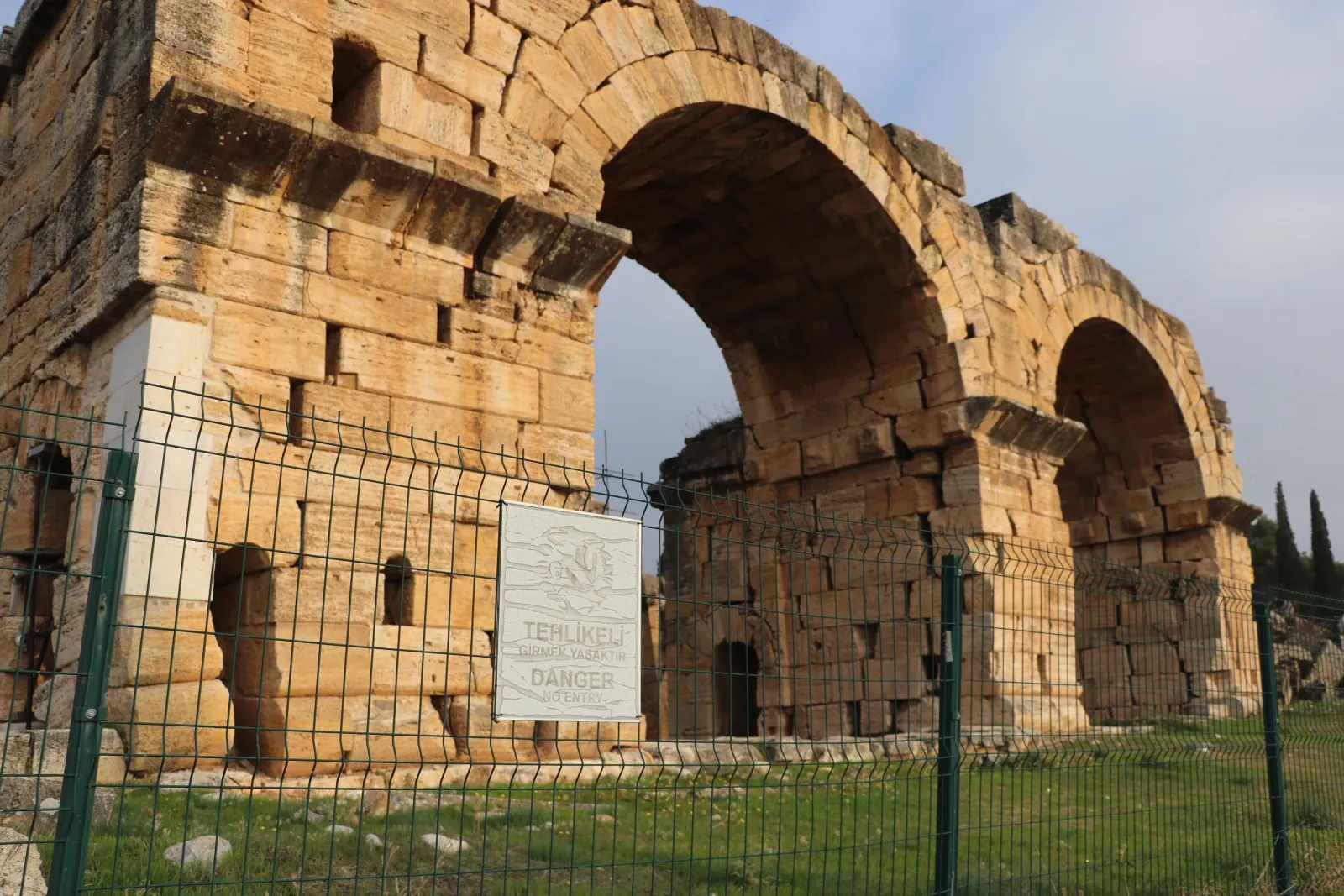
Hierapolis is an ancient Hellenistic and Roman city in southwestern Turkey, renowned for its thermal springs and the adjacent white travertine terraces of Pamukkale. Travellers visit to explore extensive ruins, including a well-preserved theatre and necropolis, while experiencing the unique geological landscape.
History of Hierapolis
Hierapolis was founded in the 3rd century BC by the Seleucids on a site previously dedicated to the Phrygian mother goddess Cybele. The city received polis status under Eumenes of Pergamon and became famous for high-quality wool fabrics and dyes. Its strategic location on the road from Iconium to Ephesus facilitated significant trade with the Aegean region, establishing it as a prosperous healing centre where doctors utilised the thermal springs for patient treatment.
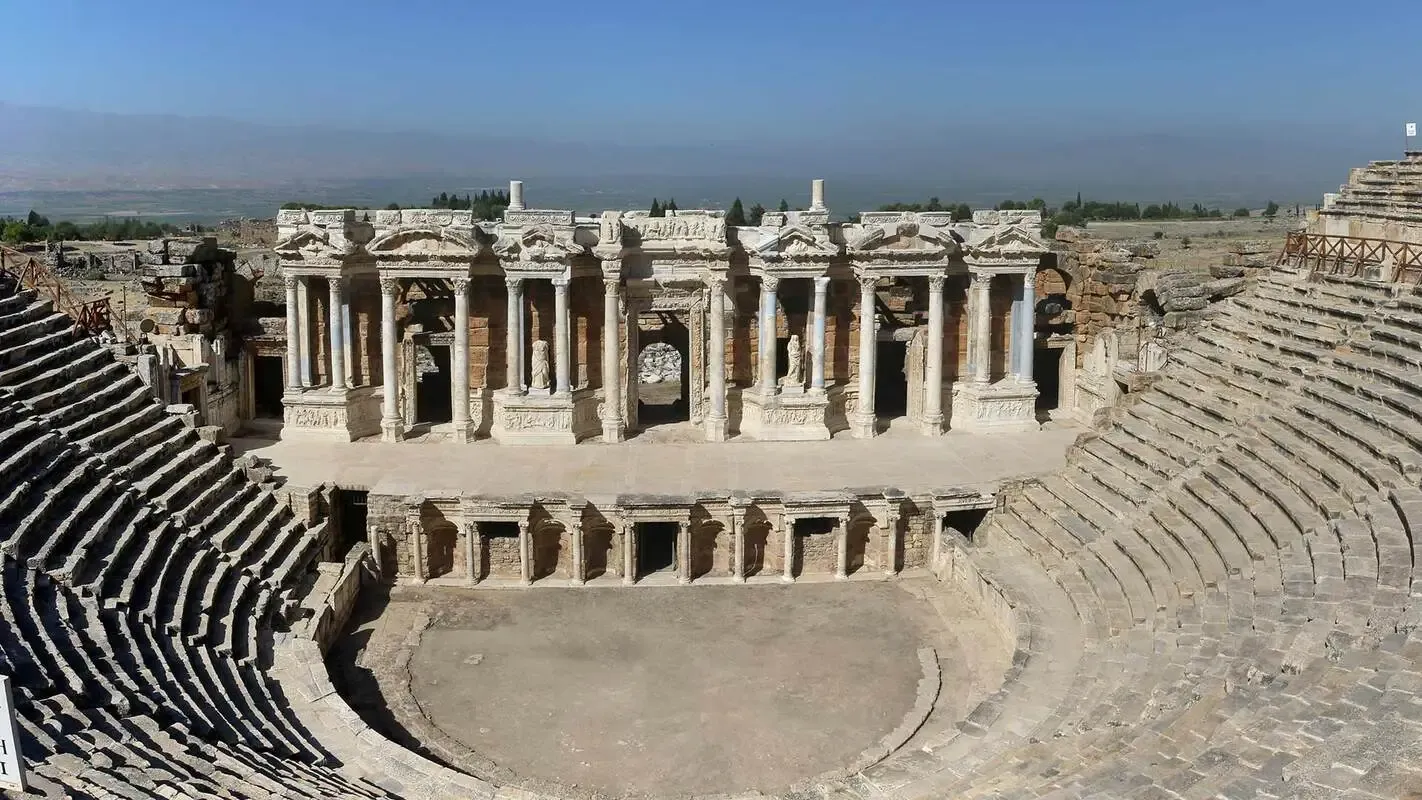
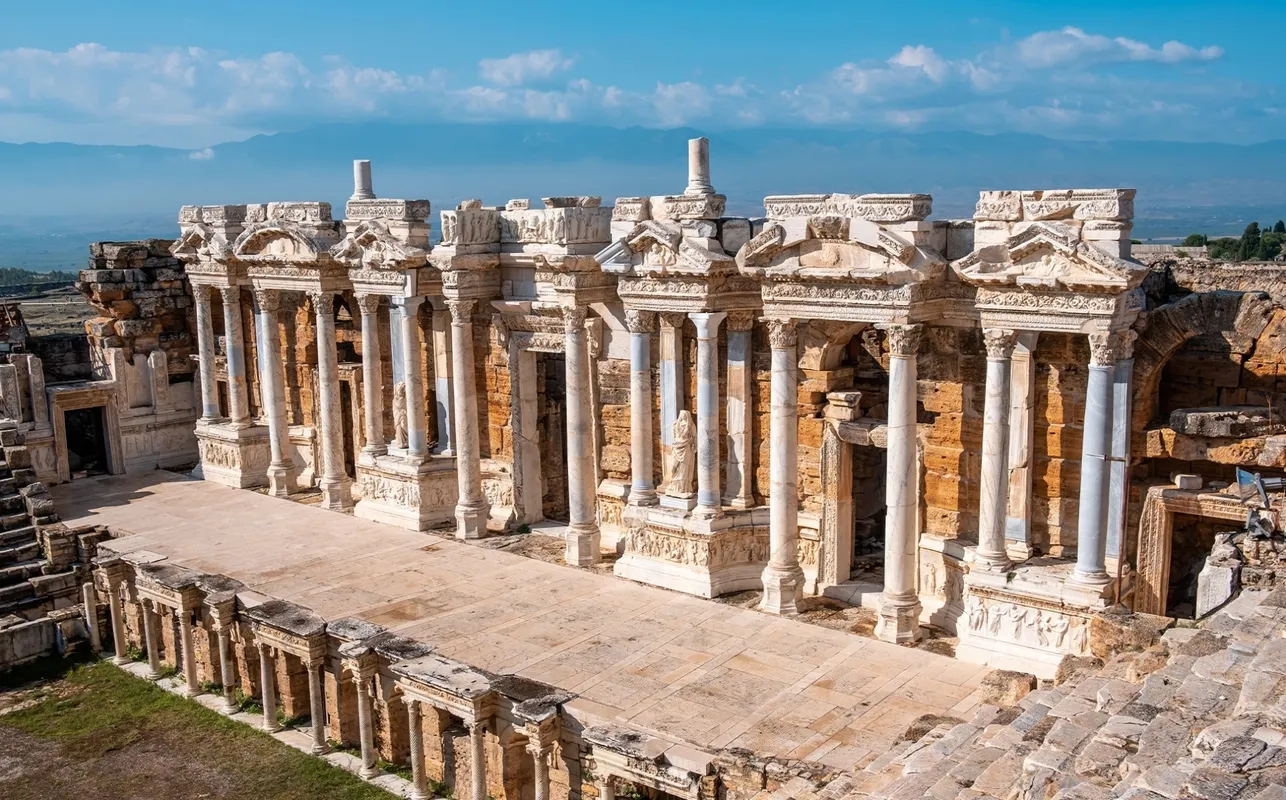
The city faced severe natural disasters, notably major earthquakes in AD 17 under Tiberius and in AD 60 under Nero, which left it in ruins. Rebuilt with imperial financial support, Hierapolis attained its present form during this period. The theatre was constructed in 129 for Emperor Hadrian and later renovated under Septimius Severus. Caracalla’s visit in 215 marked the city's golden age, granting it the title of neocoros and spurring new building projects including baths and temples.
Christianity significantly influenced the city's later history. The apostle Paul founded a church here, while the apostle Philip reportedly spent his final years in Hierapolis, with his martyrium allegedly built where he was crucified. By the 4th century, Christians filled the Plutonium, a sacred cave associated with the underworld, with stones, signalling the displacement of earlier pagan cults. The city eventually declined, with the last imperial visit recorded in 370 by Emperor Valens.
Modern archaeological interest began with the Italian Archaeological Mission of Hierapolis of Phrygia, which has operated at the site since 1957. Excavations have revealed Iron Age settlement structures and the Phrygian temple of Cybele. The site was recognised for its universal value and added to the UNESCO World Heritage List in 1988. Today, the extensive remains adjacent to Pamukkale offer a comprehensive view of Hellenistic, Roman, and Byzantine urban planning and religious evolution.
Things to Do in Hierapolis
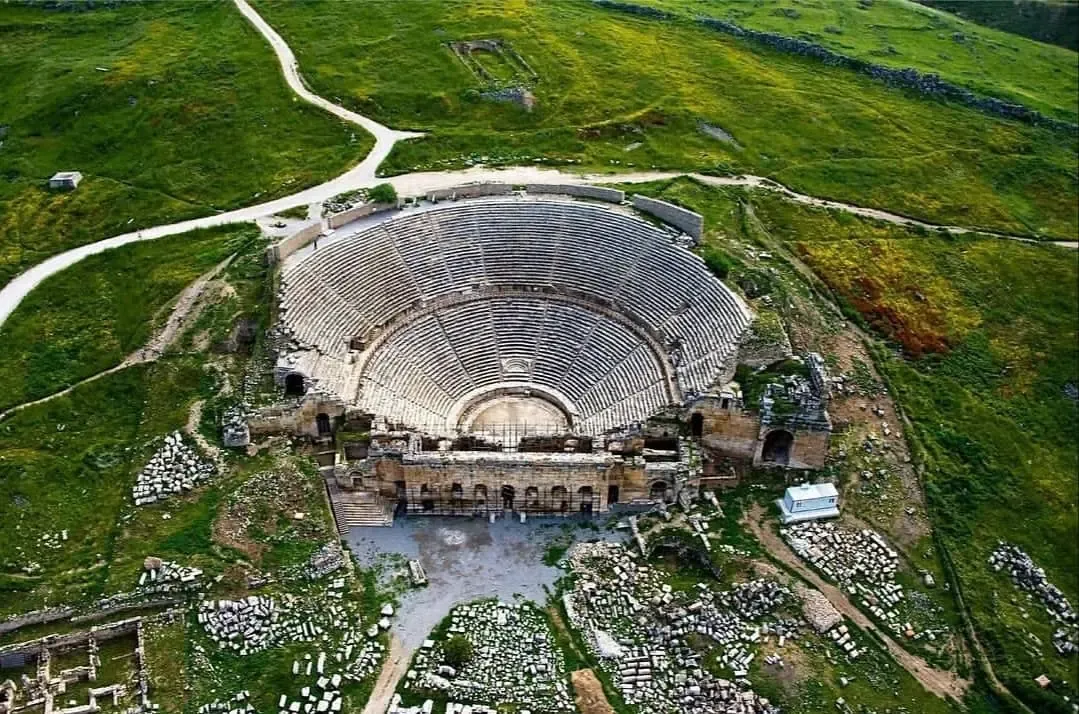
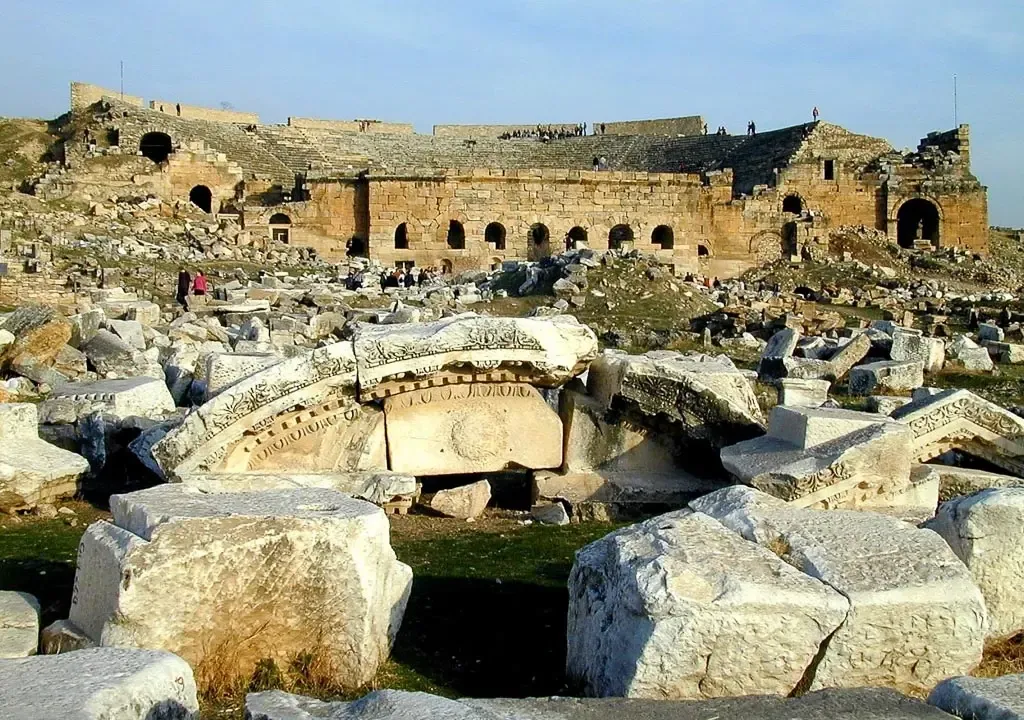
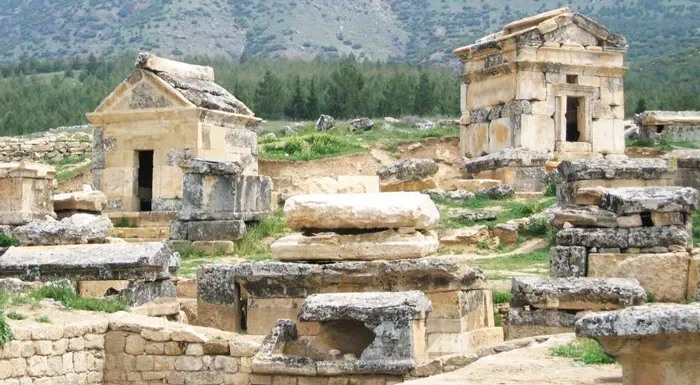
Visitors should begin by exploring the ancient theatre, one of the best-preserved structures in Anatolia. Built in the 2nd century, it features intricate marble reliefs and offers panoramic views of the Lycus Valley. The stage building's detailed friezes depict mythological scenes, providing insight into Roman artistic achievements. Walking through the North Necropolis, travellers can observe a vast array of tombs, including the famous Tomb of Marcus Aurelius Ammianos, which bears a relief depicting an early crank and rod mechanism.
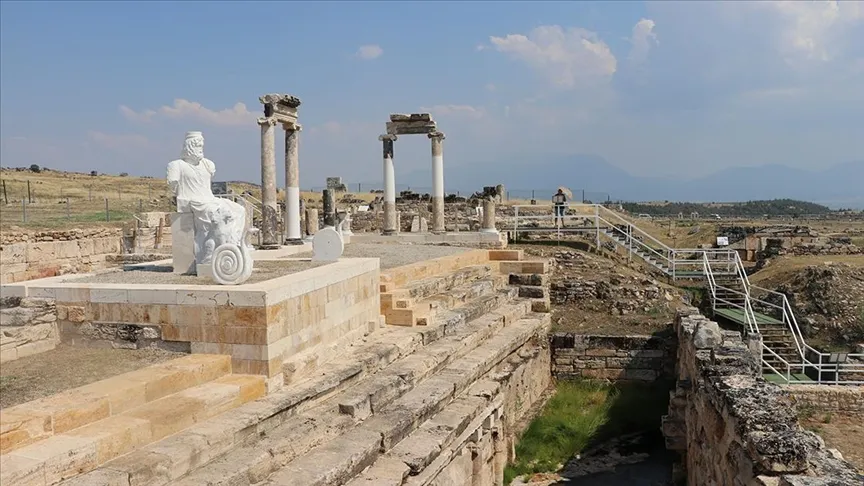
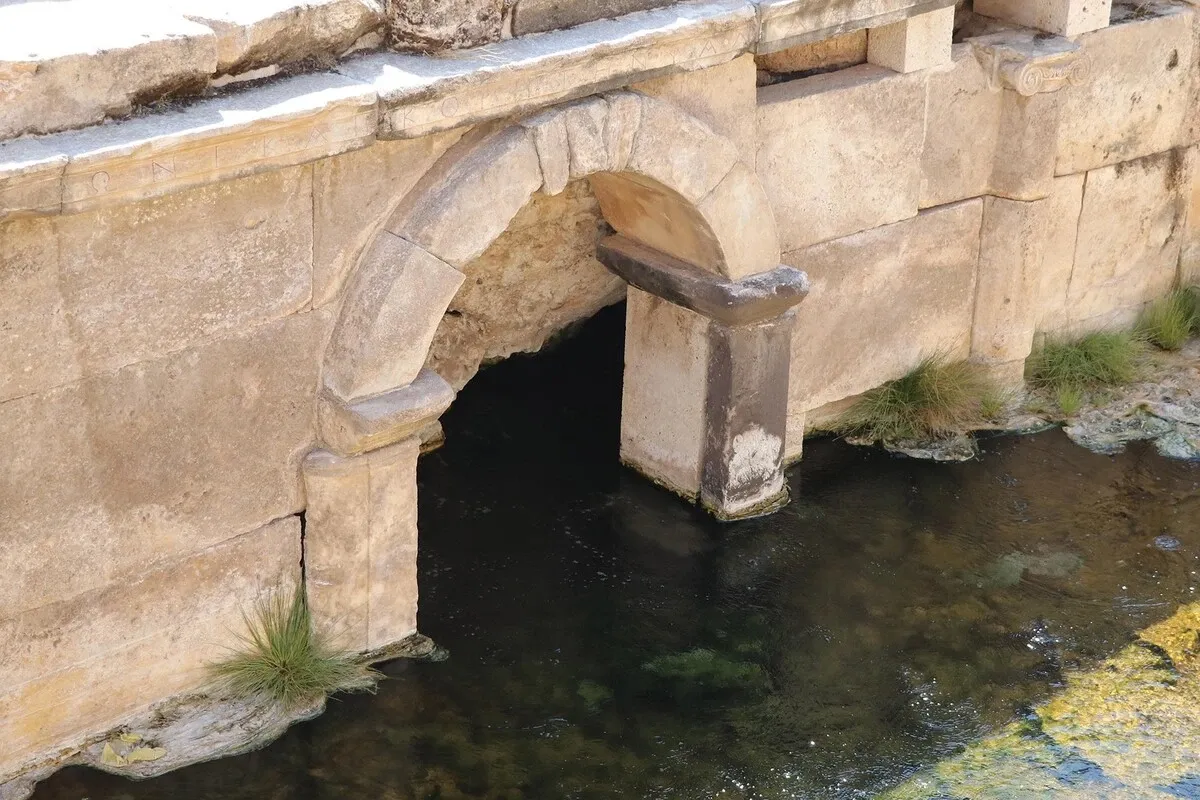
The Plutonium is a unique site where toxic gases once emerged from a cave, historically linked to the cult of Cybele and later associated with Hades. Nearby, the Martyrium of St. Philip marks the traditional site of the apostle's crucifixion. The octagonal church structure and surrounding courtyard provide a glimpse into early Christian architecture. The Archaeological Museum housed in the restored Roman baths displays artefacts excavated from the site, including sculptures, inscriptions, and everyday objects that contextualise the city's daily life.
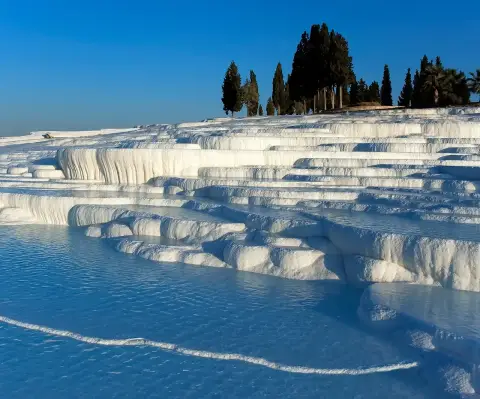
After exploring the ruins, travellers can walk barefoot across the travertine terraces of Pamukkale. These white limestone formations, created by calcium-rich thermal waters, offer a surreal landscape for photography and relaxation. The upper pools allow visitors to soak in the warm, mineral-rich waters, continuing a tradition of spa use that dates back to antiquity. The contrast between the stark white terraces and the ancient stone ruins creates a visually striking experience.
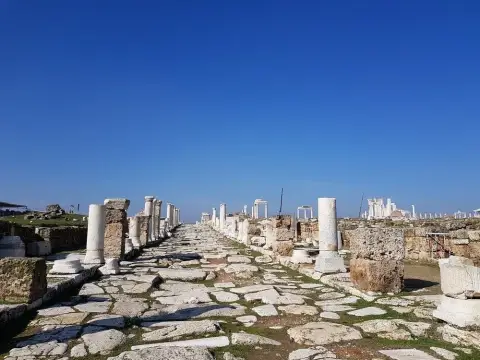
For those interested in broader regional history, a short drive leads to Laodicea on the Lycus, an ancient city mentioned in the Book of Revelation. Its ruins include a stadium, theatre, and churches. Alternatively, the nearby Karahayıt hot springs offer different mineral compositions and colours, providing another therapeutic bathing experience distinct from the travertine pools of Pamukkale.
Top Sights in Hierapolis
Ancient Theatre
A remarkably preserved Roman theatre with detailed marble reliefs and a stunning backdrop of the valley.
Pamukkale Terraces
White travertine limestone terraces formed by thermal springs, offering a unique bathing experience.
North Necropolis
A vast cemetery featuring diverse tomb types, including the notable Tomb of Marcus Aurelius Ammianos.
Plutonium
The site of the ancient Plutonium cave, historically associated with the underworld and toxic gases.
Martyrium of St. Philip
The traditional burial site of the apostle Philip, featuring the remains of a large octagonal church.
Travel Tips for Hierapolis
Getting there: Hierapolis is located near Denizli, which is accessible by bus, train, or domestic flights from major Turkish cities. From Denizli city centre, local minibuses (dolmuş) or taxis provide regular transport to the Pamukkale entrance. The site is also a common stop on guided tours originating from Ephesus or Antalya.
Best time to visit: Spring and autumn offer the most comfortable temperatures for exploring the extensive outdoor ruins. Summer days can be extremely hot, so early morning visits are recommended to avoid peak heat and crowds. Winter visits provide a serene atmosphere, though some facilities may have reduced services.
What to wear / bring: Wear sturdy, comfortable walking shoes for the uneven terrain of the necropolis and theatre. For the travertine terraces, you must remove your shoes, so bring sandals or flip-flops. Carry sufficient water, sunscreen, and a hat, as shade is limited across the open archaeological park and white terraces.
Visiting the site: current opening days and visitor information are on our museum page: Denizli Hierapolis (Pamukkale) Archaeology Museum, Denizli Hierapolis.
Day Tours that Visit Hierapolis
Guided daily excursions in Pamukkale that include Hierapolis.
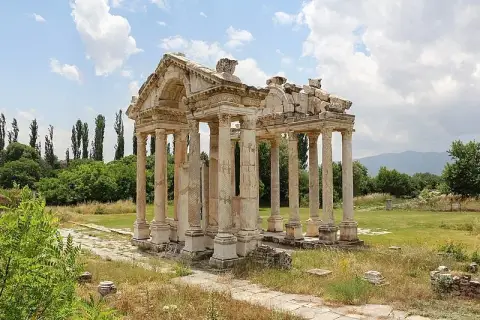 Private Day Tour
Private ★ Popular Tour
Daily Aphrodisias Ancient City Tour from Pamukkale
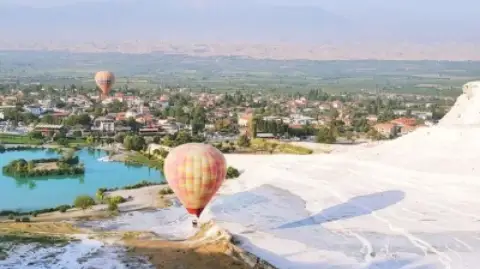 Day Tour
Shared ★ Popular Tour
Pamukkale Sunrise Balloon Tour
 Day Tour
Shared ★ Popular Tour
Daily Pamukkale & Hierapolis Tour
 Day Tour
Shared ★ Popular Tour
Pamukkale Tandem Paragliding Flight
 Day Tour
Shared ★ Popular Tour
Aphrodisias Tour from Pamukkale - Shared Group
 Private Day Tour
Private
Laodicea, Kaklik Cave & Salda Lake Private Tour from Pamukkale – Lunch...
 Private Day Tour
Private
Same-Day Pamukkale & Ephesus Private Tour – Denizli Airport to Izmir A...
 Private Day Tour
Private
Pamukkale, Kaklik Cave & Salda Lake Private Tour from Denizli Airport
 Private Day Tour
Private
Pamukkale & Hierapolis Private Tour from Denizli Cardak Airport
Private Day Tour
Private Pamukkale, Laodicea, Kaklik Cave & Salda Lake Private Tour from Pamukk...
 Private Day Tour
Private
Pamukkale, Laodicea & Karahayit Red Springs Private Tour from Pamukkal...
Private Day Tour
Private Laodicea, Kaklik Cave & Honaz Waterfall Private Tour from Pamukkale
Private Day Tour
Private Pamukkale, Red Springs & Aphrodisias Private Tour from Pamukkale
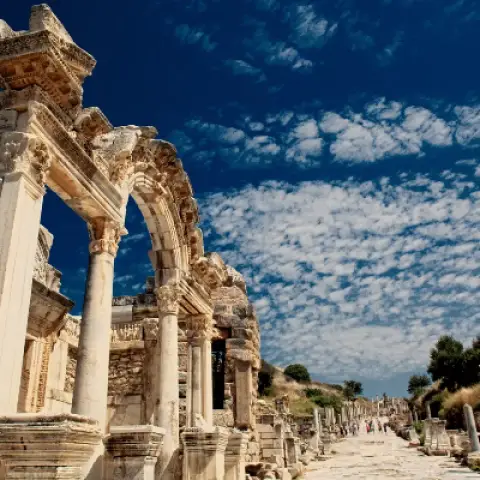 Private Day Tour
Private
Ephesus, Virgin Mary's House & Artemis Private Day Trip from Pamukkale...
Private Day Tour
Private Aphrodisias Private Tour from Pamukkale with Lunch
Private Day Tour
Private Pamukkale, Hierapolis & Karahayit Red Springs Private Tour from Pamukk...
Hotels in Hierapolis
Hotels within walking distance of Hierapolis — request your room online, we reply within 24 hours.

Hotel Hal-Tur
0.6 km from Hierapolis
Göreme Hotel
0.6 km from Hierapolis
Hotel Hal - Tur
0.6 km from Hierapolis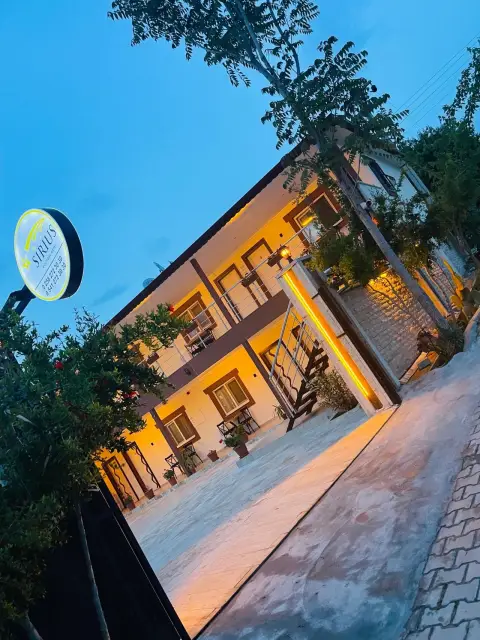
Sirius Otel Pamukkale
0.7 km from Hierapolis
Ayapam
0.7 km from Hierapolis
Hotel Şahin
0.7 km from Hierapolis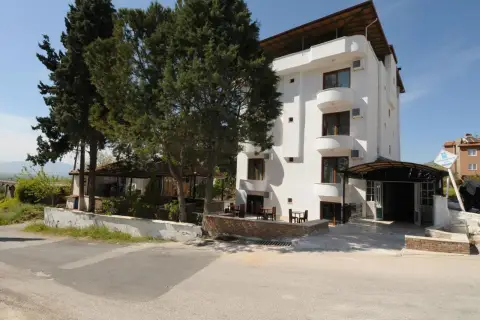
Bellamaritimo Hotel
0.7 km from Hierapolis
Yıldızhan Hotel
0.7 km from Hierapolis
Pamuklife Hotel
0.7 km from Hierapolis
Artemis Yörük Hotel
0.8 km from Hierapolis
Özen Turku Hotel
0.8 km from Hierapolis
Melrose Viewpoint Pansiyon
0.9 km from Hierapolis
Eros Otel
0.9 km from Hierapolis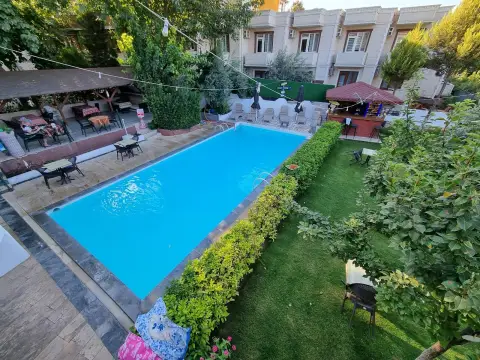
Sunrise Aya Hotel
0.9 km from Hierapolis
Tripolis Hotel & Spa Pamukkale
1 km from Hierapolis
Uyum Hotel
1 km from HierapolisAirport Transfers to Hierapolis
Private door-to-door transfers to Pamukkale (Hierapolis) — price per vehicle, one way, meet & greet included.
✈️ Istanbul Airport (IST) → Pamukkale (Hierapolis)
Book this transfer →| Vehicle | Passengers | Price (one way) |
|---|---|---|
| Mercedes Vito | up to 5 | €825 |
✈️ Sabiha Gokcen Airport (SAW) → Pamukkale (Hierapolis)
Book this transfer →| Vehicle | Passengers | Price (one way) |
|---|---|---|
| Mercedes Vito | up to 5 | €731 |
Hierapolis – Frequently Asked Questions
Can you swim in the travertine pools?
Yes, visitors can walk and soak in the designated thermal pools at the top of the terraces. Shoes must be removed to protect the delicate travertine surface.
How long does it take to explore Hierapolis?
A thorough visit to the archaeological site and terraces typically takes three to four hours. Adding the museum and a leisurely walk through the necropolis may extend this to half a day.
Is Hierapolis suitable for children?
Yes, many children enjoy the shallow thermal pools and the unique landscape. However, the terrain in the necropolis and theatre can be uneven, so supervision is advised.
What is the significance of the hot springs?
The springs have been used for spa treatments since at least the 2nd century BC. They are rich in calcium and other minerals, historically believed to have healing properties.
Are there guided tours available?
Guided tours are widely available from Denizli and other regional hubs. These tours often provide historical context and access to key sites like the theatre and necropolis.