Laodicea, Pamukkale
📍 Pamukkale, Denizli, Pamukkale, Turkey · Laodikeia
Laodicea on the Lycus was a wealthy ancient Greek and Roman city near modern Denizli, renowned for its trade and biblical significance. Travellers visit to explore extensive ruins, including the famous theatre and churches, while learning about its role as one of the Seven Churches of Asia.
History of Laodicea
Founded by Antiochus II Theos in the third century BC, Laodicea was named after his wife and built on a hill above the Lycus River. Originally known as Diospolis or Rhoas, it became a prosperous commercial hub under Seleucid rule. The city later passed to the Kingdom of Pergamon before being bequeathed to Rome in 133 BC, gaining the status of a free city and thriving as a centre for black wool trade and banking.
During the Roman period, Laodicea served as the chief city of a conventus comprising twenty-four towns. It was a wealthy metropolis where citizens famously refused imperial aid to rebuild after a devastating earthquake in 60 AD, demonstrating their immense local resources. The city minted its own coins and hosted a notable medical school, reflecting its cultural and scientific importance in Asia Minor.
Laodicea holds significant religious history as one of the Seven Churches of Asia mentioned in the Book of Revelation. Early Christian communities flourished here, with connections to the Epistle to the Colossians. The city’s wealth and self-sufficiency are central themes in its biblical references, marking it as a pivotal site for understanding early Christianity in the region.
In the Byzantine era, Laodicea faced repeated conflicts, particularly with Seljuk Turks. Emperor John II Komnenos recaptured the city in 1119, and Manuel I Komnenos fortified it in 1160. Despite these efforts, the city was sacked in 1161 and eventually destroyed during later Turkoman and Mongol invasions, leading to its gradual abandonment and eventual rediscovery through modern archaeological efforts.
Things to Do in Laodicea
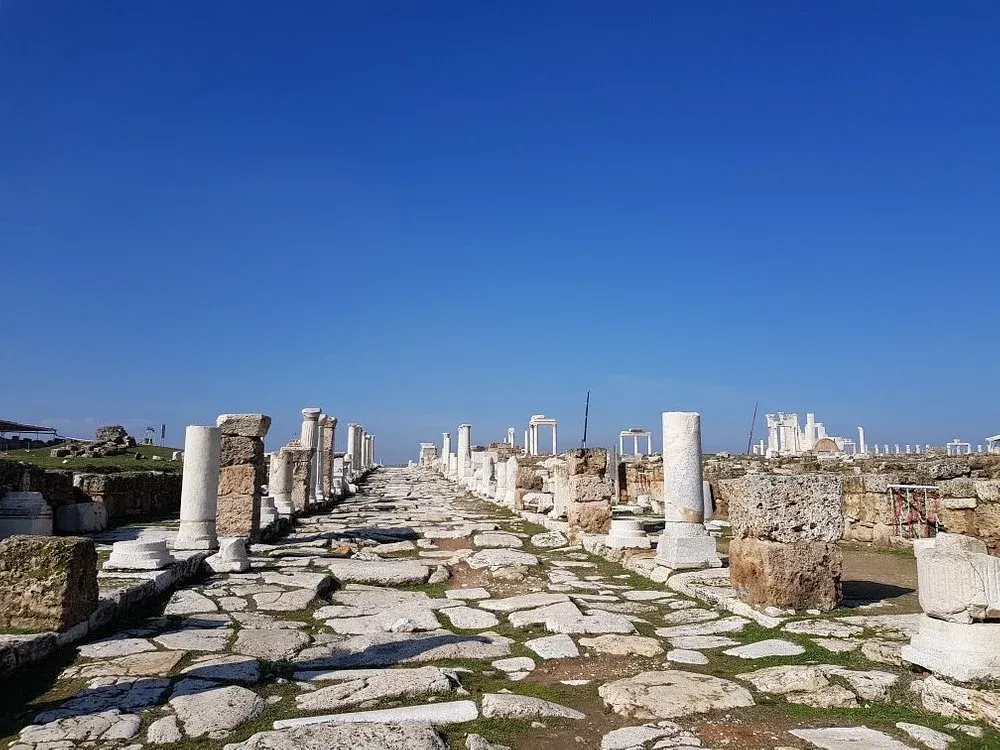
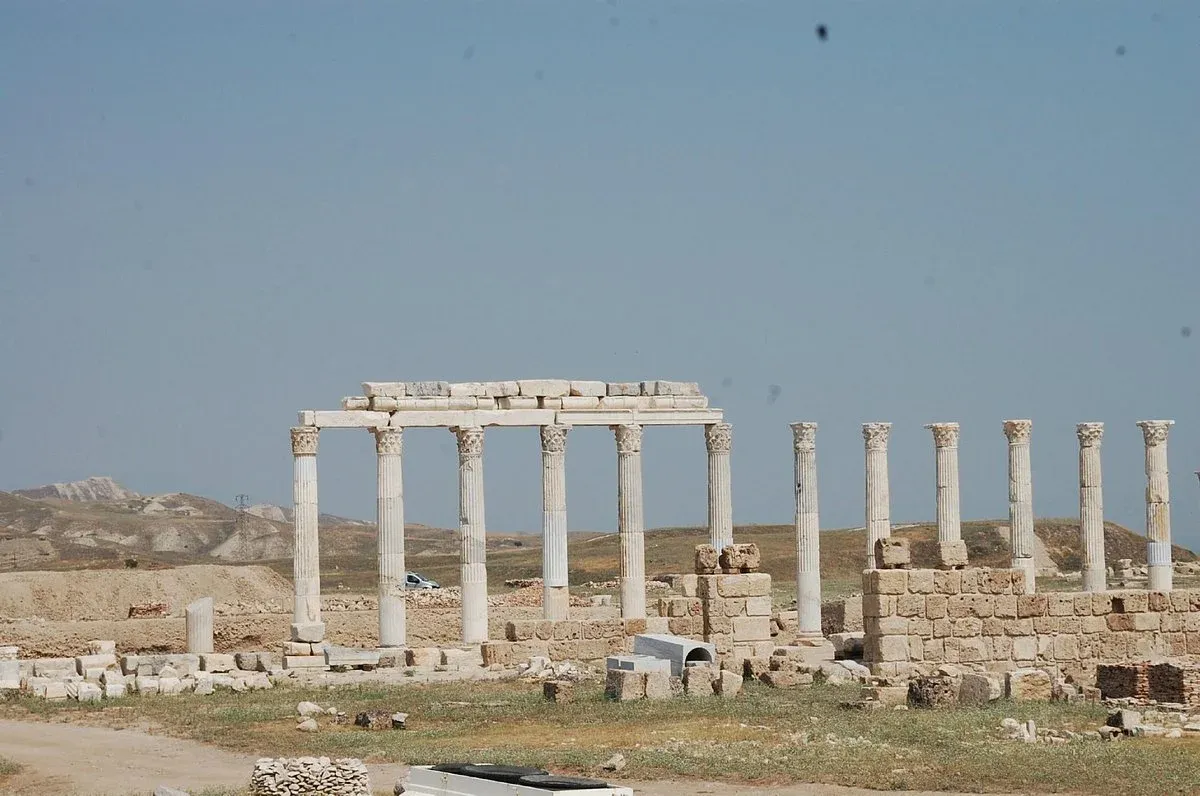
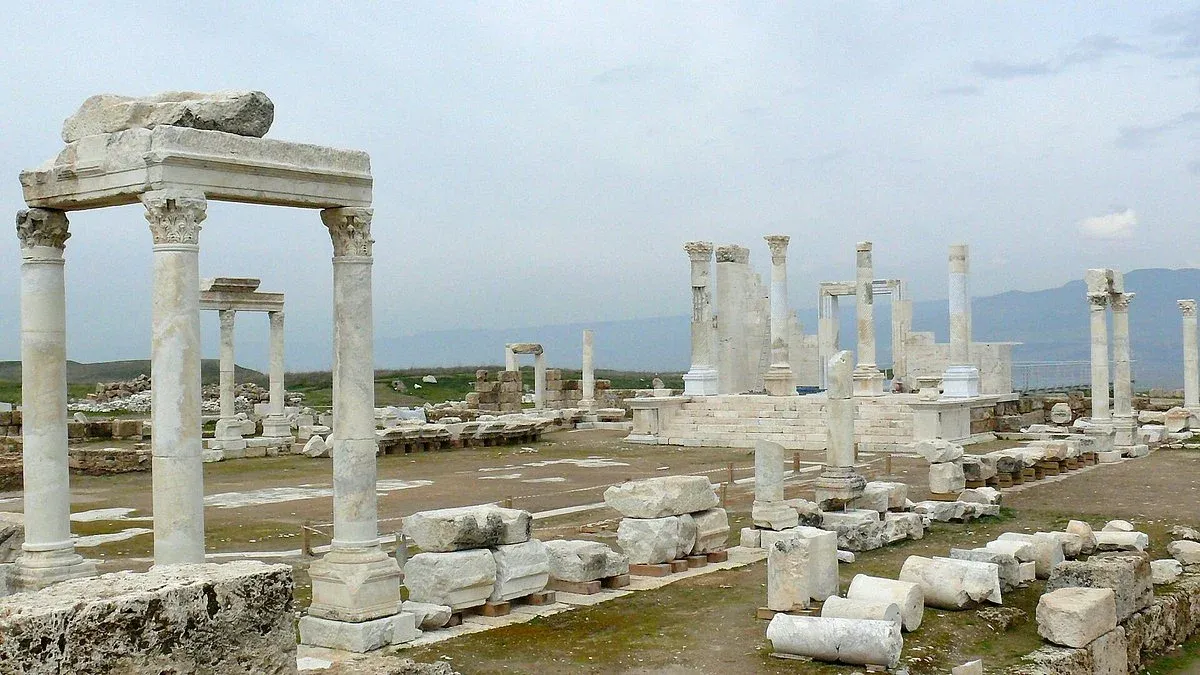
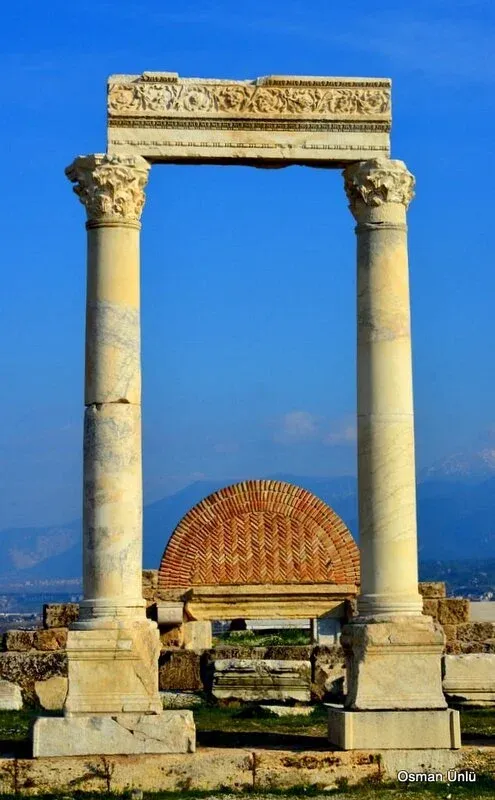
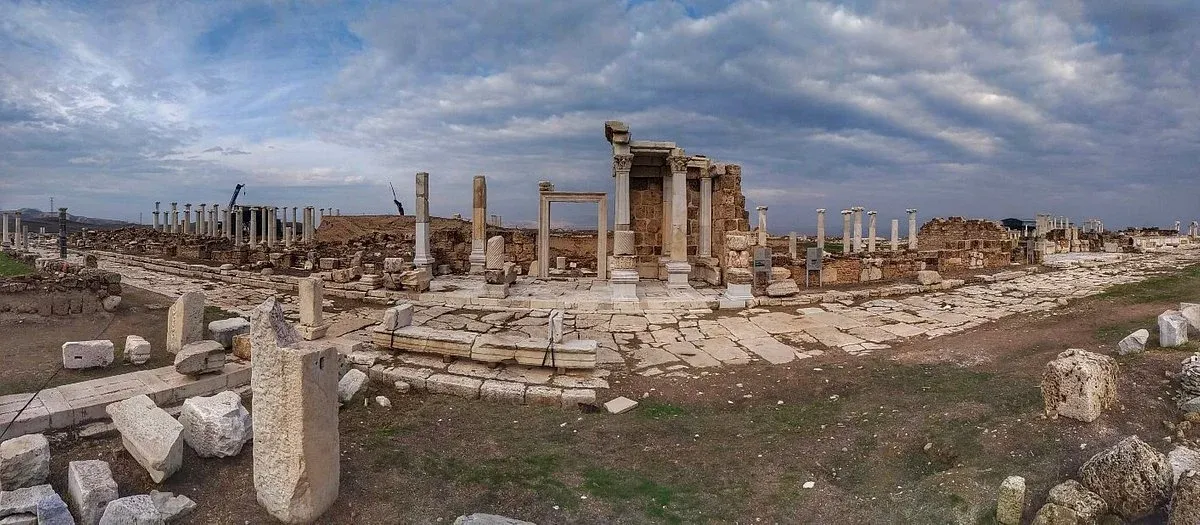
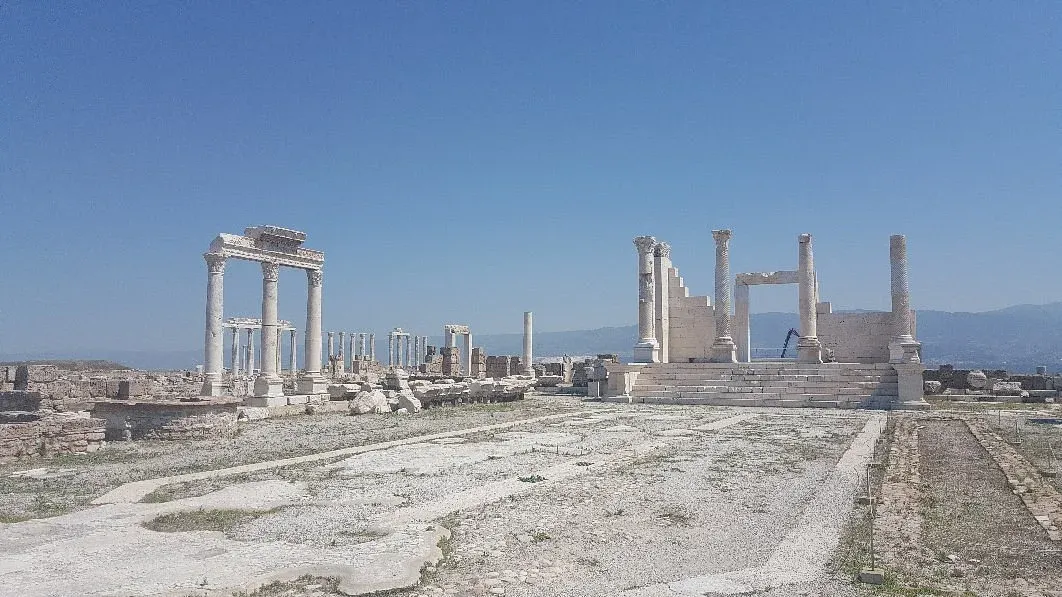
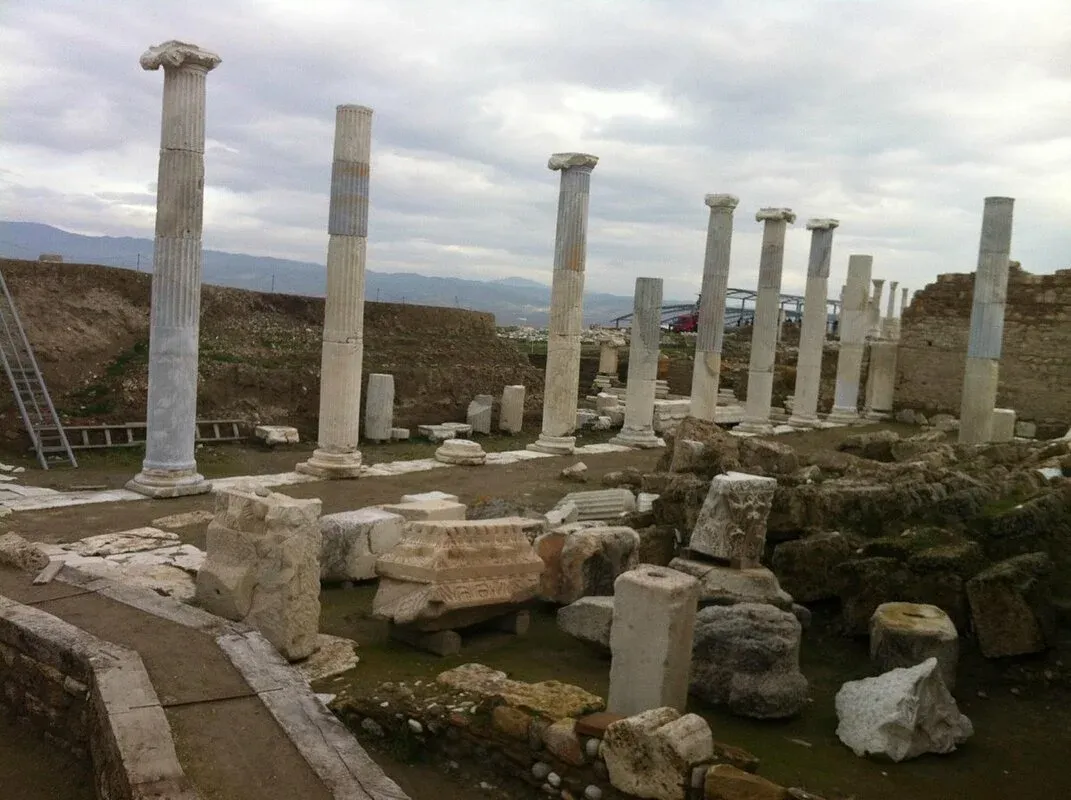
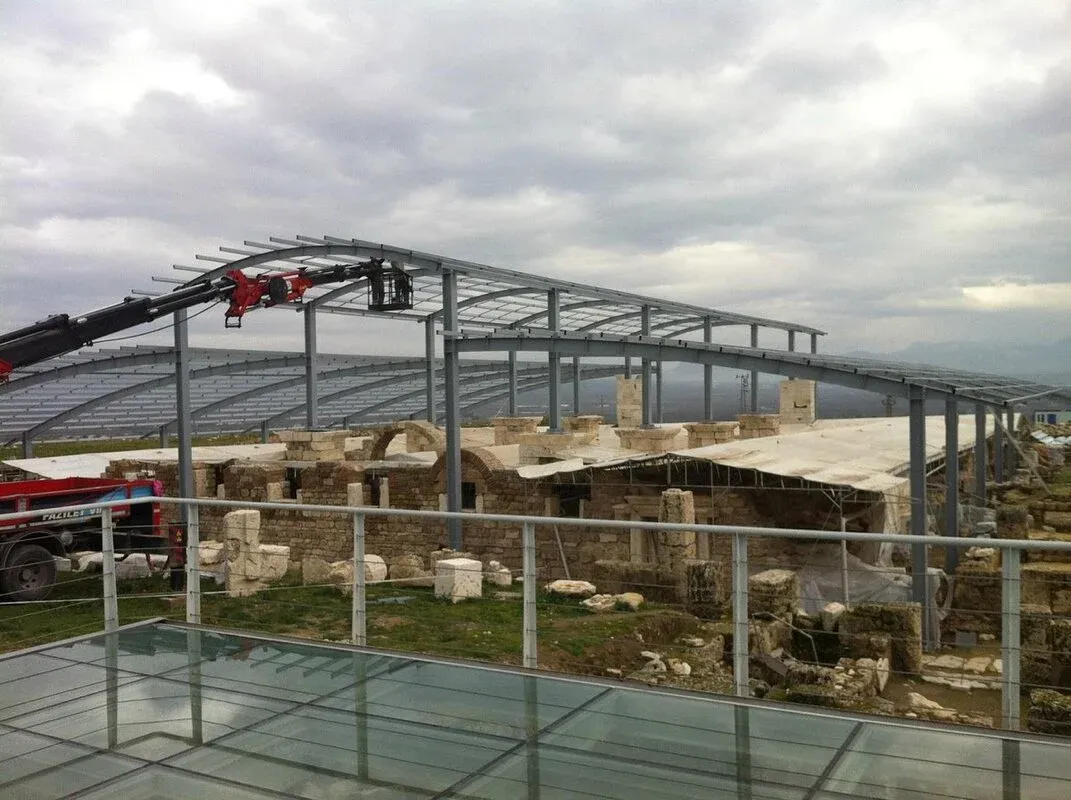
Visitors can explore the extensive archaeological site, which features well-preserved ruins including the monumental north gate and the agora. The site is divided into distinct areas, allowing travellers to walk through ancient streets and view the foundations of temples and public buildings. The scale of the excavation provides a comprehensive look at urban planning in a major Hellenistic and Roman city.
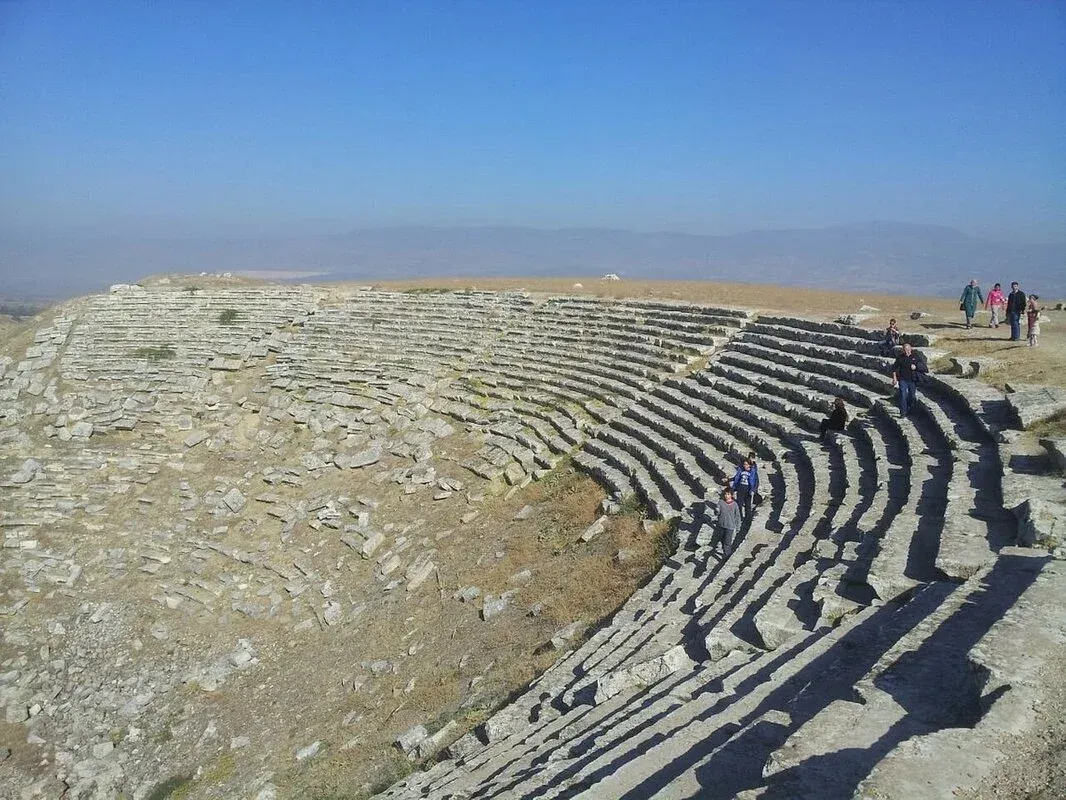
The large theatre is a highlight, capable of seating thousands and offering insights into ancient entertainment. Nearby, the remains of the stadium and the gymnasium complex showcase the civic life of the inhabitants. These structures are situated on the hillside, providing panoramic views of the surrounding Lycus Valley and the modern city of Denizli below.
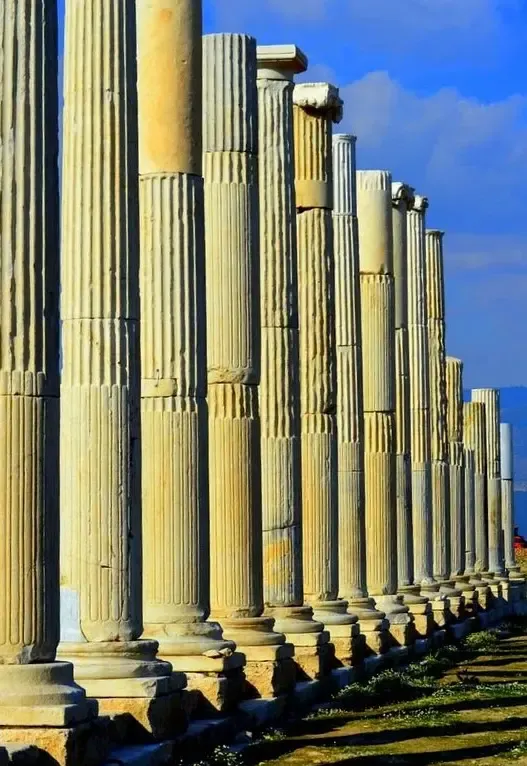
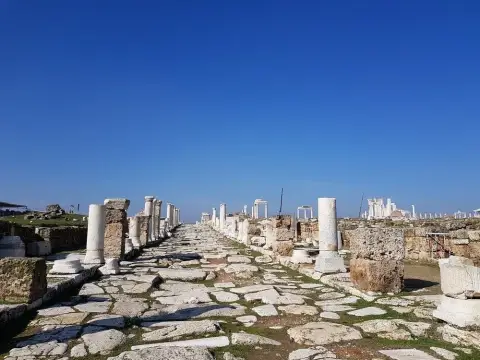
Christian heritage is a key focus, with the site of the early Christian church and the bishop’s palace available for viewing. The area also includes the remains of the sanctuary of the imperial cult. Walking the ancient colonnaded streets allows visitors to imagine the bustling trade routes that once connected Laodicea to Ephesus and Hierapolis.
Top Sights in Laodicea
The Theatre
A massive structure that once hosted large audiences, showcasing the city's cultural importance.
North Gate
The monumental entrance to the city, featuring impressive architectural remains and inscriptions.
Early Christian Church
The site of one of the Seven Churches of Asia, significant for biblical history.
The Agora
The central public space where commerce and social interaction took place in ancient times.
Stadium
Remains of the athletic venue, reflecting the Greek influence on local civic life.
Travel Tips for Laodicea
Getting there: Laodicea is located approximately six kilometres north of Denizli city centre. It is easily accessible by local dolmuş minibuses or taxis from Denizli, making it a convenient day trip for those staying in the Pamukkale area.
Best time to visit: Spring and autumn offer the most pleasant weather for exploring the open-air ruins. Summers can be extremely hot, so early morning visits are recommended to avoid the midday heat and ensure comfortable walking conditions.
What to wear: Wear sturdy, comfortable shoes as the terrain is uneven and rocky. A hat and sunscreen are essential due to limited shade across the archaeological site, and carrying water is advisable for hydration during your exploration.
Visiting the site: current opening days and visitor information are on our museum page: Denizli Laodikeia Archeological Site.
Day Tours that Visit Laodicea
Guided daily excursions in Pamukkale that include Laodicea.
 Private Day Tour
Private
Laodicea, Kaklik Cave & Salda Lake Private Tour from Pamukkale – Lunch...
Private Day Tour
Private Pamukkale, Laodicea, Kaklik Cave & Salda Lake Private Tour from Pamukk...
 Private Day Tour
Private
Pamukkale, Laodicea & Karahayit Red Springs Private Tour from Pamukkal...
Private Day Tour
Private Laodicea, Kaklik Cave & Honaz Waterfall Private Tour from Pamukkale
Private Day Tour
Private Private Laodicea, Kaklik Cave and Salda Lake Tour from Pamukkale
Private Day Tour
Private Daily Pamukkale & Laodicea Tour from Denizli
Hotels in Laodicea
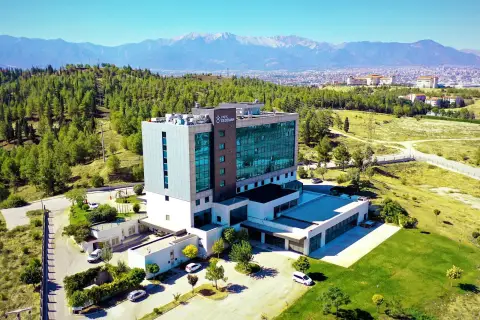
Hotels within walking distance of Laodicea — request your room online, we reply within 24 hours.


Laodicea – Frequently Asked Questions
Is Laodicea part of the Pamukkale travertine site?
No, Laodicea is a separate archaeological site located near Denizli. While close to Pamukkale and Hierapolis, it requires its own visit and ticket.
How long does it take to explore Laodicea?
Most visitors spend between two to three hours exploring the main ruins. The site is extensive, so allowing extra time for detailed exploration is recommended.
Is the site suitable for people with mobility issues?
The terrain is uneven and involves walking on ancient stone paths and hills. Visitors with mobility challenges may find some areas difficult to navigate without assistance.
Why is Laodicea famous in the Bible?
It is one of the Seven Churches of Asia mentioned in the Book of Revelation. The city is noted for its wealth and self-sufficiency, which are central to its biblical description.
Are there guided tours available at Laodicea?
Yes, licensed guides are often available at the entrance or can be arranged through local travel agencies. A guide can provide valuable context about the historical and religious significance of the ruins.