Demre (Myra), Antalya
📍 Demre, Antalya, Turkey
Demre, ancient Myra, is a historic Lycian city in Turkey’s Antalya region, famed for its rock-cut tombs and the Church of St. Nicholas. Travellers visit to explore well-preserved Roman theatres, the Andriake harbour ruins, and the rich Christian heritage of this coastal archaeological site.
Photos via Wikimedia Commons: Rab Lawrence (CC BY 2.0) · BoraBora704 (CC BY-SA 4.0) · Максим Улитин (CC BY 3.0)
History of Demre (Myra)
Myra was a prominent city in ancient Lycia, situated on the fertile alluvial plain of the river Myros between the Massikytos range and the Mediterranean Sea. While some scholars link it to the Arzawan town of Mira, its earliest confirmed written reference appears in 168 BC as a member of the Lycian League. By the 3rd century BC, the city had undergone significant Hellenization. Following the wars of the diadochi, the region fell under the loose control of the Ptolemies and Seleucids before coming under Roman authority, where it remained until the Seljuk conquests.
During the Roman period, Myra became a major centre of the Greek-speaking world and rapidly embraced Christianity. It served as the metropolitan see of the province of Lycia, with Saint Nicholas serving as its bishop in the 4th century. In 809, Abbasid troops besieged and sacked the city, though it briefly returned to Roman control. Later, during the reign of Alexius I Comnenus, Seljuk Turks overtook the area, leading to the theft of Saint Nicholas’s relics by sailors from Bari in 1087.
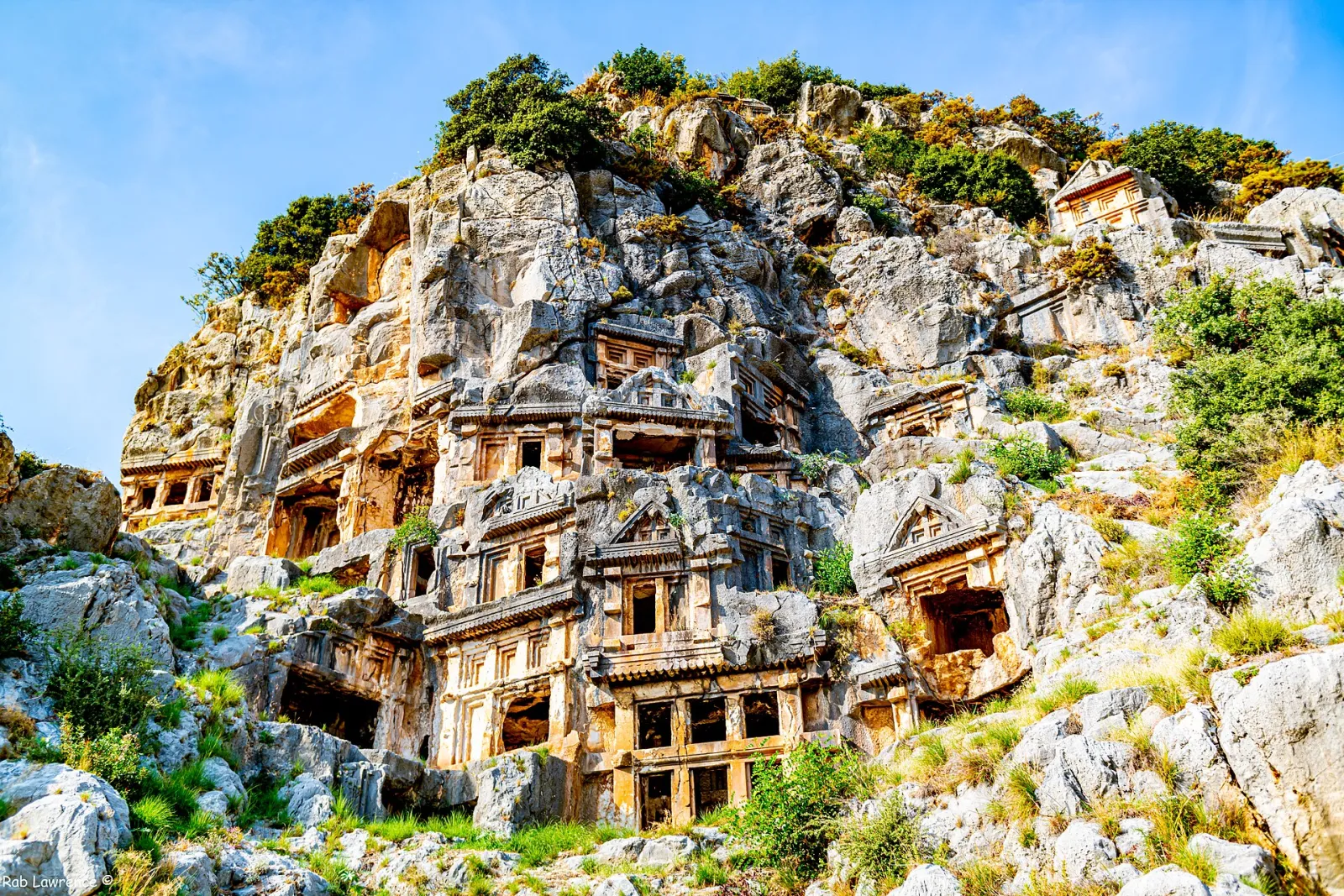
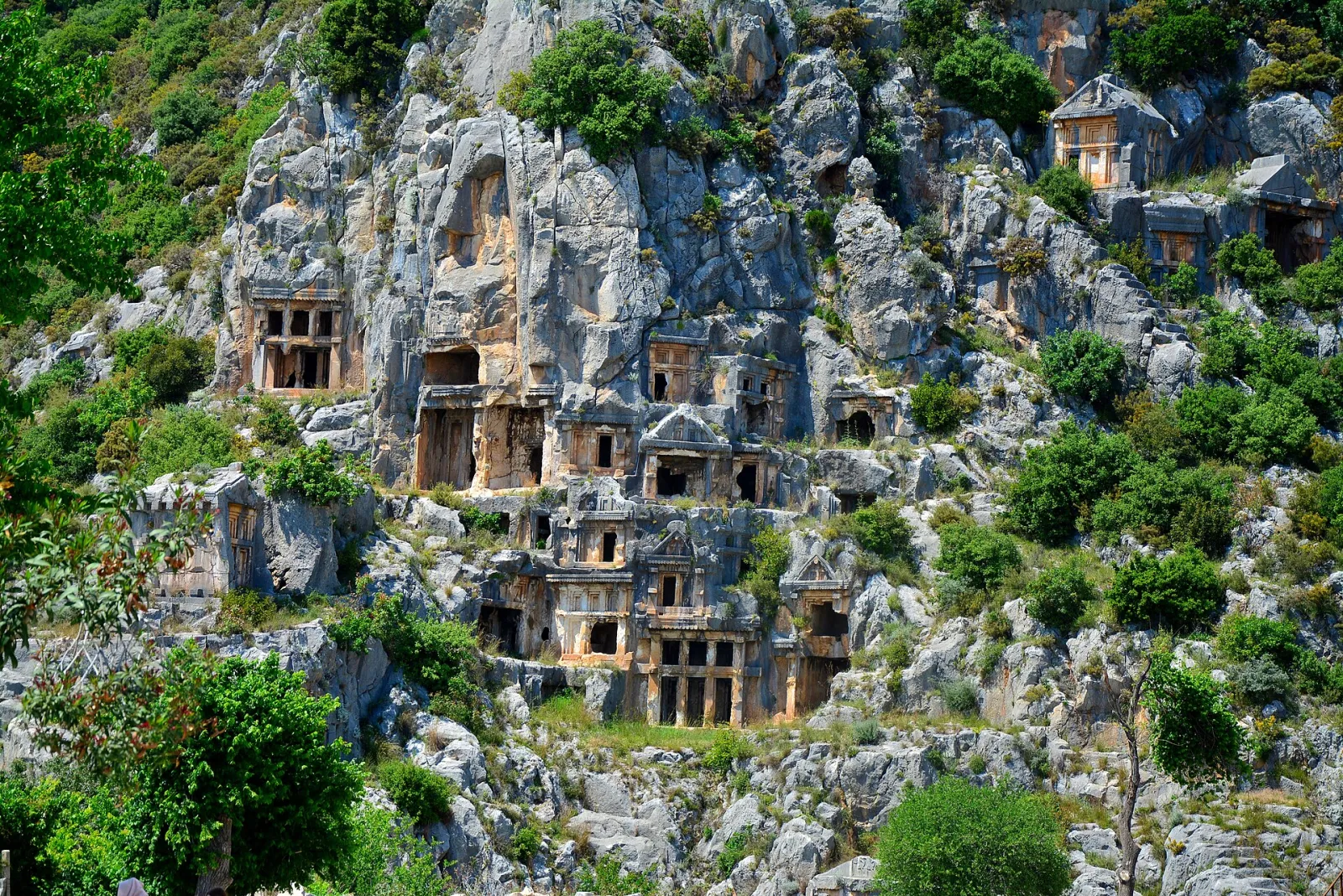
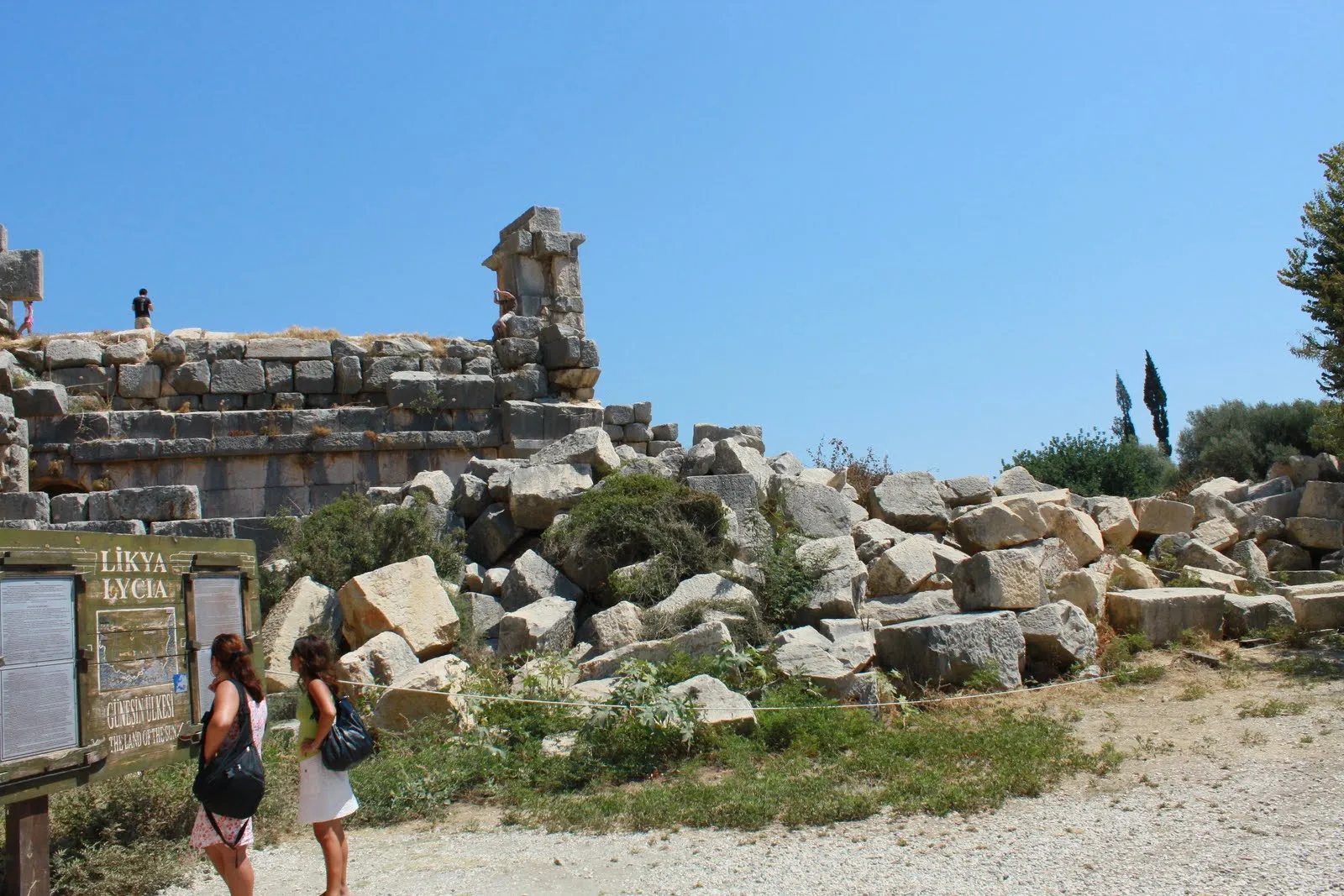
The ancient city’s ruins are largely covered by alluvial silts, but significant structures have been excavated. These include the acropolis on the Demre plateau, the Roman theatre, and the Roman baths. The semi-circular theatre, originally destroyed by an earthquake in 141 AD, was subsequently rebuilt. Two necropoleis of Lycian rock-cut tombs, carved into vertical cliff faces in the form of temple fronts, survive: the river necropolis and the ocean necropolis. The latter is located just northwest of the theatre.
Andriake served as the ancient harbour of Myra before silting up over time. The main surviving structure is a granary built during the reign of Emperor Hadrian (117–138 AD). Excavations since 2009 have revealed a harbour market, an agora, a synagogue, and a large cistern. The granary has been converted into the Museum of Lycian Civilizations. The modern town, originally known as Kale, was renamed Demre in 2005, preserving the legacy of this layered historical site.
Things to Do in Demre (Myra)
Visit the Church of St. Nicholas, the primary religious site in Demre. Constructed mainly from the 8th century onward, this Byzantine-era church features opus sectile marble floors and remnants of frescoes. The site includes the excavated eastern and southern sides, as well as the roofed-over former confessio, or tomb, of Saint Nicholas. It stands as a testament to the city’s early Christian history and its significance as a metropolitan see.
Explore the Myra Ancient City to see the impressive Lycian rock-cut tombs. The river necropolis, located 1.5 km up the Demre Çayı, contains the famous Lion’s Tomb, also known as the Painted Tomb, which retains traces of its original red, yellow, and blue pigments. The ocean necropolis, situated northwest of the theatre, offers more examples of these temple-fronted cliff tombs. The Roman theatre, rebuilt after an earthquake in 141 AD, is another key structure within the excavated area.
Travel to Andriake, the ancient harbour of Myra, to view the granary built under Emperor Hadrian. This structure now houses the Museum of Lycian Civilizations, displaying artifacts from the Lycian League excavations. The site also features a restored harbour market, agora, and synagogue. A large heap of Murex shells nearby provides evidence of the ancient purple dye production industry that once thrived in this port.
Top Sights in Demre (Myra)
Church of St. Nicholas
A Byzantine-era church built over the tomb of Saint Nicholas, featuring marble floors and fresco remnants.
Lion's Tomb
A famous Lycian rock-cut tomb in the river necropolis, noted for its remaining painted decorations.
Myra Roman Theatre
A semi-circular theatre rebuilt after an earthquake in 141 AD, set against the backdrop of the necropolis.
Andriake Granary
A Hadrian-era granary now serving as the Museum of Lycian Civilizations, located at the ancient harbour.
Ocean Necropolis
Cliff-face tombs carved in the form of temple fronts, located just northwest of the Roman theatre.
Travel Tips for Demre (Myra)
Getting there: Demre is accessible by road from Antalya and Kaş. Local dolmuş services connect the town with nearby centres. The Church of St. Nicholas is in the town centre, while the rock tombs and theatre of Myra lie about 2 km to the north and Andriake about 5 km to the southwest, so a car or taxi is useful.
Best time to visit: Spring and autumn offer the most comfortable temperatures for exploring outdoor archaeological sites. Summer visits are possible but can be hot, so early morning tours are advisable to avoid the midday heat while viewing the rock-cut tombs and theatre.
What to wear / bring: Wear sturdy, comfortable footwear suitable for uneven stone surfaces and gravel paths. A hat, sunglasses, and sunscreen are essential for protection against the sun, particularly when visiting the exposed necropoleis and the open-air theatre.
Visiting the site: current opening days and visitor information are on our museum page: Antalya St. Nicholas Memorial Museum, Antalya Myra Archaeological Site.
Day Tours that Visit Demre (Myra)
Guided daily excursions in Antalya that include Demre (Myra).
 Day Tour
Shared
Demre, Myra & Kekova Sunken City Tour from Side – Boat Trip & Lunch
 Day Tour
Shared
Kas & Kaputas Beach Day Trip from Kemer – Guided Lycian Coast Tour
 Day Tour
Shared
Kekova, Demre and Myra Day Tour from Kalkan
 Day Tour
Shared
Kekova, Demre and Myra Day Tour from Kas
 Private Day Tour
Private
Daily Kas City & Myra Ancient City Tour (Private)
 Day Tour
Shared
Daily Kas City & Myra Ancient City Tour (Shared)
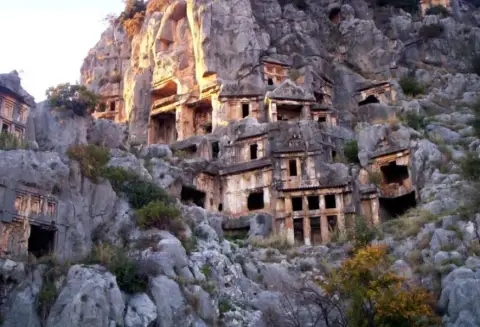 Private Day Tour
Private
Daily Demre, Myra & Kekova Tour from Kemer – Boat Trip (Private)
Day Tour
Shared Daily Demre, Myra & Kekova Tour from Kemer – Boat Trip (Shared)
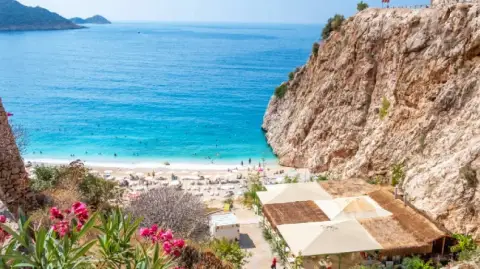 Private Day Tour
Private
Kalkan to Kemer Paintball & Adventure Day Tour – Phaselis
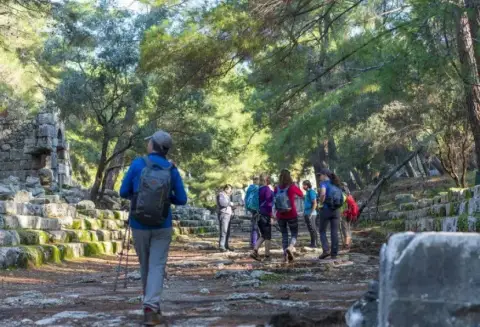 Private Day Tour
Private
Daily Lycian Way Aqueduct Trekking Tour (Private)
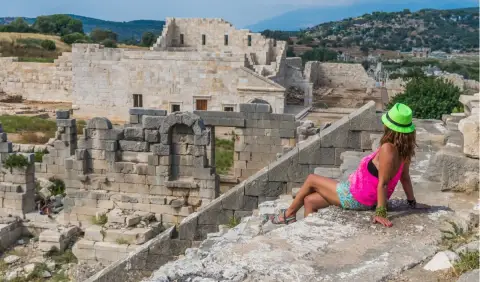 Private Day Tour
Private
Patara, Letoon & Xanthos Ancient Cities Private Tour
 Day Tour
Shared
Patara, Letoon & Xanthos Ancient Cities Day Tour (Shared)
 Day Tour
Shared
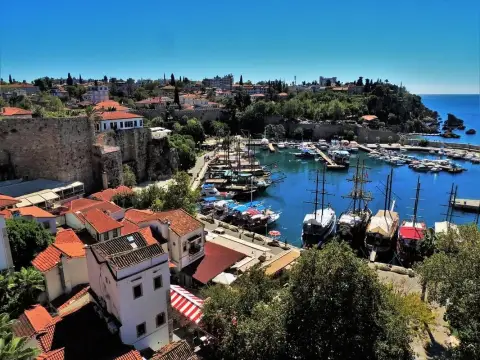
Demre - Kekova Boat Tour
Hotels in Demre (Myra)
Hotels within walking distance of Demre (Myra) — request your room online, we reply within 24 hours.

Kent Villas
0.6 km from Demre (Myra)
Bayraktar Konağı Apart
1.5 km from Demre (Myra)
Santa Center Pansiyon/Apart otel
1.7 km from Demre (Myra)
Demre Alkan Apart
1.8 km from Demre (Myra)
Likya 202
1.8 km from Demre (Myra)
Bilginer Apart
1.9 km from Demre (Myra)
Artemis Deluxe Apart
2 km from Demre (Myra)
Demre Asya Apart
2 km from Demre (Myra)
Villa Belmora Villa Asgora
2 km from Demre (Myra)
Demre Villas
2.2 km from Demre (Myra)
Villa Aula Demre
2.2 km from Demre (Myra)
Winecity Hotel
2.3 km from Demre (Myra)
The Millstone Hotel
2.4 km from Demre (Myra)
Ercan Baba Villas
2.4 km from Demre (Myra)
Hillfort Suites Apart Otel
2.5 km from Demre (Myra)
DOĞAN HOMES LIKYA apart&hotel
2.5 km from Demre (Myra)Airport Transfers to Demre (Myra)
Private door-to-door transfers to Demre (Myra) — price per vehicle, one way, meet & greet included.
✈️ Istanbul Airport (IST) → Demre (Myra)
Book this transfer →| Vehicle | Passengers | Price (one way) |
|---|---|---|
| Mercedes Vito | up to 5 | €1,187 |
✈️ Sabiha Gokcen Airport (SAW) → Demre (Myra)
Book this transfer →| Vehicle | Passengers | Price (one way) |
|---|---|---|
| Mercedes Vito | up to 5 | €1,093 |
Demre (Myra) – Frequently Asked Questions
Who was Saint Nicholas?
Saint Nicholas was a 4th-century bishop of Myra. He is venerated as a saint in both Eastern Orthodox and Catholic traditions and is the historical figure behind the Santa Claus legend.
What is the connection between Myra and the Bible?
The Acts of the Apostles mentions that Paul the Apostle changed ships at Myra during his journey to Rome. This event highlights the city's importance as a coastal trading hub in the Roman era.
Why are the tombs at Myra unique?
The tombs are Lycian rock-cut structures carved into vertical cliff faces to resemble temple fronts. The Lion's Tomb is particularly notable for retaining traces of its original colourful paint.
What is Andriake?
Andriake was the ancient harbour of Myra. It later silted up, but its granary, built under Emperor Hadrian, survives and now houses a museum dedicated to Lycian civilizations.
When did Myra lose its prominence?
The city declined after being sacked by Abbasid troops in 809 and later overtaken by Seljuk Turks. The theft of Saint Nicholas's relics in 1087 further diminished its status as a pilgrimage centre.