Kaputaş Beach, Antalya
📍 Kaş, Antalya, Turkey · Kaputaş Plajı
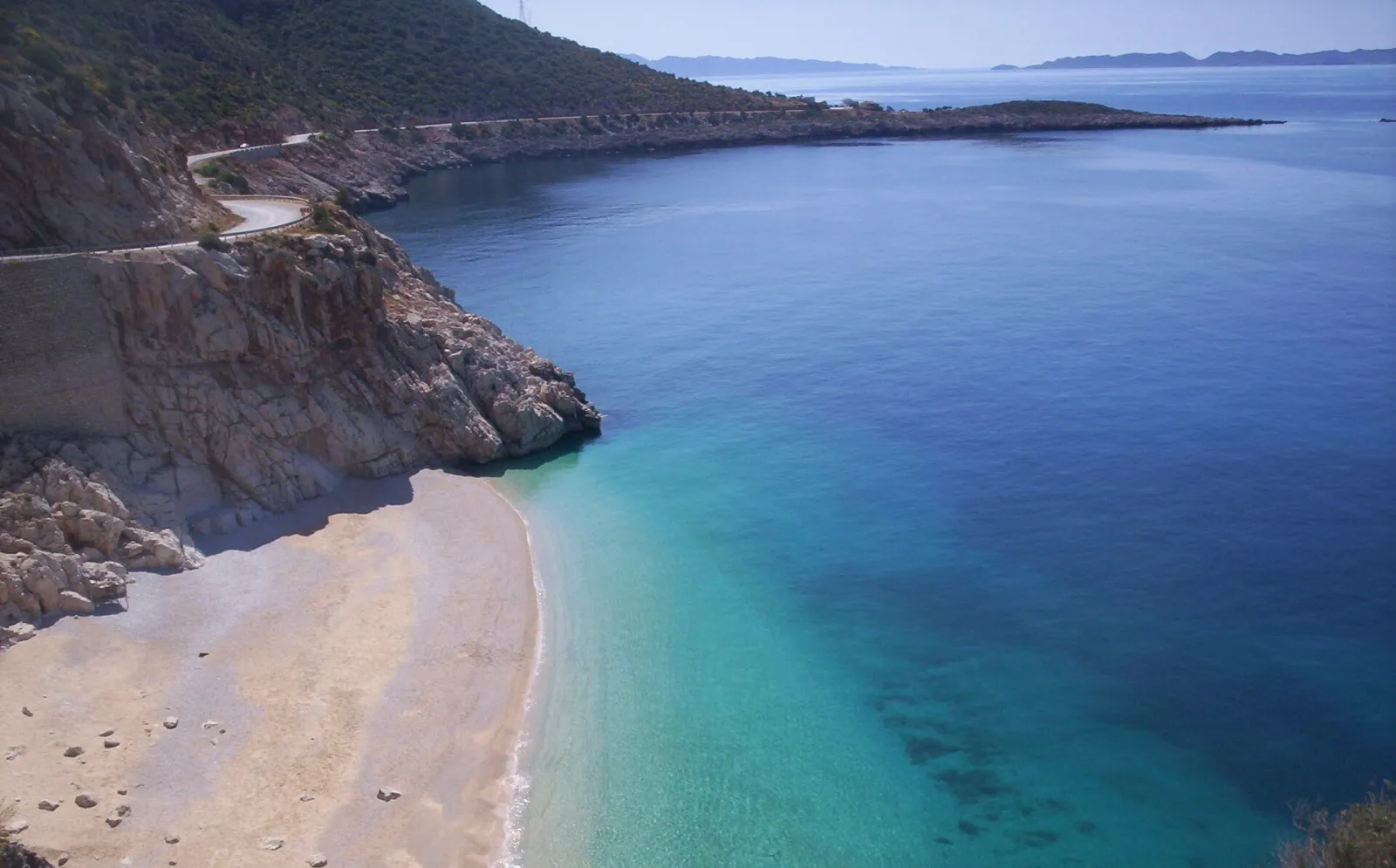
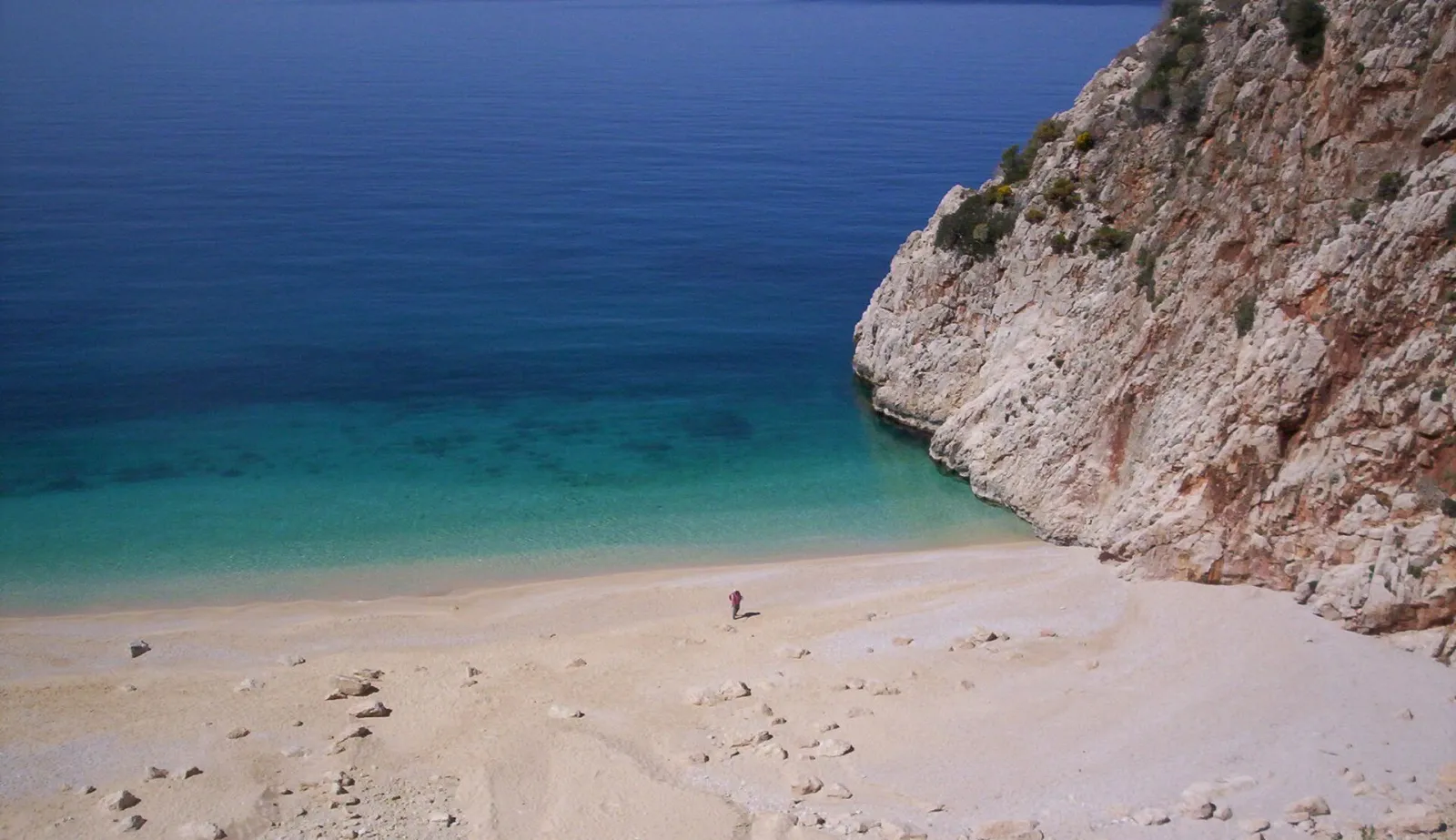
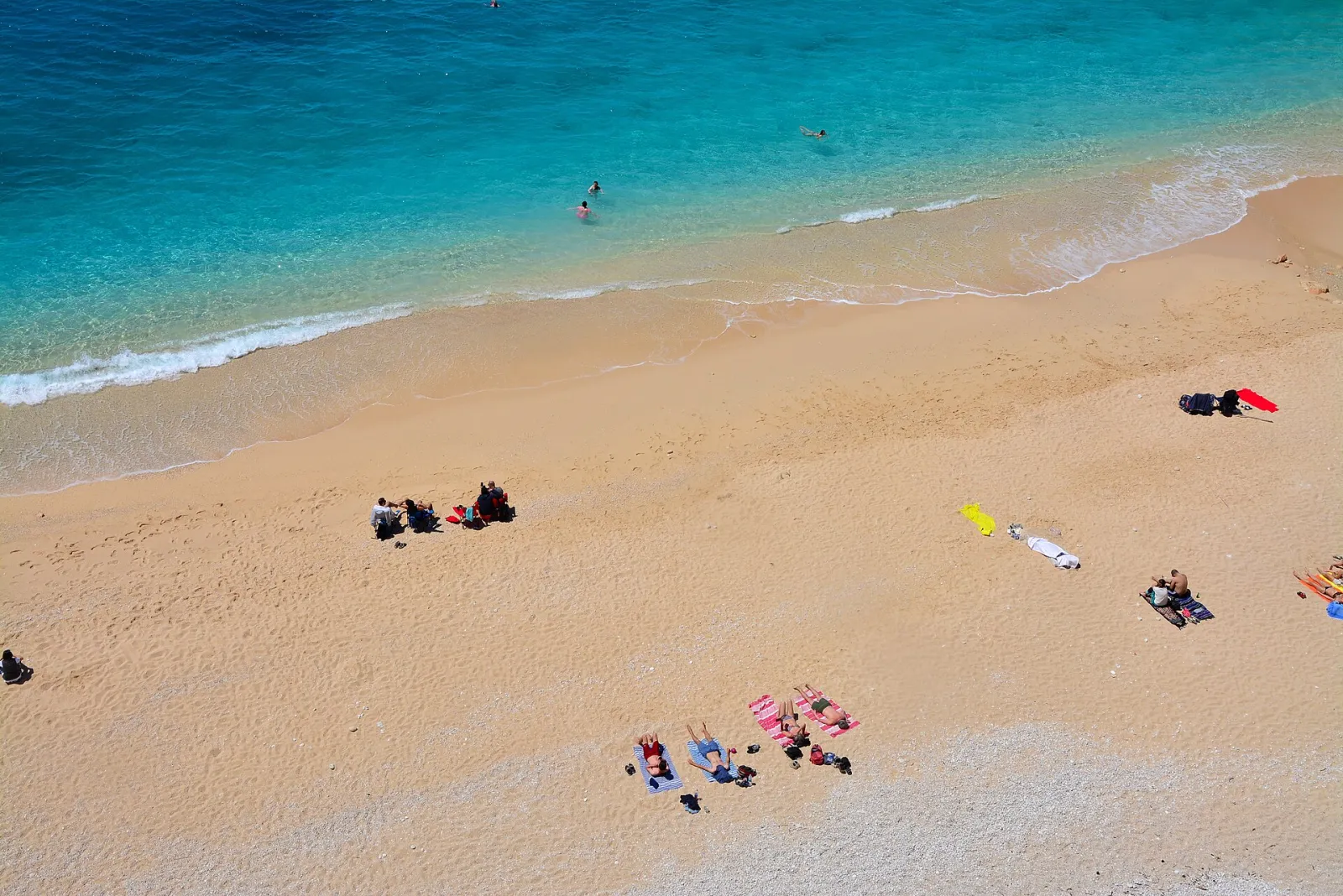
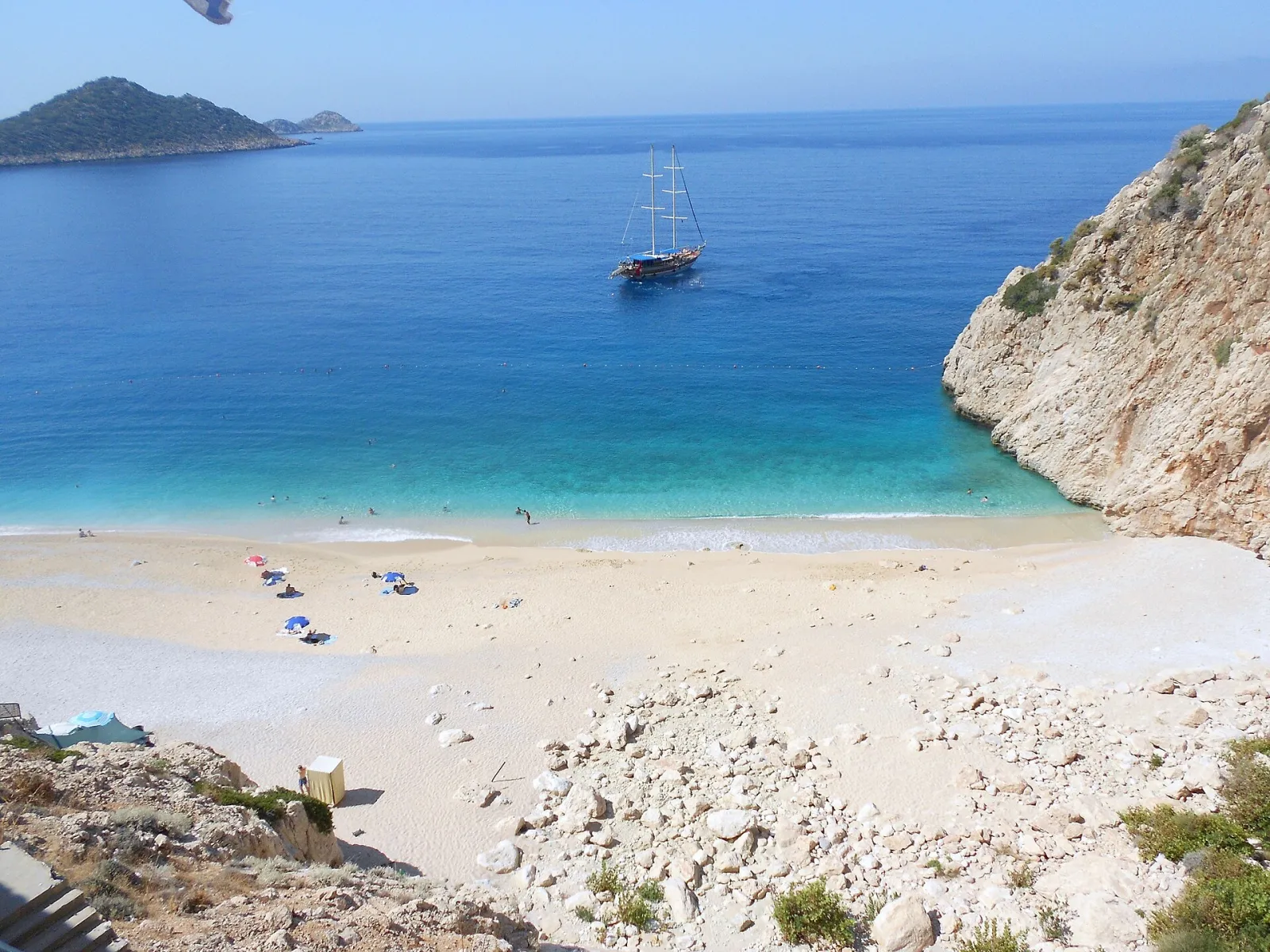
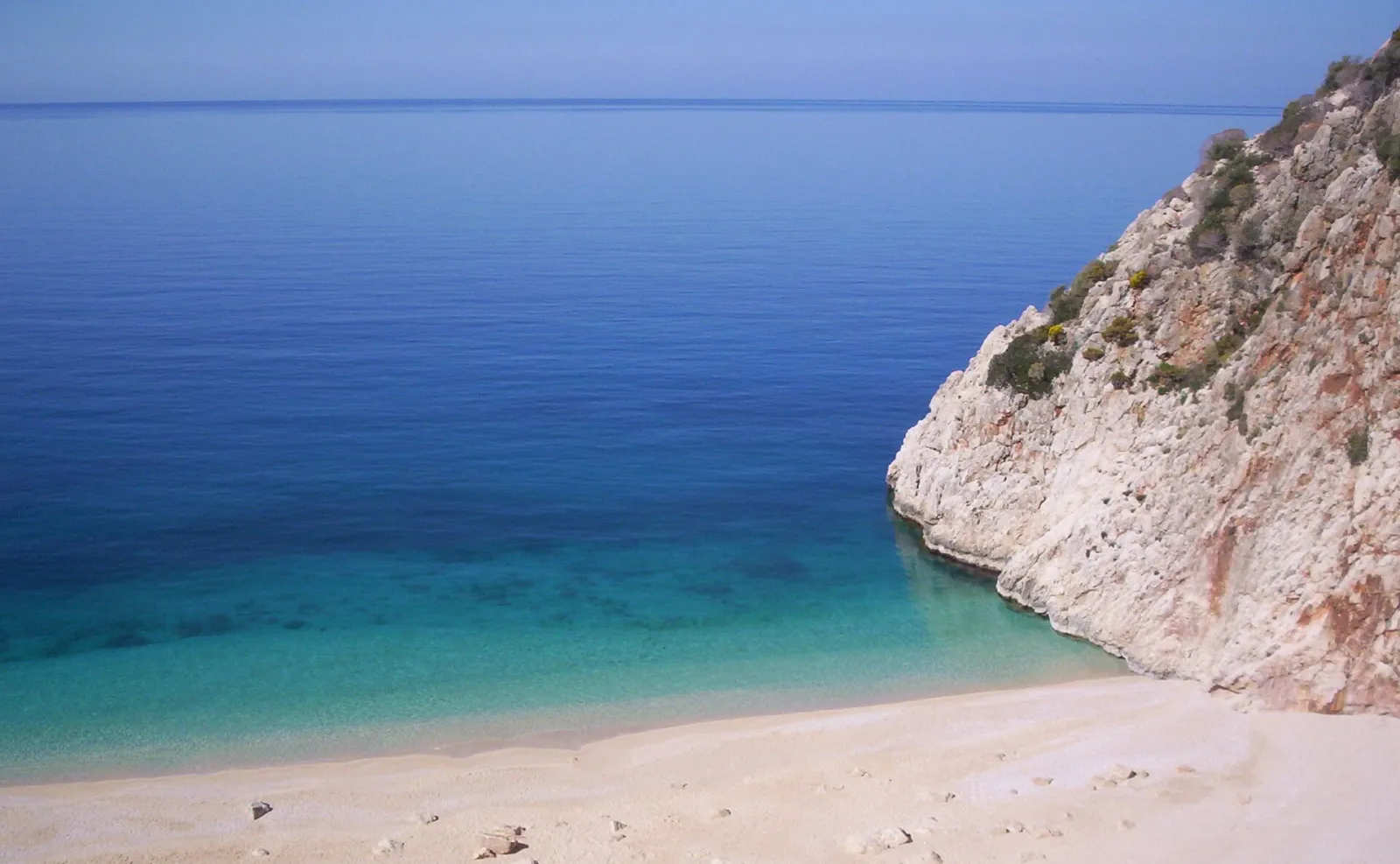
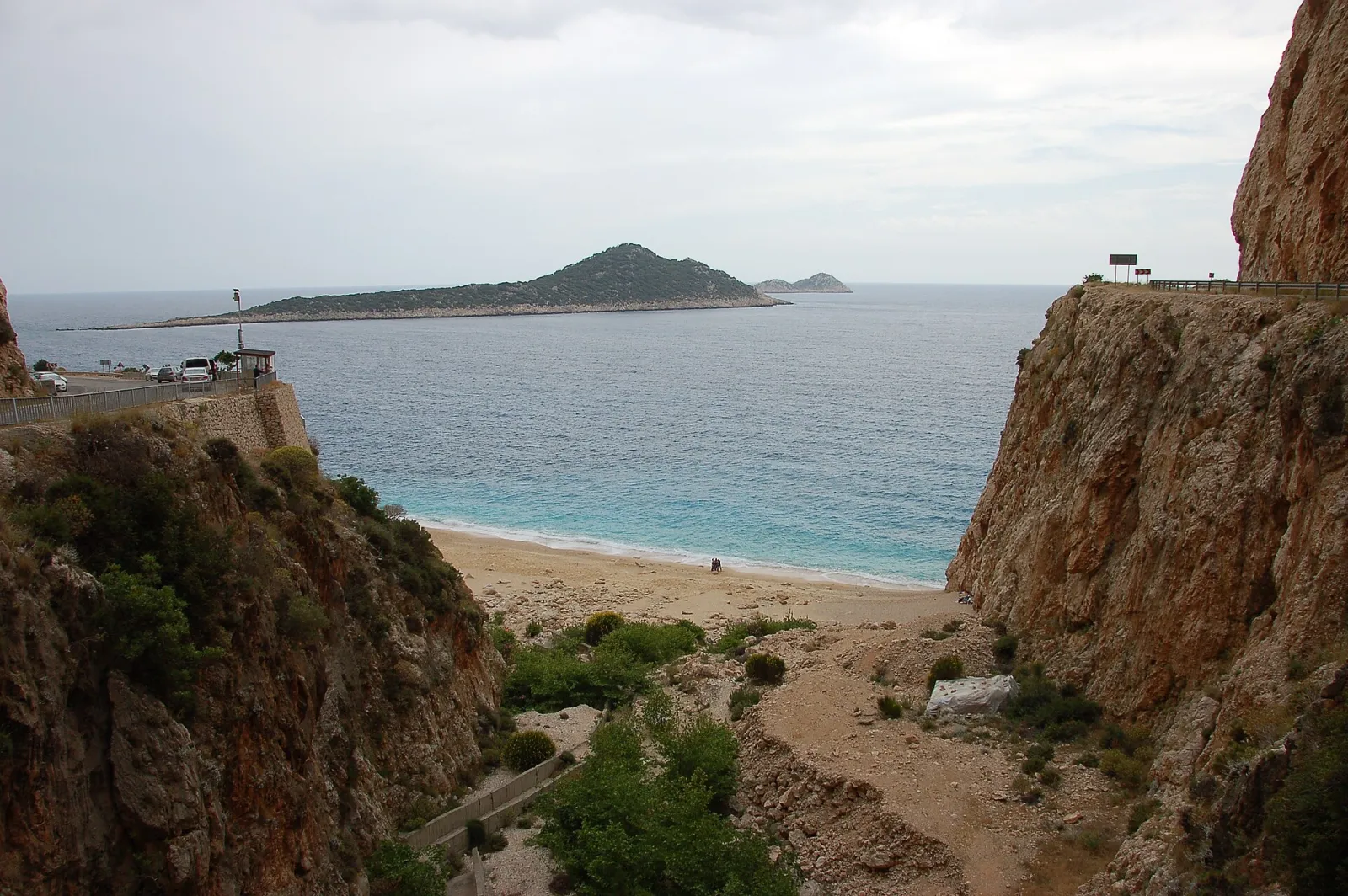
Kaputaş Beach is a stunning, natural sandy cove nestled at the mouth of a narrow gorge between the coastal towns of Kalkan and Kaş. Renowned for its brilliant turquoise waters, it stands as one of the most iconic and frequently photographed coastal landmarks along the Turkish Riviera.
Photos via Wikimedia Commons: HALUK COMERTEL (CC BY 3.0) · HALUK COMERTEL (CC BY 3.0) · BoraBora704 (CC BY-SA 4.0) · Angela Stefanoni (CC BY 3.0) · HALUK COMERTEL (CC BY 3.0) · Wusel007 (CC BY-SA 3.0)
History of Kaputaş Beach
The Lycian Foundation: The region surrounding Kaputaş, situated within the broader Kaş district, has been inhabited since the Stone Age. However, the area gained significant historical prominence under the Lycians, who established settlements across the Teke Peninsula. The ancient city of Antiphellus, located nearby, served as a vital port and a member of the powerful Lycian League, leaving behind a rich legacy of necropoleis and rock-cut tombs that define the archaeological landscape of the region.
Roman and Byzantine Eras: During the Hellenistic period and the subsequent Roman Empire, the coastal area flourished as a maritime hub. Antiphellus functioned as the primary port for the inland city of Phellus, facilitating trade and cultural exchange across the Mediterranean. The architectural remains from this era, including the well-preserved theatre in nearby Kaş, highlight the strategic importance of this coastline during antiquity.
Medieval Transitions: Following the decline of the Roman influence, the region faced various challenges, including Arab incursions that impacted local settlements. Eventually, the territory was integrated into the Anatolian Sultanate of Rum under the Seljuks, marking a shift in regional governance. Following the dissolution of the Seljuk power, the area transitioned under Ottoman administration, which oversaw the region for several centuries until the modern era.
Modern Developments: The 20th century brought significant demographic shifts, particularly the 1923 population exchange between Greece and Turkey, which altered the social fabric of the coastal towns. While the area remained relatively quiet for decades, the late 20th century saw the emergence of the region as a major tourism destination. Today, the preservation of natural sites like Kaputaş is balanced against the growth of the surrounding infrastructure, maintaining its status as a protected natural wonder.
Things to Do in Kaputaş Beach
Beach Relaxation and Swimming: The primary activity at Kaputaş is enjoying the pristine, turquoise waters and the unique pebble-and-sand beach. Because the beach is located at the mouth of a narrow gorge, it offers a dramatic backdrop for sunbathing and swimming. Visitors often spend the day relaxing in the natural setting, as there are no large-scale commercial developments directly on the sand, preserving its rugged, unspoiled atmosphere.
Coastal Exploration: The beach serves as a perfect starting point for exploring the D400 coastal road, which offers some of the most scenic driving routes in Turkey. Travelers can easily reach the nearby towns of Kaş and Kalkan, both of which are rich in history. In Kaş, visitors can explore the ancient Hellenistic theatre, wander through streets scented with jasmine, or visit the local markets that feature fresh produce from the surrounding villages.
Adventure and Diving: For those seeking more active pursuits, the area surrounding the beach is a hub for outdoor sports. The district is world-renowned for its scuba diving, with numerous dive centers in Kaş offering trips to artificial reefs, historical shipwrecks, and the experimental Archaeopark site. Additionally, the region is a gateway for trekking the Lycian Way, sea kayaking near the sunken ruins of Kekova, and canyoning in the nearby gorges.
Top Sights in Kaputaş Beach
Turquoise Waters
The beach is famous for its exceptionally clear and vibrant blue sea.
Gorge Setting
The beach is uniquely situated at the mouth of a narrow, dramatic canyon.
Staircase Access
Visitors reach the shore by descending a long, scenic flight of stairs from the road.
Coastal Scenery
The location offers breathtaking views of the Mediterranean coastline along the D400 route.
Natural Environment
It remains an unspoiled cove without any hotels or large buildings directly on the sand.
Travel Tips for Kaputaş Beach
Getting there: The beach is located on the D400 coastal road between Kalkan and Kaş. You can reach it easily using the local dolmuş buses that frequently travel between the two towns and stop at the road level above the beach.
Best time to visit: The Mediterranean climate provides hot, dry summers ideal for swimming. To avoid the largest crowds and the peak intensity of the midday sun, consider visiting in the early morning or late afternoon during the shoulder months.
What to wear / bring: The beach is accessed via a long staircase from the road, so comfortable footwear is recommended for the descent. Since the beach is a natural cove with limited facilities, ensure you bring adequate sun protection, water, and beach gear.
Day Tours that Visit Kaputaş Beach
Guided daily excursions in Antalya that include Kaputaş Beach.
 Day Tour
Shared
Kas & Kaputas Beach Day Trip from Side – Lycian Coast & Turquoise Cove
 Day Tour
Shared
Kas & Kaputas Beach Day Trip from Belek – Full-Day Coastal Excursion
 Day Tour
Shared
Kas & Kaputas Beach Day Trip from Kemer – Guided Lycian Coast Tour
 Day Tour
Shared
Kas & Kaputas Beach Day Trip from Antalya – Lycian Tomb & Turquoise Ba...
 Day Tour
Shared
Kekova, Demre and Myra Day Tour from Kalkan
 Day Tour
Shared
Daily Quad Safari in Kalkan Tour
 Day Tour
Shared
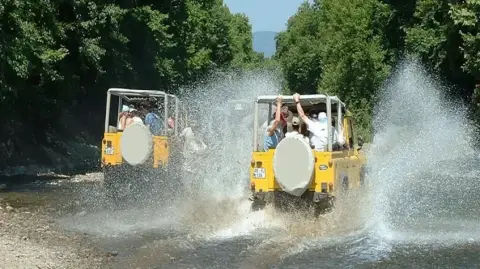
Daily Saklikent SUV Safari Tour from Kas
 Day Tour
Shared
Daily Quad Bike Rafting Zipline Activity Tour from Kas
Hotels in Kaputaş Beach
Hotels within walking distance of Kaputaş Beach — request your room online, we reply within 24 hours.
Kalkan Ayapa
3.7 km from Kaputaş Beach
Greenbeachhotels
3.8 km from Kaputaş Beach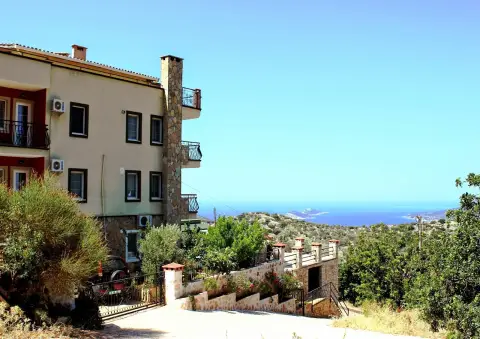
Apart Villa Asoa Butik Otel
3.8 km from Kaputaş Beach
Kalkan Beach Park & Hotel
3.9 km from Kaputaş Beach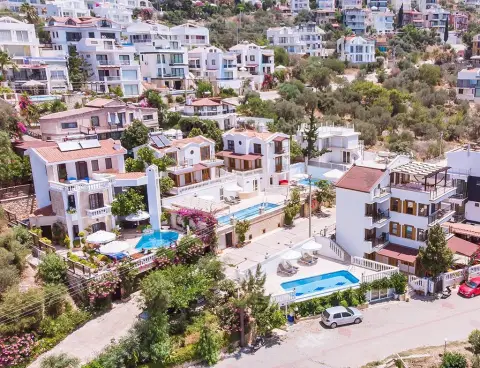
Kuluhana Hotel & Villas
3.9 km from Kaputaş Beach
Hotel Villa Mahal
3.9 km from Kaputaş Beach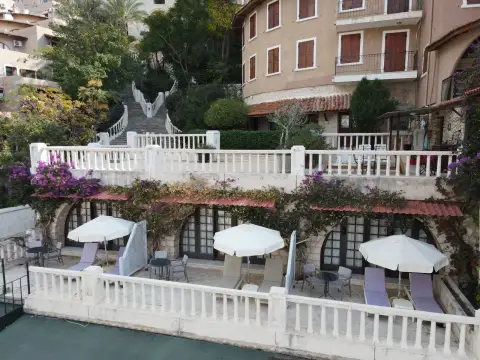
Patara Prince Hotel & Resort
4 km from Kaputaş Beach
Sultan Hotel Kalkan
4.3 km from Kaputaş Beach
Su Butik Hotel
4.7 km from Kaputaş Beach
Casa Pery Hotel & Wellness
4.7 km from Kaputaş Beach
Old Town Hotel Kalkan
4.8 km from Kaputaş Beach
Kalkan Port Hotel
4.8 km from Kaputaş Beach
Courtyardwhitehouse
4.8 km from Kaputaş Beach
Kalkan Han Hotel
4.9 km from Kaputaş Beach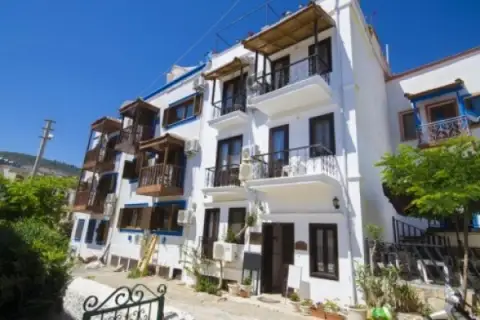
Kleo Butik Otel Kalkan
4.9 km from Kaputaş Beach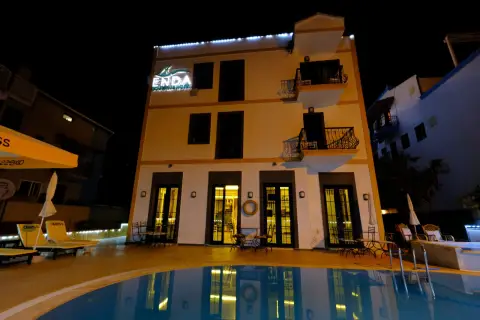
Enda Boutique Hotel
5 km from Kaputaş BeachKaputaş Beach – Frequently Asked Questions
Is there parking available at Kaputaş Beach?
Parking is limited along the narrow coastal road above the beach. Most visitors prefer to arrive by local dolmuş bus to avoid parking difficulties.
Are there sunbeds and umbrellas for rent?
During the main tourist season, there are typically basic facilities like sunbeds and umbrellas available for rent. However, these are subject to availability and seasonal demand.
Is the beach suitable for children?
The beach is beautiful, but the water can get deep relatively quickly. Families should supervise children closely at all times while swimming.
Are there restaurants on the beach?
There are no permanent restaurants or hotels located directly on the beach. It is recommended to bring your own water and snacks for the day.
How many stairs are there to reach the beach?
The beach is accessed via a long staircase leading down from the main road. It is a steep walk, so please be prepared for the climb back up.