Kafes
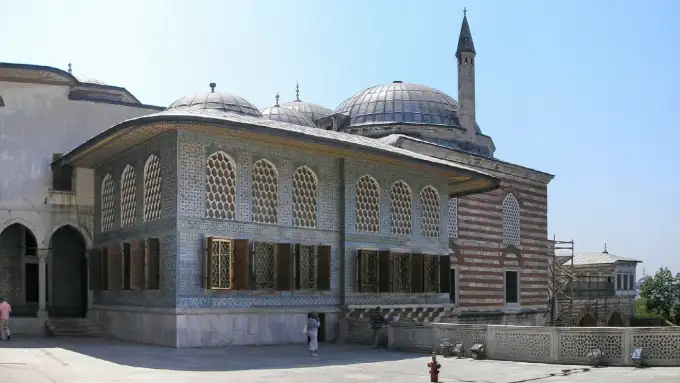
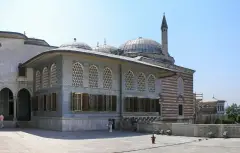
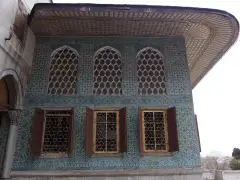
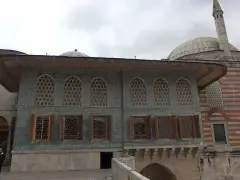
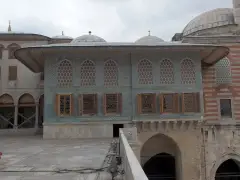
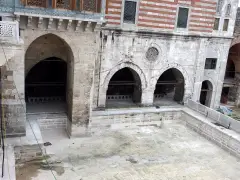
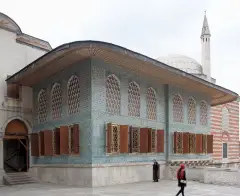
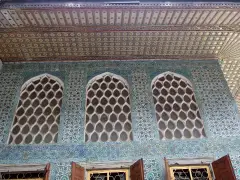
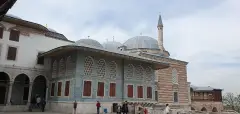
Photos: Gryffindor This panoramic image was created with Autostitc, Public domain · Mark Ahsmann, CC BY-SA 3.0 · Yair Haklai, CC BY-SA 4.0 — via Wikimedia Commons
Discover the history of Kafes, the Ottoman Imperial Harem section where princes were confined, located in Istanbul's historic palace complex.
ℹ️ About Kafes
Kafes refers to the section of the Imperial Harem within the Ottoman Palace where potential successors to the throne were kept under house arrest. The term literally translates to "cage," reflecting the strict surveillance and confinement imposed on these princes by palace guards. This system was designed to ensure the continuity of the dynasty while preventing succession wars among rival brothers.
Located within the historic palace complex in Istanbul, this area served as a residence for male members of the Ottoman family who were not currently ruling. It functioned as a secure holding area for heirs, cousins, and nephews, isolating them from political influence and external affairs until they were called to ascend to the sultanate.
History
The practice of confining heirs emerged to prevent the violent succession wars that characterized the early Ottoman Empire, where new sultans often killed their brothers to eliminate rivals. The first formal use of the Kafes occurred after Ahmed I died in 1617. When his young son Osman II succeeded, the Imperial Council altered succession rules to allow the late sultan's brother, Mustafa I, to take the throne. Mustafa I became the first official inmate of the Kafes after being deposed the following year.
In 1687, agnatic seniority was adopted as the rule of succession, prioritizing older male relatives over sons. Princes were typically confined to the Kafes upon leaving the harem at puberty, ending their formal education. This isolation meant many sultans ascended to power without experience in government. The degree of confinement varied; Sultan Abdülaziz allowed his nephews some freedom, even taking them to Europe, while other periods enforced strict isolation with barren concubines to limit offspring.
The psychological impact of long-term confinement was severe, leading to disorders and suicides among inmates. The last sultan, Mehmet VI Vahidettin, spent most of his life in the Kafes or harem, marking the longest confinement of a sultan. By the dynasty's end, the Kafes became a metaphor for princely confinement, as actual imprisonment locations shifted to palaces like Dolmabahçe and Beylerbeyi, while the original Topkapı Palace fell into disuse.
What to See
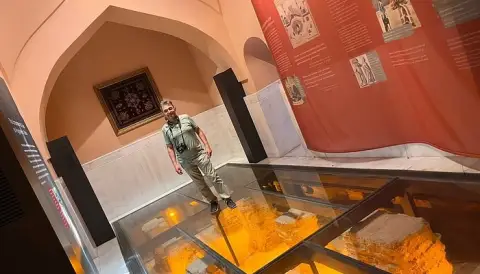
Visitors to the Imperial Harem can explore the architectural spaces associated with the Kafes system. While the specific cells may not be open for entry, the surrounding areas of the Topkapı Palace provide context for the lives of the confined princes.
- The Imperial Harem quarters, where princes lived before confinement.
- Architectural features of the palace that illustrate the separation of living spaces.
- Historical exhibits detailing the succession practices of the House of Osman.
Visiting Tips
Wear comfortable shoes as the palace grounds involve significant walking. Dress modestly, covering shoulders and knees, as this is a respectful site. Combine your visit with other nearby historic structures in Istanbul to maximize your cultural experience.
Hotels near Kafes
- Legacy Ottoman Hotel ★★★★★ 0.8 km
- Sura Hagia Sophia Hotel ★★★★★ 0.8 km
- Demiray Hotel ★★★★★ 0.9 km
- The Peninsula Istanbul ★★★★★ 1.1 km
- JW Marriott Istanbul Bosphorus ★★★★★ 1.2 km
- Eresin Hotel Sultanahmet ★★★★★ 1.4 km
More Museums in Istanbul
Kafes – Frequently Asked Questions
What is Kafes?
Kafes refers to the section of the Imperial Harem within the Ottoman Palace where potential successors to the throne were kept under house arrest.
Where is Kafes located?
Kafes is in Fatih, Istanbul, Turkey.
Do children need a ticket at Kafes?
Children aged 0–6 enter Kafes free of charge. Visitors aged 7 and over need a full ticket.
What other museums can I visit in Istanbul?
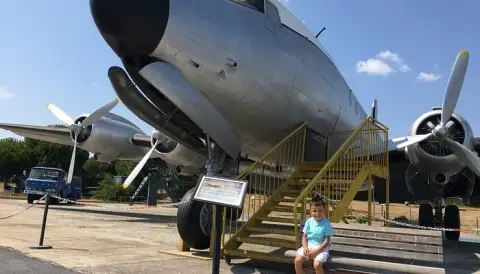
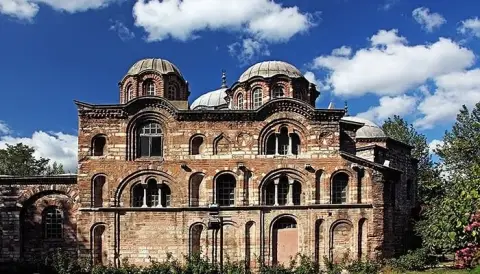
Other museums in Istanbul include Asiyan Museum, Aviation Museum and Fethiye Muzesi (Pammakaristos Church).