Priene, Izmir
📍 Söke, Aydın, Izmir, Turkey
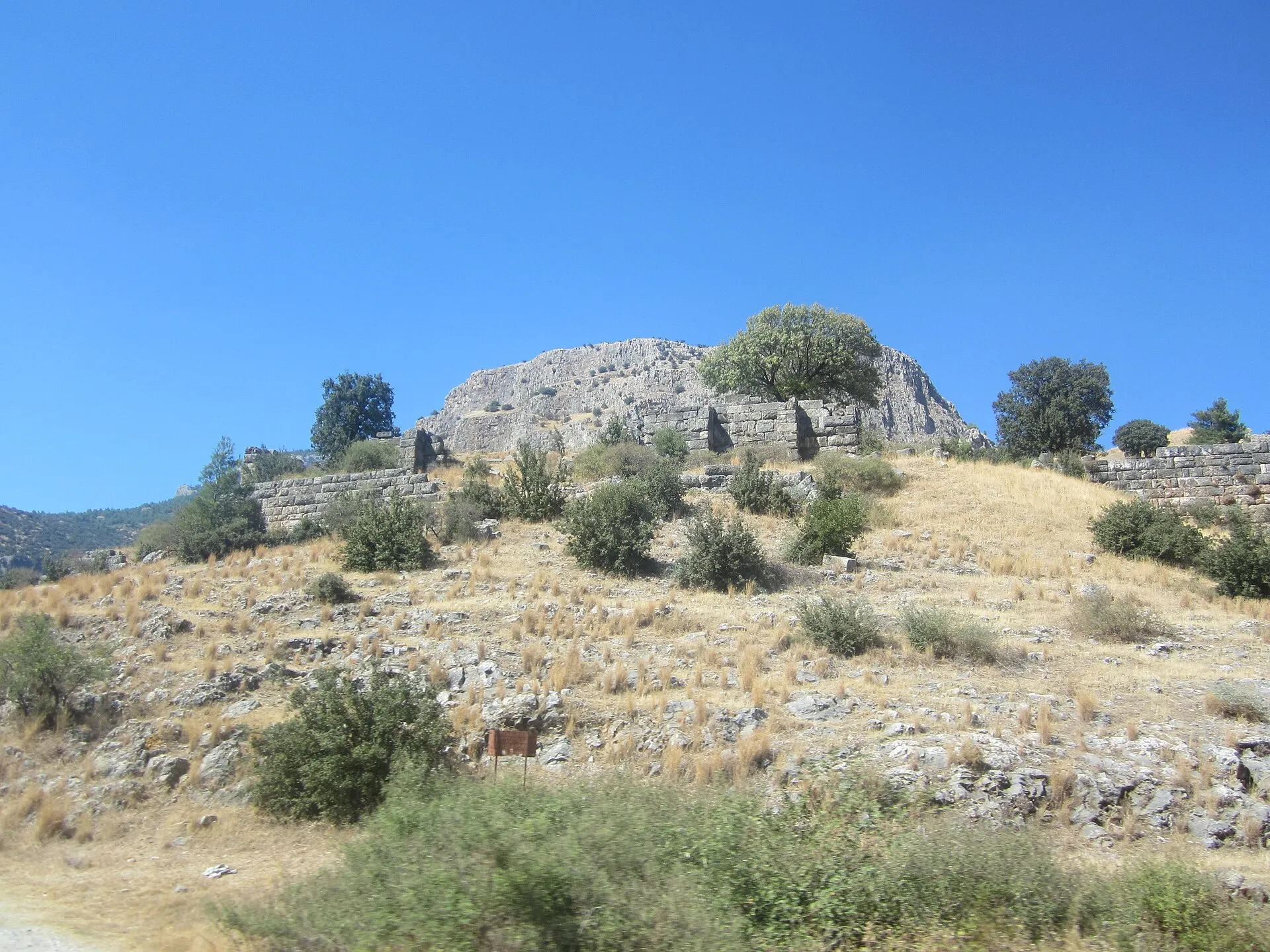
Priene is a remarkably preserved ancient Greek city in Turkey, showcasing Hellenistic urban planning on the slopes of Mount Mycale. Travellers visit to explore its marble ruins, including the Temple of Athena and theatre, set against a scenic inland landscape.
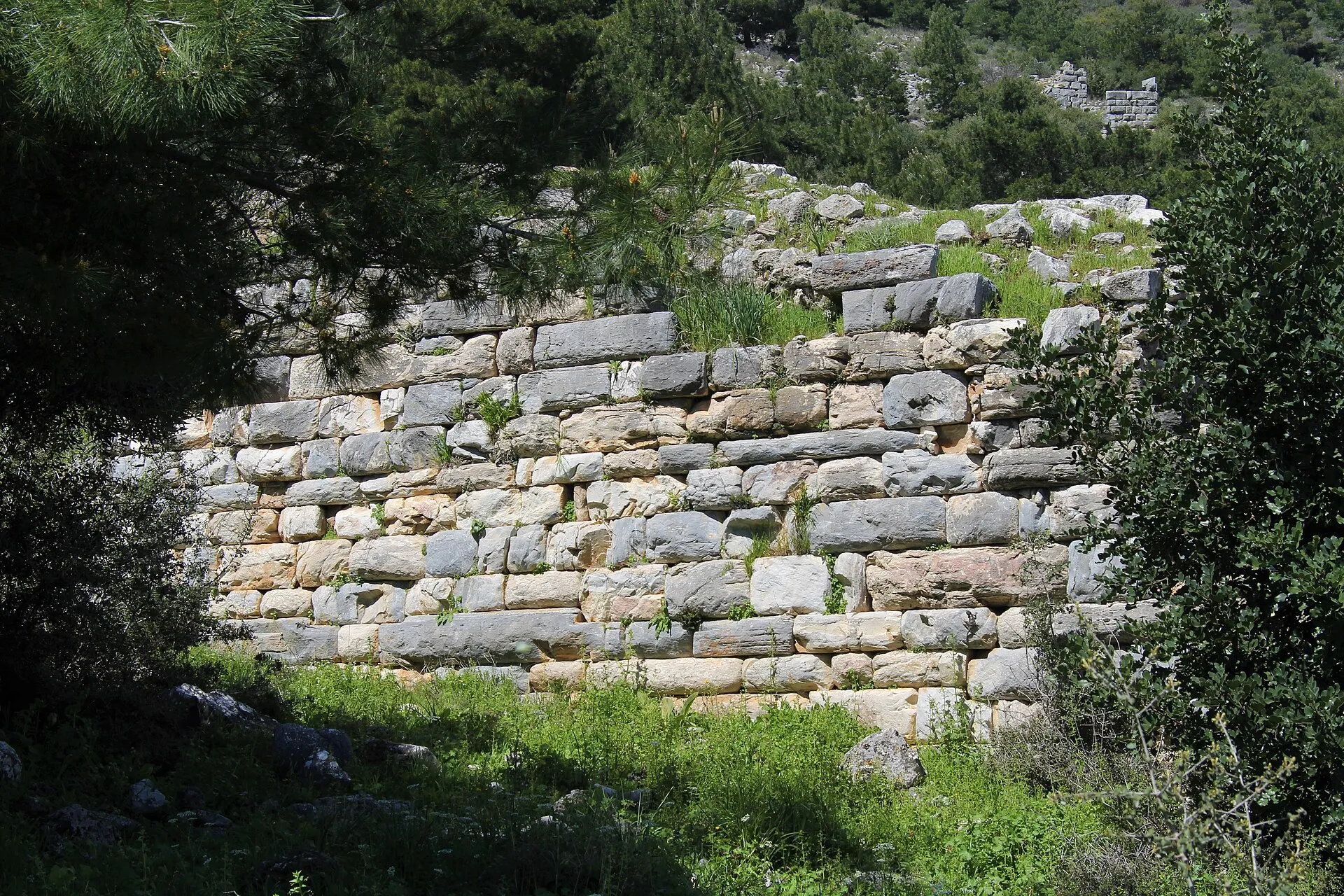
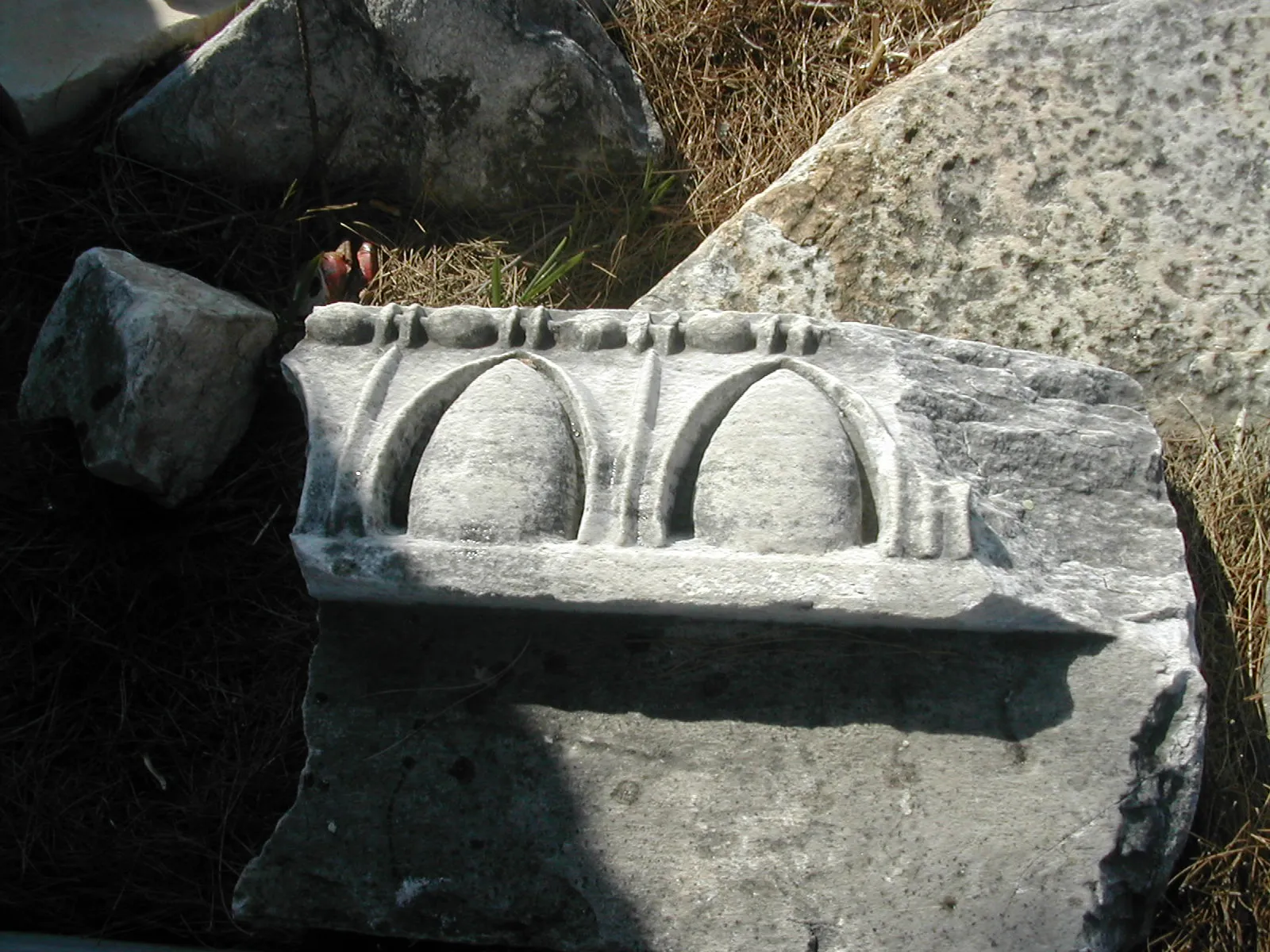
Photos via Wikimedia Commons: Tomisti (CC BY-SA 4.0) · Tomisti (CC BY-SA 4.0) · Tomisti (CC BY-SA 4.0) · Tomisti (CC BY-SA 4.0) · Rabe! (CC BY-SA 4.0) · Thérèse Gaigé (CC BY-SA 3.0)
History of Priene
Priene was originally a port city of Ionia, founded by colonists from Thebes around 1000 BCE. Due to severe environmental challenges caused by the Maeander River's siltation, the city relocated multiple times. The current site was planned and constructed in the 4th century BCE under the direction of the Carian satrap Mausolus and later Alexander the Great, who intended it to be a model deep-water port.
The city was designed with a strict grid pattern on steep terraces, featuring sophisticated water distribution and sewer systems. Alexander the Great personally funded the Temple of Athena Polias, designed by the architect Pytheos, which was dedicated in 323 BCE. Most public buildings were financed by wealthy citizens, resulting in high-quality Hellenistic art and architecture that remains intact today.
Despite its grand design, Priene's function as a port was short-lived. By the 1st century BCE, the Maeander River had silted up the bay, cutting off access to the sea. The population gradually declined and shifted to nearby Miletus, which eventually suffered the same fate. By the 3rd century CE, the entire Bay of Miletus was filled with sediment, leaving Priene an inland site.
In later centuries, the site was known as Sampson, referencing the biblical hero Samson. It remained under Byzantine control until the late 13th century before Turkish settlement increased in the area. Following the population exchange in 1923, the remaining Greek inhabitants left, and the nearby Turkish village moved to Güllü Bahçe. Archaeological study of the site has continued since the 18th century, revealing it as one of the most complete examples of an ancient Greek city.
Things to Do in Priene
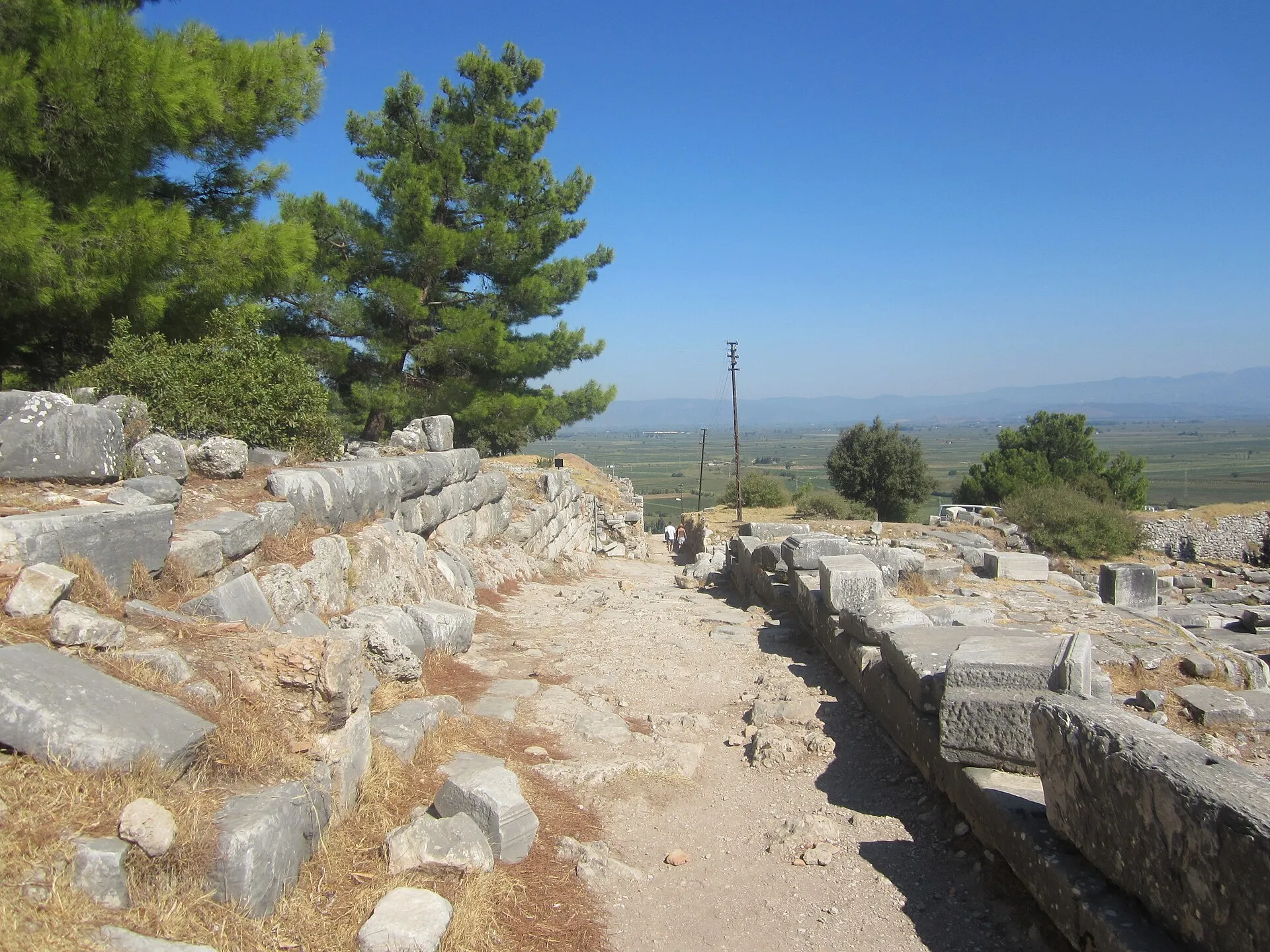
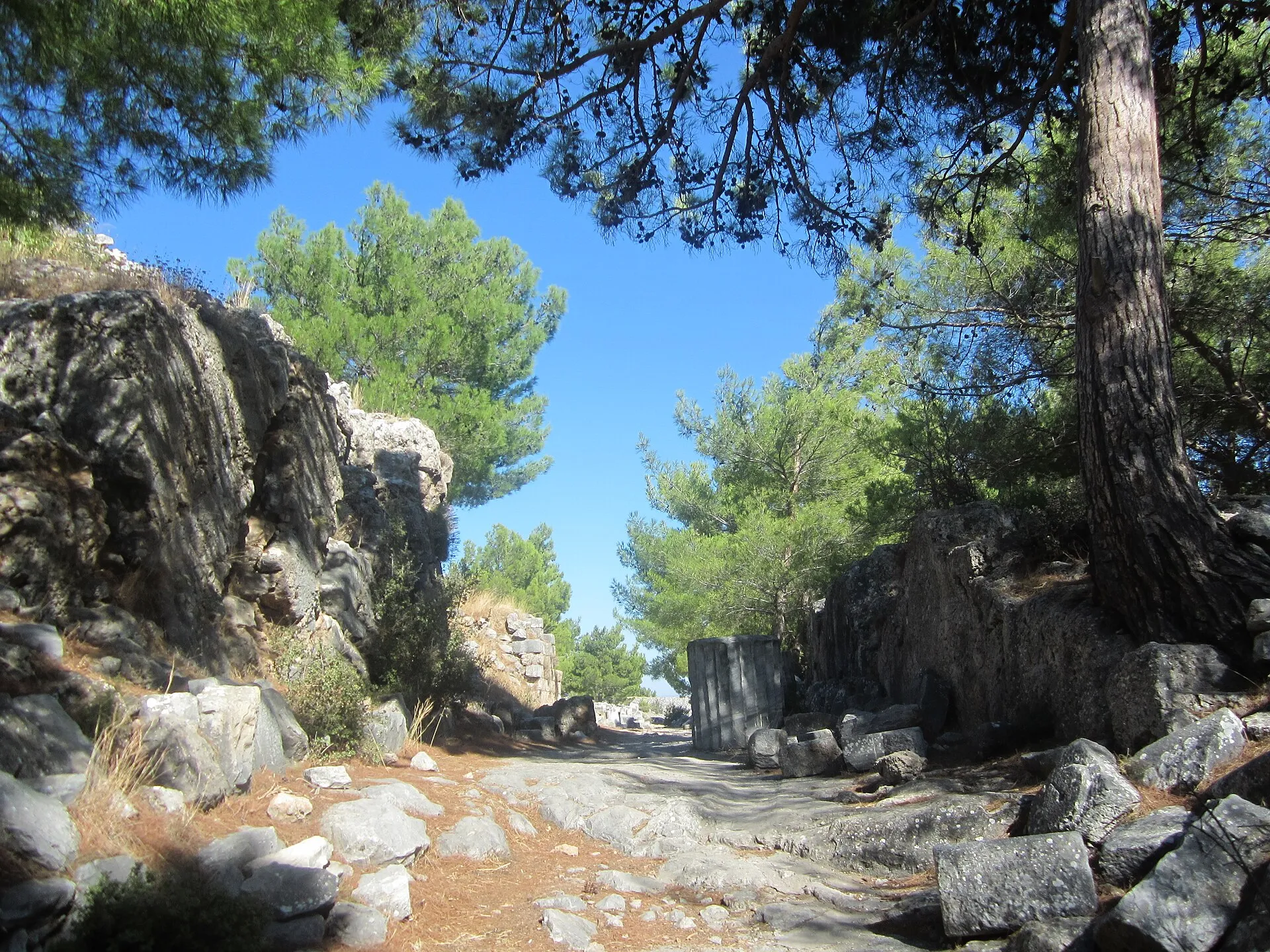
The primary attraction is the extensive archaeological site itself, where visitors can walk along original marble-paved streets and stairways. Key structures include the Temple of Athena Polias, the Bouleuterion (council house), and the Agora. The well-preserved theatre offers a clear view of the city's tiered layout and acoustic design, providing insight into Hellenistic civic life.
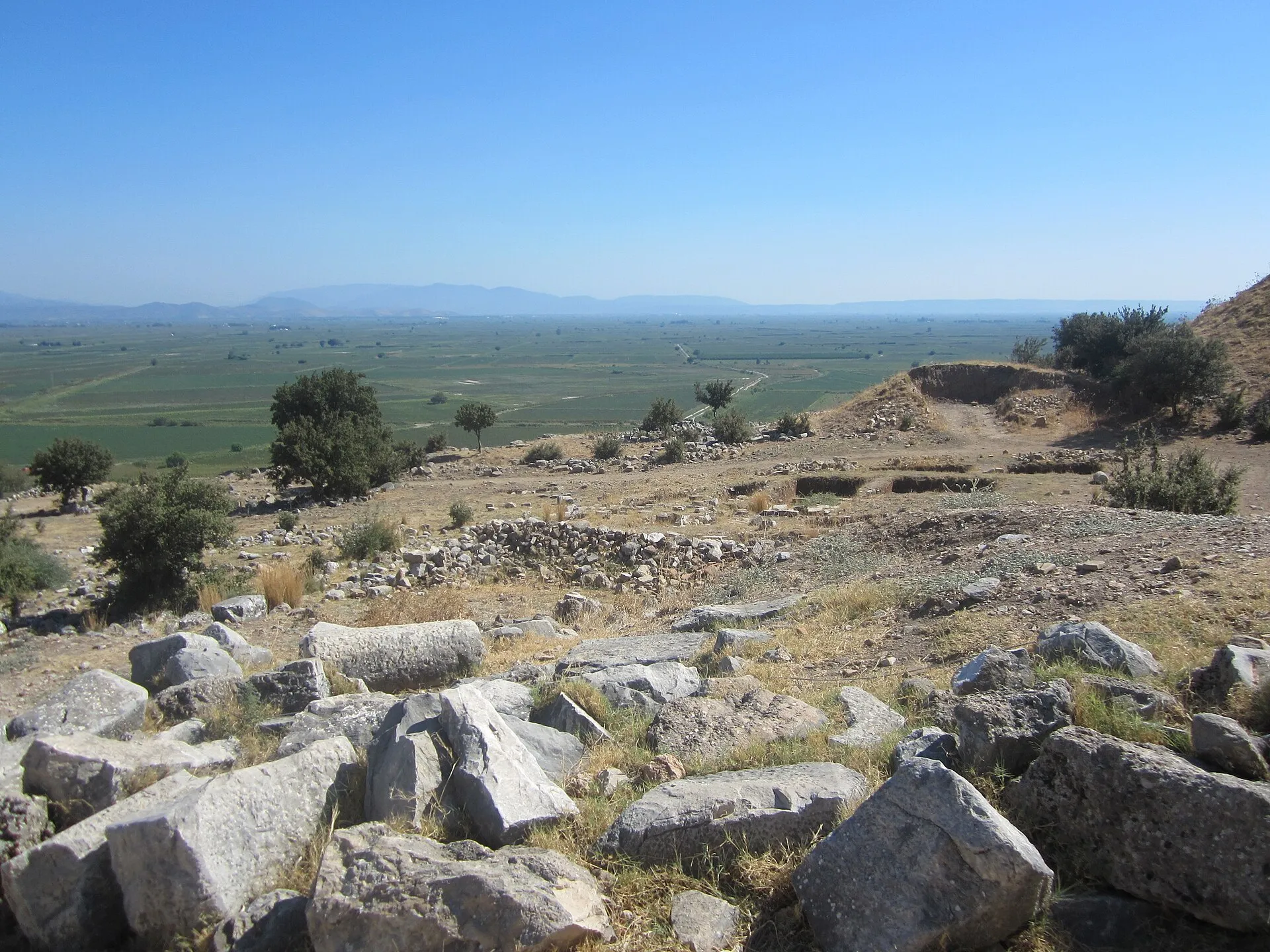
For those interested in religious history, the Sanctuary of Demeter and the Sanctuary of Zeus Olympios are located on the upper terraces. The Acropolis can be reached via a narrow path from the main city area, offering panoramic views of the surrounding plain and the distant hills of Mycale. The site's grid system and residential foundations are clearly visible, allowing visitors to trace the layout of ancient homes.
After exploring the ruins, travellers often visit the nearby village of Güllübahçe, which sits close to the site. The area is characterized by fertile agricultural land, a stark contrast to the ancient coastline. Walking the perimeter of the site allows for appreciation of the engineering feats, such as the drainage channels and water cisterns that survived centuries of abandonment.
Top Sights in Priene
Temple of Athena Polias
Dedicated by Alexander the Great in 323 BCE, this temple was designed by the architect Pytheos. Its dedicatory inscription is now held in the British Museum.
The Theatre
A well-preserved Hellenistic theatre built into the hillside, offering excellent acoustics and views of the city's grid layout.
The Agora
The commercial heart of the city, surrounded by stoas and shops, reflecting Priene's role as a trading hub before the siltation.
Bouleuterion
The council house where citizens gathered for political discussions, showcasing the city's democratic institutions.
Residential Quarter
Foundations of private homes with mosaics and drainage systems, illustrating daily life in a planned Greek city.
Travel Tips for Priene
Getting there: Priene is located in the Söke district of Aydın Province. It is accessible by car from Kuşadası or Didim, with the nearest major town being Söke. Public transport options are limited, so hiring a private driver or joining a guided tour is often the most convenient method for visitors without a rental car.
Best time to visit: Spring and autumn offer the most comfortable temperatures for exploring the open-air ruins. Summer days can be extremely hot, with little shade available on the terraced slopes. Visiting early in the morning helps avoid the midday heat and crowds, providing a more peaceful experience of the archaeological site.
What to wear / bring: Sturdy footwear is essential as the marble streets and stairs can be uneven and slippery. Bring sufficient water and sun protection, including a hat and sunscreen, as the site is largely exposed to the sun. A camera is recommended to capture the detailed stonework and the expansive views from the upper terraces.
Visiting the site: current opening days and visitor information are on our museum page: Aydın Priene Archeological Site.
Day Tours that Visit Priene
Guided daily excursions in Izmir that include Priene.
Priene – Frequently Asked Questions
Why is Priene no longer on the coast?
The Maeander River deposited vast amounts of silt into the bay over centuries, filling in the harbour and pushing the coastline westward. This environmental change turned the former port city into an inland site.
How does Priene compare to Ephesus?
Priene is smaller and less crowded than Ephesus, offering a more intimate experience of Hellenistic urban planning. While Ephesus is larger and more famous, Priene is often considered the best-preserved example of a planned Greek city.
Is the site suitable for people with mobility issues?
The site is built on steep slopes with uneven marble stairs and terraces, which can be challenging for those with limited mobility. Visitors should prepare for significant walking and climbing.
What was the original purpose of the city?
Priene was designed as a model deep-water port and a showcase of Hellenistic urban planning. It was intended to be a permanent, well-organized settlement with distinct political, cultural, commercial, and religious districts.
Can I visit Priene and Miletus on the same day?
Yes, the two sites are relatively close to each other in the Söke district. Many travellers combine them in a single day trip, as both are significant archaeological sites in the same region.