Miletus, Izmir
📍 Didim, Aydın, Izmir, Turkey · Milet
Miletus was a powerful ancient Greek city on Anatolia's western coast, renowned for its maritime wealth and intellectual contributions. Travellers visit to explore its vast archaeological ruins, including the famous grid-plan streets and the nearby sanctuary of Apollo at Didyma.
Photos via Wikimedia Commons: Rabe! (CC BY-SA 4.0) · Oliver Kloss (CC BY-SA 4.0) · Rabe! (CC BY-SA 4.0)
History of Miletus
Miletus emerged as a significant settlement during the Neolithic period, with early inhabitants drawn to the strategic islands at the Maeander River mouth. By the Middle Bronze Age, the city was heavily influenced by Minoan civilization, receiving trade artifacts from Crete around 2000 BC. This early connection supports legends of Cretan founders, establishing Miletus as a key maritime hub long before its classical prominence.
During the Late Bronze Age, Miletus became a Mycenaean stronghold and a focal point of conflict between the Hittite Empire and Ahhiyawa. Historical records, including the Tawagalawa letter, detail political tensions and military raids, such as the burning of the city by Hittite generals. The city’s eventual destruction during the Bronze Age collapse, likely by Sea Peoples, marked a dramatic end to its early imperial connections.
In the Archaic period, Miletus rose to prominence as a leading member of the Ionian League. It established dozens of colonies across the Black Sea and Mediterranean, driving Greek expansion and trade. The city’s independence was fiercely defended by tyrant Thrasybulus against the Lydian Empire, while its intellectual life flourished through the Milesian school, home to philosophers like Thales and Anaximander.
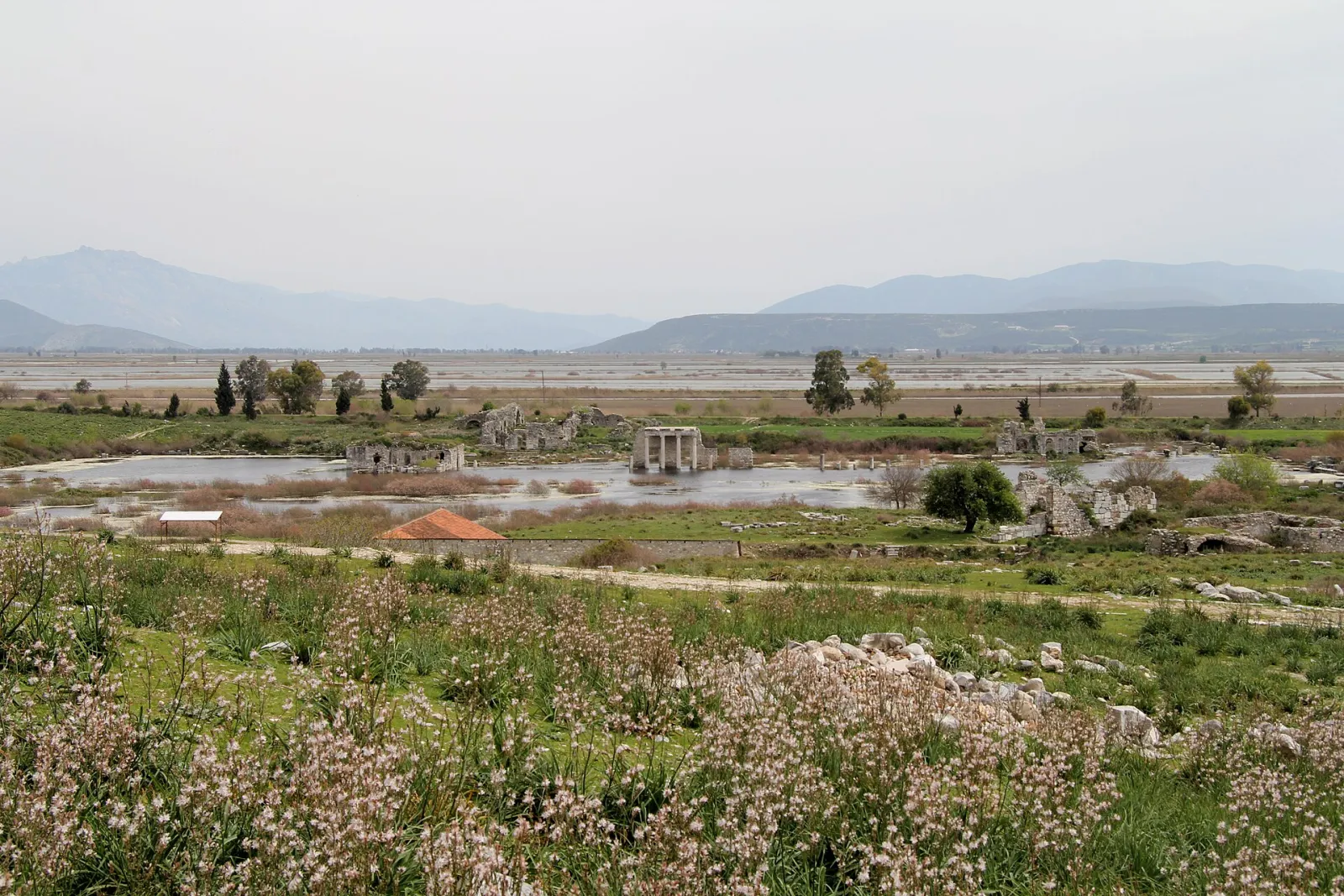
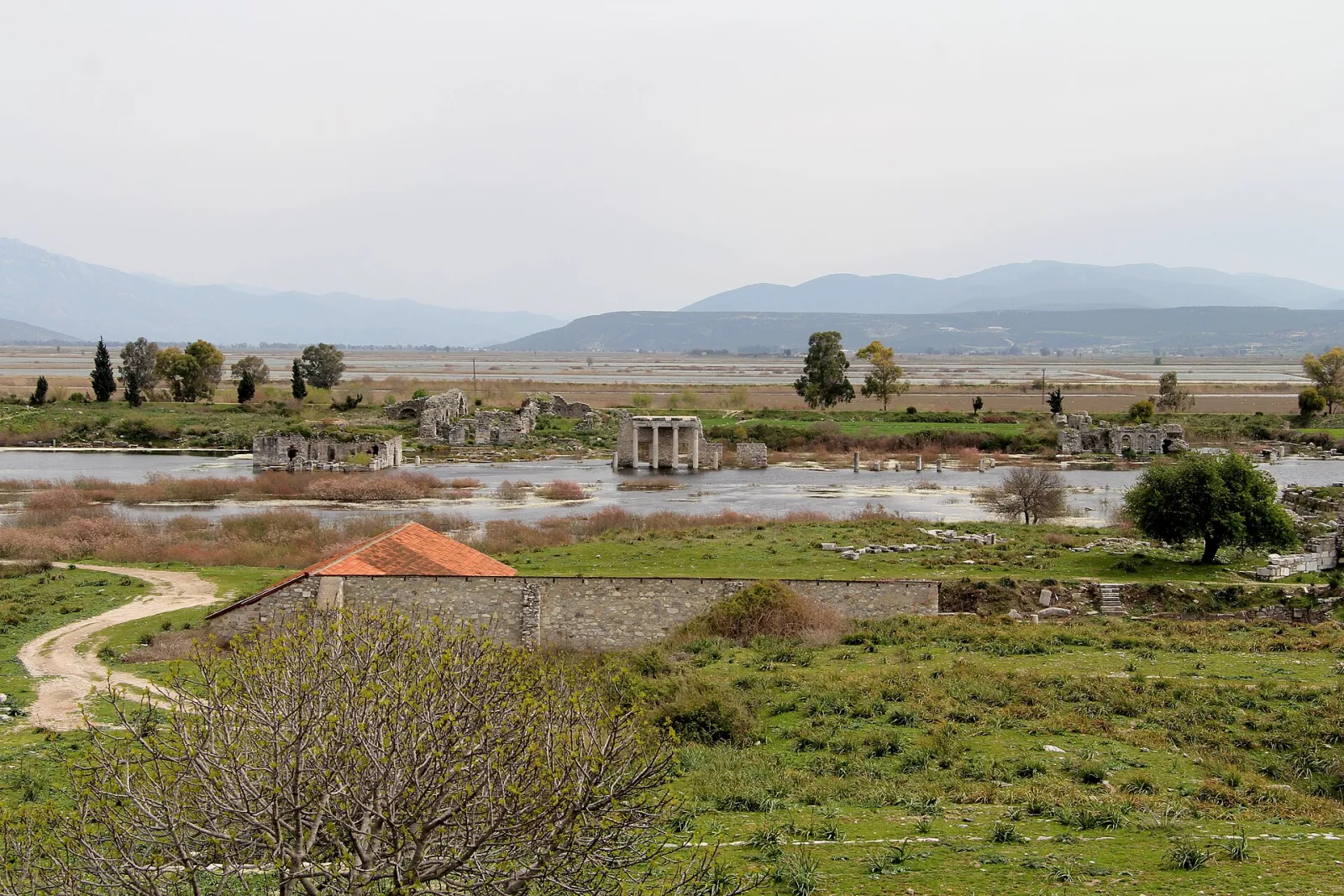
Under Roman rule, Miletus retained its status as a cultural and administrative center, featuring sophisticated urban planning and public buildings. However, the gradual silting of the Maeander River transformed the coastline, moving the sea away from the city and contributing to its eventual decline. Archaeological excavations have since revealed layers of history, from Bronze Age fortifications to Roman baths, preserving the legacy of this once-thriving metropolis.
Things to Do in Miletus
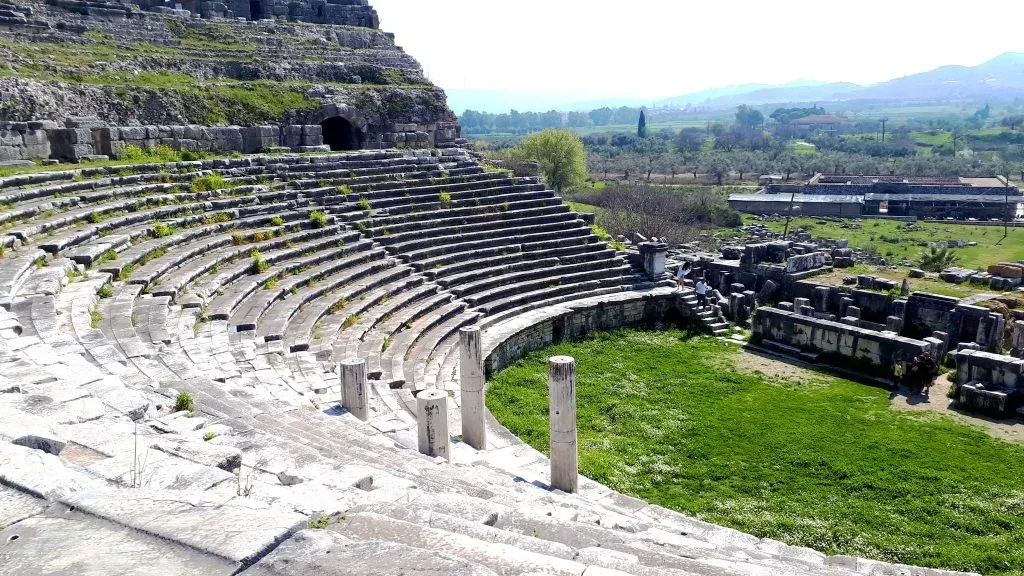
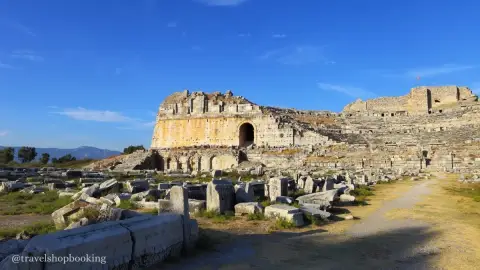
The primary attraction is the extensive archaeological site of Miletus itself, where visitors can walk along the well-preserved grid-plan streets associated with the town planner Hippodamus of Miletus. Key structures include the massive Roman theatre, which could seat thousands, and the Faustina Baths, showcasing advanced Roman engineering. The site offers a tangible sense of the city’s scale and urban sophistication during its peak.
Just a short drive away lies the Sanctuary of Apollo at Didyma, one of the most important oracles in the ancient world. Although the temple was never fully completed, its colossal columns and intricate carvings remain impressive. The Sacred Way connecting Miletus to Didyma was a major pilgrimage route, and the site provides deep insight into religious practices of the era.
For a broader perspective, travellers can visit the nearby town of Didim, which offers access to the coastline and local markets. The area around the Maeander Delta also features Lake Bafa, a natural reserve where visitors can observe birdlife and enjoy the scenic landscape that once supported Miletus’s agricultural hinterland.
Top Sights in Miletus
Roman Theatre
A huge theatre for about 15,000 spectators that once faced the city's harbour, with well-preserved seating tiers.
Faustina Baths
Large Roman bath complex named after Empress Faustina, showcasing intricate heating systems and marble floors.
Hippodamean Grid Plan
The city’s distinctive orthogonal street layout, considered one of the earliest examples of planned urban design.
Temple of Apollo at Didyma
The ruins of a colossal temple dedicated to Apollo, famous for its oracle and unfinished colonnade.
Sacred Way
The ancient processional road connecting Miletus to Didyma, lined with statues and monuments.
Travel Tips for Miletus
Getting there: Miletus is located near Didim, accessible by car or bus from Aydın or Kuşadası. The site is a short drive from the town centre, and local dolmuş services may connect nearby towns, though private transport offers more flexibility for exploring the wider region.
Best time to visit: Spring and autumn provide the most comfortable weather for exploring the open-air ruins. Summer days can be extremely hot, so early morning visits are recommended to avoid the midday sun and crowds, ensuring a more peaceful experience among the stones.
What to wear / bring: Wear sturdy, comfortable footwear as the terrain is uneven and rocky. Bring sufficient water, sun protection, and a hat, as shade is limited across the archaeological site. A guidebook or audio guide can enhance understanding of the complex historical layers.
Visiting the site: current opening days and visitor information are on our museum page: Aydın Milet Museum.
Day Tours that Visit Miletus
Guided daily excursions in Izmir that include Miletus.
Miletus – Frequently Asked Questions
How far is Miletus from Ephesus?
Miletus is about 80 kilometres south of Ephesus by road. It is feasible to visit both sites in one day if you have private transport, but staying overnight in the Didim area allows for a more relaxed exploration.
Is the site of Miletus easy to walk around?
The site is large and mostly flat, but the ground is uneven with many stones and ruins. Comfortable walking shoes are essential, and visitors should be prepared for significant walking distances between major structures.
What is the connection between Miletus and Didyma?
Didyma was the religious sanctuary of Apollo for the city of Miletus, connected by a sacred road. While Miletus was the political and commercial center, Didyma served as the spiritual heart of the region.
Why is Miletus famous in philosophy?
Miletus was the birthplace of the Milesian school, the first school of Western philosophy. Thinkers like Thales, Anaximander, and Anaximenes sought natural explanations for the universe here, moving away from mythological interpretations.
Can I visit the Maeander River today?
The Maeander River still flows nearby, though its course has shifted significantly due to silting over centuries. The river’s meandering path gave rise to the word 'meander,' and the delta area remains a notable natural feature.