Lystra
Photos: Emredogan34, CC BY-SA 4.0 · Dursunbal, CC BY-SA 4.0 — via Wikimedia Commons
Explore Lystra, an ancient city in Konya visited by Paul the Apostle, featuring ruins like a church with a cross and a winery.
ℹ️ About Lystra
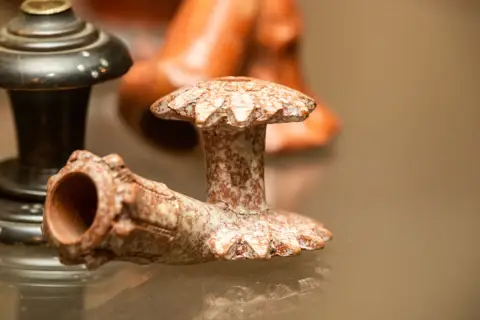
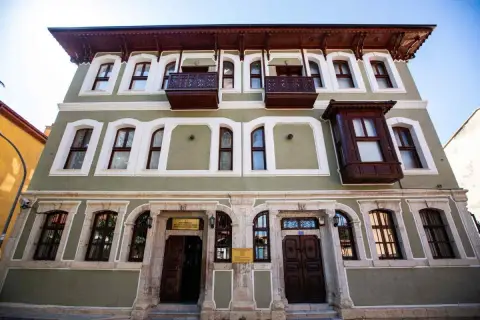
Lystra is an ancient city located in central Anatolia, now part of present-day Turkey. It is mentioned six times in the New Testament and was visited several times by Paul the Apostle, along with Barnabas or Silas. The site is believed to be located 30 kilometres south of the city of Konya, north of the village of Hatunsaray. A small museum within Hatunsaray displays artifacts from ancient Lystra.
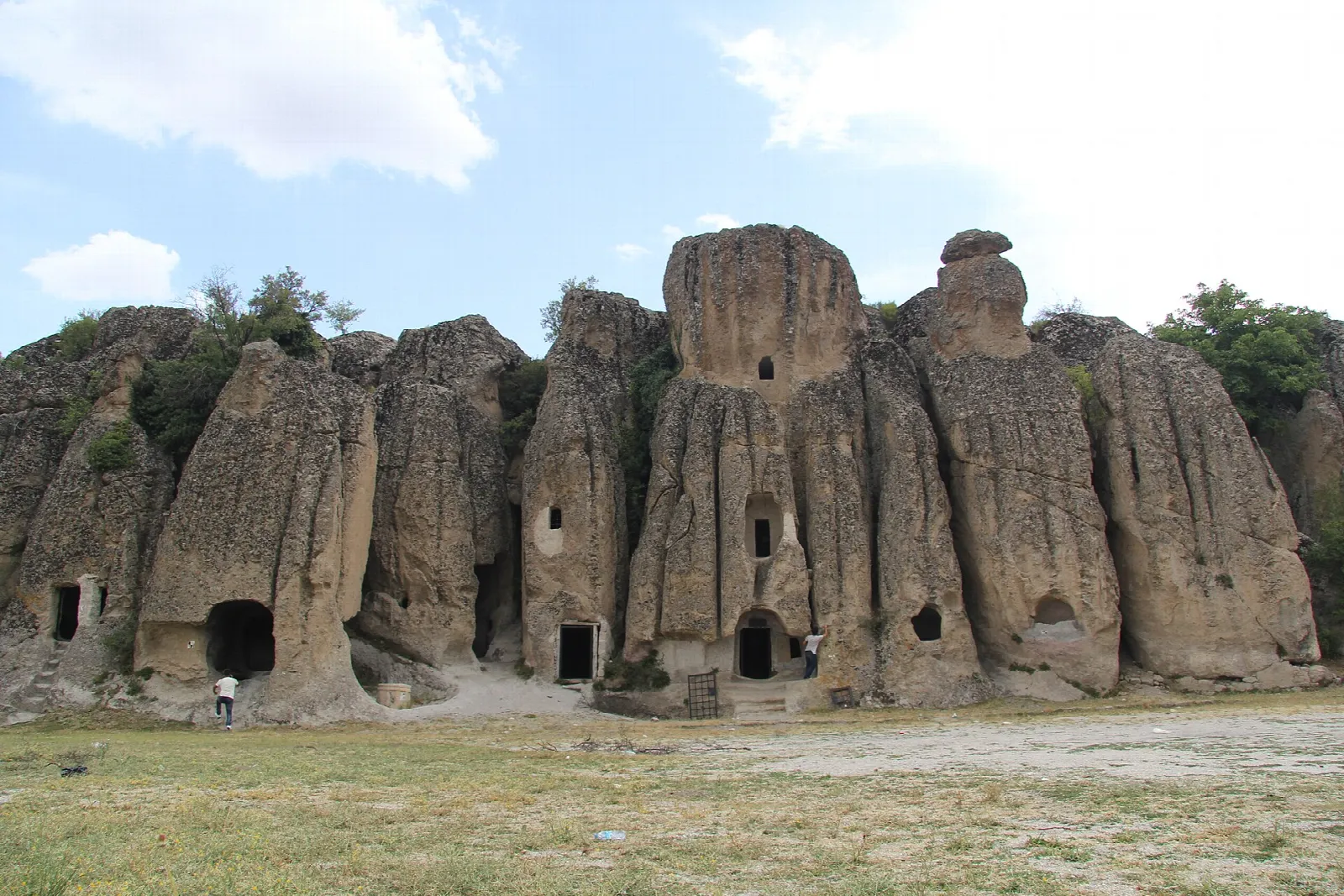
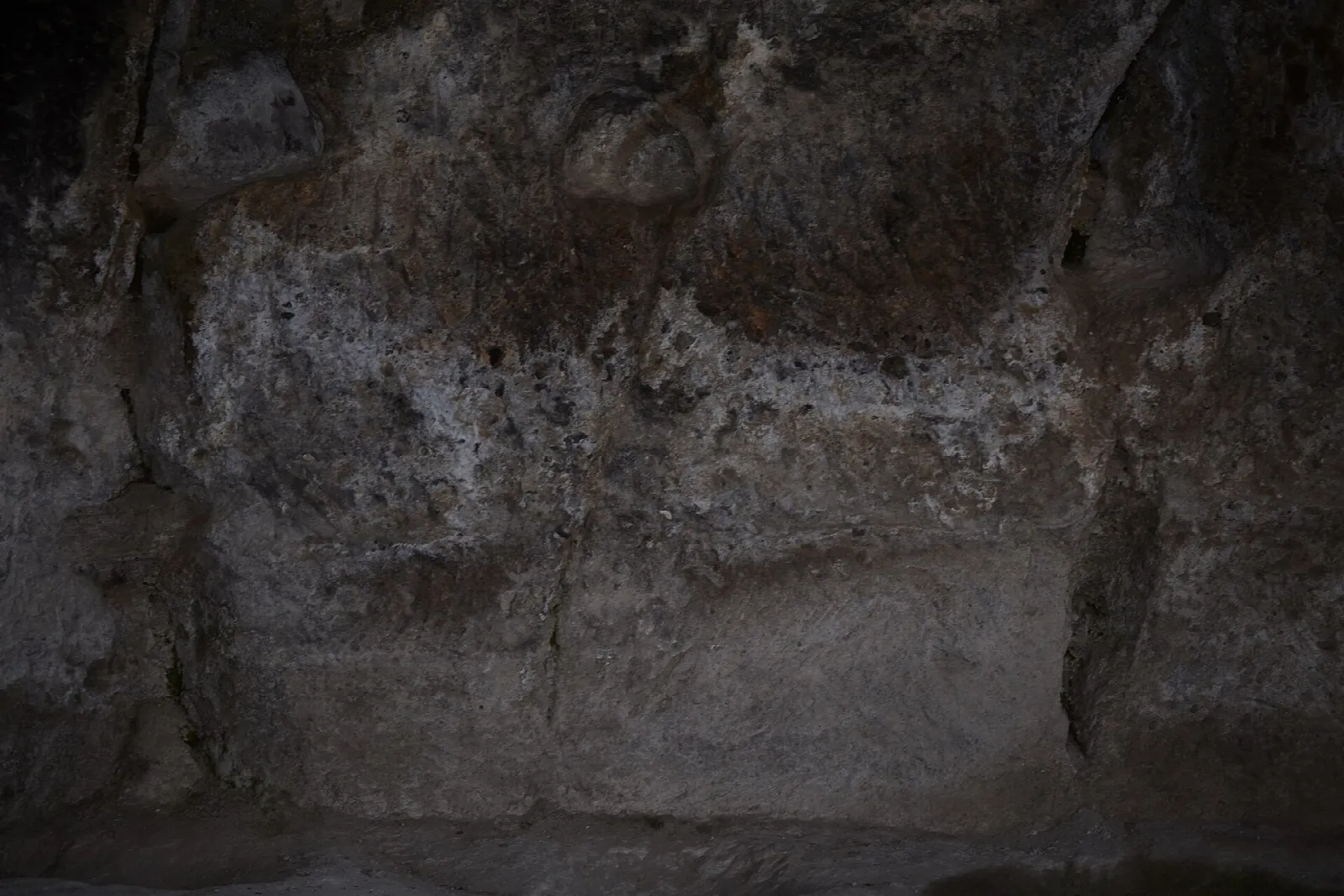
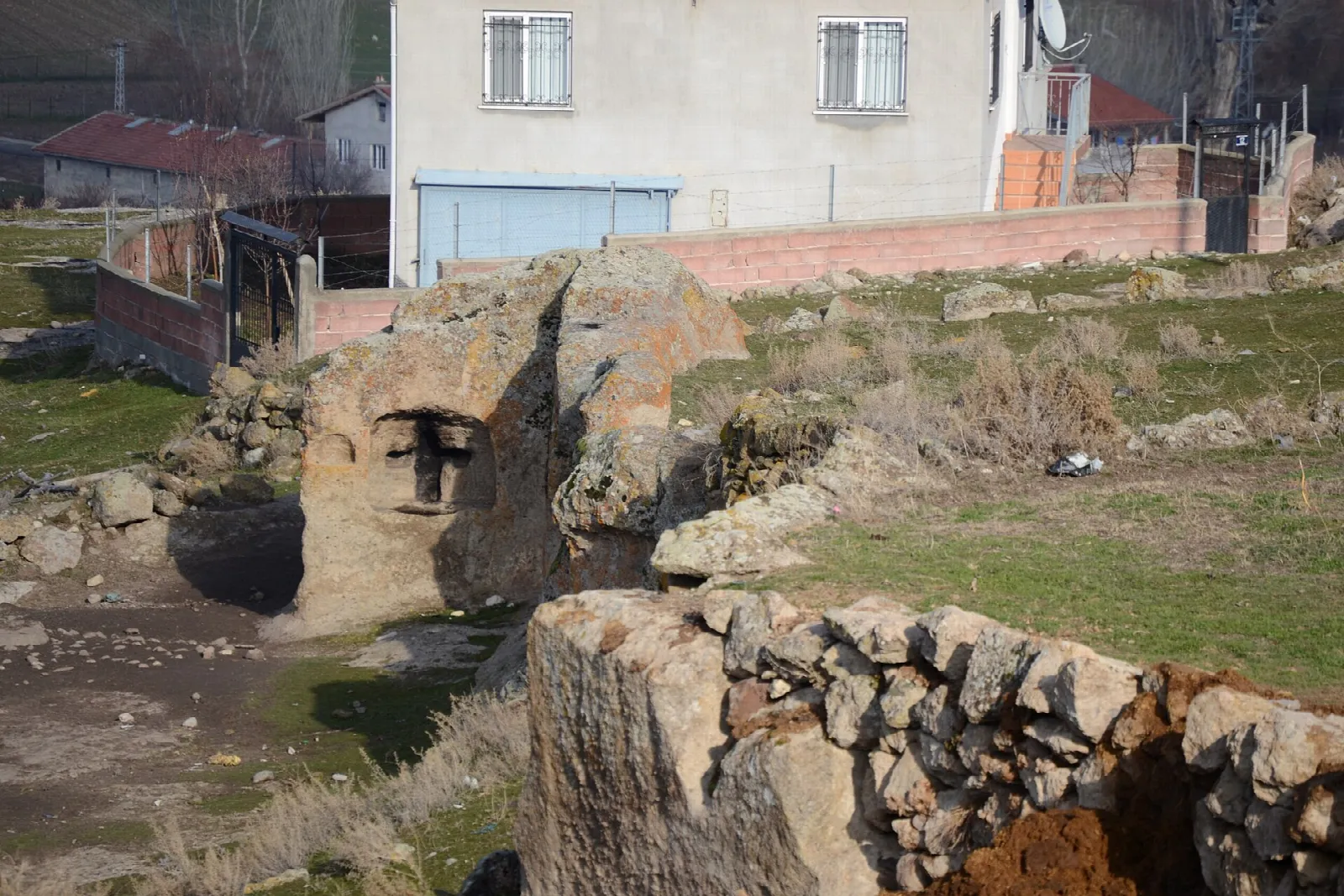
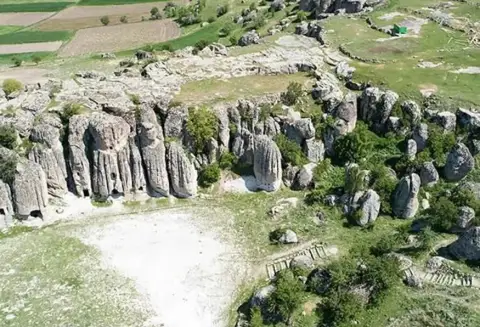
Lystra is the ancient name of the village visited by Paul the Apostle. There is a present-day village called Kilistra near Gökyurt, a village of the Meram district of Konya province. Ancient ruins can be seen near Kilistra, including a church with a big cross marked on the wall, a winery, house-like buildings, and the ruins of a city located over the top of a hill locally called Alusumas.
History
The Roman Empire made Lystra a colony in 6 BC, under the name of Colonia Iulia Felix Gemina, possibly to gain better control of the tribes in the mountains to the west. Later, it was incorporated into the Roman province of Galatia, and soon afterwards the Romans built a road connecting Lystra to Iconium to the north. Lystra is located on an ancient road which ran from Ephesus to Sardis to Antioch in Pisidia to Iconium and Lystra, to Derbe, through the Cilician Gates, to Tarsus, to Antioch in Syria, and then to points east and south.
Paul the Apostle visited here to preach the Christian gospel in 48 AD and again in 51 AD on his first and second missionary journeys, initially coming back after persecution drove him away from Iconium. According to Acts 14:8–10, Paul healed a man who had been lame from birth. The man leaped up and began to walk and thus so impressed the crowd that they took Paul for Hermes, because he was the chief speaker, and his companion Barnabas for Zeus. The crowd spoke in the local Lycaonian language and wanted to offer sacrifices to them, but Paul and Barnabas tore their clothes in dismay and shouted that they were merely men.
Soon, however, through the influence of the Jewish leaders from Antioch, Pisidia and Iconium, the Lystrans stoned Paul and left him for dead. As the disciples gathered around him, Paul stood on his feet and went back into the town. The next day, he and Barnabas left for Derbe; but on the return part of their journey, they stopped once more at Lystra, encouraging the disciples there to steadfastness. Timothy, a young disciple there, was probably among those who on the previous occasion at Lystra witnessed Paul's persecution and courage. Timothy left Lystra to become the companion of Paul and Silas on the rest of the Second Missionary Journey.
Unlike other cities Paul visited, Lystra apparently had no synagogue, although Timothy's mother and grandmother were Jewesses. Lystra appears to have been the first location where the apostles reached the Gentiles with the gospel of Christ without approaching them through the common ground of Judaism. In Christian times Lystra had a bishop. It is included in the Roman Catholic Church's list of titular sees.
What to See
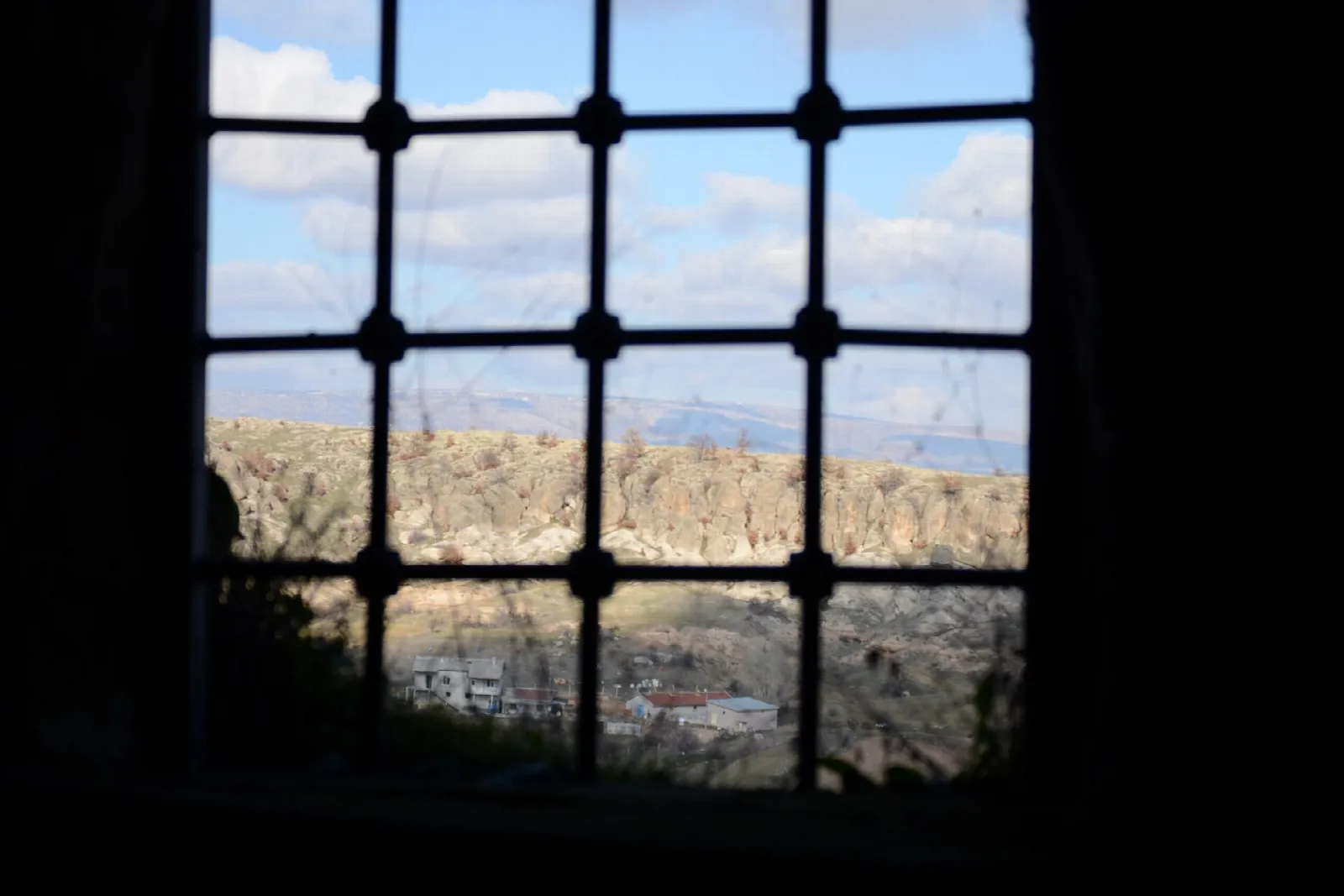
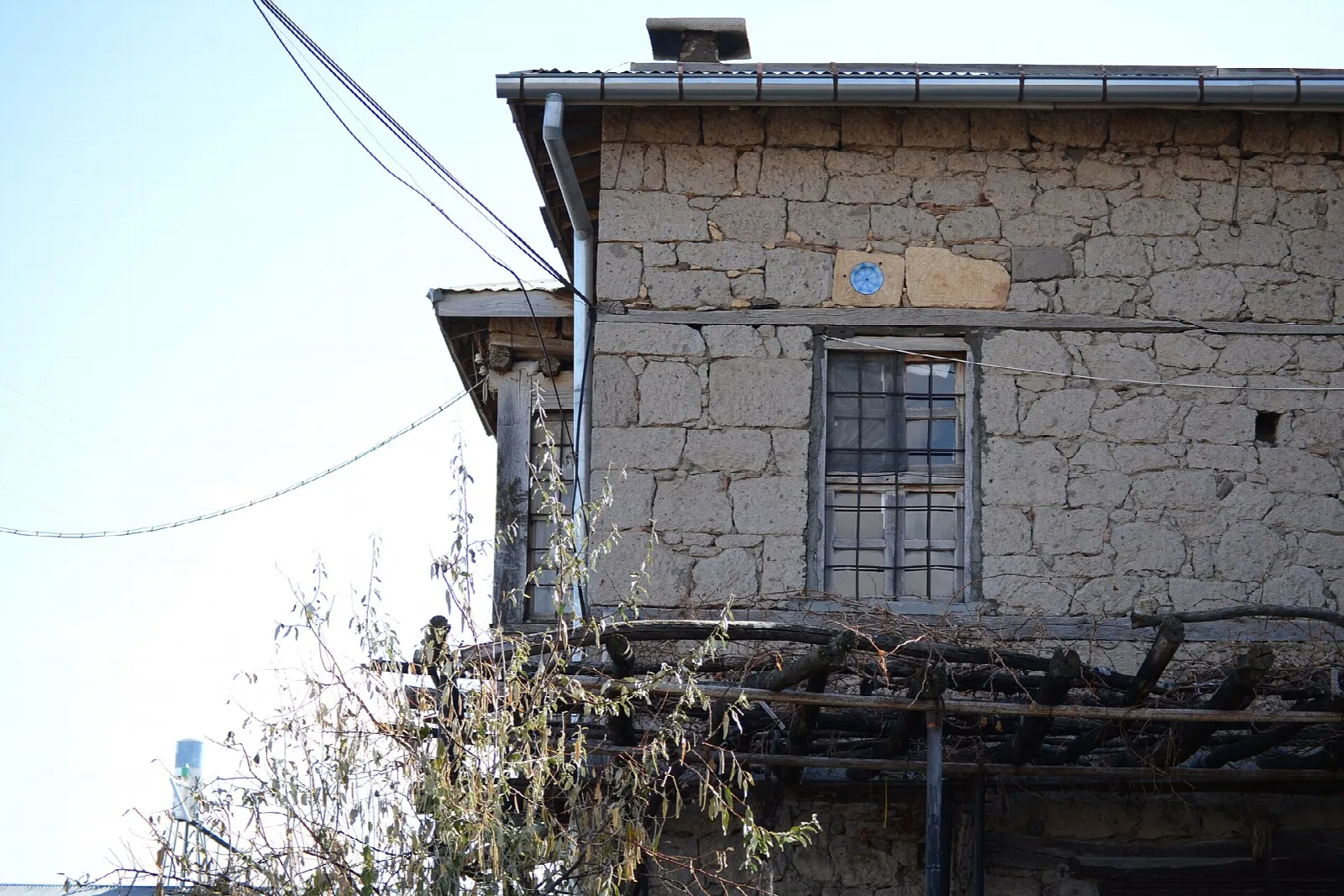
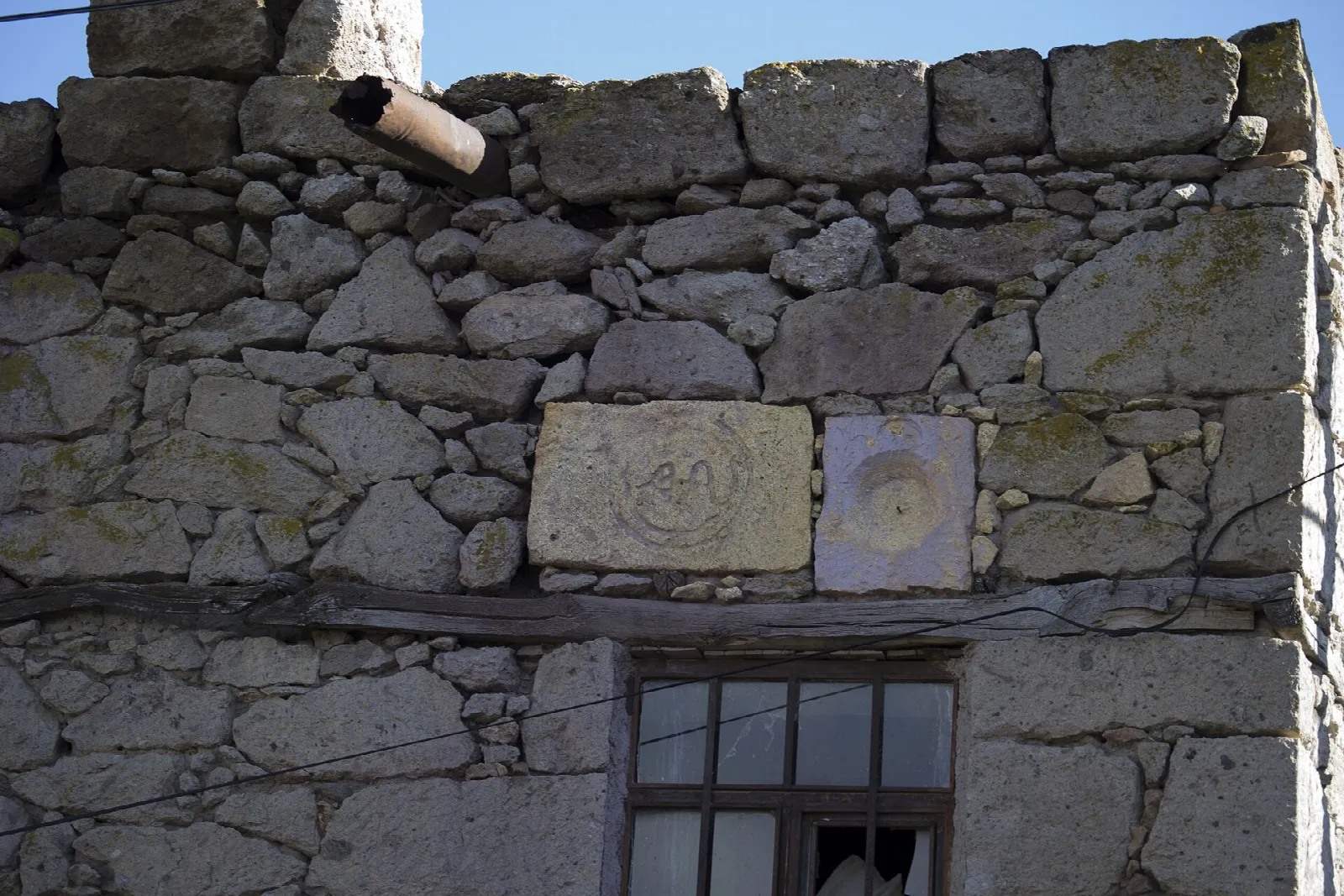
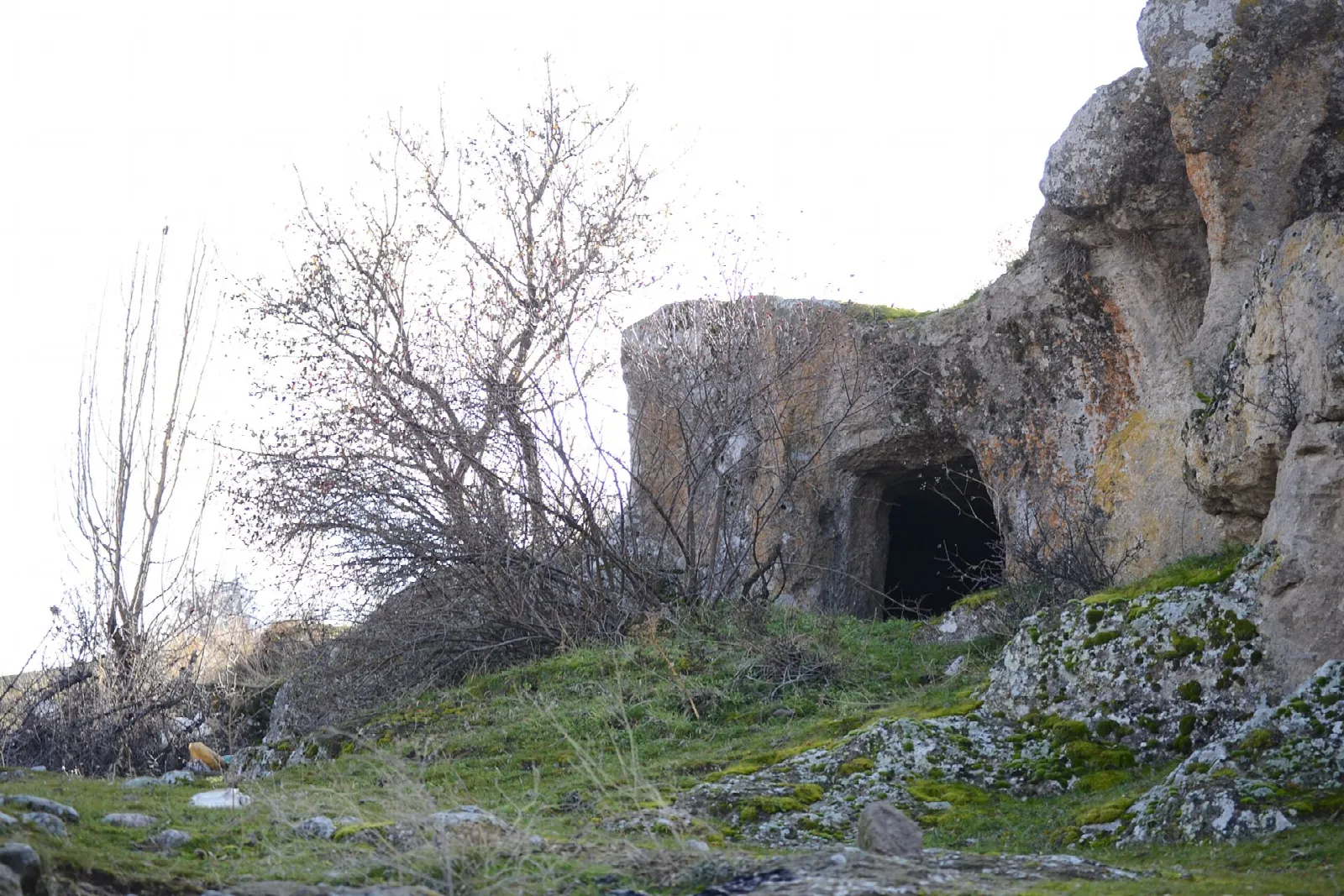
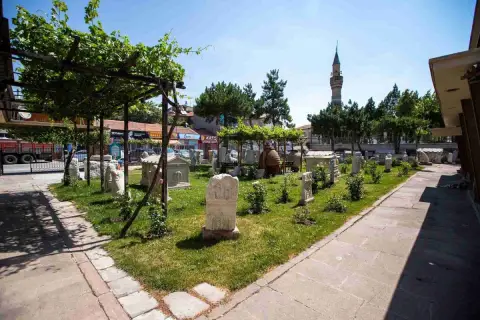
Visitors can explore ancient ruins near the village of Kilistra. The site includes a church with a big cross marked on the wall, a winery, and house-like buildings. The ruins of a city are located over the top of a hill which is locally called Alusumas, where another church ruin can be seen. According to local people, the less-visible city was constructed over the hill to hide from enemies of ancient Anatolia. This site is still awaiting excavation.
- Church with a big cross marked on the wall
- Ancient winery
- House-like buildings
- Ruins of a city on the hill called Alusumas
- Another church ruin on the hill
Visiting Tips
Wear comfortable shoes for walking on uneven terrain and ruins. Bring sun protection, as the site is exposed. Dress modestly if visiting areas with religious significance. Combine your visit with the small museum in Hatunsaray to view artifacts from ancient Lystra.
Tours that visit Lystra
Explore Lystra on one of our guided tours — daily excursions, private tours and group tours that include this site.
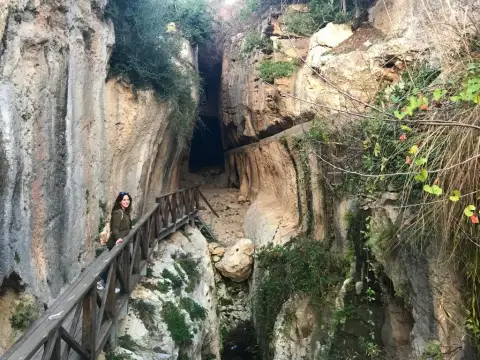 Private Tour
8 Days Footsteps of St. Paul in Anatolia: Antioch, Cappadocia, and Ant...
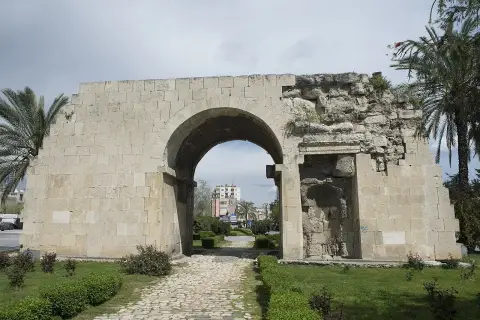 Private Tour
15 Days St. Paul's Missionary Journey: Ankara, Cappadocia, Antioch, Ep...
 Private Day Tour
Private
Daily Mevlana Museum & Kilistra Tour from Konya – Meram & Selimiye
More Museums in Konya
Lystra – Frequently Asked Questions
What is Lystra?
Lystra is an ancient city located in central Anatolia, now part of present-day Turkey. It is mentioned six times in the New Testament and was visited several times by Paul the Apostle, along with Barnabas or Silas.
Where is Lystra located?
Lystra is in Meram, Konya, Turkey.
Do children need a ticket at Lystra?
Children aged 0–6 enter Lystra free of charge. Visitors aged 7 and over need a full ticket.
Can I visit Lystra on a guided tour?
Yes. Inca Tour visits Lystra on guided tours such as 8 Days Footsteps of St. Paul in Anatolia: Antioch, Cappadocia, and Antalya Private Tour and 15 Days St. Paul's Missionary Journey: Ankara, Cappadocia, Antioch, Ephesus & Istanbul Private Tour.
What other museums can I visit in Konya?
Other museums in Konya include Konya Sahip Ata Foundation Museum, Konya Ethnography Museum and Konya Akşehir Nasreddin Hodja Museum of Archaeology and Ethnography.