Haji Bektash Veli Complex
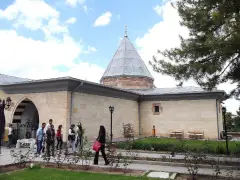
Photos: Михал Орела, CC BY 2.0 · دانقولا, Public domain · Omer Unlu, CC BY 2.0 · Hüseyin Öcal, CC BY 3.0 — via Wikimedia Commons
Discover the Haji Bektash Veli Complex in Nevşehir, a 13th-century Sufi site and UNESCO tentative list heritage location.
ℹ️ About Haji Bektash Veli Complex
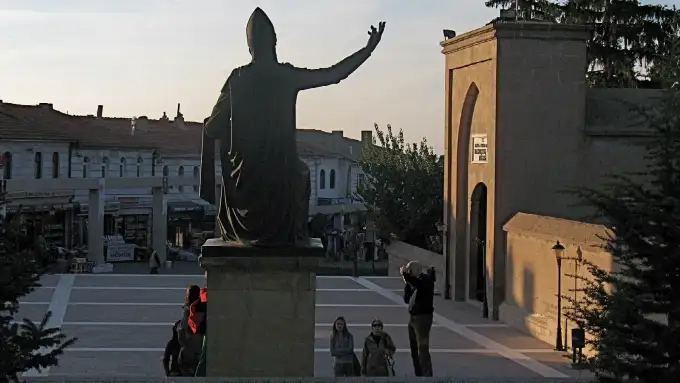
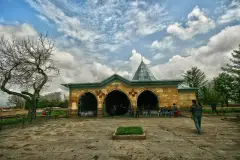
The Haji Bektash Veli Complex is a significant Alevi religious site located in Hacıbektaş, Nevşehir province, in central Anatolia. Originally built in the 13th century as a teqe, or dergâh, for the Sufi saint Haji Bektash Veli, the complex has evolved into a major cultural and spiritual destination. It serves as a place of reverence for Alevis, Bektashis, and Sunni Muslims, reflecting its deep historical roots in Turkish Sufi traditions.
Since 2012, the complex has been included on the UNESCO World Heritage Sites Tentative list. Today, it attracts hundreds of thousands of visitors annually, including believers from Turkey, Albania, and the global Turkish diaspora. The site remains active for spiritual gatherings, with large festivals held every August, maintaining its role as a living center of faith and history.
History
The complex was established in the 13th century by Haji Bektash Veli, a philosopher and Sufi saint who led Alevi Turkmen communities. Following his death, his mausoleum was constructed on the site, which subsequently became the international headquarters of the Bektashi Order, known as the pir evi. Before the secularization of Turkey in 1925, the complex served as the administrative seat for the order, where key figures such as Ali Kamber Prishta and Sali Njazi Dede received their education or appointments.
In 1925, Mustafa Kemal Atatürk’s ban on dervish orders led to the closure of the complex for religious use and the exodus of the Bektashi Order to Albania. Consequently, the order's headquarters moved to Tirana in 1930. The complex was later declared a museum in 1964. In 2015, a special ceremony marked the first worship service held at the dergâh in 188 years, highlighting its enduring spiritual significance.
What to See
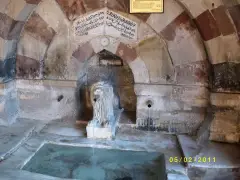
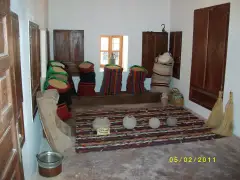
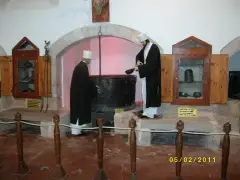
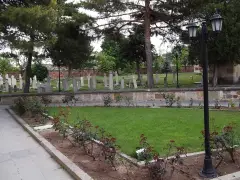
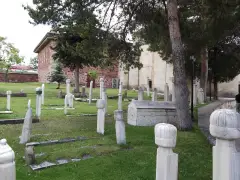
Visitors explore a complex consisting of three courtyards and several key structures. The first courtyard, Nadar Avlusu, features the Üçler Çeşmesi, a fountain symbolizing Allah, Muhammad, and Ali. The second courtyard, Dergah Avlusu, contains the Meydan Evi, where rituals are conducted, and the Aslanlı Çeşme, a fountain with a lion statue believed to represent Hz. Ali. The third courtyard, Hazret Avlusu, includes the Hazire, a dervish cemetery, and the Hasbahçe garden.
Key buildings within the complex include:
- The Pir Evi, housing the tomb of Haji Bektash Veli.
- The Balım Sultan Türbesi, the tomb of the second pir.
- The Aş Evi, where meals were prepared and teachings given.
- The Mihman Evi, used for hosting guests.
- The Tekke Cami and Hamam.
A notable natural feature is the ancient Karadut tree in front of the Balım Sultan Tomb, which continues to bear fruit despite its age.
Visiting Tips
Wear comfortable shoes as the complex involves walking across courtyards and uneven stone surfaces. Since this is a place of worship and a museum, dress modestly by covering shoulders and knees. Bring sun protection, such as a hat and sunscreen, especially during the summer months when large festivals are held.
Hotels near Haji Bektash Veli Complex
- Hacıbektaş Hünkar pansiyon 0.1 km
- Evrim Otel 0.8 km
- Güneş Otel 0.9 km
More Museums in Nevşehir
Haji Bektash Veli Complex – Frequently Asked Questions
What is Haji Bektash Veli Complex?
The Haji Bektash Veli Complex is a significant Alevi religious site located in Hacıbektaş, Nevşehir province, in central Anatolia.
Where is Haji Bektash Veli Complex located?
Haji Bektash Veli Complex is in Hacıbektaş İlçe Merkezi, Nevşehir, Turkey.
Do children need a ticket at Haji Bektash Veli Complex?
Children aged 0–6 enter Haji Bektash Veli Complex free of charge. Visitors aged 7 and over need a full ticket.
What other museums can I visit in Nevşehir?
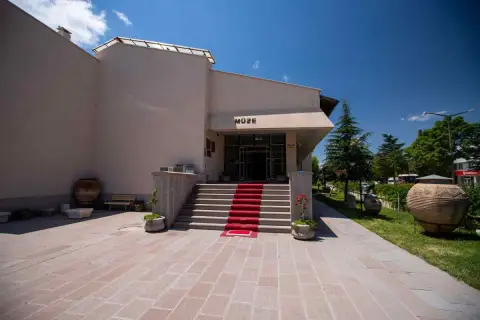
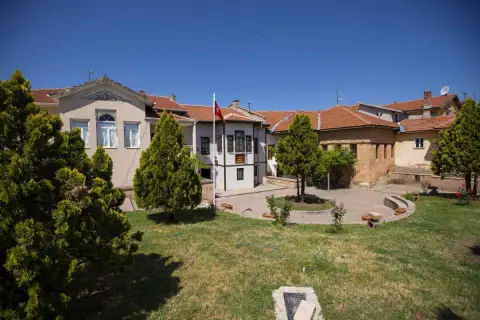
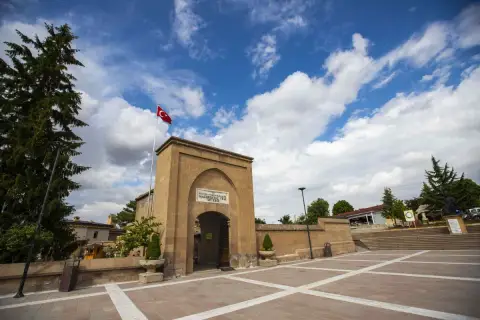
Other museums in Nevşehir include Nevşehir Hacıbektaş Archeology and Ethnography Museum, Nevşehir Hacıbektaş Atatürk House Museum and Nevşehir Hacıbektaş Museum.