Fortifications of Diyarbakır
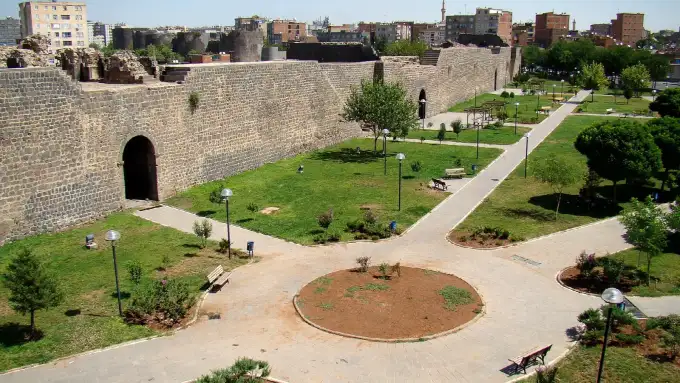
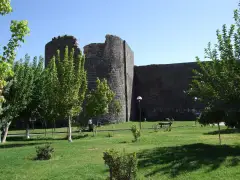
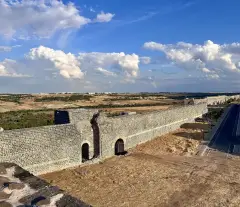


Photos: Bjørn Christian Tørrissen, CC BY-SA 3.0 · Gomada, CC BY-SA 3.0 · Diyarseyyahı, CC BY-SA 4.0 · Dûrzan cîrano, CC BY-SA 3.0 · Vincent Vega, CC BY-SA 4.0 · Ziegler175, CC BY-SA 4.0 — via Wikimedia Commons
Explore the Fortifications of Diyarbakır, a UNESCO World Heritage Site featuring ancient walls and towers in Turkey.
ℹ️ About Fortifications of Diyarbakır
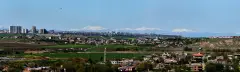
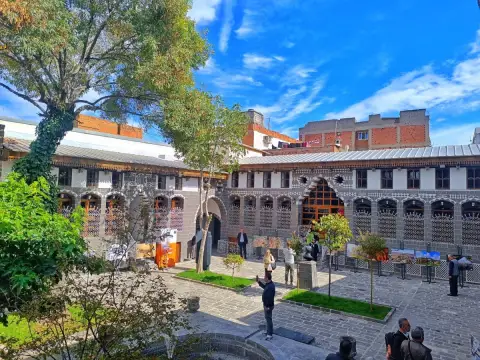
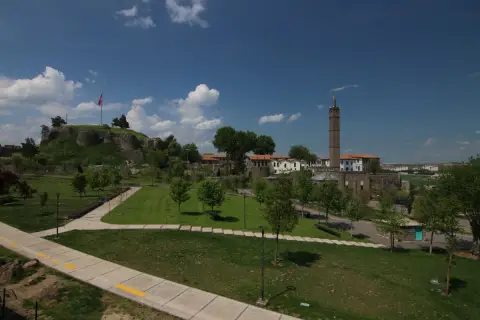
The Fortifications of Diyarbakır are a historic set of defensive structures enclosing the Sur district in Diyarbakır, Turkey. This complex consists of an inner citadel and an outer ring of city walls that have protected the area for centuries. As a UNESCO World Heritage Site, these fortifications represent a significant architectural achievement in the region.
This site is part of “Diyarbakır Fortress and Hevsel Gardens Cultural Landscape”, inscribed on the UNESCO World Heritage List (2015).
The walls are often described as the longest continuous city walls in the world after the Great Wall of China. They feature four main gates and numerous towers, showcasing a multi-cultural and multi-lingual character shaped by various civilizations. Visitors can explore this ancient site to understand its historical importance and architectural scale.
History
The origins of the fortifications trace back to the old Roman city of Amida. While some accounts suggest earlier constructions, the walls were first built in 297 AD by the Romans and significantly expanded in 349 AD under Emperor Constantius II. Over the following centuries, the structure was modified by Byzantine, Muslim, and Ottoman rulers. Most of the current walls date from medieval Muslim constructions, with specific sections rebuilt by dynasties such as the Abbasids, Artuqids, and Ottomans.
The Artuqids introduced finer craftsmanship and smaller cut stones, rebuilding the citadel in 1206–1207 and constructing prominent towers like the Yedi Kardeş and Evli Beden. Later, Ottoman repairs were practical and less decorative. In 2015, the site was inscribed on the UNESCO World Heritage List alongside the Hevsel Gardens, acknowledging its global significance despite recent conflicts that caused damage to parts of the old town.
What to See
Visitors can observe the extensive city walls, which stretch for up to 5.8 kilometers and reach heights of over 33 feet. The fortifications include an inner citadel and an outer ring, featuring 82 towers and four main gates: Dağ, Urfa, Mardin, and Yeni. The walls are constructed from volcanic rock and display various architectural styles from different historical periods.
- The Yedi Kardeş Tower and Evli Beden Tower, known for their carved stone decorations.
- The four main gates, including the rebuilt Harput and Mardin gates.
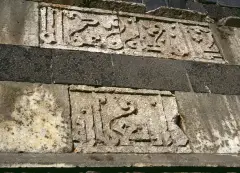
- Sections of the wall with Arabic inscriptions and animal carvings.
- The inner citadel, which was expanded during the Ottoman period.
Visiting Tips
Wear comfortable shoes for walking along the extensive perimeter of the walls. Bring sun protection, as the site is largely open and exposed to the elements.
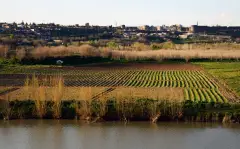
Combine your visit with the nearby Hevsel Gardens, which are part of the same UNESCO World Heritage designation. Dress modestly if you plan to visit any religious structures within the historic district.
Hotels near Fortifications of Diyarbakır
- Diyarbakır Apart Otel 0.4 km
- Sur Teras Otel 0.4 km
- Diyarbakır Golden Sur Butik Otel 0.4 km
- Suriçi Butik Otel 0.4 km
- Dies Otel 0.4 km
- Sur-u Ala Hotel Diyarbakır 0.4 km
More Museums in Diyarbakır
Fortifications of Diyarbakır – Frequently Asked Questions
What is Fortifications of Diyarbakır?
The Fortifications of Diyarbakır are a historic set of defensive structures enclosing the Sur district in Diyarbakır, Turkey.
Where is Fortifications of Diyarbakır located?
Fortifications of Diyarbakır is in Sur, Diyarbakır, Turkey.
Do children need a ticket at Fortifications of Diyarbakır?
Children aged 0–6 enter Fortifications of Diyarbakır free of charge. Visitors aged 7 and over need a full ticket.
What other museums can I visit in Diyarbakır?
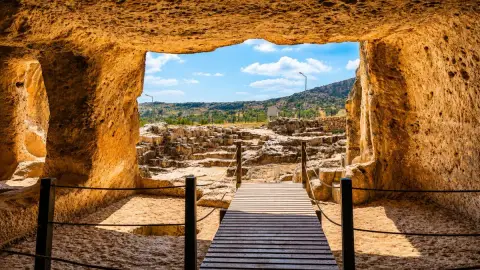
Other museums in Diyarbakır include Diyarbakır Hilar Caves, Diyarbakır Cahit Sıtkı Tarancı House Museum and Diyarbakır Museum.