Sedir Island (Cleopatra Island), Marmaris
📍 Marmaris, Muğla, Marmaris, Turkey · Sedir Adası
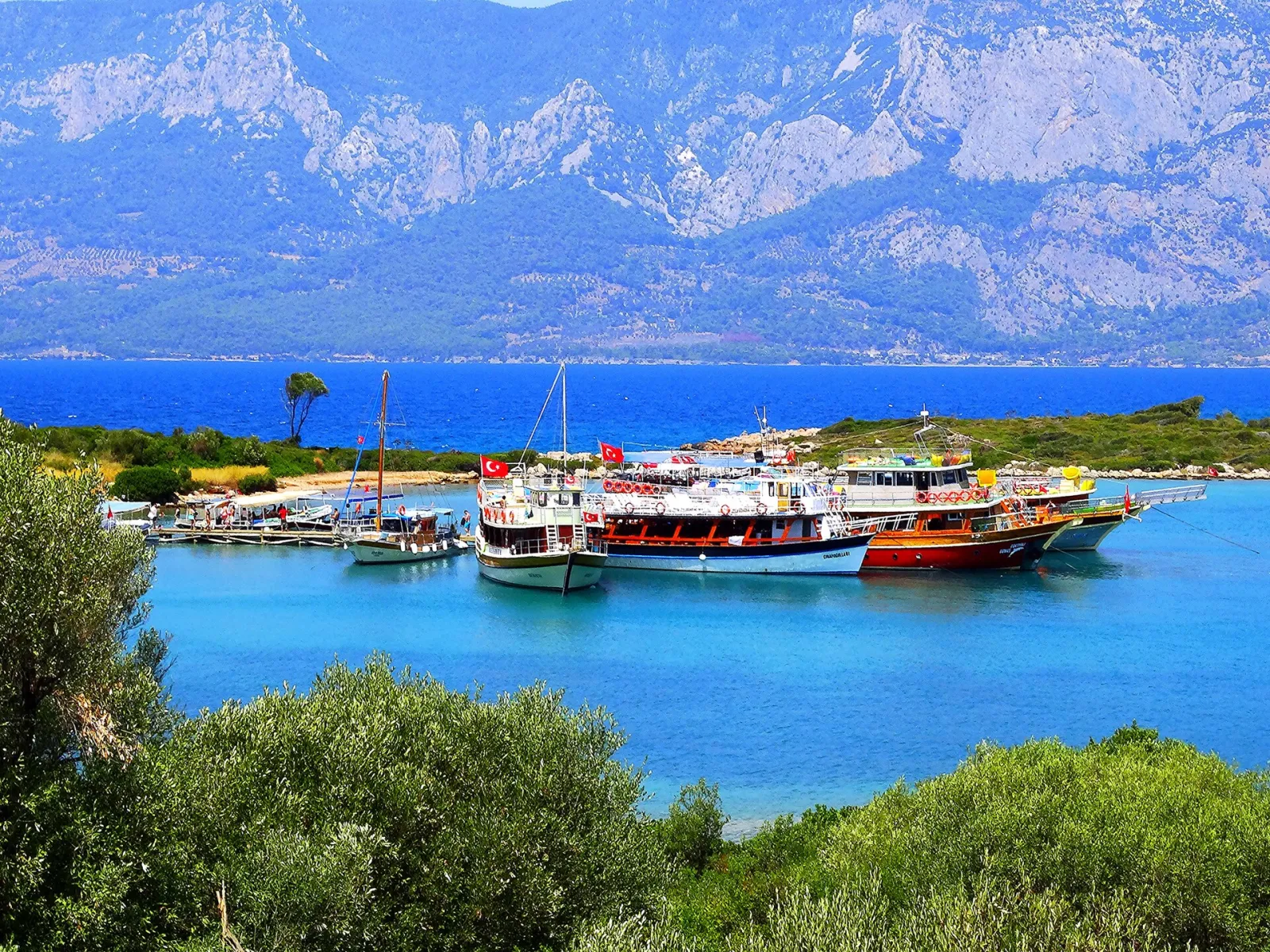
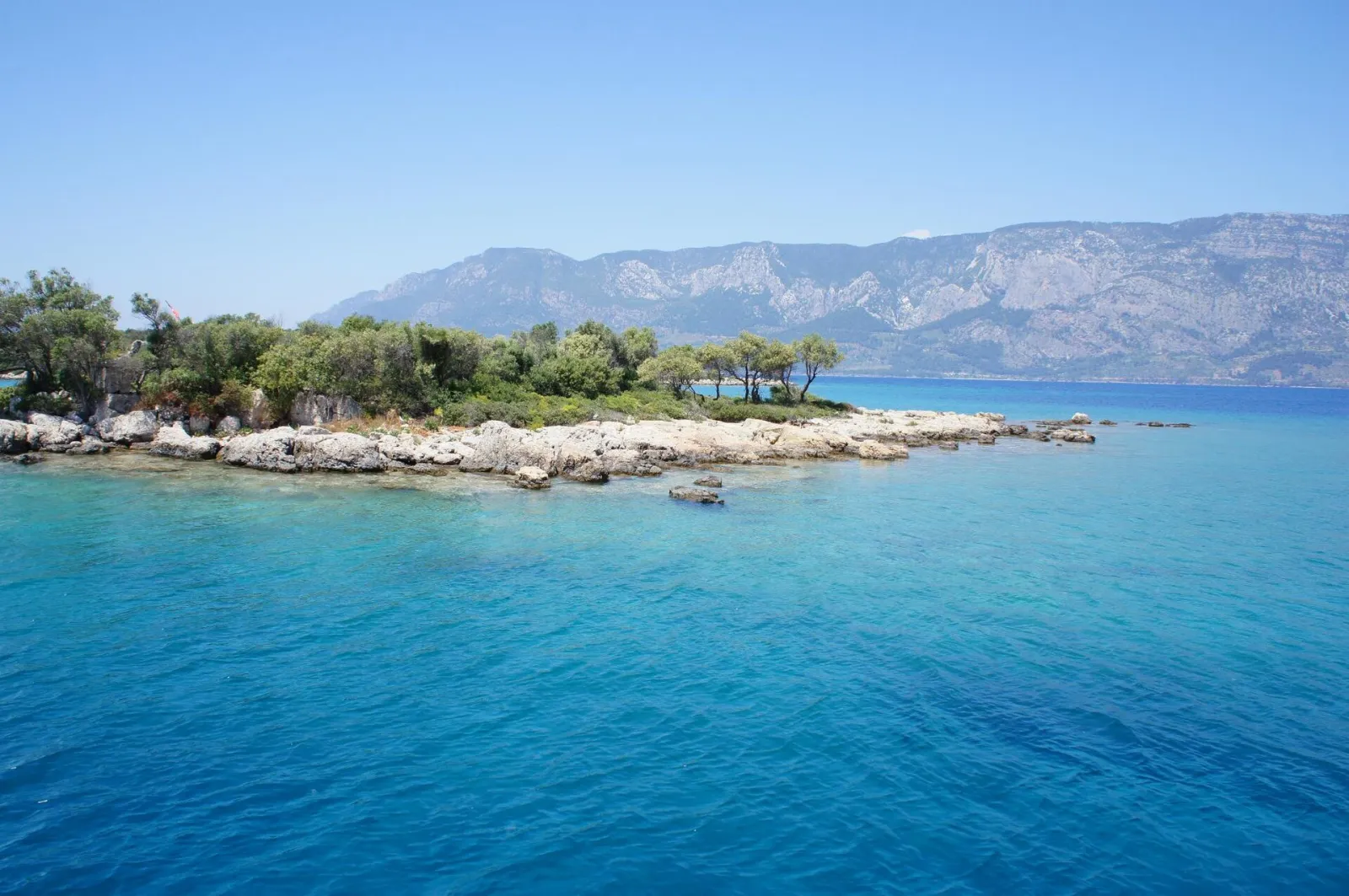
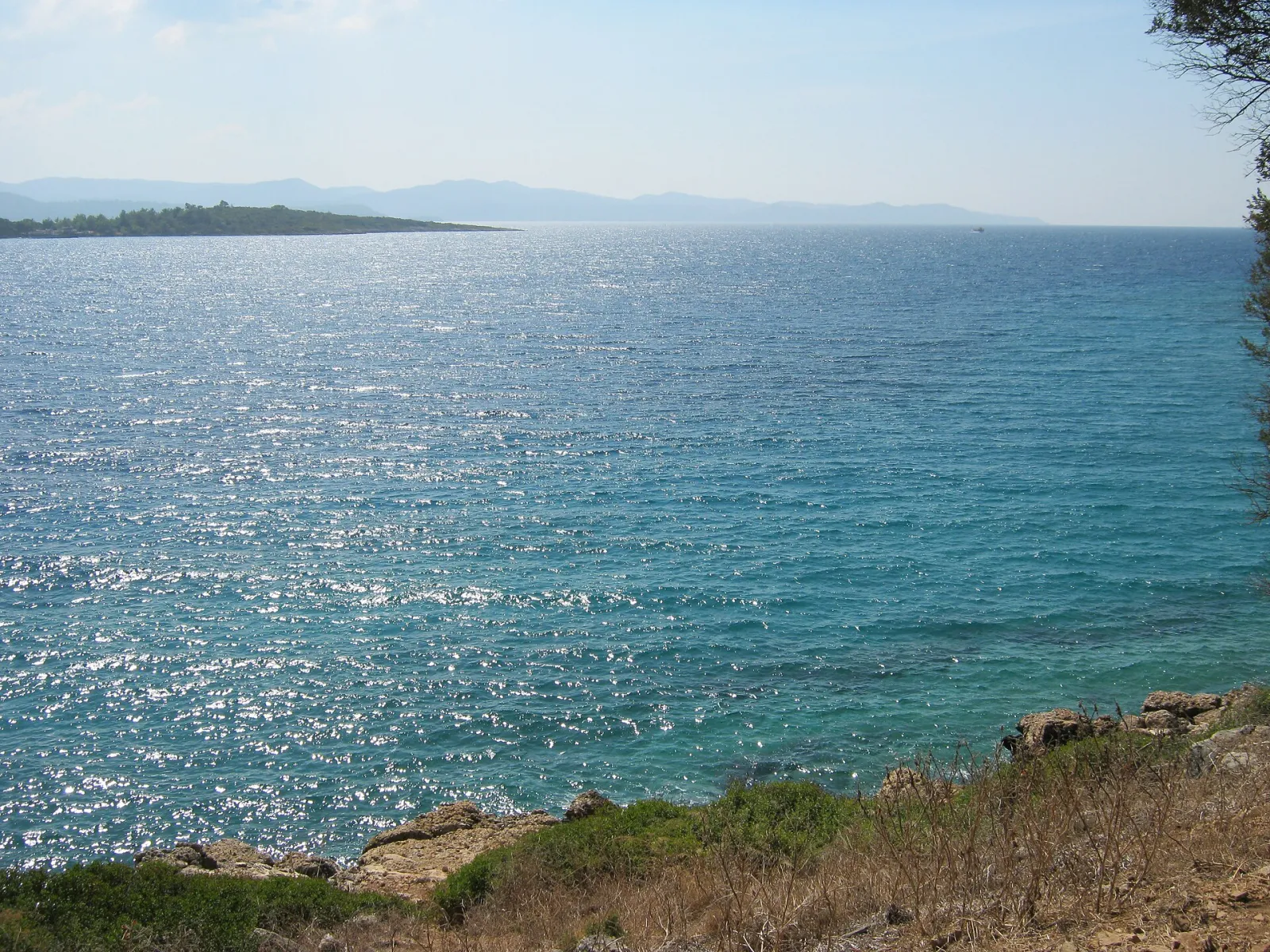
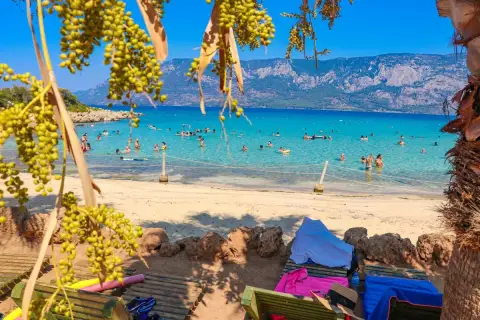
Sedir Island, widely known as Cleopatra Island, is a captivating destination in the Gulf of Gökova famous for its unique, protected seashell beach. Travellers visit this scenic spot to explore the remarkable archaeological ruins of the ancient city of Kedrai while enjoying the turquoise Aegean waters.
Photos via Wikimedia Commons: BoRa KiLiC (CC BY 3.0) · nepomnyashiy (CC BY-SA 3.0) · Karahoda (CC BY-SA 3.0)
History of Sedir Island (Cleopatra Island)
Ancient Kedrai: Sedir Island served as the site for the ancient city of Kedrai, which was a significant settlement within the Carian region. The island's strategic location in the Gulf of Gökova allowed it to flourish as a maritime hub, with its history deeply intertwined with the shifting powers of the Aegean world. Archaeological evidence confirms that the city was well-fortified, serving as an important defensive point during various conflicts in antiquity.
Hellenistic and Roman Influence: In the 5th century BC Kedrai was a member of the Delian League, and in 405 BC it was captured by the Spartan commander Lysander during the Peloponnesian War. The city maintained its importance well into the Roman era, leaving behind substantial architectural remains that can still be observed today. These structures reflect the sophisticated urban planning and cultural life that characterized the region during these prosperous centuries.
Archaeological Remains: The island is home to the remnants of the ancient city walls, which once protected the inhabitants from external threats. Visitors can explore the ruins of a well-preserved theatre that faces the sea, showcasing the architectural prowess of the period. These structures provide a tangible connection to the past, offering insight into the daily lives and social activities of those who once resided on the island.
Temple and Civic Structures: Beyond the theatre and walls, the island features the foundations of a temple dedicated to Apollo. This site highlights the religious significance of Kedrai, serving as a central point for community worship. The combination of residential, defensive, and sacred architecture makes the island an invaluable site for understanding the historical landscape of the southeastern Aegean coast.
Things to Do in Sedir Island (Cleopatra Island)
Exploring Ancient Ruins: A primary activity on Sedir Island is walking through the archaeological site of Kedrai. Visitors can wander among the remnants of the ancient city walls and explore the well-preserved theatre, which offers a stunning vantage point over the Gulf of Gökova. The foundations of the temple of Apollo are also accessible, allowing history enthusiasts to appreciate the craftsmanship of ancient builders.
Relaxing at Cleopatra Beach: The island is most famous for its unique beach, composed of rare, rounded ooid grains formed naturally in the shallow sea. While visitors can admire the beauty of this natural wonder, it is strictly protected by the government. Guests are encouraged to enjoy the scenery and the crystal-clear water while adhering to the conservation rules that prohibit the removal of sand or the use of towels directly on the protected sections.
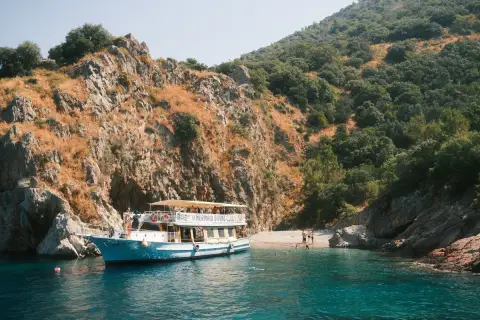
Boat Excursions: Most travellers arrive at the island via boat trips departing from the nearby coastal areas of Çamlı or Taşbükü. These excursions offer a scenic journey through the Gulf of Gökova, providing ample opportunities to view the island's lush landscape from the water. The boat ride itself is a highlight, allowing visitors to experience the tranquil beauty of the Aegean Sea before docking at the island to begin their exploration.
Top Sights in Sedir Island (Cleopatra Island)
Cleopatra Beach
A world-renowned beach featuring rare, rounded ooid sand grains formed naturally in the shallow sea.
Ancient Theatre
A well-preserved stone theatre offering panoramic views of the surrounding Aegean waters.
Temple of Apollo
The historical foundations of a sacred site dedicated to the god Apollo.
City Walls
Substantial remnants of the ancient defensive fortifications that once protected the city of Kedrai.
Gulf of Gökova Views
The island provides breathtaking vistas of the turquoise gulf, perfect for photography.
Travel Tips for Sedir Island (Cleopatra Island)
Getting there: Access to Sedir Island is exclusively by boat. Regular tour boats depart from the harbour at Çamlı, located near Marmaris, providing a convenient and scenic route for visitors to reach the island.
Best time to visit: The island is best enjoyed during the late spring or early autumn months when the weather is pleasantly warm and the crowds are thinner, allowing for a more relaxed exploration of the archaeological ruins.
What to wear / bring: Wear comfortable walking shoes for exploring the ancient ruins. Please note that strict environmental regulations are in place to protect the beach; you must not wear shoes on the sand or remove any sand from the island.
Visiting the site: current opening days and visitor information are on our museum page: Muğla Sedir Island (Kedrai).
Day Tours that Visit Sedir Island (Cleopatra Island)
Guided daily excursions in Marmaris that include Sedir Island (Cleopatra Island).
 Day Tour
Shared
Daily Ephesus Tour from Marmaris – Ancient City & House of Virgin Mary
 Day Tour
Shared
Jeep Safari & Cleopatra Island Boat Tour from Marmaris – Sedir Island
 Day Tour
Shared
Daily Pamukkale Tour from Marmaris – Hierapolis & Cleopatra's Pool
 Day Tour
Shared
Pamukkale Hot Air Balloon Day Tour from Marmaris – Sunrise & Terraces
 Private Day Tour
Private
Daily Cleopatra Island Boat Trip from Marmaris – with Lunch on Board (...
 Day Tour
Shared
Daily Cleopatra Island Boat Trip from Marmaris – with Lunch on Board (...
 Private Day Tour
Private
Bozburun Peninsula Villages Day Tour from Marmaris
 Private Day Tour
Private
Private Knidos and Old Datca Day Tour from Marmaris
Hotels in Sedir Island (Cleopatra Island)
Hotels within walking distance of Sedir Island (Cleopatra Island) — request your room online, we reply within 24 hours.

Kapari Beach&Bungalows
5.2 km from Sedir Island (Cleopatra Island)
Teras Tepe Apart
5.4 km from Sedir Island (Cleopatra Island)
Defne Pansiyon
5.8 km from Sedir Island (Cleopatra Island)
Nuup Hotel
6.3 km from Sedir Island (Cleopatra Island)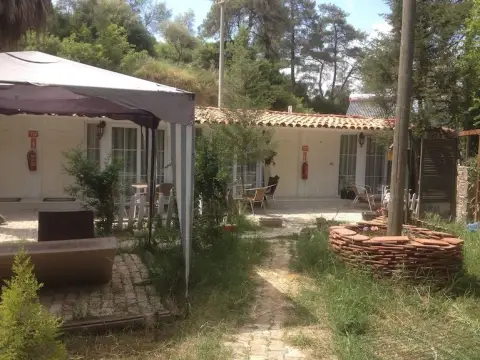
Ersal Park Ekin Dere Evleri
7.9 km from Sedir Island (Cleopatra Island)Sedir Island (Cleopatra Island) – Frequently Asked Questions
Can I take some sand home as a souvenir?
No, it is strictly forbidden to remove sand from the island. The beach is protected by the government to preserve its unique geological composition.
How do I get to Sedir Island?
The island is reached by boat. You can take a tour boat from the Çamlı or Taşbükü docks near Marmaris.
Are there facilities on the island?
There are basic facilities available for visitors, but it is recommended to bring water and sun protection as the island is primarily an archaeological site.
Can I walk on the beach?
You can enjoy the beach, but you must follow the local regulations. Shoes are not allowed on the sand, and you should avoid placing towels in restricted areas.
Is the island suitable for children?
Yes, the island is family-friendly. However, parents should supervise children closely to ensure they respect the protected beach areas and historical ruins.