Çatalhöyük, Konya
📍 Çumra, Konya, Konya, Turkey
Çatalhöyük is a remarkable Neolithic and Chalcolithic proto-city in southern Anatolia, dating back to approximately 7500 BC. Travellers visit this UNESCO World Heritage Site to explore the well-preserved remains of one of the world's earliest permanent human settlements and its unique honeycomb-like urban structure. Çatalhöyük is inscribed on the UNESCO World Heritage List (2012) as “Neolithic Site of Çatalhöyük”.
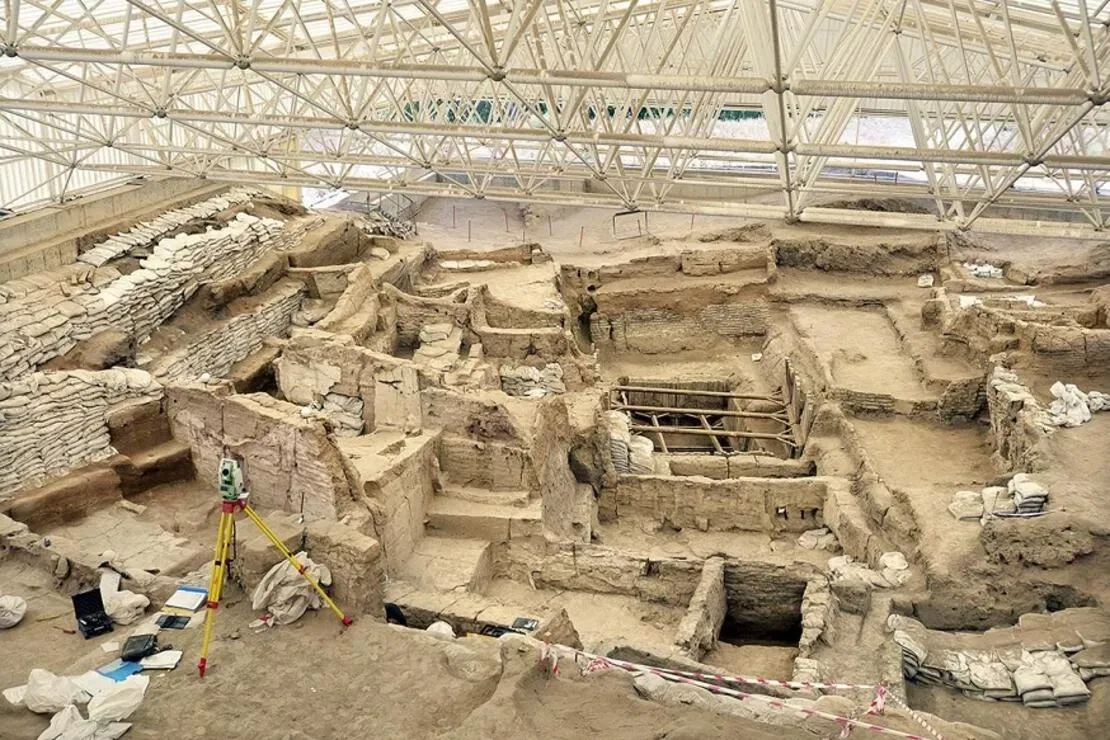
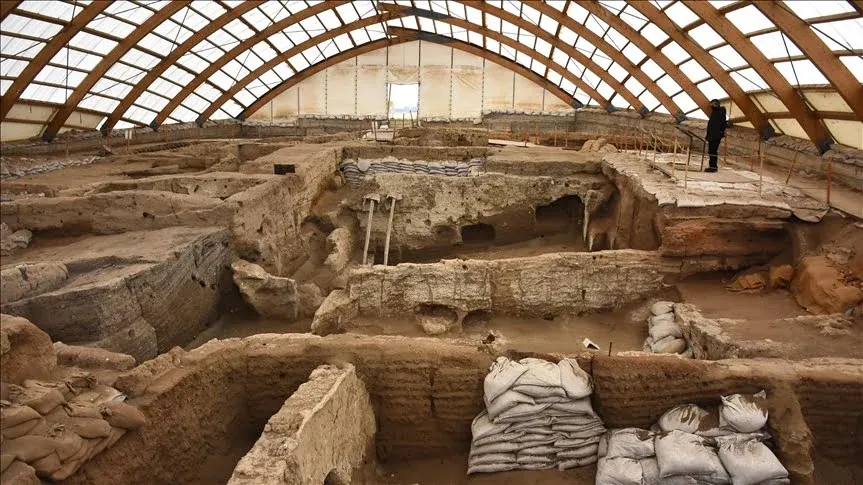
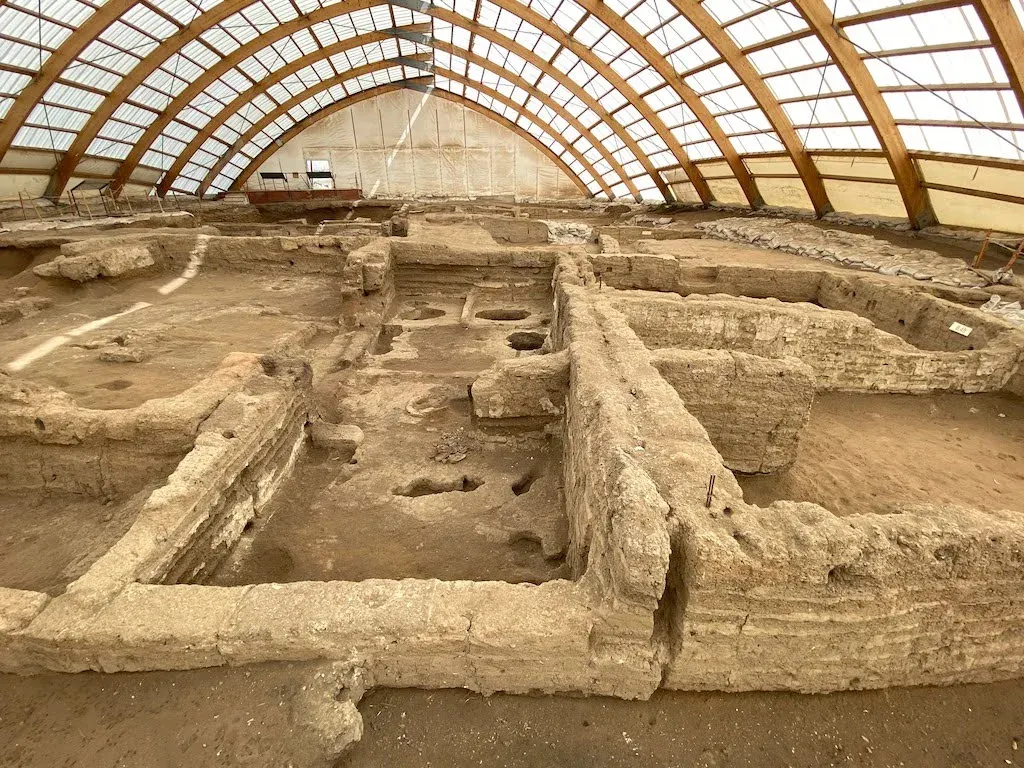
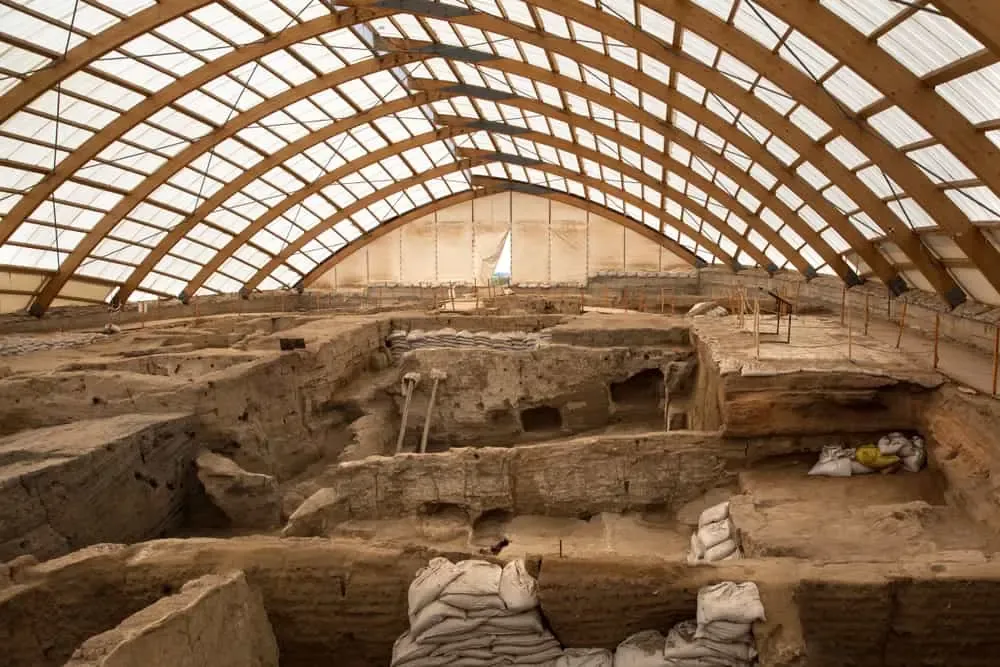
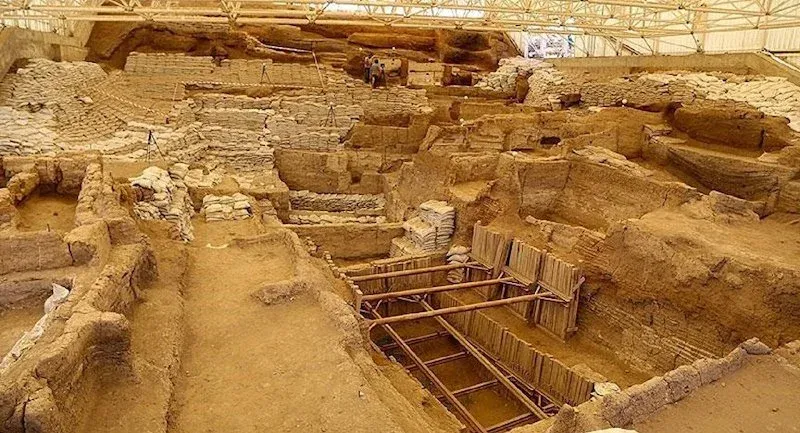
Photos via Wikimedia Commons: Stipich Béla (CC BY 2.5) · Stipich Béla (CC BY 2.5)
History of Çatalhöyük
The Neolithic Origins: Çatalhöyük was a thriving proto-city that existed from approximately 7500 BC to 5600 BC. Situated on the Konya Plain, it represents a pivotal transition in human history from mobile hunter-gatherer groups to sedentary agricultural societies. The site consists of two distinct mounds, with the Eastern Mound containing the primary Neolithic layers that reveal a dense, aggregate settlement of mudbrick houses.
Archaeological Discovery: The site was first identified by James Mellaart in 1958, leading to major excavations between 1961 and 1965. These early efforts uncovered 18 successive building layers, showcasing advanced Neolithic culture. Following a period of inactivity, the Çatalhöyük Research Project, led by Ian Hodder, resumed work in 1993, introducing modern digital methodologies and reflexive archaeology to better understand the site's complex social dynamics.
The Western Mound and Later Eras: While the Eastern Mound represents the Neolithic peak, the Western Mound offers insight into the Early Chalcolithic period, starting around 5600 BC. Beyond its prehistoric significance, the Eastern Mound also shows evidence of later occupation, including Bronze Age graves and structures from the Phrygian, Hellenistic, Roman, and Byzantine periods.
Recent Discoveries: Ongoing research continues to reshape our understanding of the inhabitants. Burials beneath house floors, wall paintings and plaster reliefs remain central to this research, and recent ancient-DNA studies suggest that the community was organized through matrilocal and matrilineal social structures, with households passed down from mother to daughter.
Things to Do in Çatalhöyük
Exploring the Mounds: Visitors to Çatalhöyük can observe the impressive scale of the Eastern and Western mounds. The site allows guests to visualize how thousands of people lived in a densely packed, honeycomb-like urban environment. Walking around the perimeter provides a sense of the landscape that these early settlers overlooked, including the distant view of the twin-coned Mount Hasan.
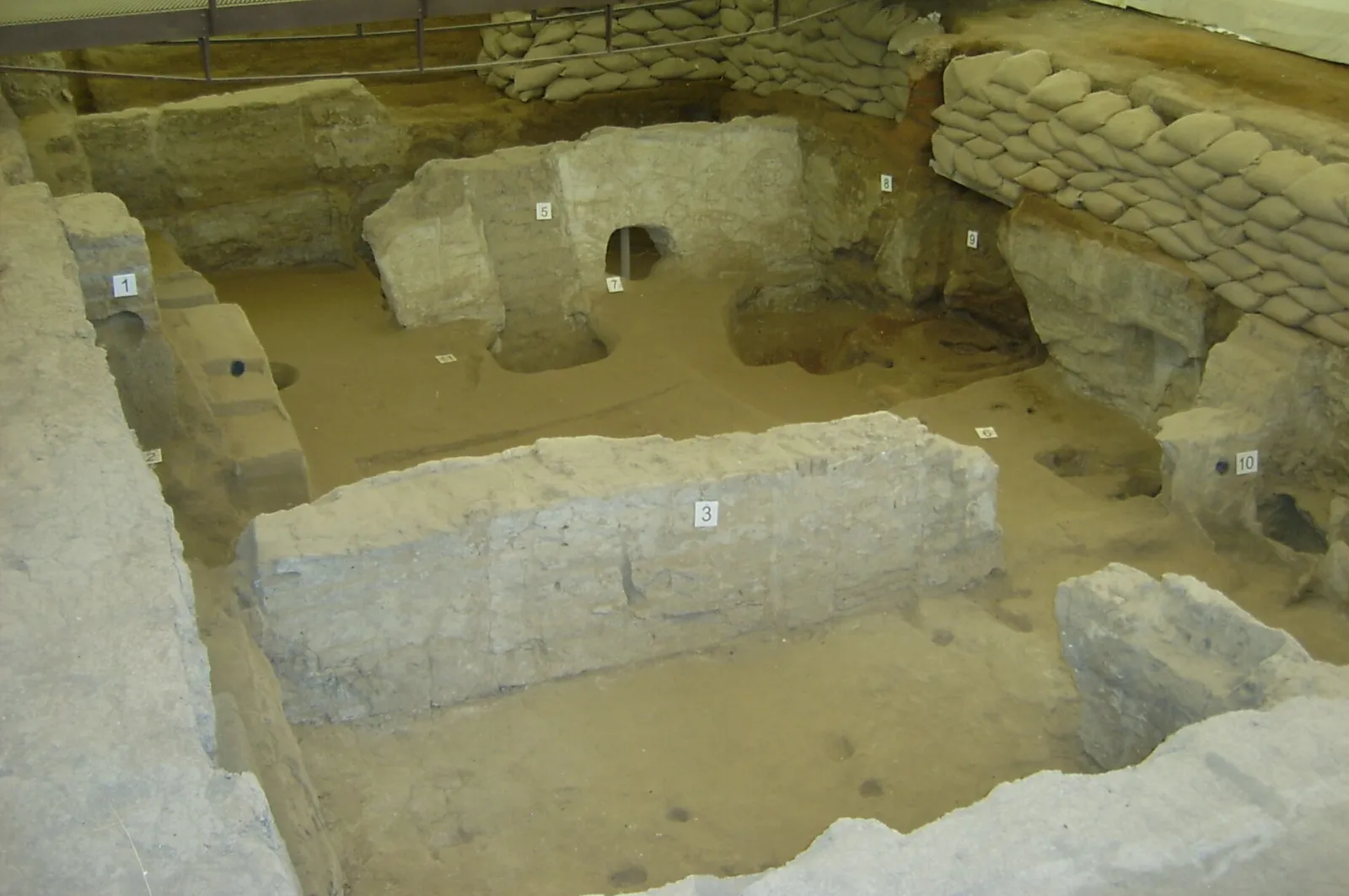
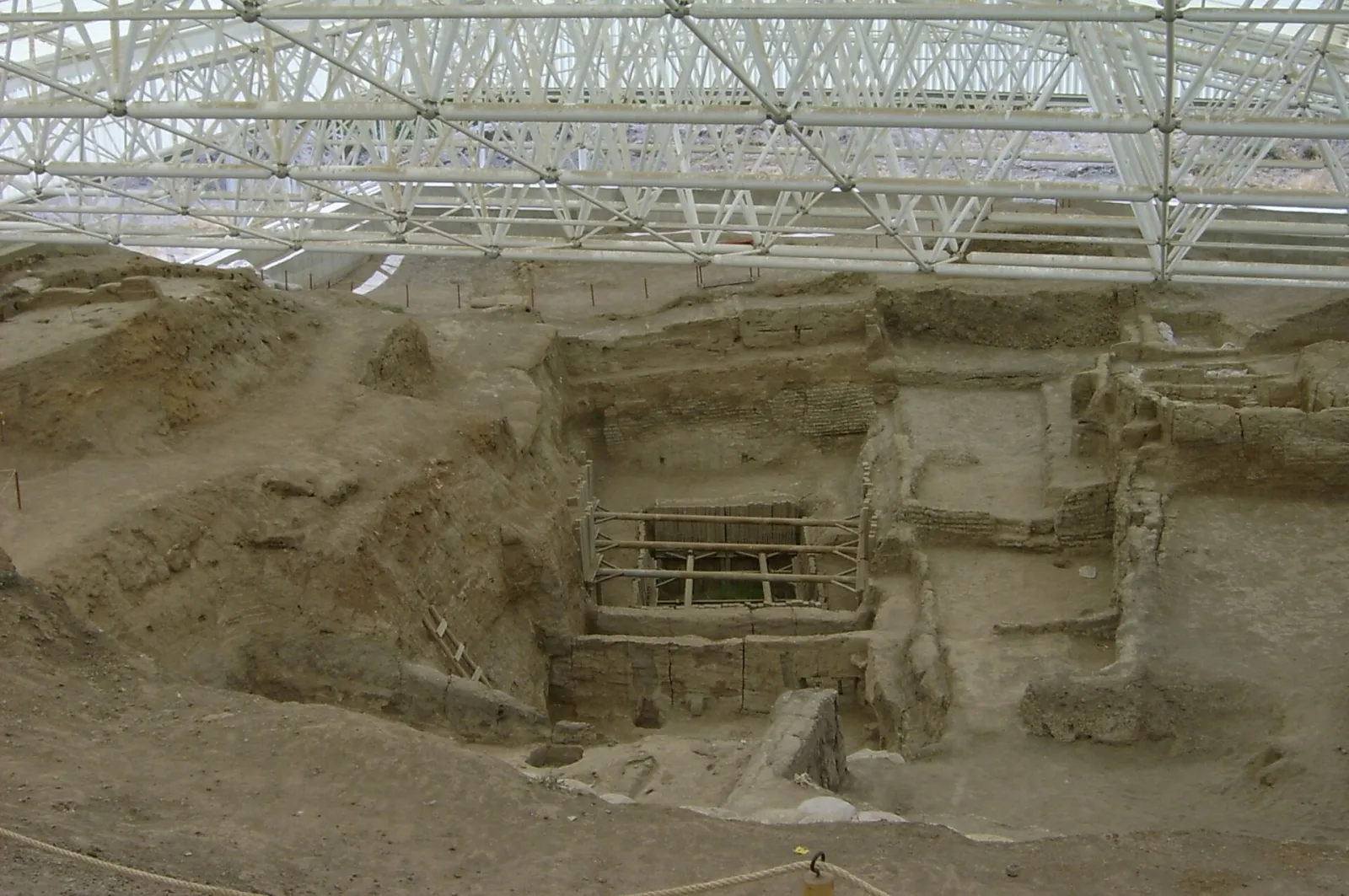
Viewing Excavation Areas: The site features protected excavation shelters where visitors can see excavated buildings in place. These areas provide a rare look at the mudbrick architecture, including the remnants of walls and the layout of domestic spaces that were once accessed via ladders through ceiling openings. Informative signage helps explain the complex layering of the site.
Understanding Daily Life: At the visitor facilities, you can learn about the findings that define the site, such as the thousands of clay figurines and obsidian tools. Displays often highlight the unique domestic life of the inhabitants, who used rooftops as their primary thoroughfares and lived in plastered, multi-room houses. The site offers a profound look at how early humans managed storage, cooking, and communal living.
Top Sights in Çatalhöyük
Eastern Mound
The primary Neolithic settlement area featuring 18 successive layers of mudbrick architecture.
Wall Paintings and Reliefs
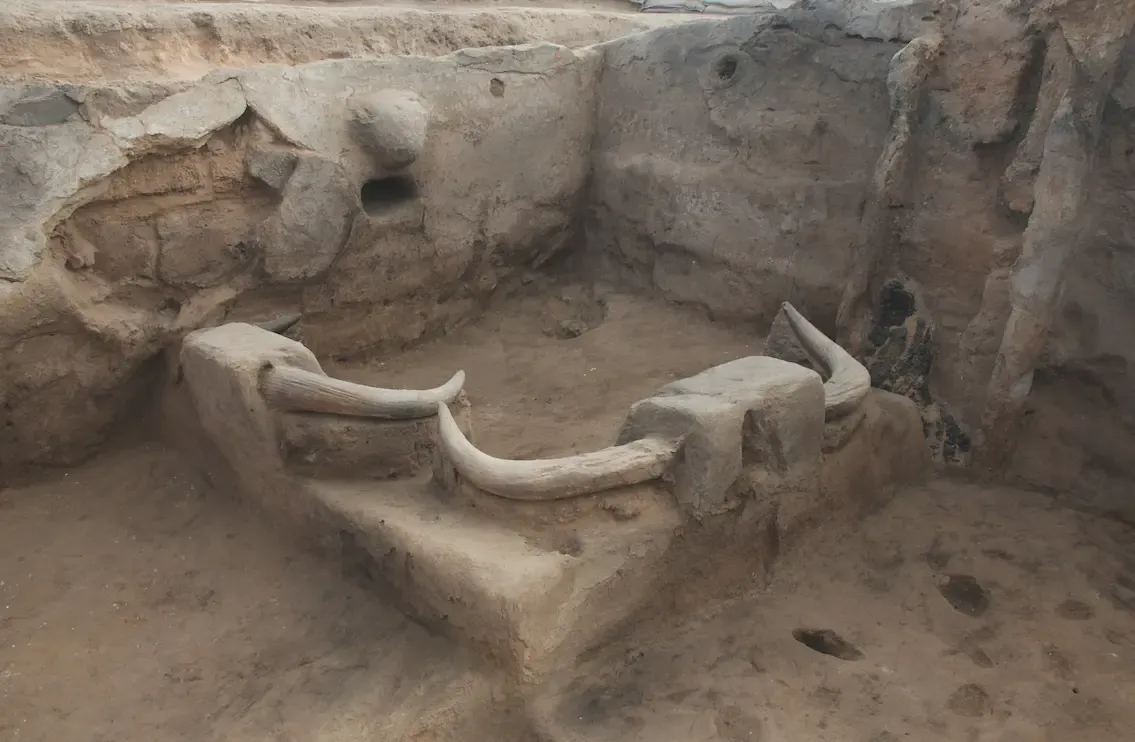
Painted walls, bull horns set in plaster and reliefs found in the houses, among the oldest of their kind.
Honeycomb Architecture
The unique, dense urban layout where houses were built wall-to-wall with no streets.
Obsidian Tools
A vast collection of blades, scrapers, and daggers crafted from volcanic glass found at the site.
Clay Figurines
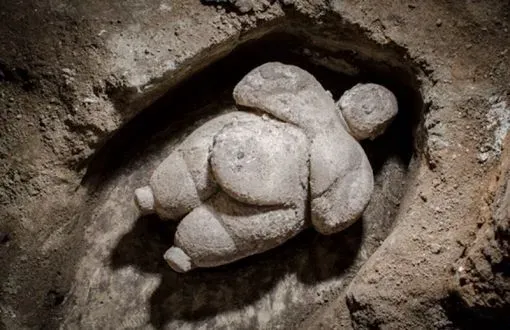
Many small clay figurines of humans and animals, including the famous seated woman now in Ankara's Museum of Anatolian Civilizations.
Travel Tips for Çatalhöyük
Getting there: Çatalhöyük is located in the Çumra district, approximately 50 kilometres southeast of the city of Konya. It is best accessed by private vehicle or organized tour from Konya, as public transportation options directly to the site are limited.
Best time to visit: The spring (April to June) and autumn (September to October) months offer the most comfortable temperatures for walking around the outdoor archaeological site, as the Konya Plain can be quite hot during the peak of summer.
What to wear / bring: Wear comfortable walking shoes suitable for uneven terrain and dusty paths. As the site is largely exposed, bring a hat, high-factor sunscreen, and plenty of water, as shade is limited within the excavated areas of the mounds.
Visiting the site: current opening days and visitor information are on our museum page: Konya Neolithic Site of Çatalhöyük.
Day Tours that Visit Çatalhöyük
Guided daily excursions in Konya that include Çatalhöyük.


Hotels in Çatalhöyük
Hotels within walking distance of Çatalhöyük — request your room online, we reply within 24 hours.

Airport Transfers to Çatalhöyük
Private door-to-door transfers to Catalhoyuk — price per vehicle, one way, meet & greet included.
✈️ Istanbul Airport (IST) → Catalhoyuk
Book this transfer →| Vehicle | Passengers | Price (one way) |
|---|---|---|
| Mercedes Vito | up to 5 | €1,010 |
✈️ Sabiha Gokcen Airport (SAW) → Catalhoyuk
Book this transfer →| Vehicle | Passengers | Price (one way) |
|---|---|---|
| Mercedes Vito | up to 5 | €926 |
Çatalhöyük – Frequently Asked Questions
What makes Çatalhöyük famous?
It is one of the best-preserved and largest Neolithic settlements in the world. It is particularly famous for its unique urban layout, where houses were clustered together without streets.
Can I see the original artifacts on-site?
While the site provides excellent context and some displays, many of the most significant artifacts, such as figurines and pottery, are housed in museums in Konya and Ankara.
How did people enter their houses?
Residents accessed their mudbrick homes through holes in the roof using wooden ladders. These openings also served as the primary ventilation for smoke from indoor hearths.
Is the site suitable for children?
Yes, it is an educational experience for children interested in history. However, parents should be prepared for walking on uneven ground and ensure children stay within designated paths.
Are there guided tours available?
Yes, many visitors choose to join guided tours from Konya to gain deeper insights into the archaeological significance and the ongoing research at the site.
Is Çatalhöyük a UNESCO World Heritage Site?
Yes. Çatalhöyük is inscribed on the UNESCO World Heritage List (2012) as “Neolithic Site of Çatalhöyük”.