Magnesia on the Maeander, Kuşadası - Ephesus
📍 Germencik, Aydın, Kuşadası - Ephesus, Turkey · Magnesia
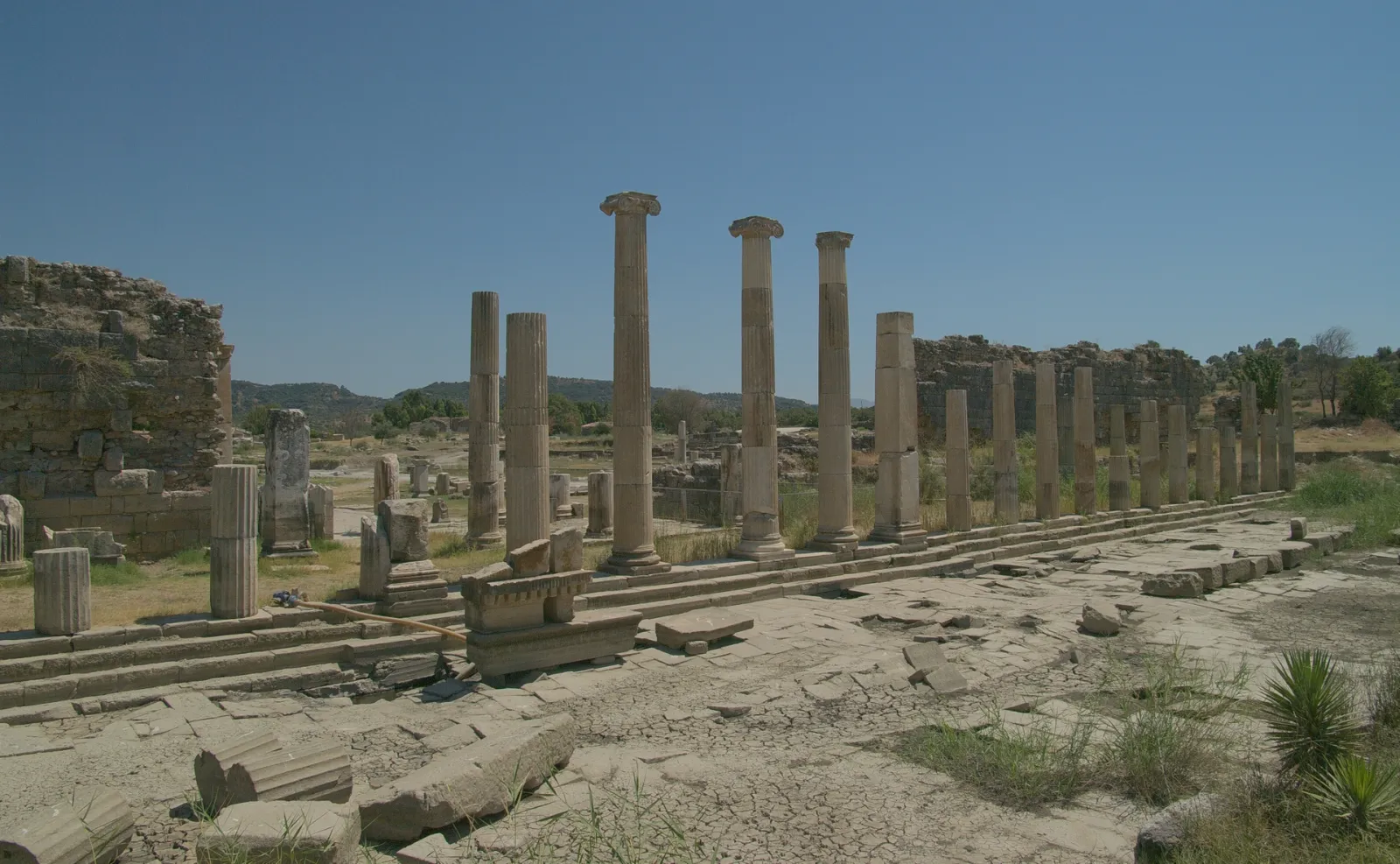
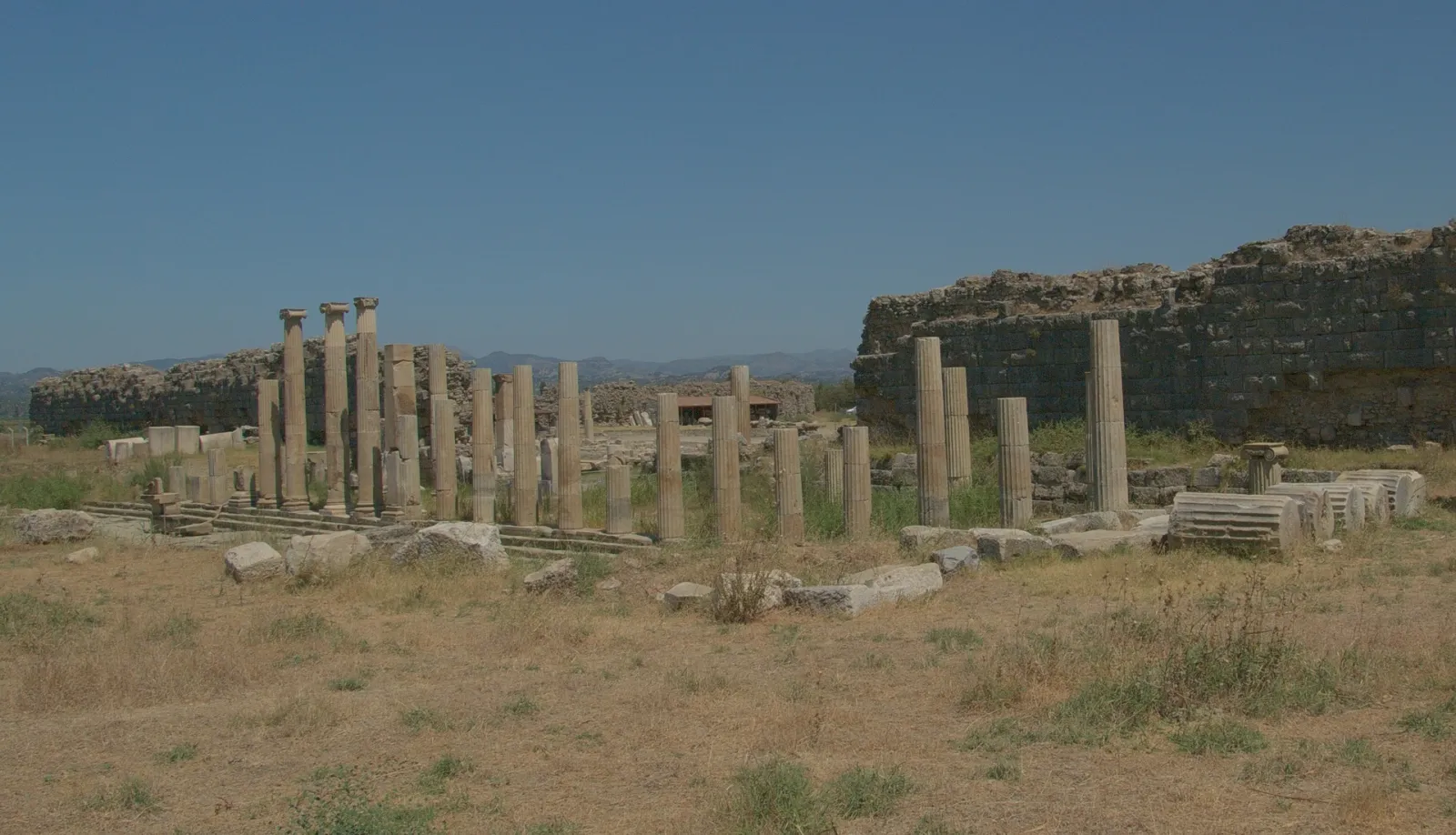
Magnesia on the Maeander is an ancient Ionian city located near Germencik, renowned for its significant archaeological ruins and historical connections to figures like Themistocles. Travellers visit to explore the remnants of its grand temples, stadium, and the architectural legacy of the celebrated architect Hermogenes.
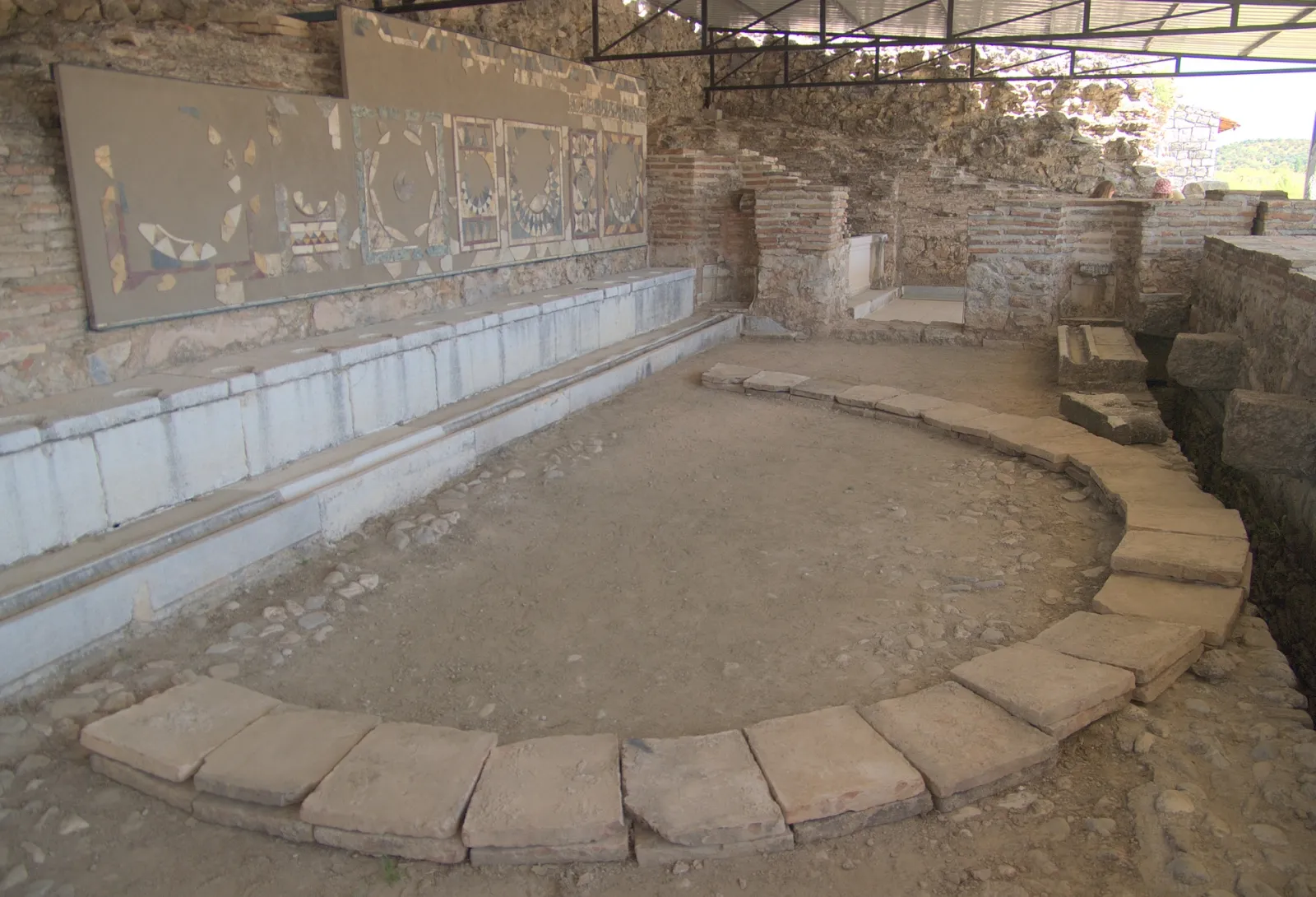
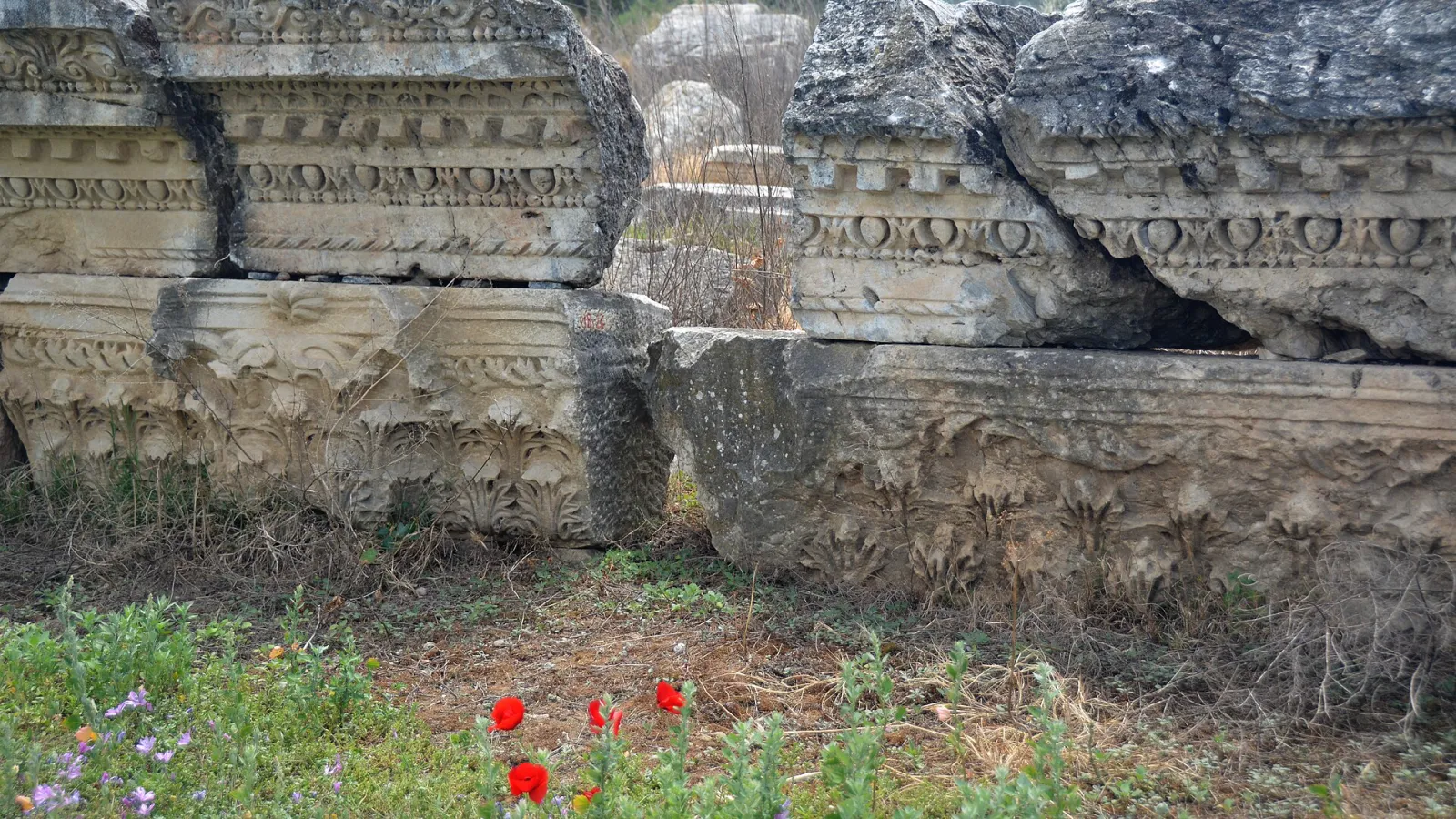
Photos via Wikimedia Commons: Vadimph (CC BY-SA 3.0) · Vadimph (CC BY-SA 3.0) · Vadimph (CC BY-SA 3.0) · Vadimph (CC BY-SA 3.0) · Vadimph (CC BY-SA 3.0) · Feridun F. Alkaya (CC BY-SA 2.0)
History of Magnesia on the Maeander
Origins and Early History: Founded by Magnetes from Thessaly alongside Cretan settlers, Magnesia on the Maeander occupied a strategic position in the fertile Maeander river valley. Though situated in Ionia, its Aeolian roots meant it remained outside the Ionian League. The city faced significant upheaval, including destruction by Cimmerian raids between 726 BC and 660 BC, before being rebuilt by Milesian or Ephesian settlers.
Persian and Classical Influence: During the fifth century BC, the exiled Athenian statesman Themistocles was granted control of the city by the Persian King Artaxerxes. The city flourished as a commercial hub and was occasionally home to Persian satraps governing the region. It maintained a competitive status with neighbouring Ephesus, demonstrating its regional power and prosperity.
Hellenistic and Roman Eras: The city is perhaps best known for the Temple of Artemis Leucophryene, designed by the famous architect Hermogenes in the Ionic style. Following a reported theophany of Artemis in the 3rd century BC, the city was granted asylia by other Greek states. After 188 BC the city came under the Kingdom of Pergamon and, from 133 BC, under Rome as part of the province of Asia; it later declined in importance but remained a bishopric.
Archaeological Rediscovery: The site remained largely neglected until the late 19th century when German archaeologist Carl Humann conducted the first major excavations between 1891 and 1893. These efforts revealed the theatre, agora, and temples. Modern research resumed in 1984 under Turkish leadership, continuing to uncover significant statuary and architectural remains that provide insight into ancient Ionian life.
Things to Do in Magnesia on the Maeander
Exploring the Archaeological Site: Visitors can walk through the extensive ruins of the city, which include the remains of the impressive Temple of Artemis Leucophryene. While the structure is largely ruined, the site offers a profound sense of the scale and architectural harmony that once defined this sacred enclosure. You can also view the remnants of the ancient stadium, which stretched over 185 meters in length.
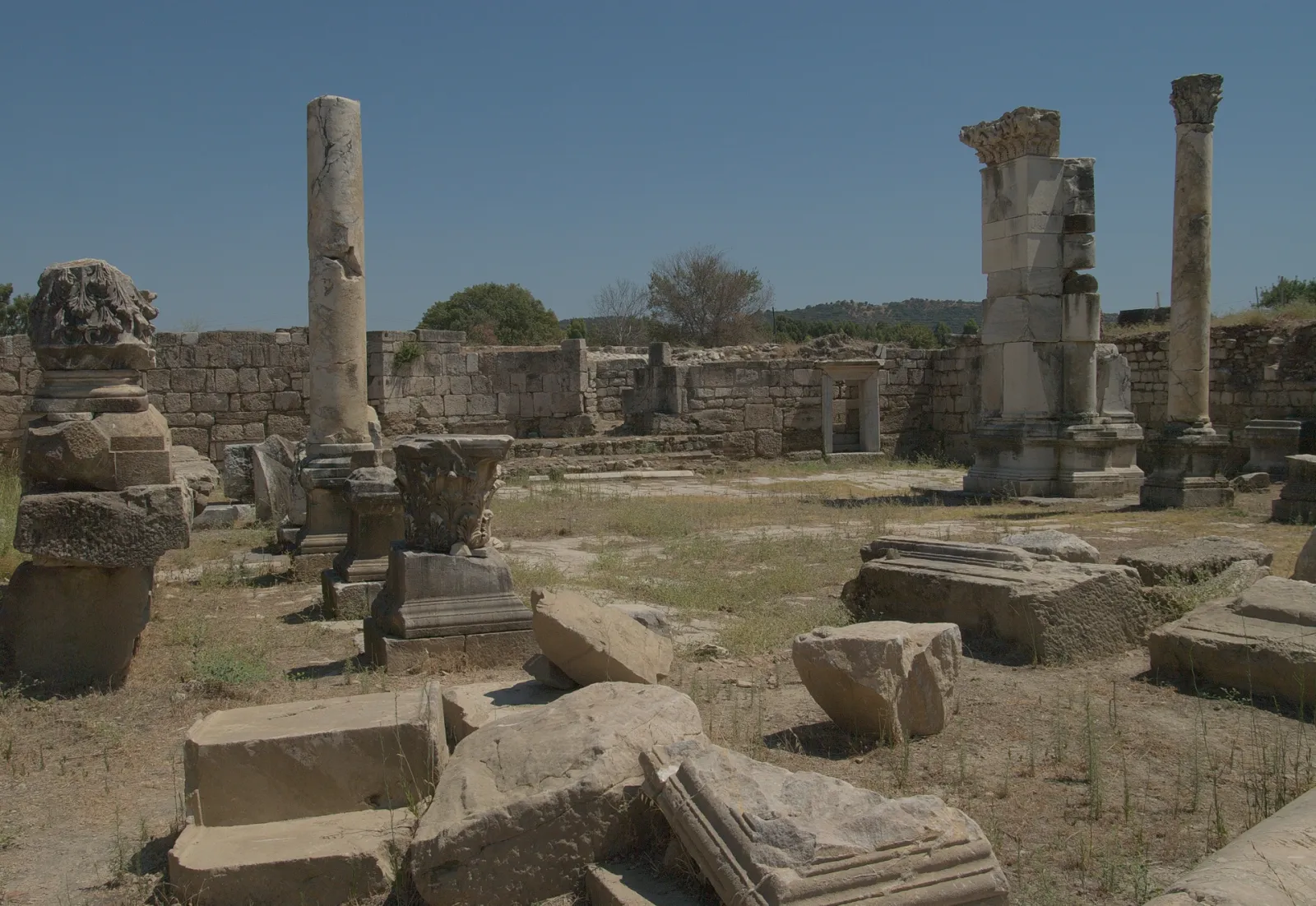
Identifying Key Structures: The site features the foundations of several important public buildings, including the agora and the prytaneion. These areas provide a glimpse into the civic life of the city. Additionally, you can explore the theatre ruins, which served as a focal point for the cultural and social gatherings of the ancient inhabitants.
Regional Context: Beyond the immediate site, the surrounding landscape of the Aydın province reflects the fertile territory that once supported the city's production of wine and figs. While many original artifacts are now housed in museums in Istanbul, Berlin, and Paris, visiting the site allows you to connect the physical geography of the Maeander valley with the historical accounts of ancient writers like Strabo.
Top Sights in Magnesia on the Maeander
Temple of Artemis
A masterpiece of Ionic architecture designed by the renowned architect Hermogenes.
Ancient Stadium
A well-defined athletic space measuring approximately 185.90 meters in length.
The Agora
The central marketplace and civic heart of the ancient city.
The Theatre
A structural remnant of the city's cultural life partially revealed during early excavations.
The Prytaneion
The administrative building where the city's sacred fire was once maintained.
Travel Tips for Magnesia on the Maeander
Getting there: The site is located near the village of Tekin in the Germencik district of Aydın Province. It is best accessed by private vehicle or taxi from nearby hubs like Kuşadası or Aydın city, as public transport options directly to the archaeological site are limited.
Best time to visit: Spring and autumn are the ideal seasons to visit the ruins. The Mediterranean climate can become extremely hot during the summer months, making extensive walking through the open-air archaeological site challenging during midday.
What to wear / bring: Wear comfortable, sturdy walking shoes to navigate the uneven terrain of the ruins. Bring a hat, high-factor sunscreen, and plenty of water, as there is very little shade available within the archaeological zone.
Visiting the site: current opening days and visitor information are on our museum page: Aydın Magnesia Archeological Site.
Magnesia on the Maeander – Frequently Asked Questions
Is Magnesia on the Maeander the same as Magnesia ad Sipylum?
No, they are distinct cities. Magnesia on the Maeander is located in the Aydın province, while Magnesia ad Sipylum is a separate site located further north.
Can I see the statues found at the site on-site?
Most significant findings from the excavations are housed in museums in Istanbul, Aydın, Berlin, and Paris. The site itself focuses on the architectural ruins.
How much time should I spend at the site?
Most visitors find that two to three hours is sufficient to explore the main archaeological area and view the foundations of the major temples.
Are there guided tours available?
While there are no permanent guides stationed at the site, many travellers arrange private tours from nearby coastal towns like Kuşadası to provide historical context.
Is the site accessible for people with mobility issues?
The site consists of uneven ground and archaeological ruins, which can make navigation difficult for those with limited mobility.