Didyma, Kuşadası - Ephesus
📍 Didim, Aydın, Kuşadası - Ephesus, Turkey · Didim (Didyma)
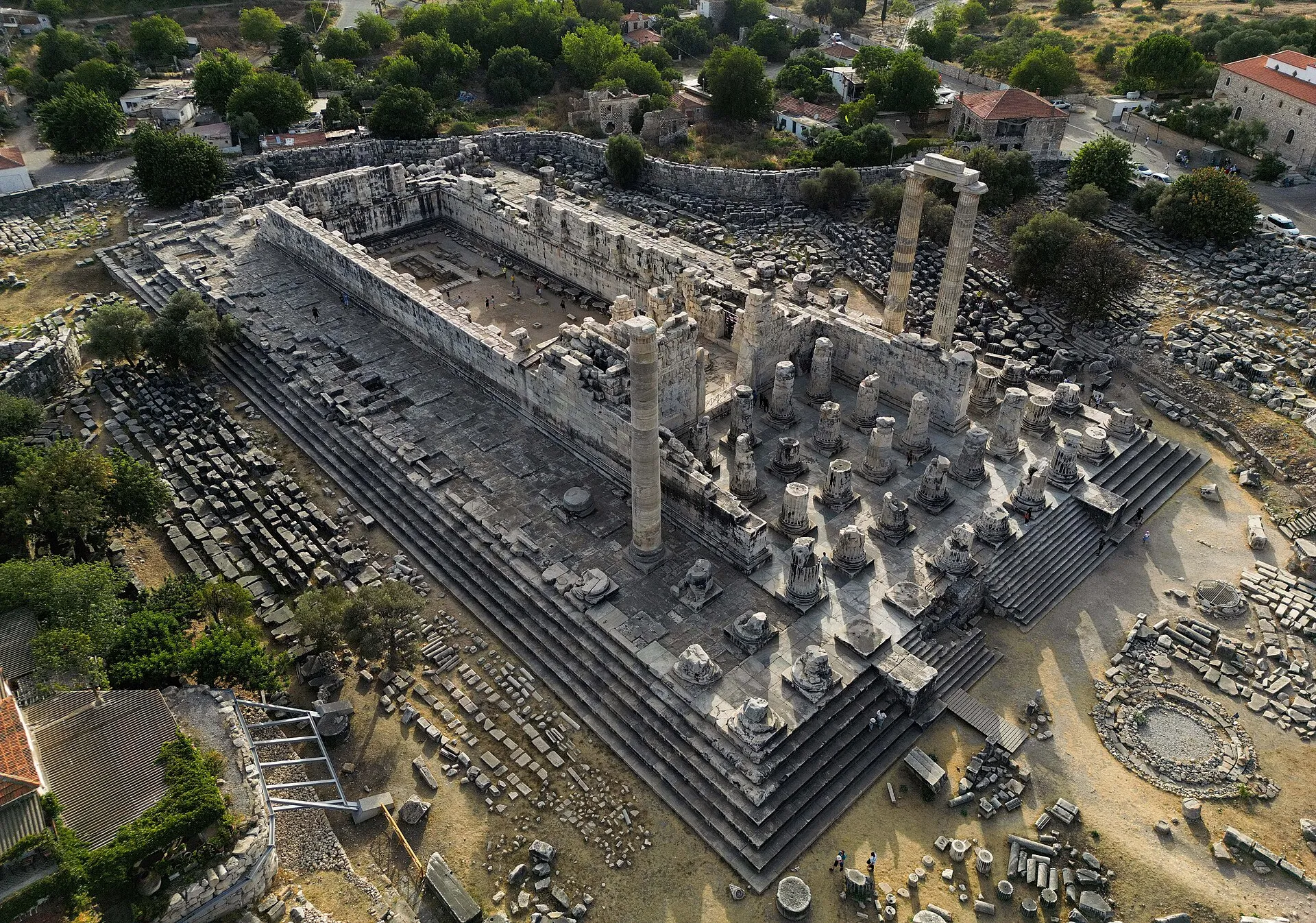
Didyma is an ancient Ionian sanctuary near Didim, Turkey, renowned for its colossal Temple of Apollo. Travellers visit to explore the massive Hellenistic ruins and learn about the famous oracle that once drew pilgrims from across the Mediterranean.
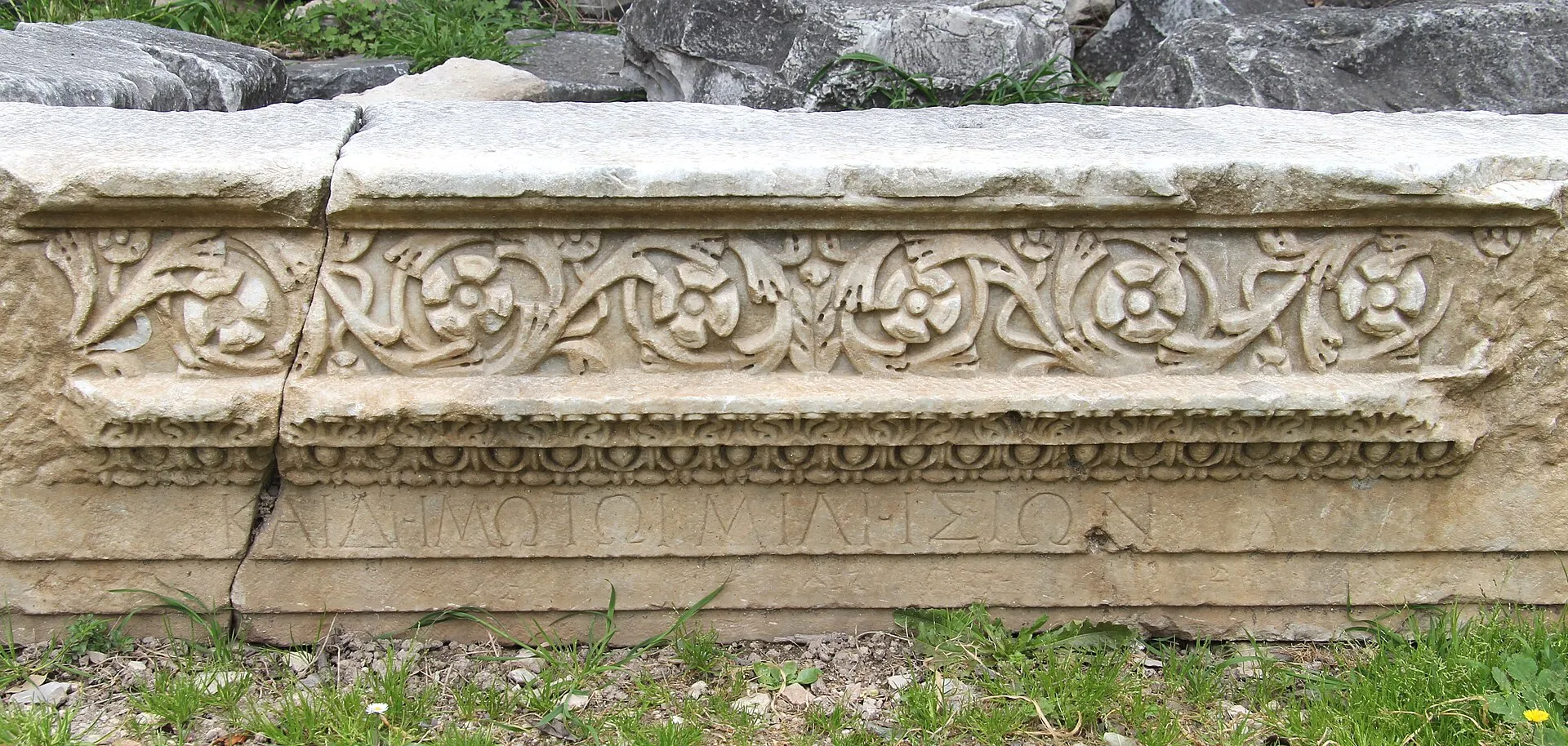
Photos via Wikimedia Commons: Rotadefterim (CC BY-SA 4.0) · Rotadefterim (CC BY-SA 4.0) · Rotadefterim (CC BY-SA 4.0) · Rotadefterim (CC BY-SA 4.0) · Rabe! (CC BY-SA 4.0)
History of Didyma
Didyma served as the major sanctuary for the city of Miletus, dedicated primarily to Apollo. The site's origins are mythologized through the Branchidae priestly line, though archaeological evidence confirms activity from the 8th century BC. The sanctuary flourished under Ionian rule until the Persian invasion in 494 BC, when Darius's forces burned the temple and seized the cult statue, silencing the oracle for centuries.
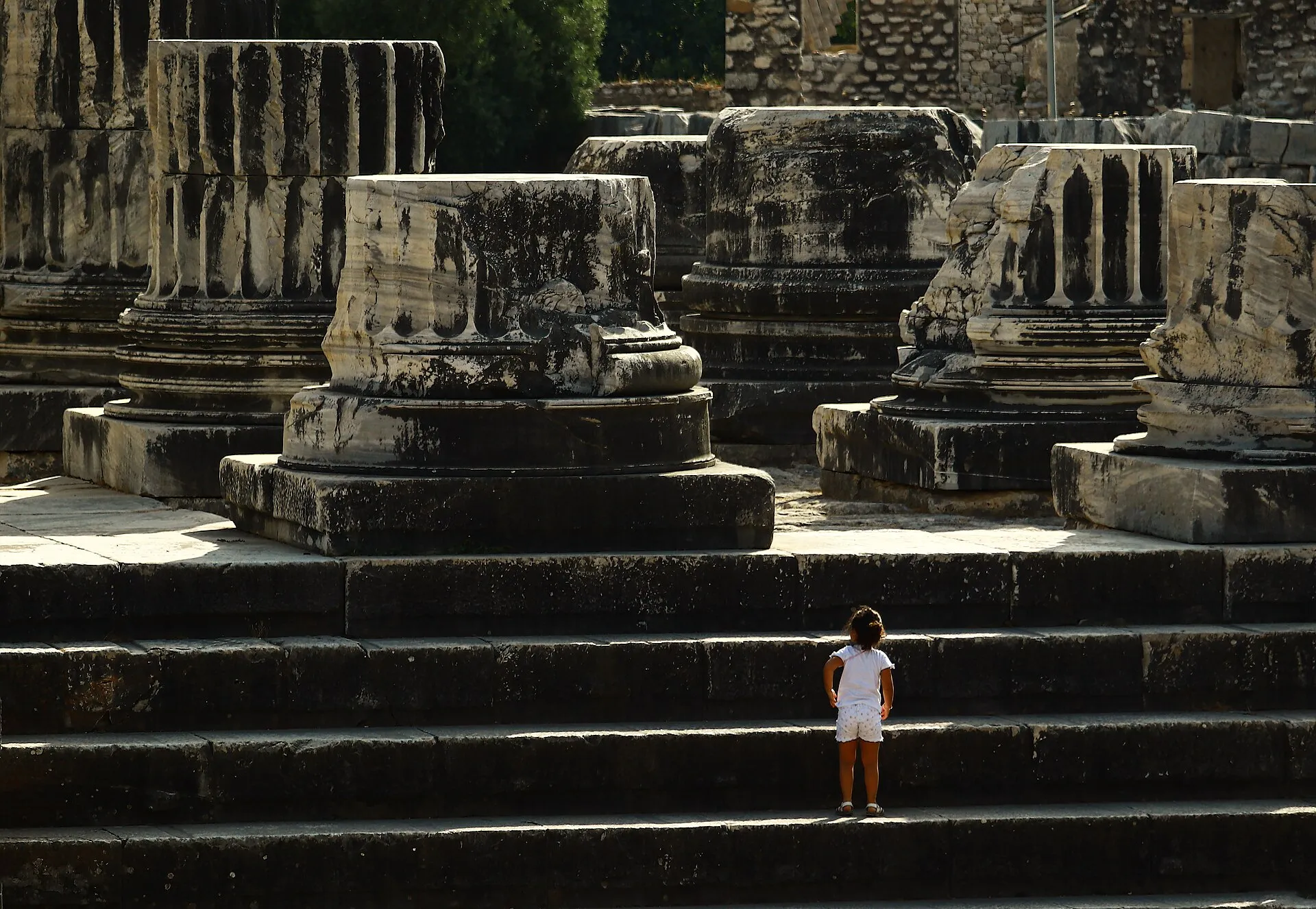
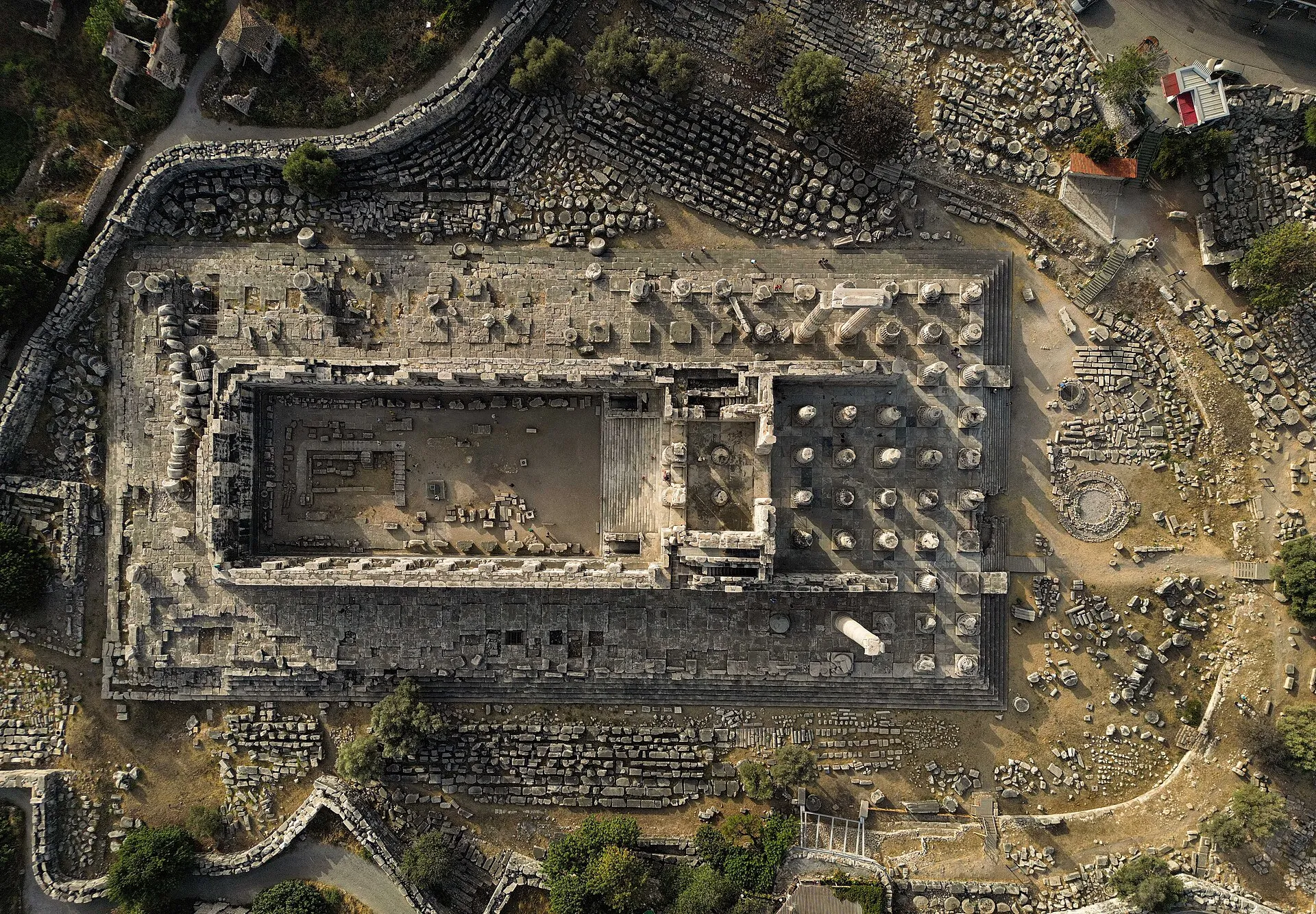
The sanctuary remained in ruins until Alexander the Great liberated Miletus in 334 BC. According to tradition, the sacred spring resumed flowing during his reign, prompting the Milesians to begin constructing a new, monumental temple. This Hellenistic structure became one of the largest in the ancient world, designed by architects Paeonius and Daphnis, featuring a dipteral plan with double rows of Ionic columns.
During the Hellenistic period, Didyma received significant patronage from Seleucid kings, who offered rich donations. However, the site suffered a setback when Galatian invaders looted the sanctuary in 277 BC. Despite this, the temple complex continued to expand, incorporating a theatre and a temple to Artemis, reflecting the dual worship of the divine twins central to the site's identity.
Archaeological excavations have revealed the intricate layout of the sanctuary, including the Sacred Way connecting it to Miletus. Statues and architectural fragments from the 6th century BC are now housed in major museums, including the British Museum. The site remains a testament to the religious and political significance of Miletus and its sanctuary throughout the Classical and Hellenistic eras.
Things to Do in Didyma
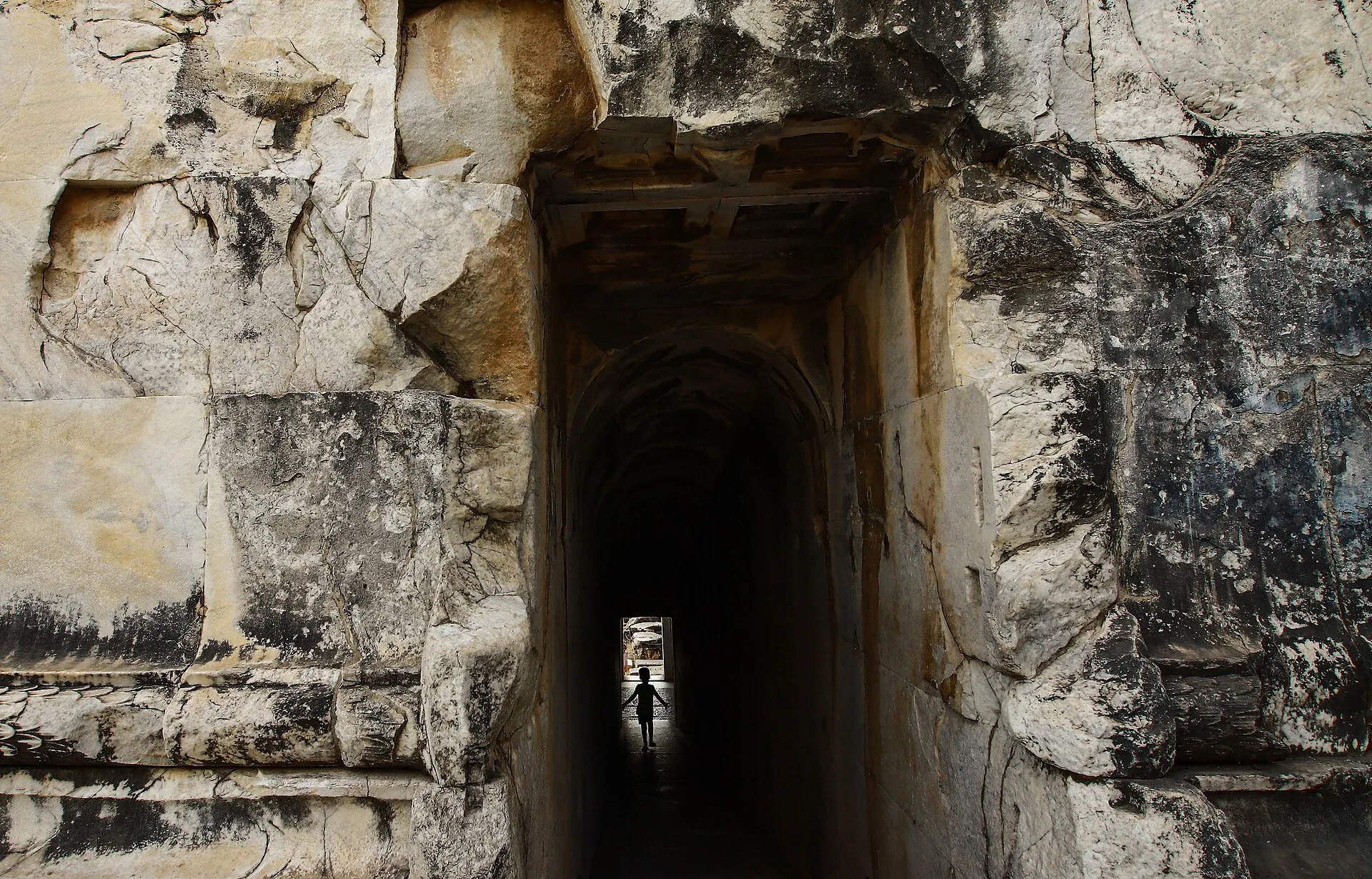
The primary attraction is the Temple of Apollo, a massive Hellenistic structure with towering columns. Visitors can walk through the pronaos and explore the inner court, where the oracle spring and sacred laurel tree were located. The scale of the ruins offers a profound sense of the sanctuary's former grandeur and religious importance.
Explore the Sacred Way, the ancient processional route linking Didyma to Miletus. While the full 20 km path is not entirely walkable, sections near the sanctuary and the harbour at Panormos provide insight into the ritual journeys undertaken by pilgrims. Look for remnants of waystations and statues that once lined this holy road.
Visit the nearby Altar of Poseidon, located on the southwestern cape of the Milesian Peninsula. This 6th-century BC altar marked the boundary between Ionia and Caria. Its remains are visible near a modern lighthouse, offering a scenic coastal walk and a glimpse into the region's maritime religious practices.
Combine your visit with a trip to Miletus, located about 16 km away. The ancient city features a well-preserved theatre, agora, and Faustina Baths. Exploring both sites provides a comprehensive understanding of the relationship between the civic centre and its religious sanctuary.
Top Sights in Didyma
Temple of Apollo
One of the largest temples in the Hellenistic world, featuring massive Ionic columns and an impressive inner court.
Oracle Spring
The sacred spring where the priestess delivered prophecies, located within the temple's inner sanctuary.
Sacred Way
The ancient processional route connecting the sanctuary to Miletus, lined with statues and ritual stations.
Altar of Poseidon
A 6th-century BC altar marking the border between Ionia and Caria, situated on a coastal cape.
Temple of Artemis
Remains of the temple dedicated to Apollo's twin sister, located north of the main Apollo temple.
Travel Tips for Didyma
Getting there: Didyma is located a short distance northwest of modern Didim. It is accessible by car or local dolmuş from Didim centre. The site is also easily reached from Kuşadası or Bodrum via regional transport links.
Best time to visit: Spring and autumn offer the most comfortable temperatures for exploring the open-air ruins. Summer visits are possible but can be hot, so early morning or late afternoon visits are recommended to avoid peak heat and crowds.
What to wear / bring: Wear sturdy footwear suitable for uneven stone surfaces and walking on ancient ruins. Bring sun protection, including a hat and sunscreen, as there is limited shade within the temple complex. Carry sufficient water, especially during warmer months.
Visiting the site: current opening days and visitor information are on our museum page: Aydın Apollo Temple of Didyma.
Day Tours that Visit Didyma
Guided daily excursions in Kuşadası - Ephesus that include Didyma.
Hotels in Didyma
Hotels within walking distance of Didyma — request your room online, we reply within 24 hours.

Oracle Cafe Pansiyon
0.1 km from Didyma
Medusa House Butik Otel
0.2 km from Didyma
As Ece Suites
0.7 km from Didyma
Kont Exclusive Hotel
1.2 km from Didyma
Marla Suit Hotel
1.4 km from Didyma
Merve Butik Hotel
1.6 km from Didyma
Panormos Hotel
2.1 km from Didyma
Toros Hotel
2.2 km from Didyma
Aelbistan Otel
2.4 km from Didyma
01 Nova Otel
2.6 km from Didyma
Royal Blue Apartments
2.7 km from Didyma
Lera Hotel
2.7 km from Didyma
Aristo Otel
3 km from Didyma
Didim Beykoz Pansiyon
3 km from DidymaAirport Transfers to Didyma
Private door-to-door transfers to Didyma (Didim) — price per vehicle, one way, meet & greet included.
✈️ Istanbul Airport (IST) → Didyma (Didim)
Book this transfer →| Vehicle | Passengers | Price (one way) |
|---|---|---|
| Mercedes Vito | up to 5 | €836 |
✈️ Sabiha Gokcen Airport (SAW) → Didyma (Didim)
Book this transfer →| Vehicle | Passengers | Price (one way) |
|---|---|---|
| Mercedes Vito | up to 5 | €750 |
Didyma – Frequently Asked Questions
What is Didyma famous for?
Didyma is famous for its massive Temple of Apollo and its ancient oracle. It was one of the most significant religious sites in the Ionian world, drawing pilgrims from across the Mediterranean.
How far is Didyma from Miletus?
The linear distance between Didyma and Miletus is approximately 16 km. In antiquity, they were connected by a 20 km Sacred Way used for religious processions.
Can you see the oracle spring today?
Yes, the location of the sacred spring is visible within the inner court of the Temple of Apollo. It was the focal point of the oracle's rituals, where the priestess delivered prophecies.
Is Didyma suitable for a half-day trip?
Yes, Didyma can be explored in a few hours. Many visitors combine it with a visit to nearby Miletus or the Altar of Poseidon for a fuller day of ancient history.
What is the meaning of the name Didyma?
Didyma means 'twins' in Greek, referring to the twin deities Apollo and Artemis. Some scholars also suggest a Carian origin for the name, predating Greek colonization.