Pedasa, Bodrum
📍 Konacık, Bodrum, Bodrum, Turkey
Pedasa is an ancient Carian city-state located near the modern town of Konacık in the Bodrum region of Turkey. Travellers visit this significant archaeological site to explore the remnants of a once-independent polis and experience the historical atmosphere of the ancient Aegean landscape.
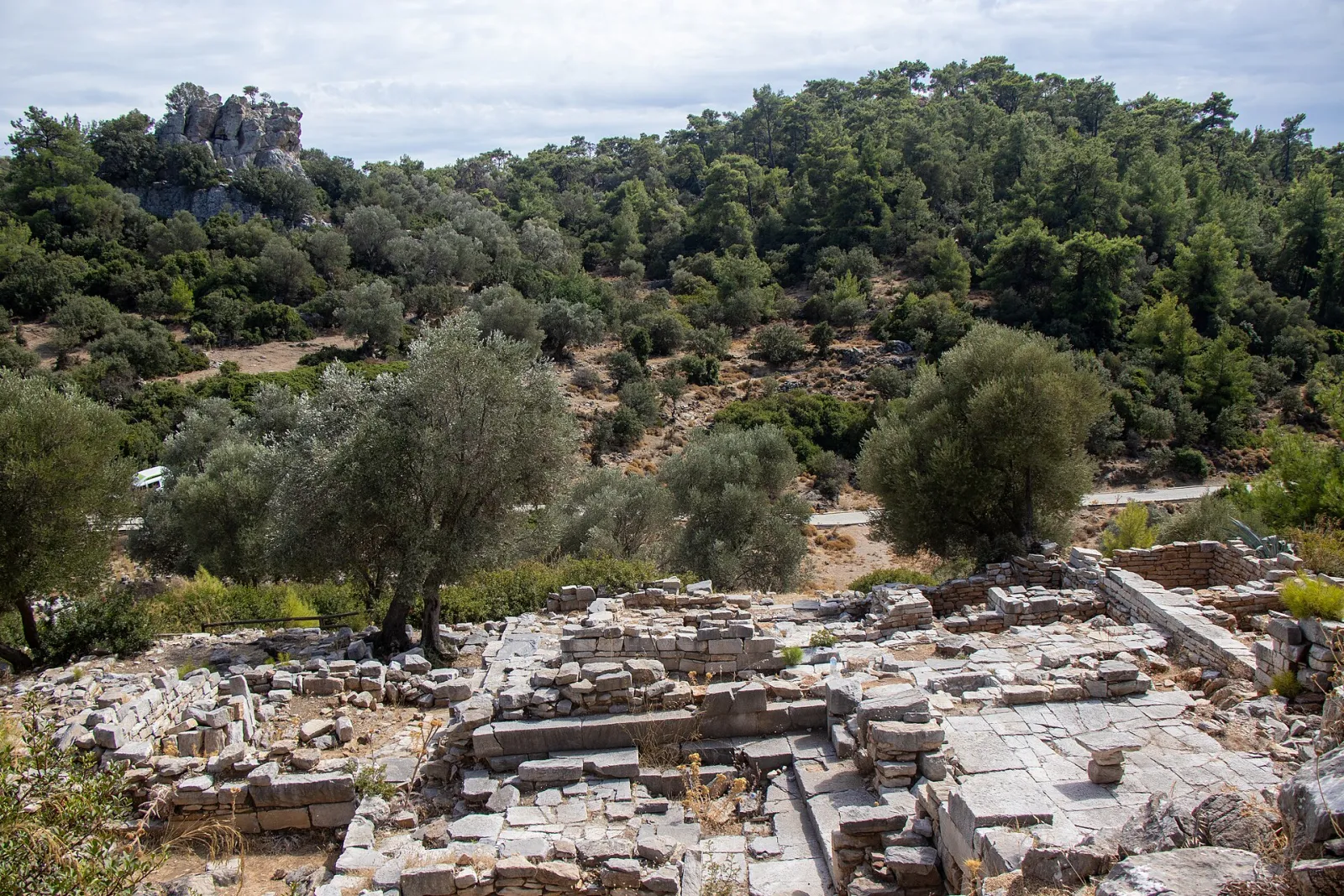
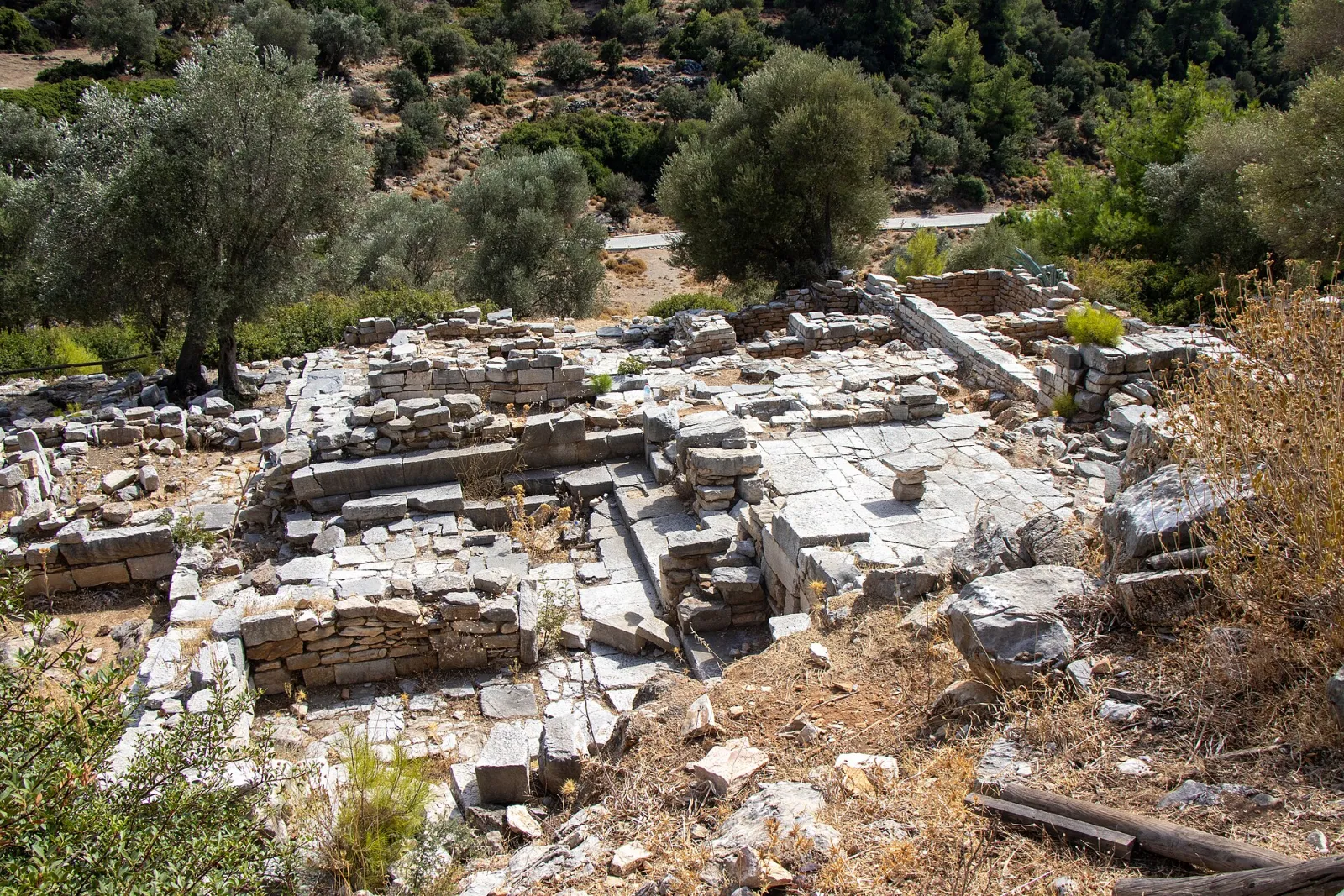
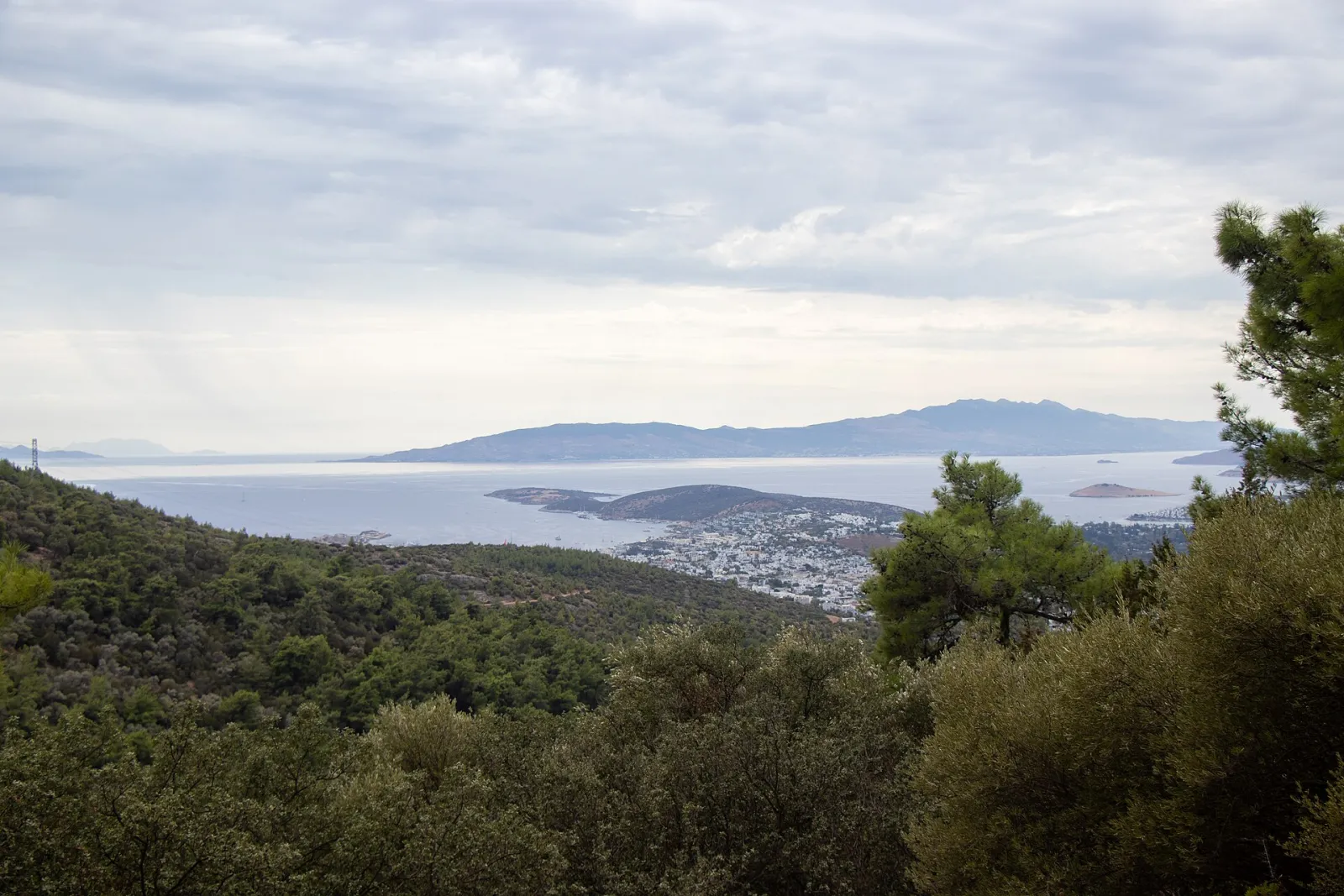
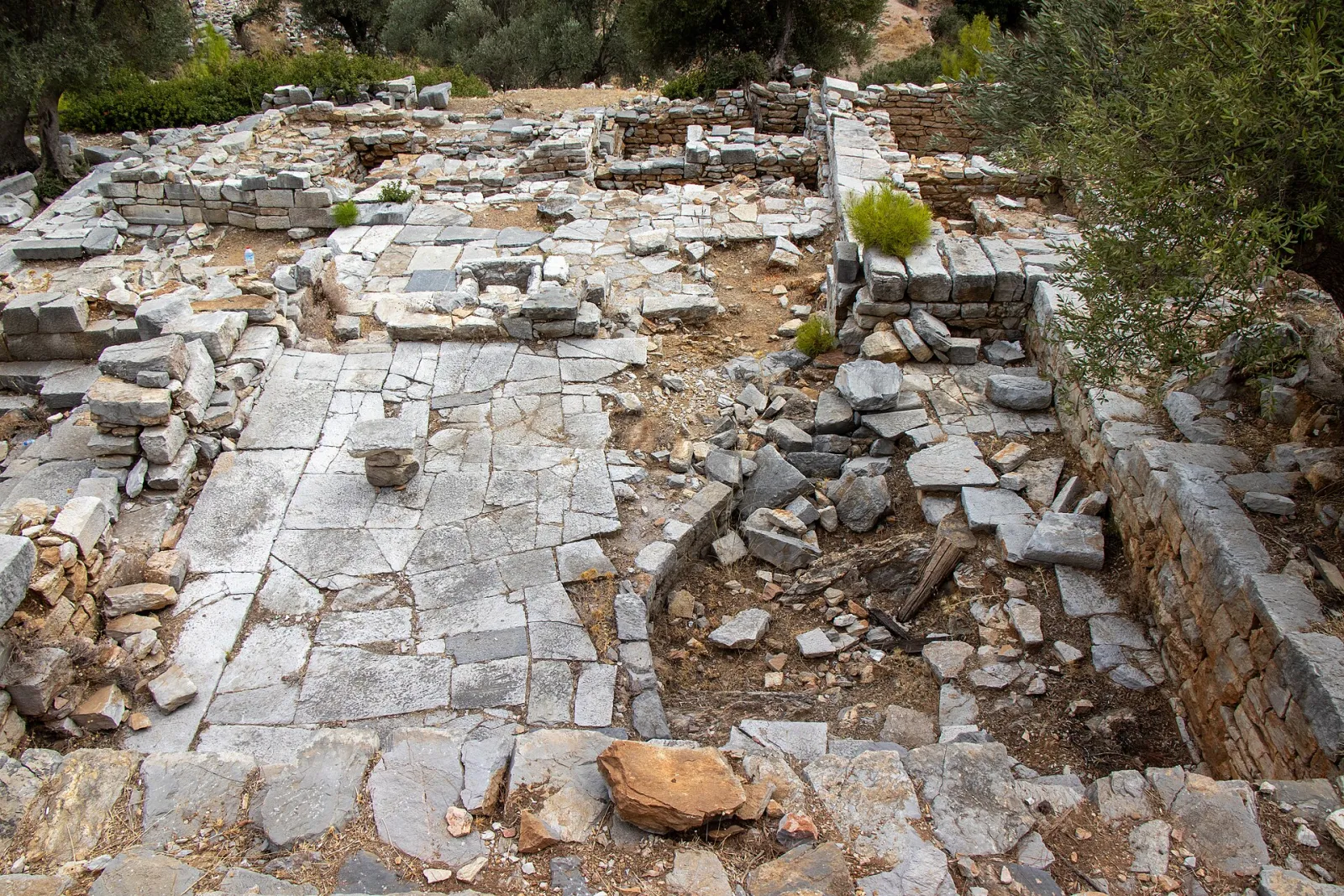
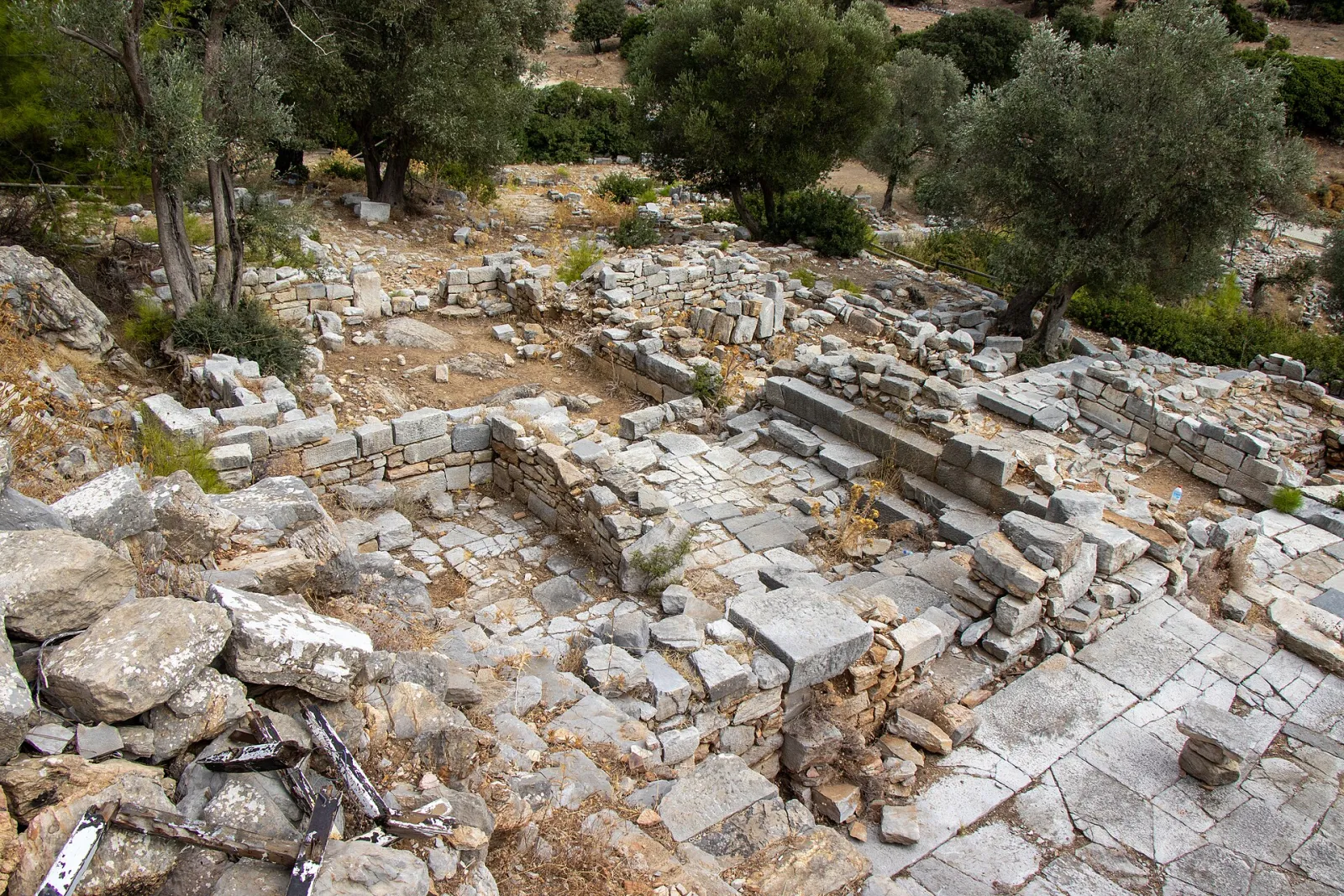
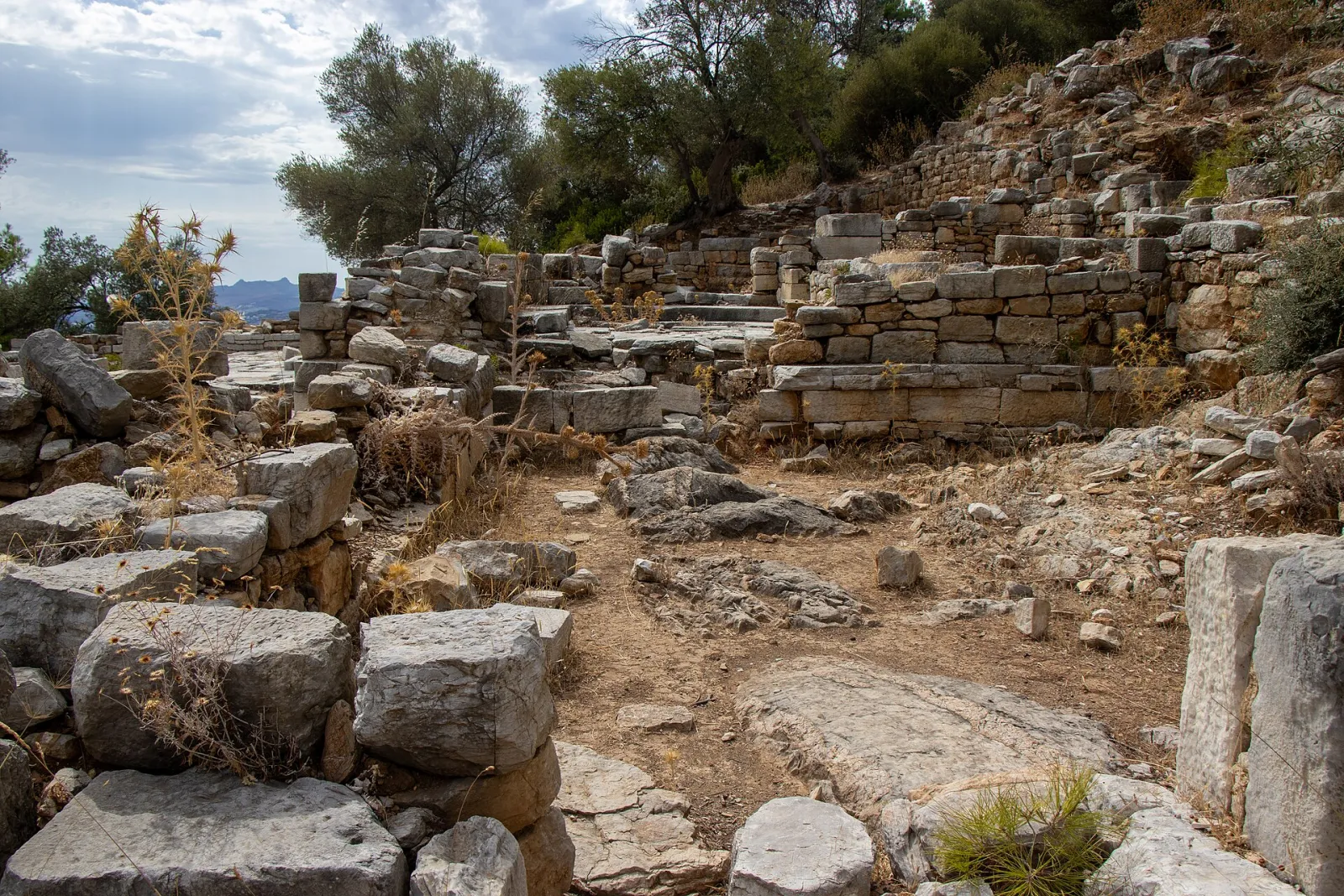
Photos via Wikimedia Commons: Koray (CC BY-SA 4.0) · Koray (CC BY-SA 4.0) · Koray (CC BY-SA 4.0) · Koray (CC BY-SA 4.0) · Koray (CC BY-SA 4.0) · Koray (CC BY-SA 4.0)
History of Pedasa
Ancient Origins and Status: Pedasa, also known as Pedasus or Pedasos, was a prominent town of ancient Caria. Historical records indicate that it functioned as a polis, or independent city-state, by approximately 400 BCE. Its strategic importance in the region is underscored by its membership in the Delian League, a powerful confederation of Greek city-states formed to continue the fight against the Persian Empire.
Persian Influence and Notable Figures: The city is historically linked to the Persian era, most notably through Hermotimus of Pedasa. He rose to prominence as a favourite eunuch and advisor to Xerxes the Great, highlighting the complex political and social connections between Carian settlements and the Persian court during that period.
The Transition under Alexander: A major turning point in the history of Pedasa occurred during the campaigns of Alexander the Great. According to Pliny the Elder, Alexander deprived Pedasa of its autonomy. He ordered the city to be integrated with the neighbouring Halicarnassians, alongside five other local towns, effectively ending its status as an independent entity.
Archaeological Significance: The site, located near modern Gökçeler in the Muğla province, serves as a vital window into the Carian past. Archaeological investigations have revealed the structural layout of this ancient settlement, providing researchers with insights into the urban planning and defensive capabilities of Carian cities. Today, the ruins stand as a testament to the shifting political landscape of ancient Anatolia, reflecting the transitions from independent Carian rule to the influence of Hellenistic powers.
Things to Do in Pedasa
Exploring the Ruins: Visitors to Pedasa can walk through the remains of the ancient city, which offer a tangible connection to the Carian civilization. The site features the foundations of various structures that once defined this ancient polis. Walking through the area allows travellers to observe the defensive walls and the layout of the settlement, which are characteristic of the region's ancient urban architecture.
Nature and Landscape: The location of Pedasa near Gökçeler provides a serene environment for those interested in combining history with light hiking. The surrounding landscape is typical of the Bodrum peninsula, offering scenic views that have remained largely unchanged for centuries. It is an ideal spot for those who prefer a quiet, contemplative exploration away from the busier coastal tourist hubs.
Historical Photography: The site is highly regarded by photography enthusiasts who wish to capture the interplay between ancient stone ruins and the natural Mediterranean flora. The contrast between the weathered masonry and the rugged terrain creates a unique aesthetic. Visitors are encouraged to explore the pathways that wind through the archaeological zone, providing different perspectives of the ancient city's footprint and its integration into the hillside.
Top Sights in Pedasa
Carian City Walls
The defensive walls demonstrate the strategic importance of the city during the classical period.
Ancient Foundations
Visitors can observe the structural remains of a polis that existed as early as 400 BCE.
Panoramic Views
The site offers sweeping views of the surrounding Bodrum peninsula landscape.
Historical Atmosphere
The quiet, rural setting provides a peaceful environment to reflect on the history of ancient Caria.
Leleges Heritage
Pedasa is one of the best-known Lelegian settlements of the Bodrum peninsula, a landscape of hilltop towns that predates Halicarnassus.
Travel Tips for Pedasa
Getting there: Access to the site is primarily via the roads leading from Konacık or Bodrum. As the site is located in a rural, hilly area, it is recommended to use a vehicle suitable for local terrain and to follow signs pointing toward the archaeological zone.
Best time to visit: The spring and autumn months are ideal for exploring Pedasa. During these periods, the weather is temperate, allowing for comfortable walking and photography without the intense heat that characterises the peak summer months in the Aegean region.
What to wear / bring: Sturdy walking shoes are essential due to the uneven, rocky terrain of the archaeological site. Visitors should also bring plenty of water, sun protection, and a hat, as there is limited shade available while walking among the ruins.
Hotels in Pedasa
Hotels within walking distance of Pedasa — request your room online, we reply within 24 hours.

Voyage Torba
★★★★★ · 3.6 km from Pedasa
Sina Hotel Torba Beach
★★★★ · 3.5 km from Pedasa
Costa Maya Bodrum
★★★ · 3.4 km from Pedasa
Torba Bük
★★★ · 3.6 km from Pedasa
Gözdedeniz Pansiyon
★★★ · 3.7 km from Pedasa
Marina Go Hotel
★★★ · 3.8 km from Pedasa
Historical Museum Resort
★★ · 3.6 km from Pedasa
Bodrum Akkartal Panoramic Konaklama Tesisi
2.6 km from Pedasa
Hillstone Bodrum Hotel & Spa
2.7 km from Pedasa
Elysium Miramar Bodrum
2.8 km from Pedasa
LVZZ Hotel Spa
3 km from Pedasa
Bodrum Marma Otel
3.1 km from Pedasa
Bodrum Blue Bay Hotel
3.2 km from Pedasa
The Flag Suites
3.2 km from Pedasa
Porto Sol Hotel Bodrum
3.2 km from Pedasa
Moonshine Hotel Suites
3.2 km from PedasaAirport Transfers to Pedasa
Private door-to-door transfers to Bodrum (Torba) — price per vehicle, one way, meet & greet included.
✈️ Istanbul Airport (IST) → Bodrum (Torba)
Book this transfer →| Vehicle | Passengers | Price (one way) |
|---|---|---|
| Mercedes Vito | up to 5 | €932 |
✈️ Sabiha Gokcen Airport (SAW) → Bodrum (Torba)
Book this transfer →| Vehicle | Passengers | Price (one way) |
|---|---|---|
| Mercedes Vito | up to 5 | €848 |
Pedasa – Frequently Asked Questions
What is the historical significance of Pedasa?
Pedasa was an important Carian polis that held membership in the Delian League. It is historically notable for its eventual integration into Halicarnassus by Alexander the Great.
How do I get to the Pedasa archaeological site?
The site is located near Gökçeler, accessible from the town of Konacık in Bodrum. It is best reached by private transport or a local excursion.
Is there much walking involved at the site?
Yes, exploring the ruins requires walking on uneven, rocky ground. Sturdy footwear is highly recommended for a safe and comfortable visit.
Are there facilities available at the ruins?
The site is an archaeological area with minimal modern infrastructure. Visitors should arrive prepared with water and sun protection.
Can I visit Pedasa independently?
Yes, the site is open for independent exploration. It is a quiet location that offers a more solitary experience compared to the major tourist sites in Bodrum.