Milas, Bodrum
📍 Milas, Muğla, Bodrum, Turkey
Milas is a historic district in Muğla Province, serving as the ancient capital of Caria. Travellers visit for its rich archaeological sites, including the Mausoleum of Hecatomnus, and its strategic location near Bodrum and the airport.
Photos via Wikimedia Commons: Dosseman (CC BY-SA 4.0) · Dosseman (CC BY-SA 4.0) · Dosseman (CC BY-SA 4.0) · Dosseman (CC BY-SA 4.0)
History of Milas
Milas, known in antiquity as Mylasa, holds the distinction of being the first capital of ancient Caria. Its name, featuring the Anatolian ending -asa, suggests a very early foundation. The city's earliest historical mention dates to the 7th century BC, when a Carian leader named Arselis assisted Gyges of Lydia. This event is linked to the establishment of the cult of Labrandean Zeus at the nearby sanctuary of Labranda, a site held sacred across western Anatolia.
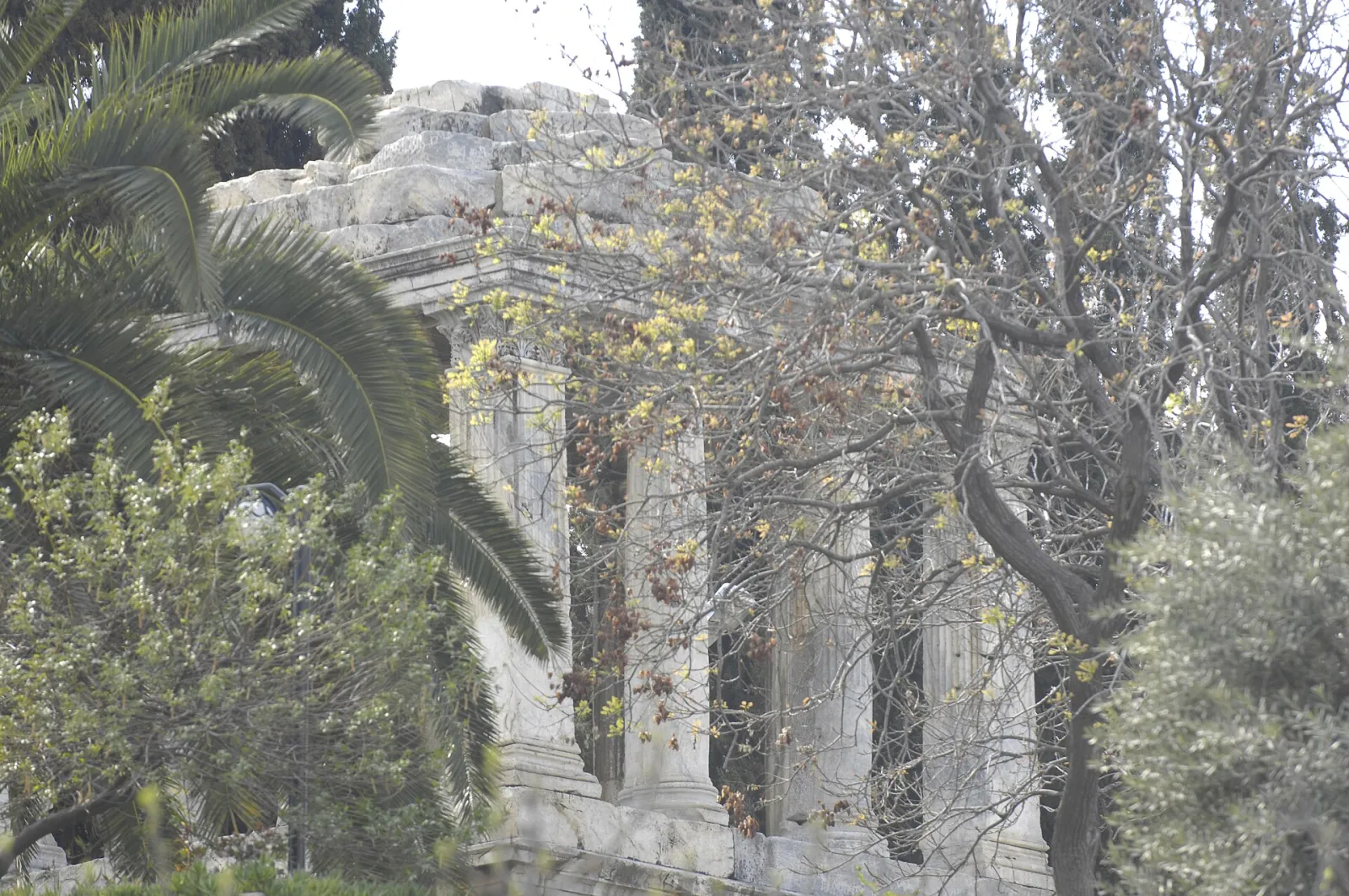
Under Achaemenid rule, Mylasa served as the chief city of Caria. The Lygdamid dynasty ruled from 520 to 450 BC, during which time the city was a member of the Delian League. Later, the Hecatomnid dynasty, founded by Hecatomnus, governed as satraps while embracing Greek culture. Mylasa remained their capital until Mausolus moved the seat to Halicarnassus, though Mylasa retained significant importance. The Mausoleum of Hecatomnus in Milas is a tentative UNESCO World Heritage Site and an architectural precedent for later mausolea.
During the Roman period, Mylasa suffered damage in 40 BC during the Roman Civil War but subsequently enjoyed prosperity. Ancient writers frequently mentioned the city, noting its inclusion of neighbouring towns like Euromus, Olymos, and Labranda. The city was home to famous orators Euthydemos and Hybreas, whose rivalry gave rise to the adage 'necessary evil'. Inscriptions reveal a diverse religious landscape, with temples dedicated to Zeus, Isis, Osiris, and Nemesis, reflecting the city's cosmopolitan nature.
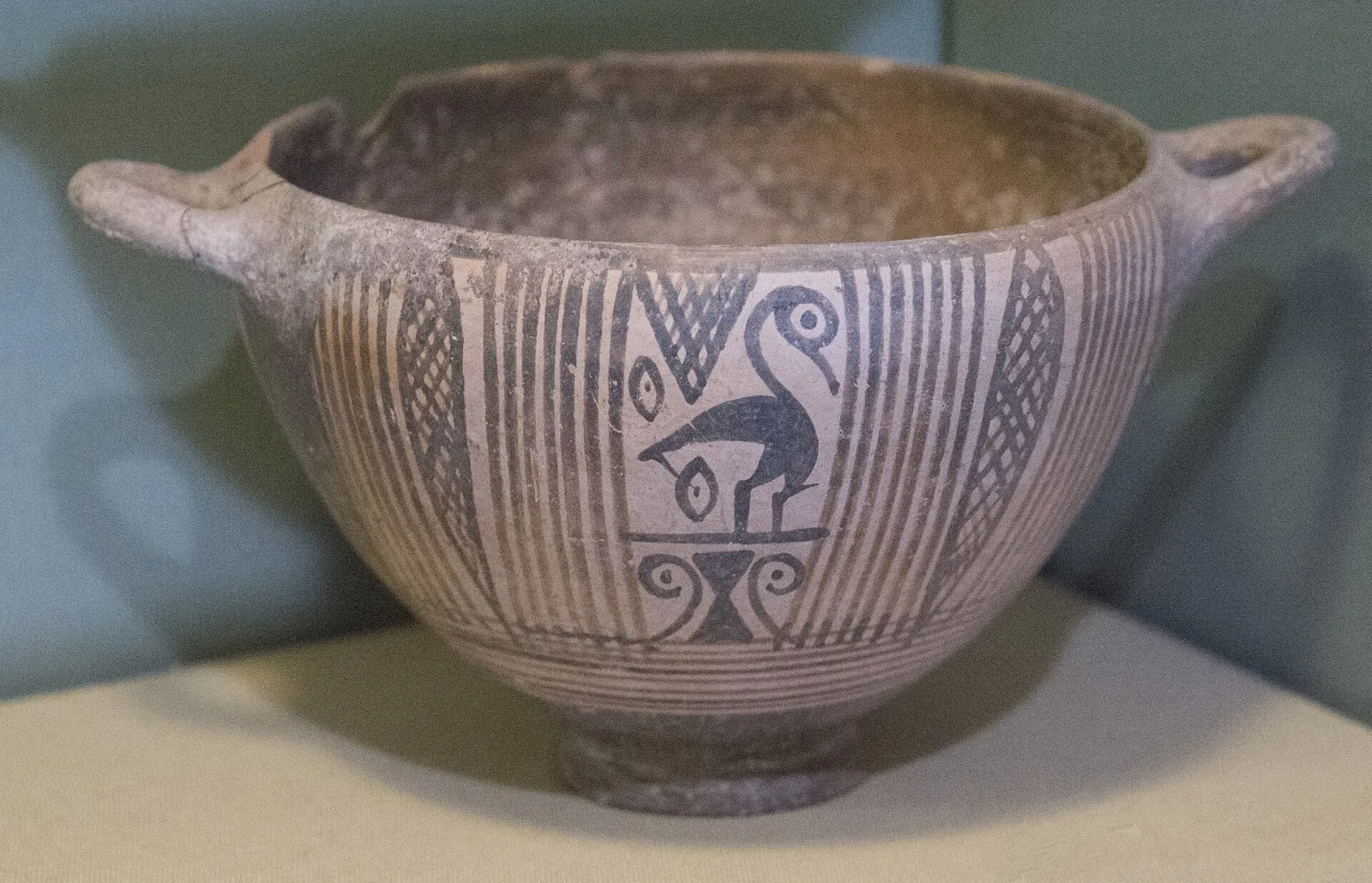
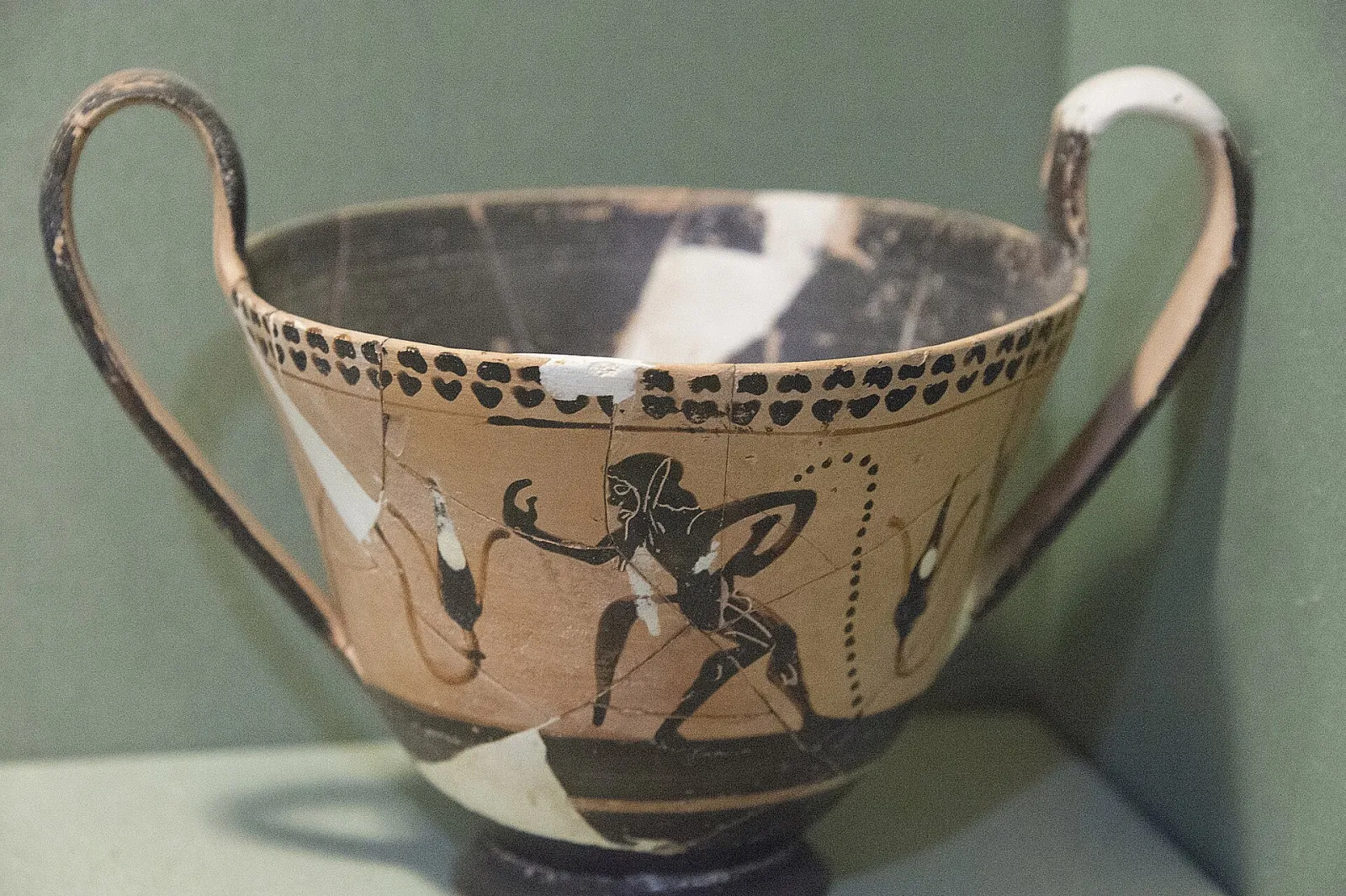
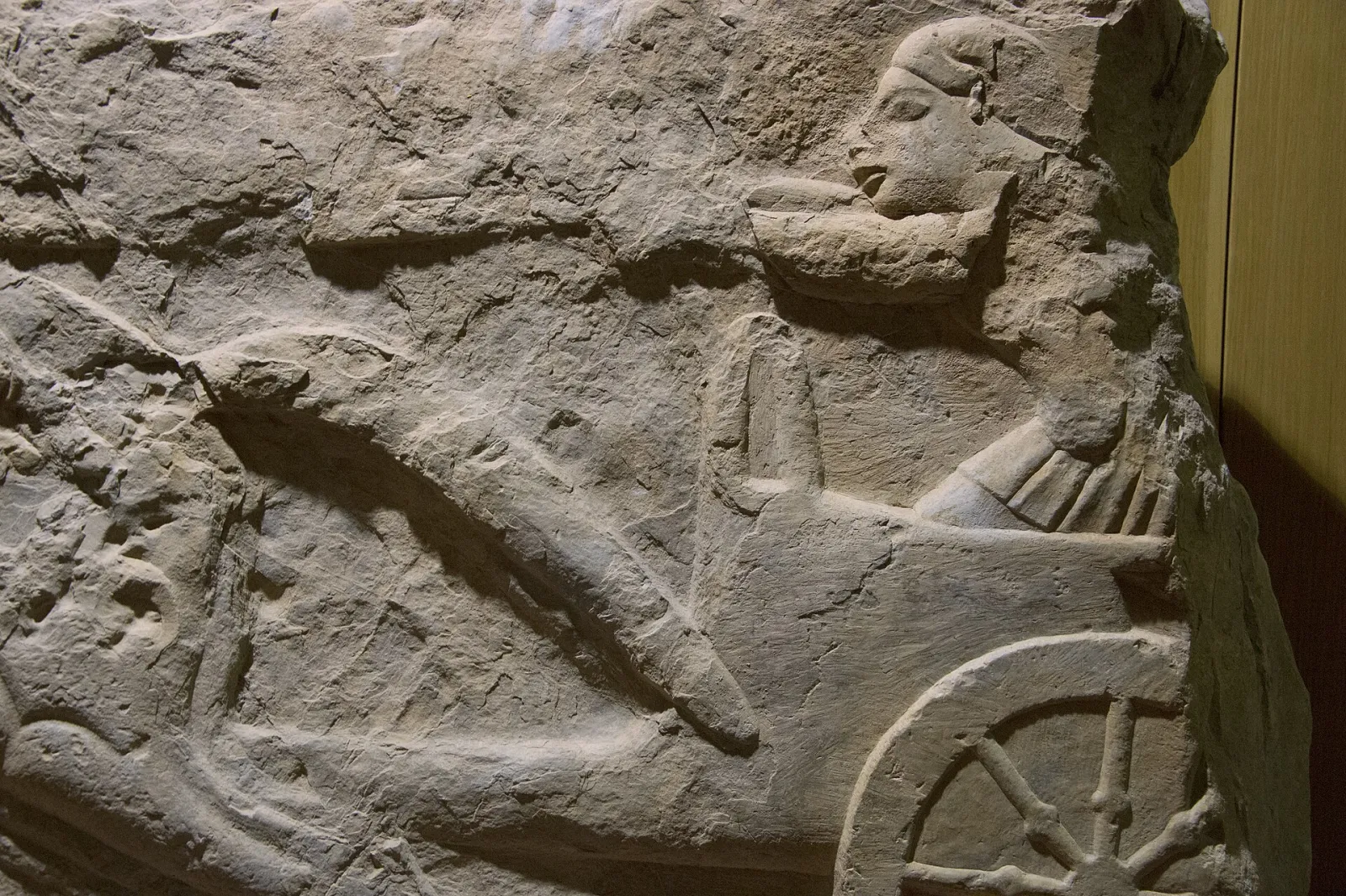
In the medieval era, Milas became the capital of the Anatolian beylik of Menteşe. The region was taken over by the Turks, marking a significant shift in its political and cultural identity. Today, the city commands a region with an active economy and remains rich in ancient remains. The territory of Milas contains twenty-seven archaeological sites of note, preserving layers of history from the Iron Age through to the Turkish era, making it a vital centre for understanding south-west Turkey's past.
Things to Do in Milas
Visitors to Milas should prioritise exploring its significant archaeological heritage. The Mausoleum of Hecatomnus is a key attraction, offering insight into the Hecatomnid dynasty's architectural influence. Nearby, the sanctuary of Labranda features the remains of the Temple of Zeus Labrandenos, set in a scenic mountainous landscape. These sites provide a tangible connection to the region's status as the ancient capital of Caria.
The city centre itself offers a glimpse into traditional Turkish life, with its historic bazaar and Ottoman-era architecture. Travellers can wander through the Milas Bazaar, known for its local produce and crafts. The fertile plain at the foot of Mount Sodra provides a picturesque backdrop for exploring the town's streets and squares, which reflect its long history as a regional hub.
For those interested in broader regional history, the nearby ancient towns of Euromus and Olymos are accessible. These sites, once within Mylasa's limits, offer additional archaeological ruins and scenic views. The proximity to the coast allows for combined cultural and coastal experiences, with the Gulf of Güllük and Gulf of Gökova offering beautiful landscapes and opportunities for relaxation after a day of historical exploration.
Top Sights in Milas
Mausoleum of Hecatomnus
A tentative UNESCO World Heritage Site, this tomb served as an architectural precedent for later mausolea.
Labranda Sanctuary
The ancient sanctuary of Zeus Labrandenos, featuring temple ruins in a scenic mountain setting.
Milas Bazaar
A traditional market area offering local crafts, produce, and a glimpse into daily Turkish life.
Ancient Mylasa Ruins
Remains of the first capital of Caria, including inscriptions and structural foundations scattered throughout the city.
Mount Sodra
A fertile mountain area known for its white marble quarries, used since ancient times.
Travel Tips for Milas
Getting there: Milas is closer to Milas–Bodrum Airport than Bodrum town itself, making it a convenient base for late arrivals. It is well-connected by road to Muğla and Bodrum, offering easier access to archaeological sites without the heavy traffic of the coastal resorts.
Best time to visit: Spring and autumn are ideal for exploring the outdoor archaeological sites like Labranda and the Mausoleum of Hecatomnus, as the weather is mild and comfortable for walking. Summer can be hot, so early morning visits are recommended for ruins.
What to wear / bring: Comfortable walking shoes are essential for navigating the uneven terrain of ancient sites and the cobblestone streets of the bazaar. A hat and sunscreen are advisable during sunny months, especially when visiting open-air ruins on the slopes of Mount Sodra.
Visiting the site: current opening days and visitor information are on our museum page: Muğla Milas Uzunyuva Mausoleum and Museum Complex, Muğla Beçin Castle, Muğla Euromos Archaelogical Site.
Day Tours that Visit Milas
Guided daily excursions in Bodrum that include Milas.
 Private Day Tour
Private
Istanbul Tour from Bodrum – Sultanahmet, Turkish Bath & Hotel Stay
 Private Day Tour
Private
Daily Istanbul Tour from Bodrum by Flight – Topkapi Palace & Blue Mosq...
 Private Day Tour
Private
Private Didyma, Priene, Miletus and Bafa Lake Tour from Bodrum
Hotels in Milas
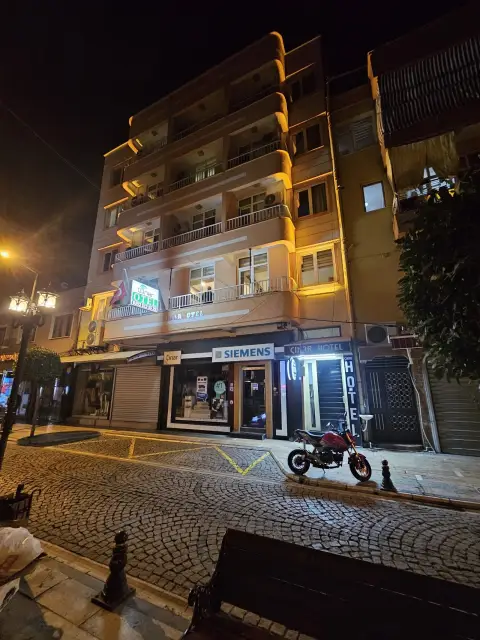
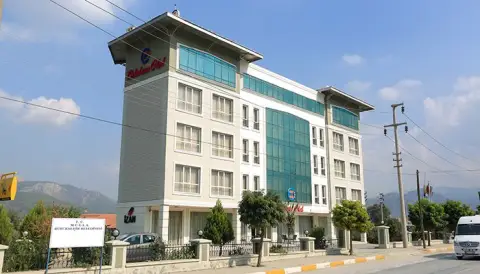
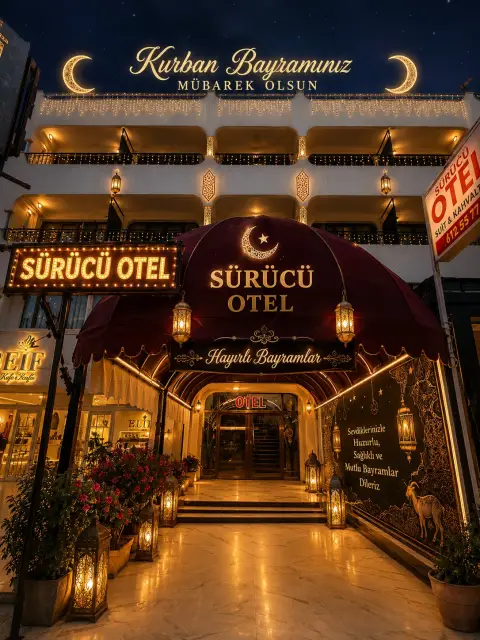
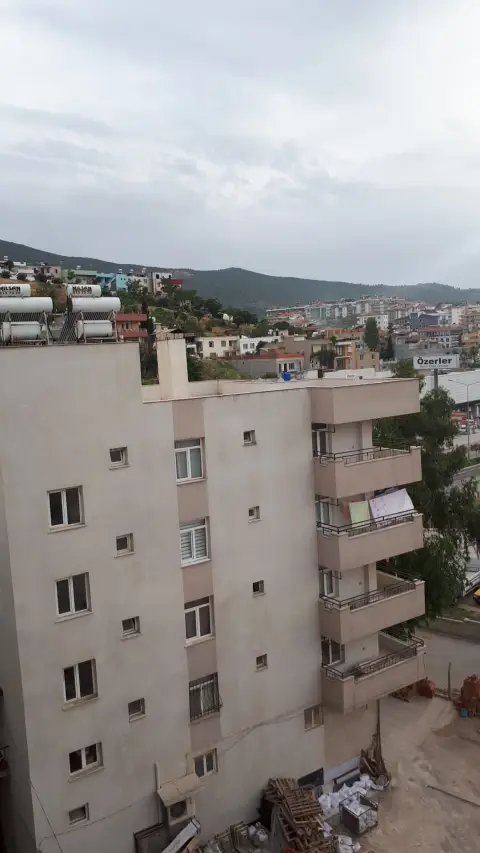
Hotels within walking distance of Milas — request your room online, we reply within 24 hours.

Airport Transfers to Milas
Private door-to-door transfers to Milas (Mugla) — price per vehicle, one way, meet & greet included.
✈️ Istanbul Airport (IST) → Milas (Mugla)
Book this transfer →| Vehicle | Passengers | Price (one way) |
|---|---|---|
| Mercedes Vito | up to 5 | €869 |
✈️ Sabiha Gokcen Airport (SAW) → Milas (Mugla)
Book this transfer →| Vehicle | Passengers | Price (one way) |
|---|---|---|
| Mercedes Vito | up to 5 | €784 |
Milas – Frequently Asked Questions
Is Milas worth visiting if I am staying in Bodrum?
Yes, Milas is only about 20 km from the coast and offers significant historical sites like the Mausoleum of Hecatomnus. It provides a quieter, culturally rich alternative to the busy coastal resorts.
What is the main historical significance of Milas?
Milas was the first capital of ancient Caria and later the capital of the Menteşe beylik. It contains twenty-seven archaeological sites, including the Mausoleum of Hecatomnus.
How far is Milas from the airport?
Milas is closer to Milas–Bodrum Airport than Bodrum town is. This makes it a convenient location for travellers arriving late or departing early.
Are there beaches in Milas?
The Milas district has a 150 km coastline along the Gulf of Güllük and Gulf of Gökova. While the city centre is inland, coastal areas within the district offer beach access.
What ancient ruins can be seen in Milas?
Key ruins include the Mausoleum of Hecatomnus and the sanctuary of Labranda. Nearby ancient towns like Euromus and Olymos also offer archaeological sites.