Eshab-ı Kehf Kulliye
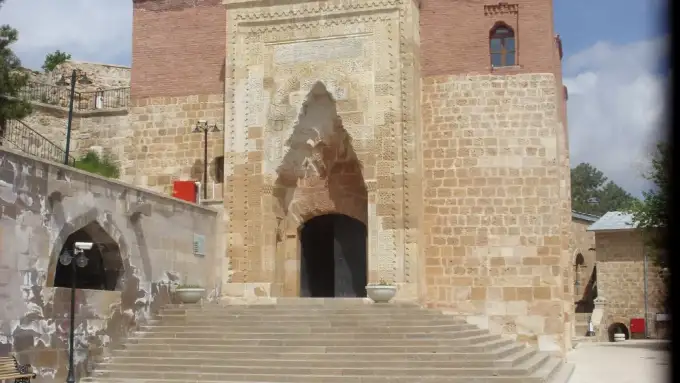
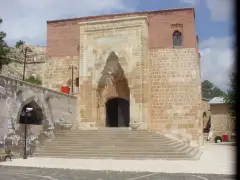
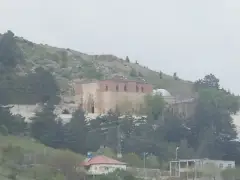
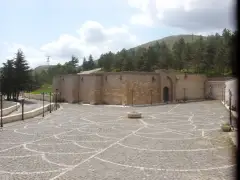
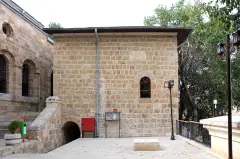
Photos: Hüseyin Öcal, CC BY 3.0 · Ingeborg Simon, CC BY-SA 3.0 — via Wikimedia Commons
Explore the Eshab-ı Kehf Kulliye in Kahramanmaraş, a historic complex linked to the Seven Sleepers legend and listed on UNESCO's tentative list.
ℹ️ About Eshab-ı Kehf Kulliye
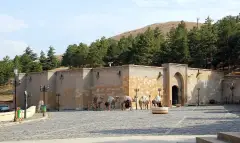
Eshab-ı Kehf Kulliye is a historical building complex located in Kahramanmaraş Province, Turkey. Situated on Bencilus Hill, the site stands next to a cave and is approximately 7 kilometres from the Afşin district center. It is positioned about 130 kilometres from the city of Kahramanmaraş.
This site is on UNESCO's World Heritage Tentative List (since 2015) as “Eshab-ı Kehf Külliye (Islamic-Ottoman Social Complex)”.
This complex is recognized for its connection to the legend of the Seven Sleepers, a narrative present in various faiths and cultures. The site has been considered sacred since antiquity, with structures built around the cave over different historical eras, reflecting a layered architectural and spiritual heritage.
History
The complex comprises buildings constructed in different eras. According to legend, seven youths fled a tyrannical ruler and slept in the cave for 309 years, waking during the reign of Emperor Theodosius II. Influenced by this story, the emperor ordered the construction of a church, known as the Jesus Mosque, in 446 or 466. This early structure later fell into ruin.
Between 1215 and 1233, during the Sultanate of Rum, Seljuk governor Nasretüddin Hasan Bey built a mosque, caravanserai, and fortified barracks. He utilized materials from the ruined church to construct a mosque compatible with the cave. Later, under the Beylik of Dulkadir, Bozkurt (Alaüddevle) added a madrasa between 1480 and 1492. His wife, Şemsi Hatun, commissioned a women's mosque in 1500.
During the Ottoman Empire, specifically under Suleiman the Magnificent, a pergola for the governor known as Paşa çardağı was added. The site was included in the UNESCO World Heritage Tentative List in 2015.
What to See
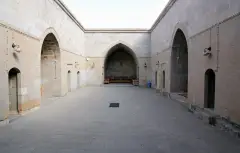
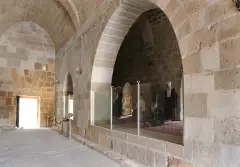
Visitors explore a complex of structures built around the cave, including the Seljuk-era mosque, caravanserai, and fortified barracks. The site also features a madrasa and a women's mosque from the Dulkadir period, alongside the Ottoman Paşa çardağı.
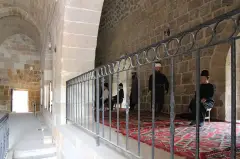
- The cave associated with the Seven Sleepers legend.
- The Seljuk gate, where geometric ornaments cast shadows of a praying man, woman, and dervish during prayer times.
- Architectural remnants showing the reuse of materials from the earlier Byzantine church.
Visiting Tips
Wear comfortable shoes for walking on uneven terrain and bring sun protection, as the site is located on a hill. Dress modestly, as the complex includes places of worship.
Combine your visit with the nearby Afşin district center, which is approximately 7 kilometres away.
More Museums in Kahramanmaraş
Eshab-ı Kehf Kulliye – Frequently Asked Questions
What is Eshab-ı Kehf Kulliye?
Eshab-ı Kehf Kulliye is a historical building complex located in Kahramanmaraş Province, Turkey. Situated on Bencilus Hill, the site stands next to a cave and is approximately 7 kilometres from the Afşin district center.
Where is Eshab-ı Kehf Kulliye located?
Eshab-ı Kehf Kulliye is in Afşin, Kahramanmaraş, Turkey.
Do children need a ticket at Eshab-ı Kehf Kulliye?
Children aged 0–6 enter Eshab-ı Kehf Kulliye free of charge. Visitors aged 7 and over need a full ticket.
What other museums can I visit in Kahramanmaraş?
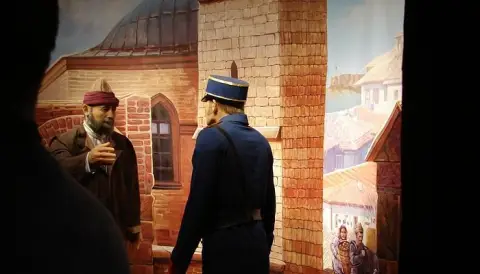
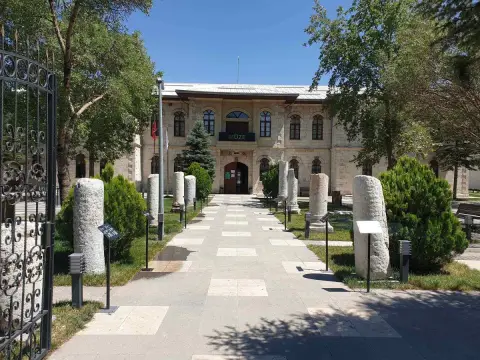
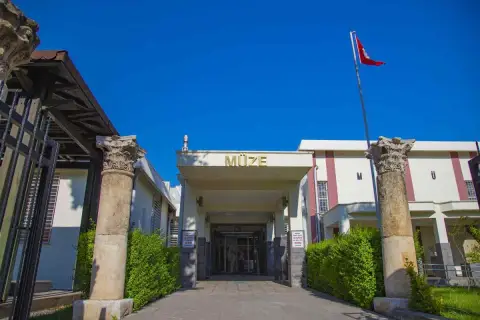
Other museums in Kahramanmaraş include Kurtuluş Destanı Panorama Müzesi, Kahramanmaraş Elbistan Museum and Kahramanmaraş Museum.