Bagras
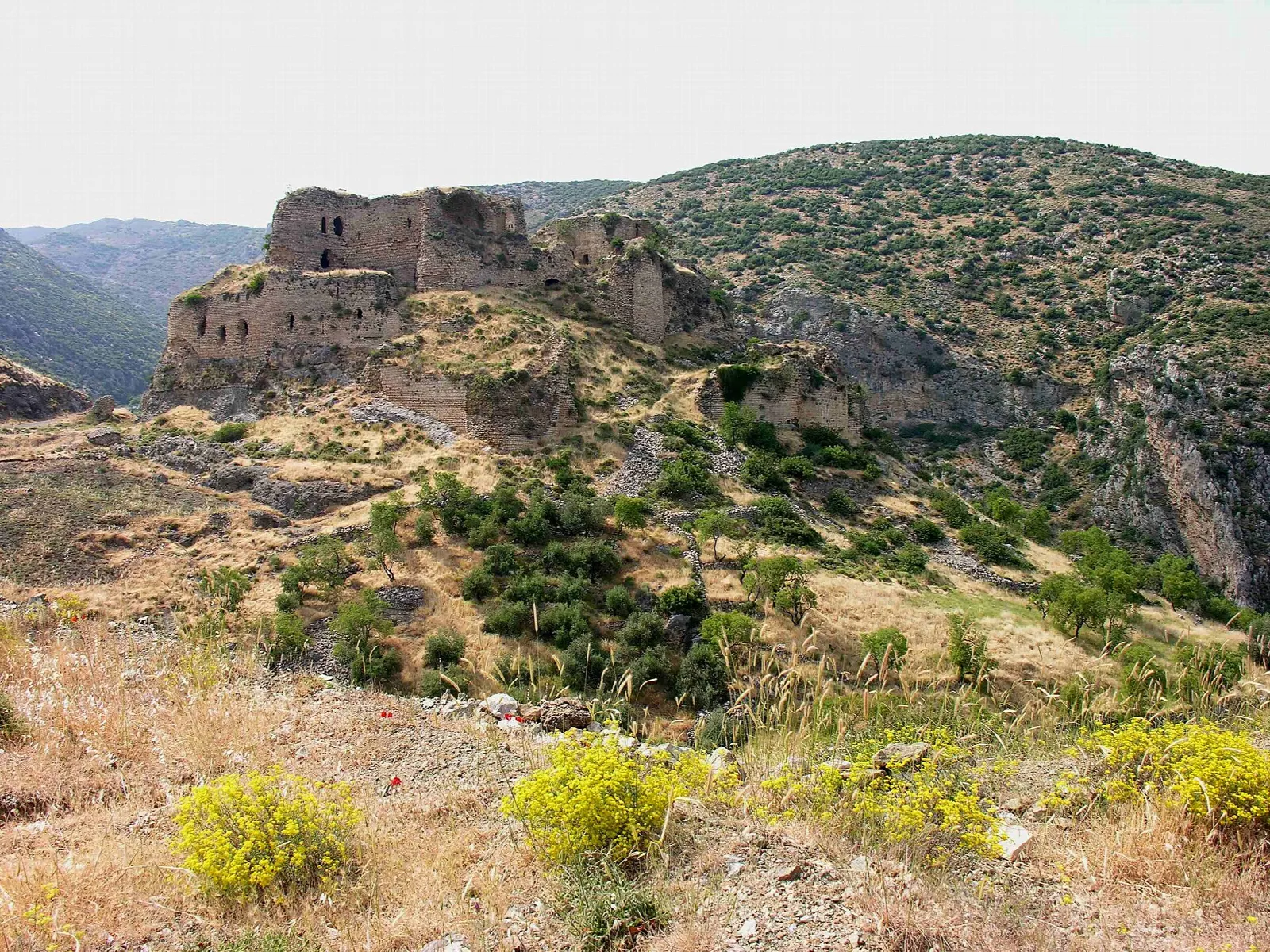
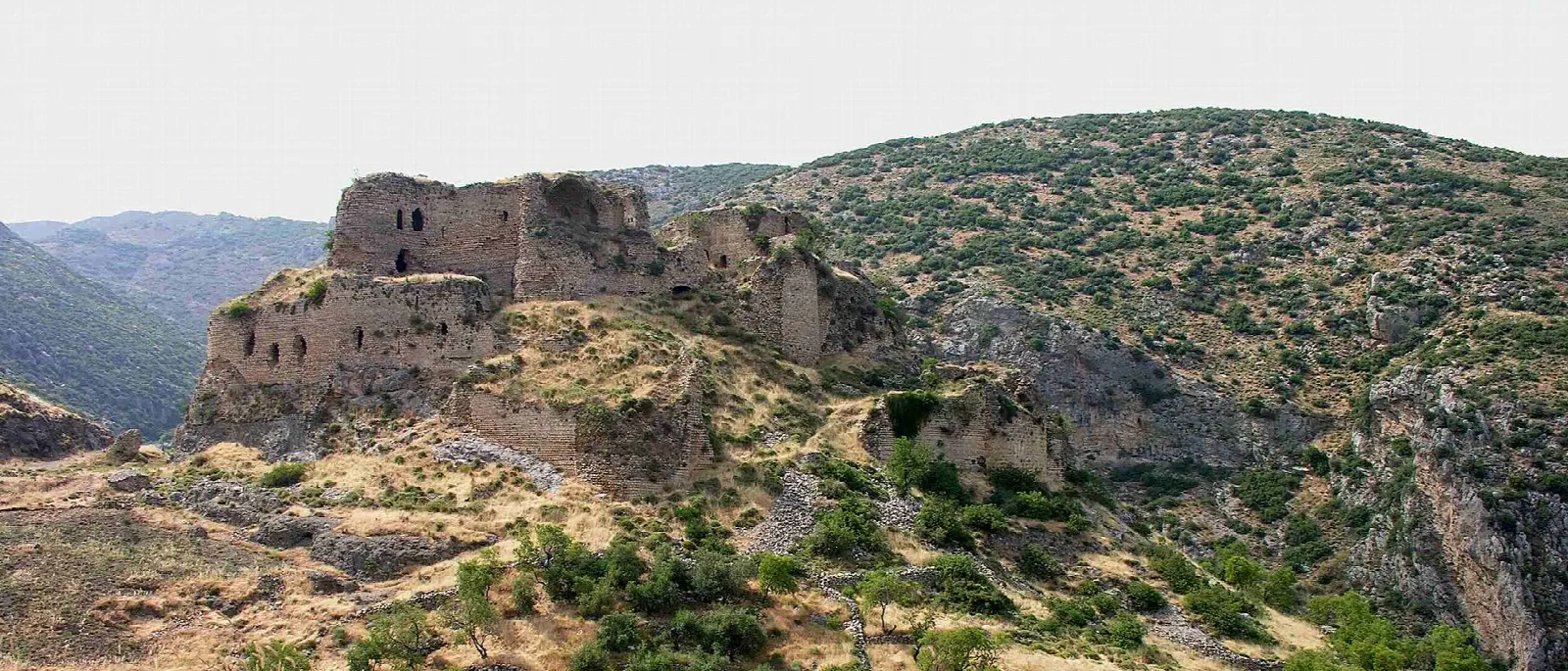
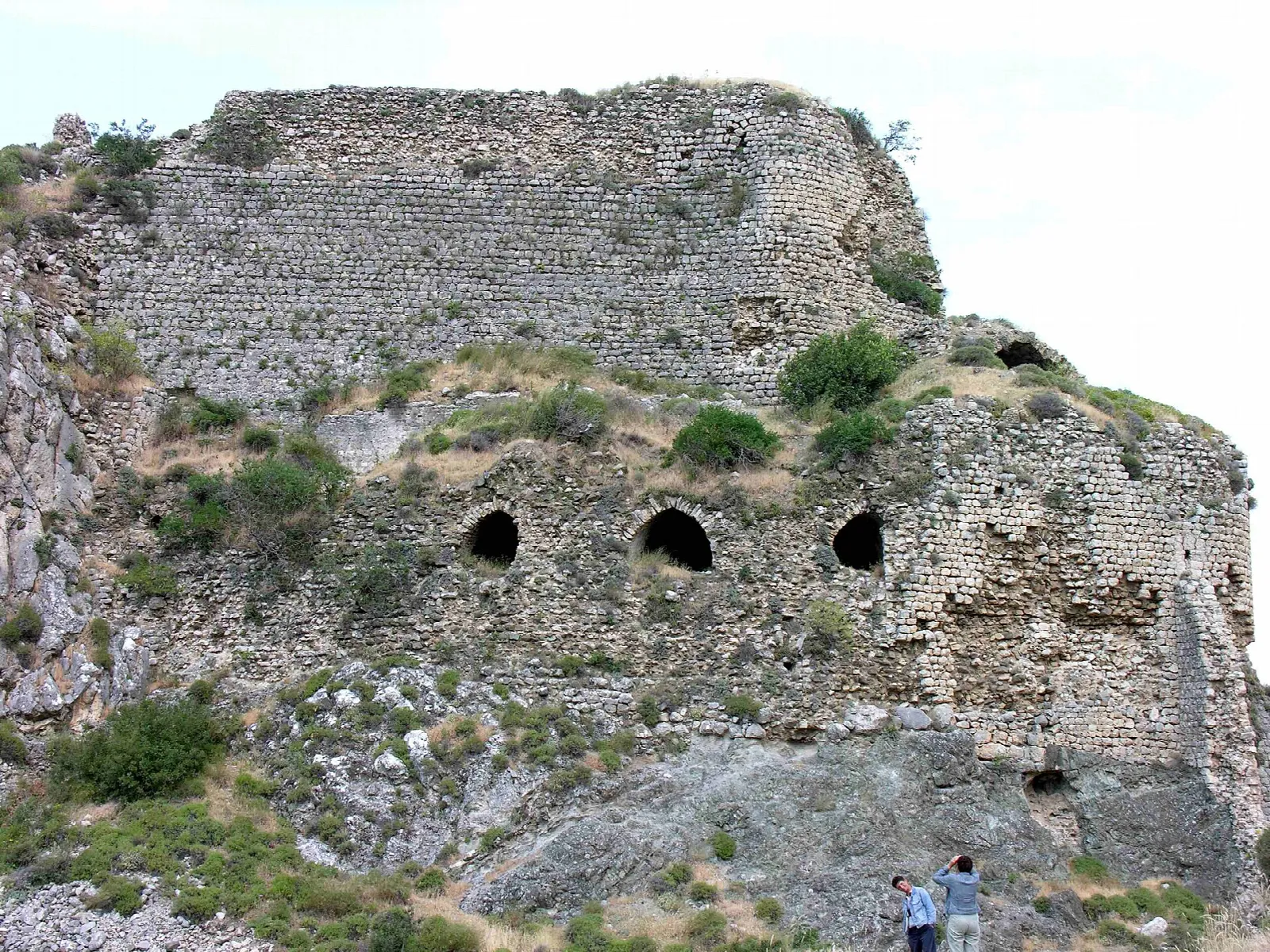
Photos: No machine-readable author provided. Godfried Warreyn assume, CC BY 2.5 — via Wikimedia Commons
Explore Bagras, a ruined medieval castle in Hatay's Amanus Mountains, featuring Frankish and Armenian masonry and strategic historical significance.
ℹ️ About Bagras
Bagras is a ruined medieval castle located in the İskenderun district of Turkey, situated within the Amanus Mountains. Known historically as Pagrae, this strategic fortress stands on a pass leading from the Gates of Amanus into Syria, overlooking the Plain of Antioch. The site features fortifications built around a knoll, with water historically supplied by aqueducts. Today, visitors can explore the remaining structures that reflect its complex past as a stronghold for various powers, including the Byzantines, Knights Templar, and Armenians.
The castle's position allowed it to control communications between Antioch and the Syrian interior. Its exterior masonry primarily dates from Frankish occupations, while repairs were made by Armenians using distinctive techniques. The site encompasses more than thirty chambers across three primary levels, offering a glimpse into medieval military architecture in the region.
History
Ancient sources describe Pagrae as a strong fortress in the district of Antioch. Pliny the Elder listed it among the tetrarchies of Syria. In the early medieval period, Arab historian Al-Baladhuri recorded a massacre near this location around 638. Later, in late 968, Byzantine Emperor Nikephoros II Phokas erected fortifications here, stationing troops to raid the countryside of Antioch and inhibit communications with the Hamdanid emirate.
The castle was rebuilt around 1153 by the Knights Templar under the name Gaston. It remained under Templar or Principality of Antioch control until capitulating to Saladin in 1189. Armenians retaken it in 1191, holding it until 1215, when the Templars regained control. The castle withstood a siege by the emir of Aleppo around 1229.
Following the Mamluk conquest of Antioch in 1268, the Templar garrison surrendered Bagras. The defenders destroyed what they could before fleeing to La Roche Guillaume. The subsequent trial of the brothers is recorded in a late thirteenth-century Catalan copy of the Rule of the Templars. Despite this loss, Armenian kings defeated Mamluk forces in the nearby pass in 1305.
What to See
Visitors can observe the extensive ruins of a fortress built in two levels around a knoll. The site features more than thirty chambers encompassing the steep outcrop on three primary levels. Most of the exterior masonry visible today dates from the Frankish occupations, while repairs to towers and walls display distinctive Armenian masonry styles.
- Remnants of fortifications resembling Armenian work.
- Structures built around a central knoll.
- Chambers distributed across three primary levels.
- Exterior masonry from Frankish periods.
Visiting Tips
Wear comfortable shoes suitable for uneven terrain and steep outcrops. Bring sun protection and water, as the site is exposed. Dress modestly if visiting nearby places of worship. Combine this visit with other historical sites in the İskenderun district to fully appreciate the region's layered history.
Hotels near Bagras
- Varlıbaş Uyku Sarayı 9.6 km
More Museums in Hatay
Bagras – Frequently Asked Questions
What is Bagras?
Bagras is a ruined medieval castle located in the İskenderun district of Turkey, situated within the Amanus Mountains. Known historically as Pagrae, this strategic fortress stands on a pass leading from the Gates of Amanus into Syria, overlooking the Plain of Antioch.
Where is Bagras located?
Bagras is in Belen, Hatay, Turkey.
Do children need a ticket at Bagras?
Children aged 0–6 enter Bagras free of charge. Visitors aged 7 and over need a full ticket.
What other museums can I visit in Hatay?
Other museums in Hatay include Hatay Necmi Asfuroğlu Archaeological Museum, Hatay Archaeology Museum and Hatay St. Pierre Memorial Museum.