Alalakh
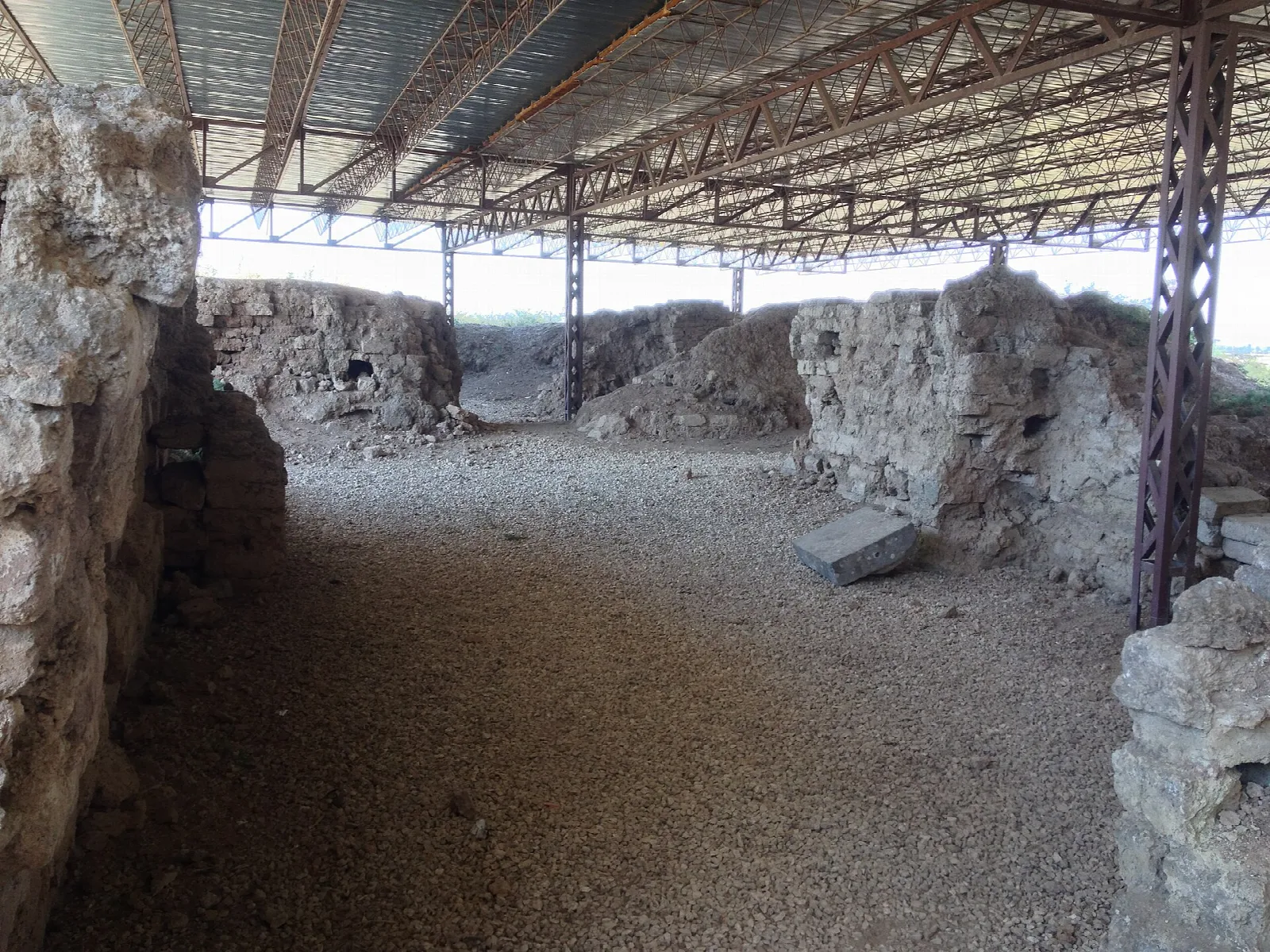
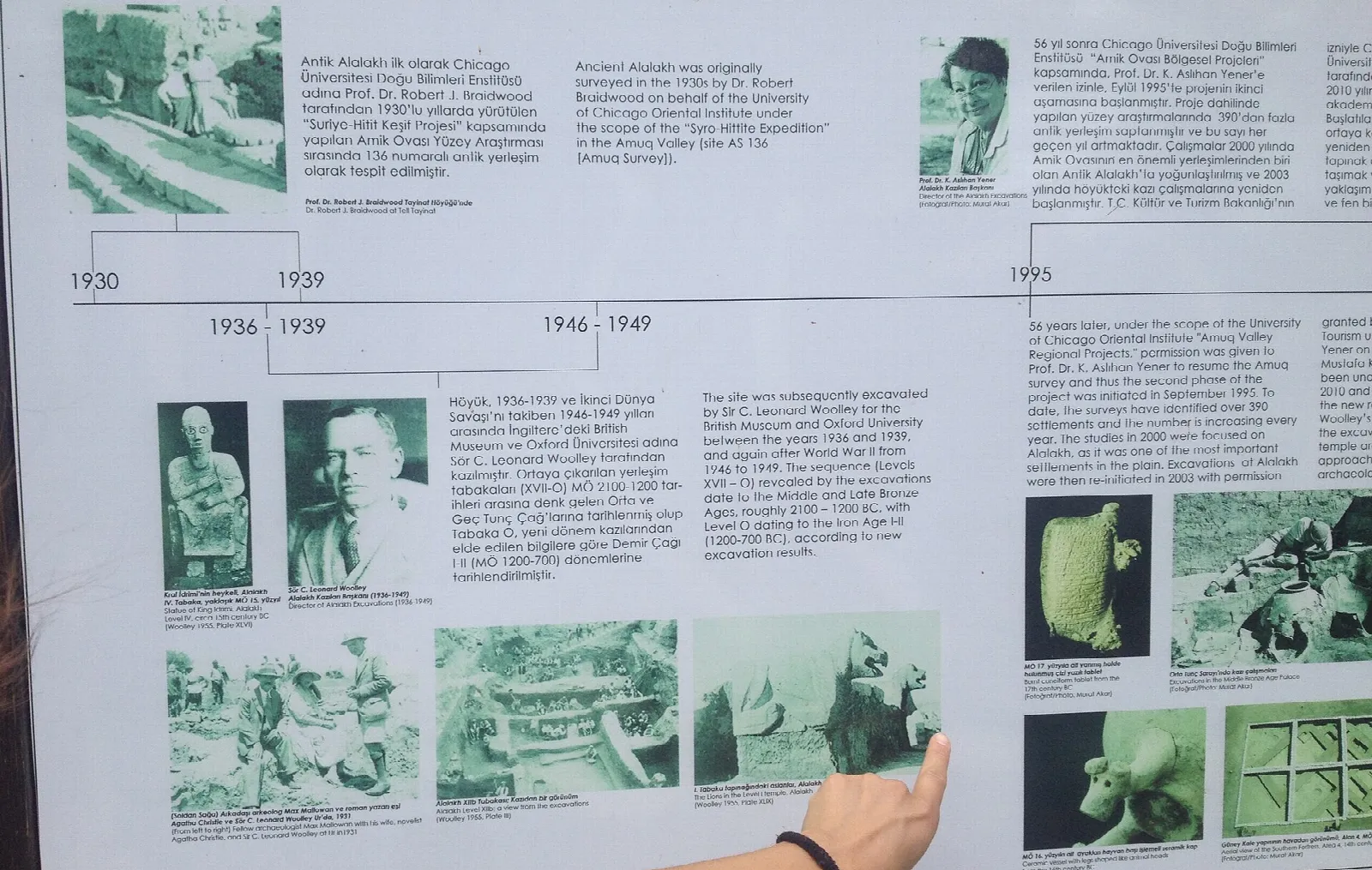
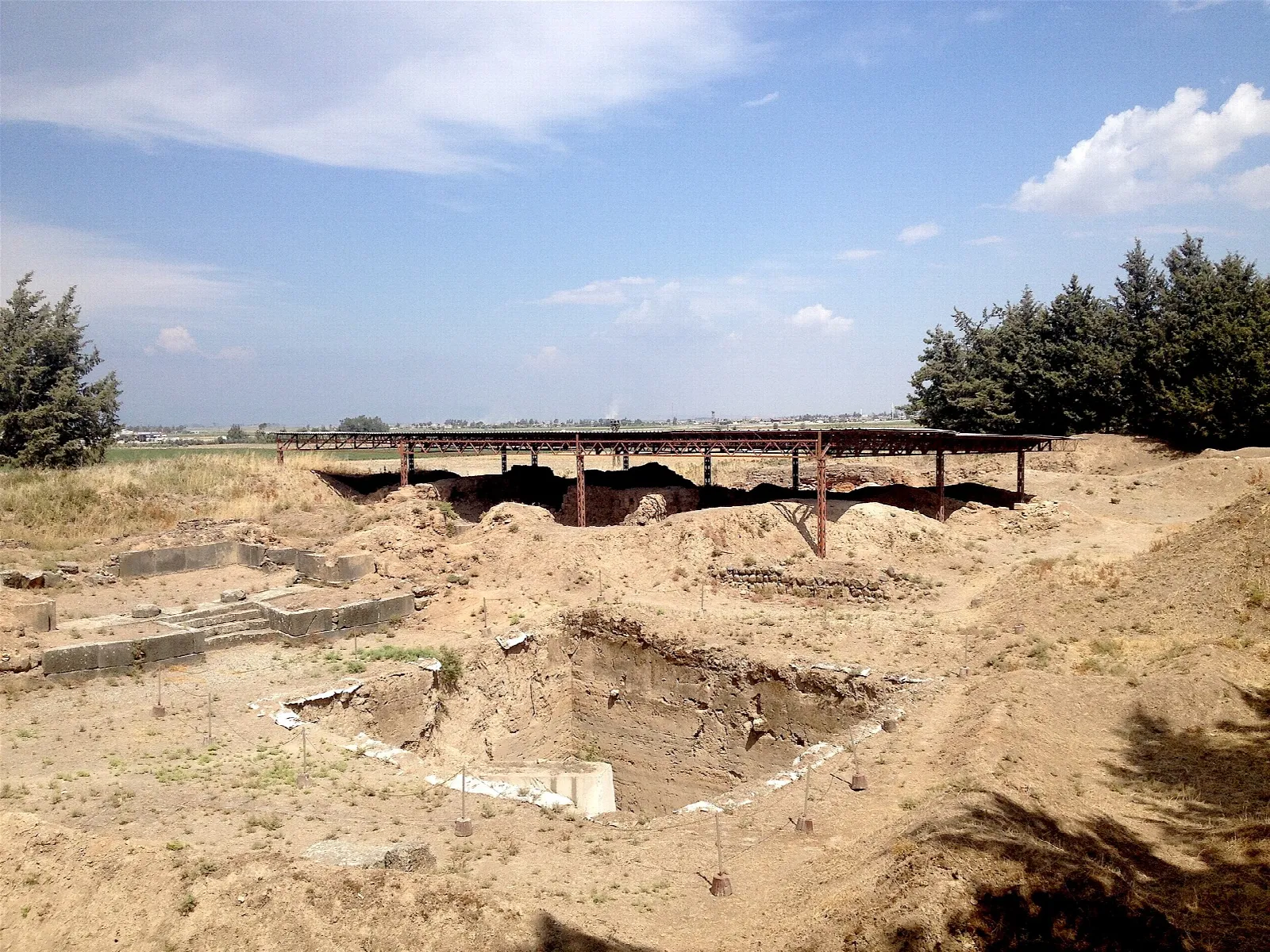
Photos: Fkitselis, CC BY-SA 3.0 · Nicoleon, CC BY-SA 4.0 — via Wikimedia Commons
Discover Alalakh, an ancient Bronze Age city in Hatay, Turkey, featuring palaces, temples, and fortifications from the Middle and Late Bronze Age.
ℹ️ About Alalakh
Alalakh, also known as Tell Atchana, is an ancient archaeological site located in the Amik Valley of Hatay Province, Turkey. Situated approximately 20 kilometres northeast of Antakya, this extensive mound covers around 22 hectares and served as a significant urban settlement during the Middle and Late Bronze Age. The site flourished between 2000 and 1200 BC, functioning as the capital of the local kingdom of Mukiš in the Late Bronze Age.
The remains reveal a complex city that included palaces, temples, private houses, and fortifications. Alalakh is positioned close to the modern Syria–Turkey border and lies within the flood plain of the Orontes River. Its strategic location in the Amuq Plain has made it a crucial center for understanding the history of the region, with human settlements in the valley dating back to the Neolithic period.
History
Alalakh was founded by the Amorites during the early Middle Bronze Age in the late 3rd millennium BC. The first palace was built around 2000 BC, contemporary with the Third Dynasty of Ur. During the Middle Bronze Age, the city was a vassal of the Kingdom of Yamhad. Written records from Mari in the 18th century BC mention the city as Alakhtum, noting its transfer between rulers of Yamhad and Mari. In the late Middle Bronze Age, King Abba-El I of Aleppo bestowed the city upon his brother Yarim-Lim, establishing a dynasty that lasted until the second half of the 17th century BC. The city was destroyed around 1650 BC, possibly by Hittite king Hattusili I.
In the Late Bronze Age, Alalakh became the seat of a local dynasty founded by Idrimi. According to an inscribed statue, Idrimi fled to Emar, joined the Hapiru people, and later conquered Alalakh by sea to become king. He was recognized as a vassal by Barattarna of Mitanni. The socio-economic history of the city under Idrimi’s descendants is documented by excavated tablets. Later, the site came under Hittite occupation before its final destruction in the 12th century BC, though evidence suggests habitation continued into the Iron Age.
What to See
Visitors to Alalakh can explore the extensive mound that preserves the remains of a once-thriving Bronze Age city. The site features the foundations of palaces, temples, and private houses, offering a glimpse into ancient urban planning and domestic life. Archaeological excavations have uncovered fortifications, city walls, and a tripartite gate, highlighting the city's defensive structures.
Key features include:
- Remains of palaces from the Middle and Late Bronze Ages.
- Foundations of temples and religious structures.
- Traces of private houses and workshops.
- Sections of the city wall and gate structures.
The site is located near other significant archaeological locations in the Amik Valley, such as Tell Tayinat, which was recently excavated. The proximity to these sites allows for a comprehensive understanding of the region's ancient history.
Visiting Tips
Wear comfortable shoes and bring sun protection, as the site is an open-air mound with limited shade. Dress modestly if visiting any nearby places of worship. Consider combining your visit with other ancient sites in the Amik Valley, such as Tell Tayinat, to gain a broader perspective on the region's archaeological heritage.
More Museums in Hatay
Alalakh – Frequently Asked Questions
What is Alalakh?
Alalakh, also known as Tell Atchana, is an ancient archaeological site located in the Amik Valley of Hatay Province, Turkey.
Where is Alalakh located?
Alalakh is in Reyhanlı, Hatay, Turkey.
Do children need a ticket at Alalakh?
Children aged 0–6 enter Alalakh free of charge. Visitors aged 7 and over need a full ticket.
What other museums can I visit in Hatay?
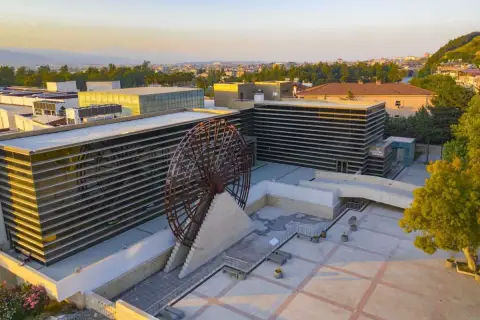
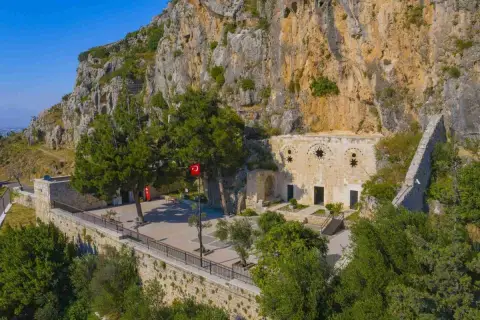
Other museums in Hatay include Hatay Necmi Asfuroğlu Archaeological Museum, Hatay Archaeology Museum and Hatay St. Pierre Memorial Museum.