Yedikule Fortress & Dungeons
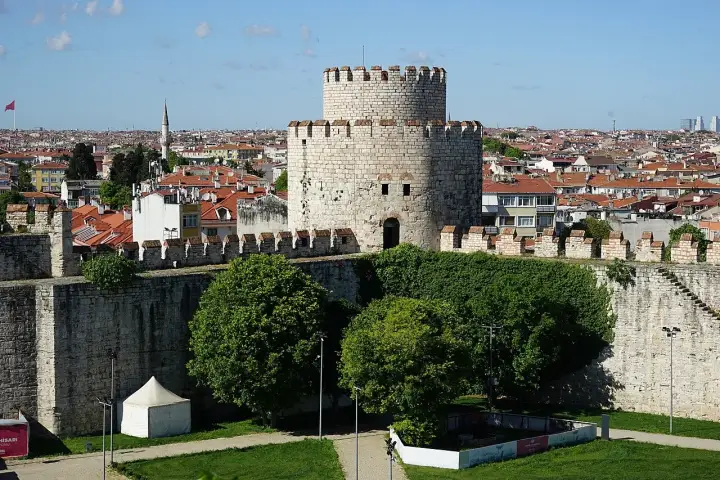
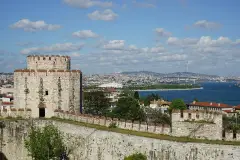
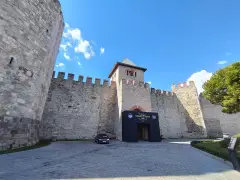
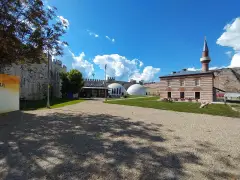
Yedikule Fortress, the Castle of the Seven Towers, wraps the Byzantine Golden Gate in Ottoman walls and towers that once guarded the imperial treasury and held ambassadors and statesmen as prisoners.
ℹ️ About Yedikule Fortress & Dungeons
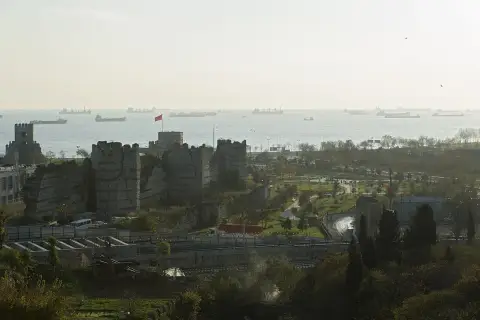
At the southern end of the old city walls, where the land walls meet the Sea of Marmara, stands Yedikule Fortress – the Castle of the Seven Towers. Few places in Istanbul show so clearly how the Byzantine and Ottoman cities were built on top of each other: a 5th-century triumphal gate, Ottoman towers and walls, a small mosque and a garden all sit within one pentagonal enclosure. Restored by Fatih Municipality, the fortress is now a museum and a venue for cultural events, and a rewarding stop on a historical Istanbul tour.
History
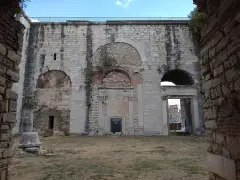
The story begins with the Golden Gate (Porta Aurea), the ceremonial entrance of the Theodosian Land Walls. Byzantine emperors rode through it in triumphal processions, and according to the fortress chronology its name comes from the gilded door wings made after a victory in 425. Later, during the troubled 14th century, an inner castle was built around the gate.
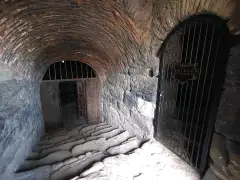
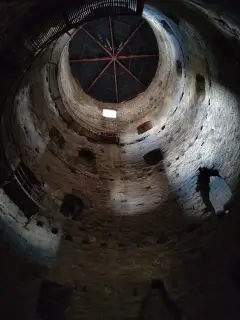
After the conquest of Constantinople in 1453, Sultan Mehmed II added three great towers to the four existing Byzantine towers and linked them with walls about five metres thick. The work was completed in 1457–1458, giving the fortress its seven towers and its name. Yedikule first served as the imperial treasury, guarded by a garrison. When the treasury was moved to the palace under Murad III, the towers became a state prison. Ambassadors of countries at war with the empire, captured envoys and disgraced statesmen were held here, and the young Sultan Osman II was killed in the fortress in 1622. Its use as a prison ended under Mahmud II in the early 19th century. Later the fortress was used as a gunpowder works and in 1968 it was attached to the Istanbul Fortresses Museum.
What to See
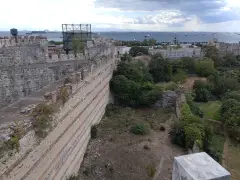
Walk the parapets for views across the Sea of Marmara and along the land walls, then step inside the towers to see how each was used. The Dungeon Tower, also called the Tower of Inscriptions, still carries words carved by European prisoners on its walls. In the courtyard stand the small mosque built by Mehmed II and a fountain added in the 18th century.
- Golden Gate: the marble triumphal gate of the Byzantine emperors.
- Dungeon Tower (Tower of Inscriptions): prison cells with graffiti left by foreign captives.
- Treasury Tower: where the Ottoman state treasure was once kept.
- Young Osman Tower: linked to the death of Sultan Osman II in 1622.
- Ramparts: panoramic views of the Marmara coast and the land walls.
- Fatih Mosque and garden: a quiet green courtyard inside the walls.
Visitor Tips
The fortress is open every day except Monday from 09:00 to 17:00, with last entry at 16:45. Steps inside the towers are steep and uneven, so wear sturdy shoes and take care on the walls, which have no railings in places. Allow at least an hour. The fortress lies a little outside the usual Sultanahmet circuit, so a taxi or a guided tour with transport is the easiest way to get there. Combine it with a walk north along the Theodosian Walls, a visit to the Panorama 1453 History Museum, or the Chora (Kariye) Mosque. A private guided Istanbul tour brings these less-visited Byzantine sites together in one day.
Tours that visit Yedikule Fortress & Dungeons
Explore Yedikule Fortress & Dungeons on one of our guided tours — daily excursions, private tours and group tours that include this site.