Xanthos, Antalya
📍 Kaş, Antalya, Turkey · Ksanthos
Xanthos is an ancient Lycian city near Kınık, renowned for its dramatic hilltop ruins and monumental tombs. Travellers visit this UNESCO World Heritage Site to explore its layered history, from Persian sieges to Roman reconstruction, and to view iconic architectural marvels.
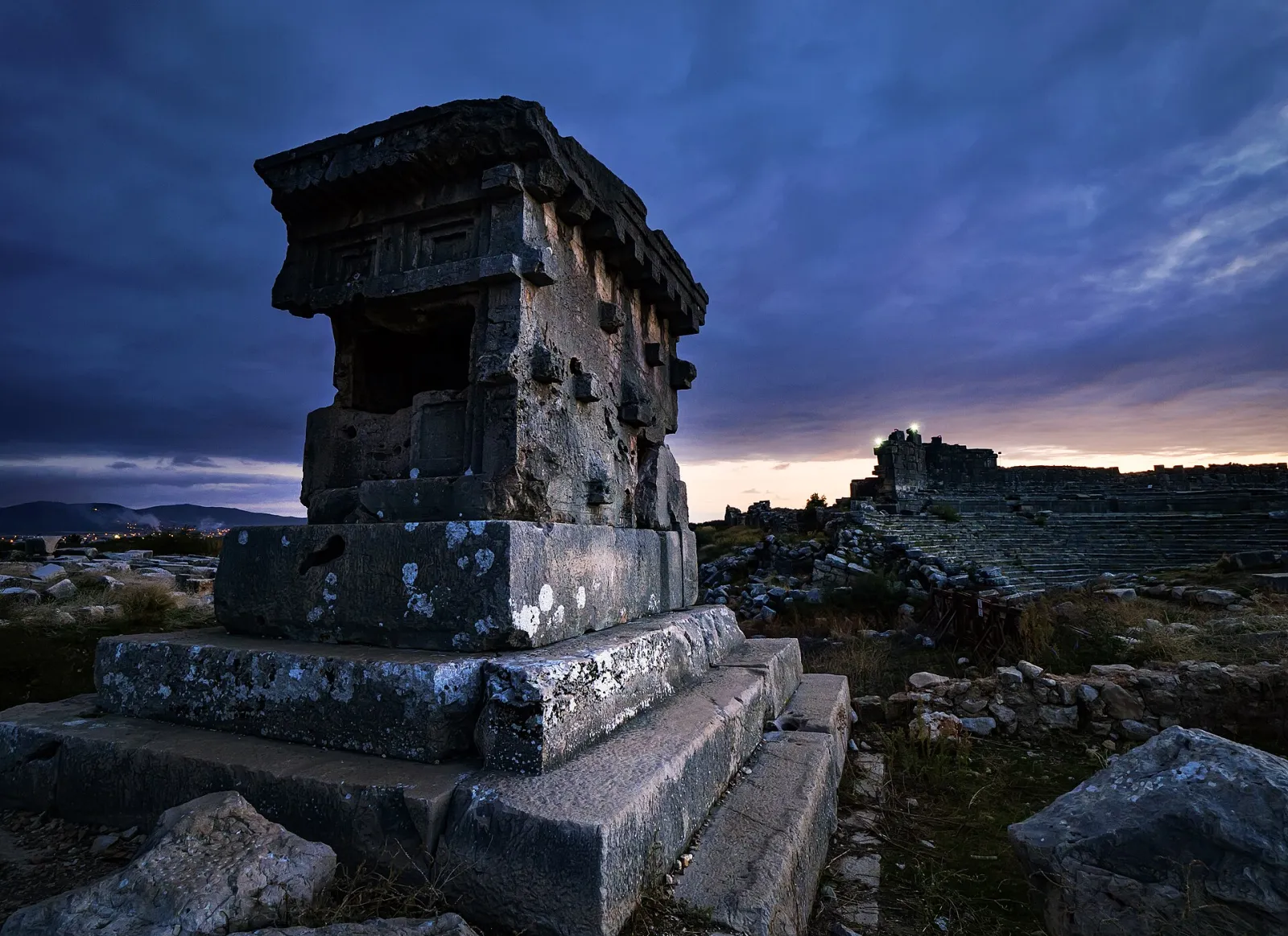
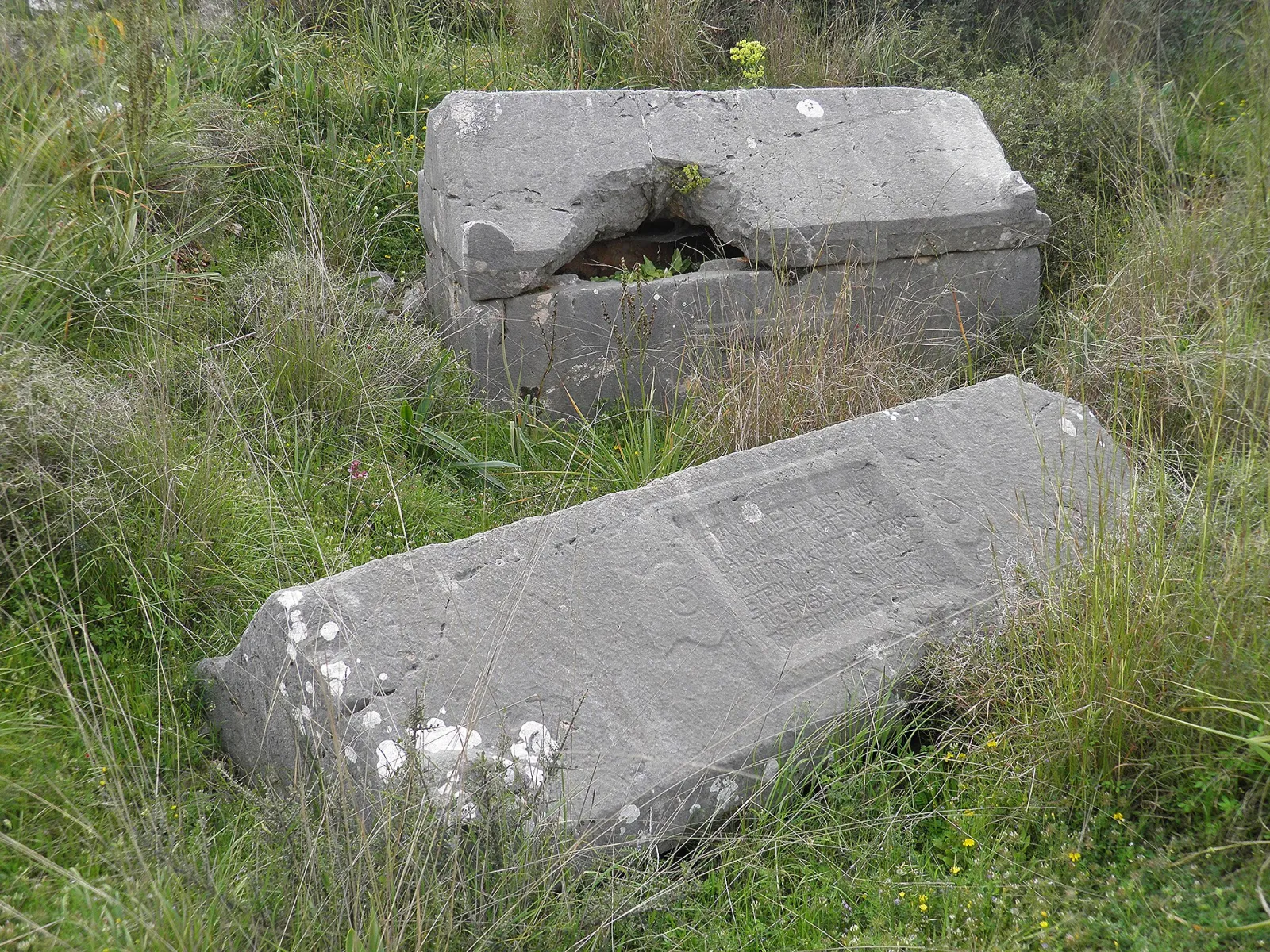
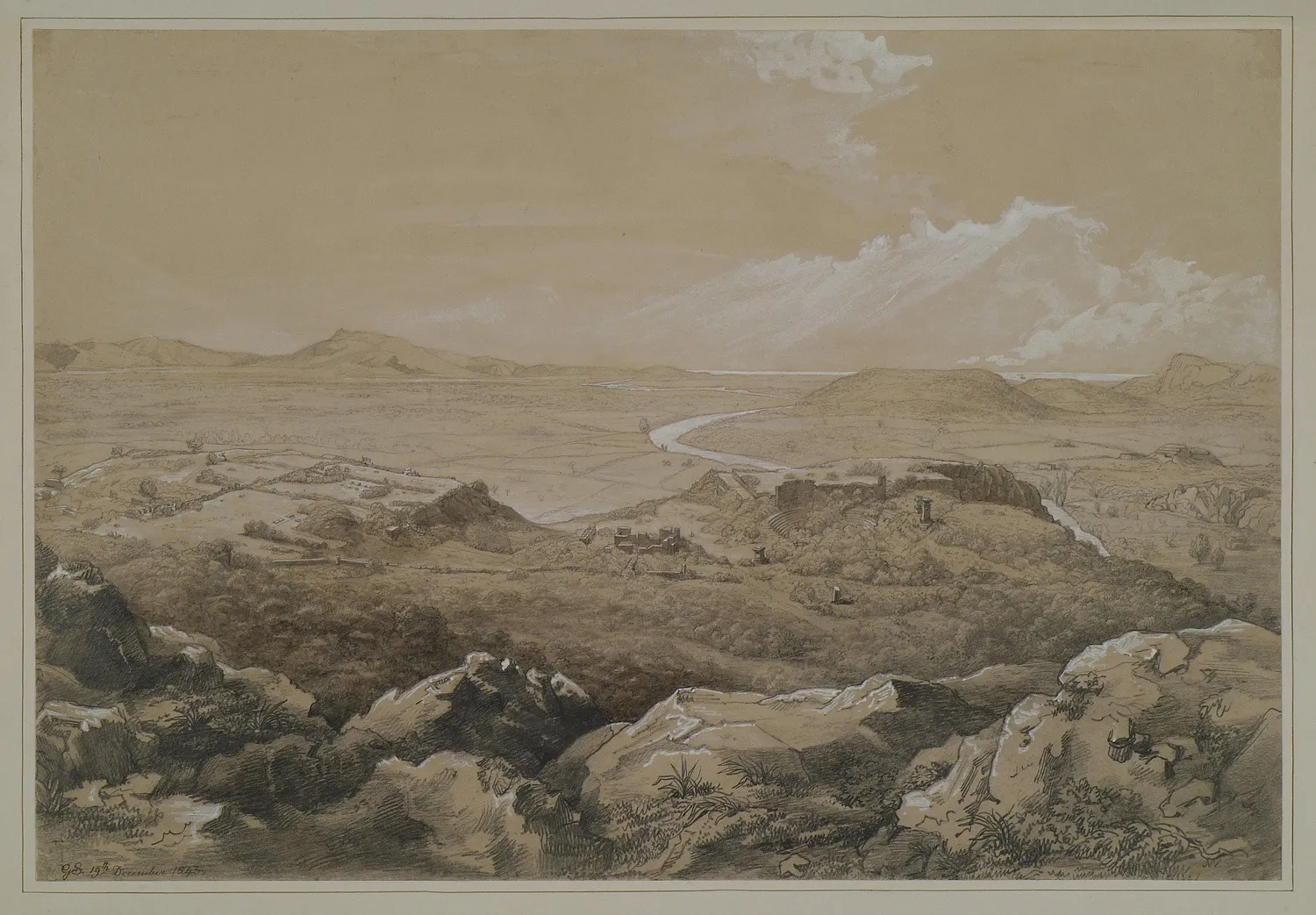
الصور عبر ويكيميديا كومنز: Buğra Kaan Ersoy (CC BY-SA 4.0) · Carole Raddato from FRANKFURT, Germany (CC BY-SA 2.0) · Charles Fellows (النطاق العام)
History of Xanthos
Xanthos, known locally as Arna, served as the political and cultural capital of Lycia. Its acropolis dates to the 8th century BCE, and the city was later described by Strabo as the largest in the region. The nearby sanctuary of Letoon, linked by a sacred road, highlights the city's religious significance. Xanthos influenced regional architecture, with its Nereid Monument inspiring the Mausoleum at Halicarnassus.
The city endured two famous mass suicides during sieges. In c. 540 BC, the Persian general Harpagus besieged Xanthos; the inhabitants destroyed their acropolis and perished rather than surrender. Under Persian rule, Xanthos minted coins and joined Darius I's tribute list. Later, Alexander the Great accepted the city's submission, though accounts vary on whether this was peaceful or violent.
During the Roman period, Xanthos faced destruction again in 42 BC when Brutus besieged it for refusing to fund his war against Caesar. Plutarch records another mass suicide, with only 150 men surviving. The city was rebuilt under Mark Antony, adopting a grid plan with a large piazza, porticoes, and a triple-naved building that may have transitioned from a pagan basilica to a church.
In the Byzantine era, Xanthos prospered, with luxury houses and large basilicas constructed on the acropolis. Earthquakes in the 6th century caused damage, leading to repairs and reinforced walls against Arab threats. The city was eventually destroyed and deserted. Archaeological finds, including the Xanthian Obelisk, provide crucial insights into the Lycian language and Anatolian history.
Things to Do in Xanthos
استكشف acropolis to see the remains of the Lycian citadel and Byzantine churches. The site offers panoramic views of the Xanthos Valley and the surrounding mountains. Visitors can walk through the ruins of the Roman agora, which features a large piazza and porticoes, providing a sense of the city's former grandeur.
زيارة Nereid Monument و Harpy Tomb. Only the foundations of the Nereid Monument remain on site; the monument itself was taken to London in the 19th century and is reconstructed in the British Museum. The Harpy Tomb remains in its original location, displaying replica reliefs that depict mythological scenes and offering insight into Lycian funerary art.
امشِ على طول sacred road to the nearby sanctuary of ليتون, located just 4 kilometres south. This UNESCO-listed site features three temples dedicated to Leto, Apollo, and Artemis. The combination of Xanthos and Letoon provides a comprehensive view of Lycian religious and civic life.
Examine the Xanthian Obelisk and other inscriptions found at the site. Its trilingual text and the other inscriptions are vital for understanding the Lycian language. The archaeological park also includes the remains of a theatre and various tombs, showcasing the diverse architectural styles influenced by Persian, Greek, and Roman cultures.
Top Sights in Xanthos
Nereid Monument
The foundations of the famous Ionic tomb whose sculptures are now reconstructed in the British Museum; it is thought to have inspired the Mausoleum at Halicarnassus.
Harpy Tomb
Located in its original position, this tomb displays replica reliefs depicting mythological figures and scenes.
Xanthian Obelisk
A trilingual stele that records an older Anatolian language, crucial for deciphering Lycian inscriptions.
Roman Agora
The remains of a large piazza with porticoes, reflecting the city's reconstruction during the Roman period.
Letoon Sanctuary
A nearby religious centre dedicated to Leto, Apollo, and Artemis, linked to Xanthos by a sacred road.
Travel Tips for Xanthos
الوصول: Xanthos is located near the village of Kınık, about 25 kilometres from Kalkan, 45 kilometres from Fethiye and 60 kilometres from Kaş. The site is accessible by car or local dolmuş services. It is often visited in conjunction with Letoon, which is a short drive or walk away.
أفضل وقت للزيارة: Spring and autumn offer the most comfortable temperatures for exploring the open-air ruins. Summer visits can be hot, so early morning or late afternoon is recommended to avoid the midday heat and harsh light, which can make photography difficult.
ماذا ترتدي / تحضر معك: Wear sturdy footwear as the terrain is uneven and rocky. Bring sun protection, including a hat and sunscreen, as there is limited shade at the site. Carry sufficient water, especially during warmer months, to stay hydrated while walking between the various monuments.
زيارة الموقع: أيام العمل الحالية ومعلومات الزوار موجودة على صفحة المتحف الخاصة بنا: موقع زانثوس الأثري في أنطاليا, موقع ليتون الأثري في موغلا.
Day Tours that Visit Xanthos
Guided daily excursions in Antalya that include Xanthos.
 جولة يومية خاصة
خاصة
جولة يومية بسيارات الدفع الرباعي في صاقليكنت من باتارا (خاصة)
 رحلة يومية
مشتركة
جولة يومية بسيارات الدفع الرباعي في صاقليكنت من باتارا (مشتركة)
 رحلة يومية
مشتركة
جولة سفاري يومية بسيارات الجيب إلى ساكليكنت من موغلا
 جولة يومية خاصة
خاصة
جولة سفاري يومية على الطرق الوعرة في كاش (خاصة)
 رحلة يومية
مشتركة
جولة سفاري يومية على الطرق الوعرة في كاش (مشتركة)
 رحلة يومية
مشتركة
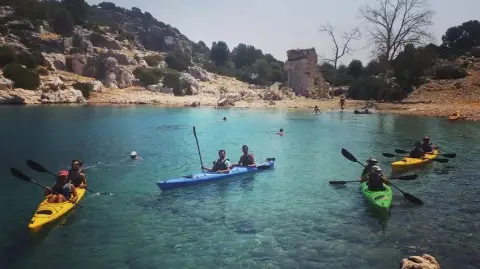
جولة يومية بقوارب الكانو في باتارا من أنطاليا
 جولة يومية خاصة
خاصة
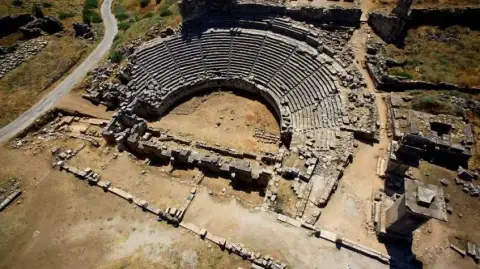
جولة يومية من كاش إلى زانثوس ووادي ساكليكنت – الآثار الليكية والمضيق
 جولة يومية خاصة
خاصة
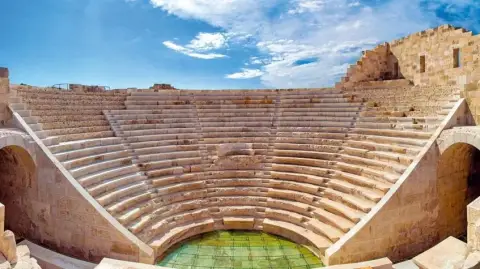
جولة يومية إلى باتارا وكسانثوس وليتون من كالكان – ثلاث مدن ليقية
 جولة يومية خاصة
خاصة
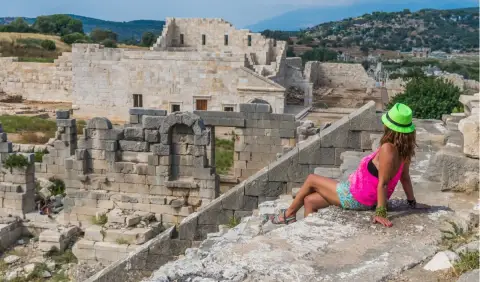
جولة خاصة في مدن باتارا وليتون وزانثوس الأثرية
 رحلة يومية
مشتركة
جولة ليوم واحد في مدن باتارا وليتون وزانثوس الأثرية (مشتركة)
Xanthos – Frequently Asked Questions
Is Xanthos a UNESCO World Heritage Site?
Yes, Xanthos was declared a UNESCO World Heritage Site in 1988. It is listed jointly with the nearby sanctuary of Letoon due to their outstanding universal value.
Where are the original Nereid Monument sculptures?
The original sculptures from the Nereid Monument and the Tomb of Payava are exhibited in the British Museum. Only the foundations of the Nereid Monument remain at Xanthos, while the Harpy Tomb remains on-site with replica reliefs.
How far is Xanthos from Kalkan and Kaş?
Xanthos lies near the village of Kınık, about 25 kilometres from Kalkan and around 60 kilometres from Kaş, so it is an easy half-day trip from either town.
What is the significance of the mass suicides?
Ancient historians recorded two instances where Xanthians chose mass suicide over surrender, first to the Persians and later to Brutus. These events highlight the fierce independence of the Lycian people.
Can I visit Letoon and Xanthos on the same day?
Yes, the two sites are only 4 kilometres apart and are often visited together. A sacred road historically connected them, and many tours combine the two with Patara.