Letoon, Antalya
📍 Seydikemer, Muğla, Antalya, Turkey
Letoon is an ancient sanctuary near Kumluova in the Seydikemer district of Muğla that served as the primary religious centre for the Lycian League. Travellers visit this UNESCO World Heritage site to explore the well-preserved ruins of three Hellenistic temples dedicated to the goddess Leto and her children.
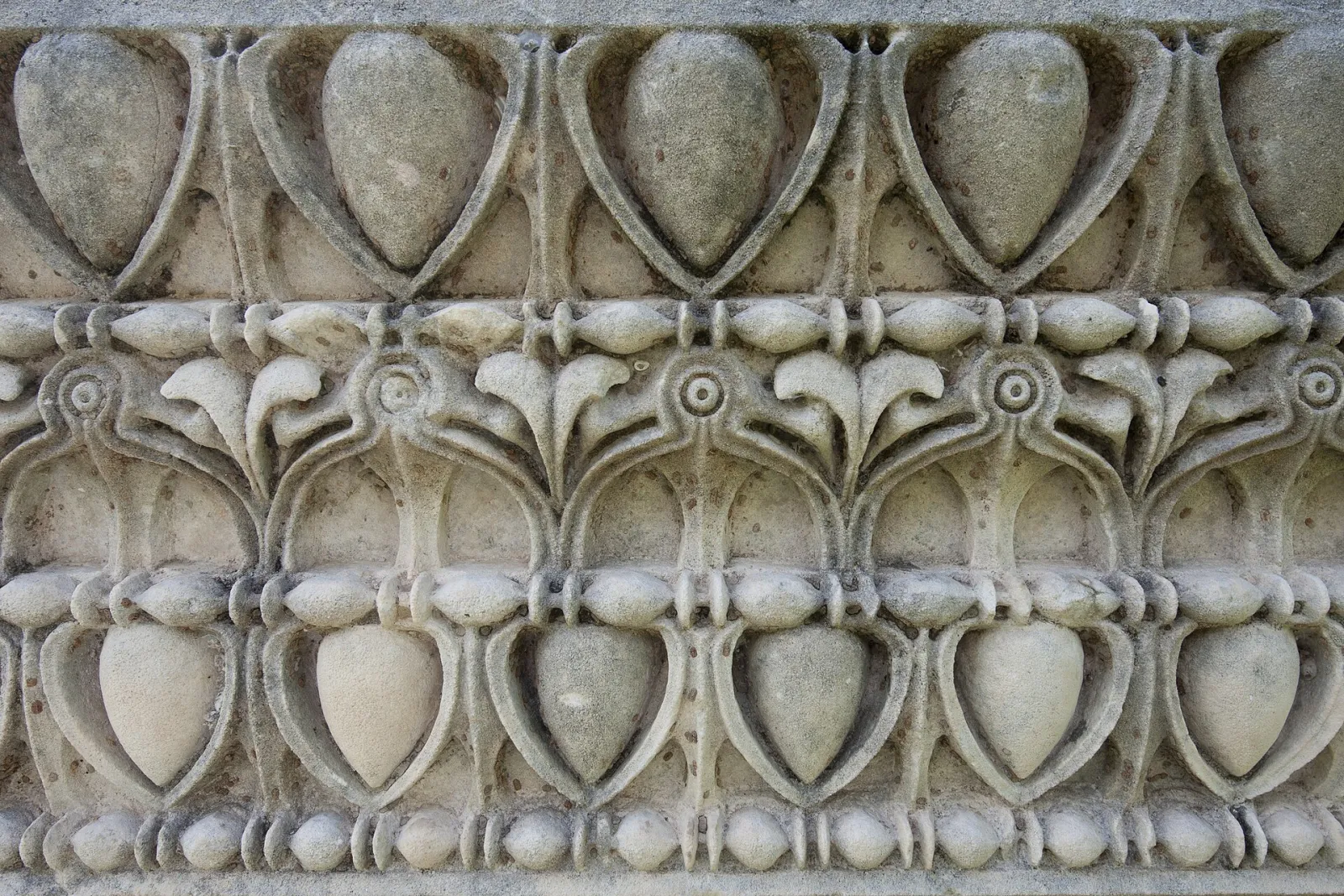
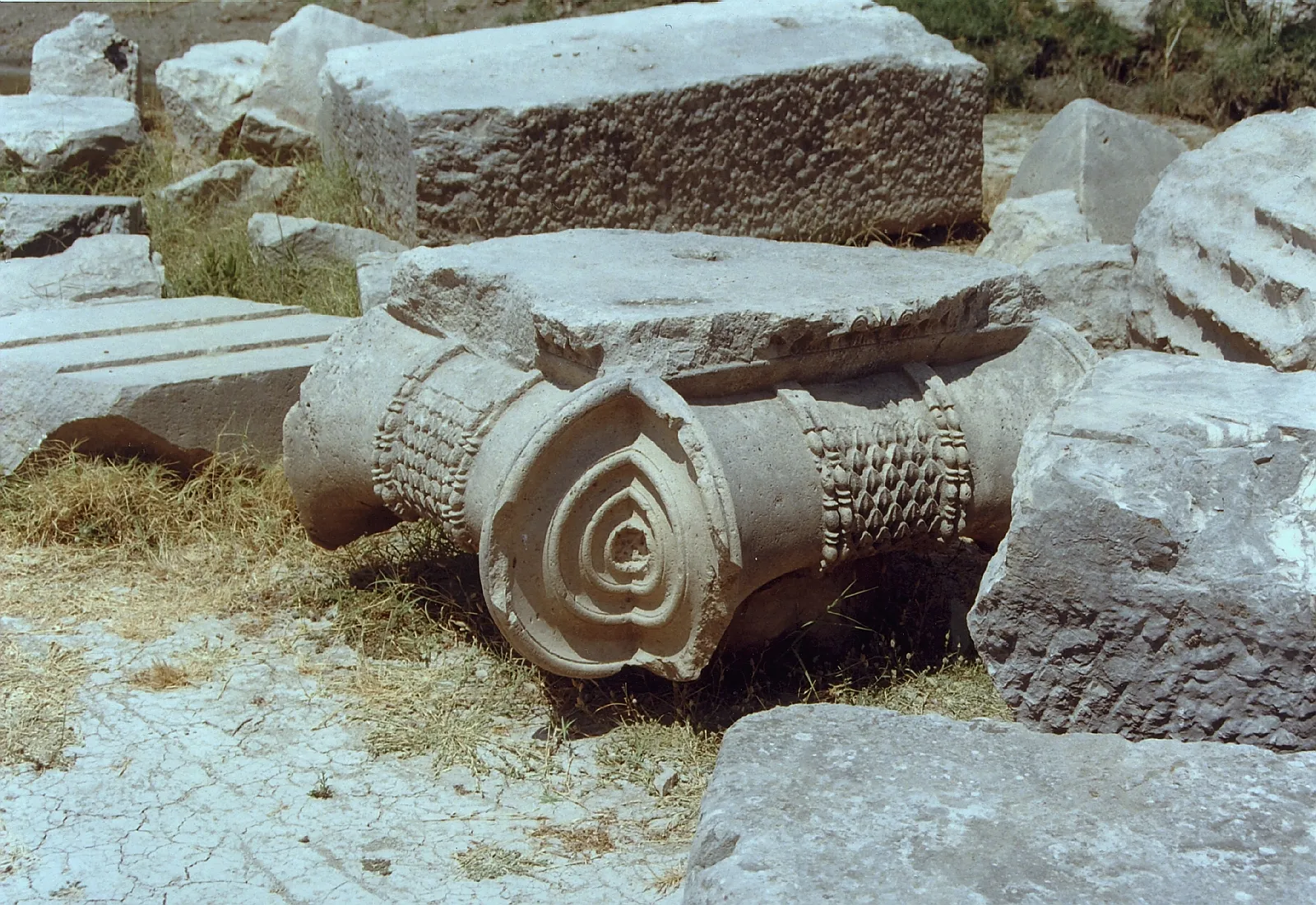
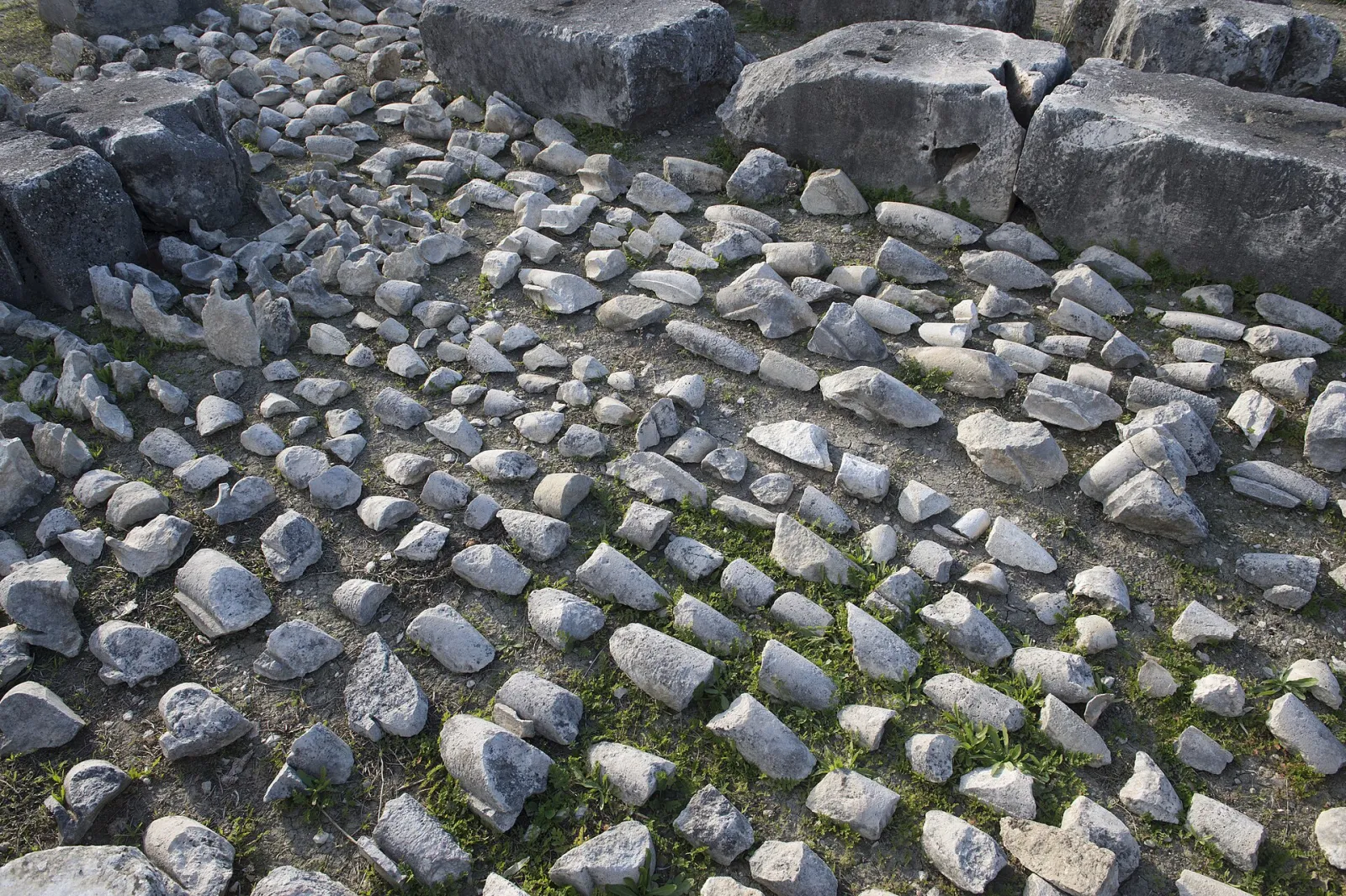
الصور عبر ويكيميديا كومنز: Dosseman (CC BY-SA 4.0) · Angela Stefanoni (CC BY 3.0) · Dosseman (CC BY-SA 4.0) · Dosseman (CC BY-SA 4.0) · Dosseman (CC BY-SA 4.0) · Zde (CC BY-SA 4.0) · Dosseman (CC BY-SA 4.0)
History of Letoon
Ancient Origins and Religious Significance: Letoon served as the sacred heart of the Lycian region, functioning as the religious centre for the city of Xanthos and the broader Lycian League. Archaeological evidence indicates that the site was occupied continuously from the 8th century BCE through the end of the Roman period. It was primarily dedicated to the worship of the Letoids: the goddess Leto and her twin children, Apollo and Artemis, who were considered the national deities of the Lycian people.
Political and Cultural Hub: Beyond its religious function, the sanctuary was a vital political space where Lycian rulers gathered to announce official decisions to the public. The site is historically renowned for the discovery of the Letoon Trilingual, a stele dated to 337 BCE featuring inscriptions in Lycian, Ancient Greek, and Aramaic. This significant find has proven essential for modern scholars attempting to decipher the ancient Lycian language, as it provides specific regulations for cult establishment rather than serving as a standard funerary epitaph.
Roman Influence and Christianization: Throughout the Roman era, the sanctuary maintained its prominence, although its character evolved over time. The site was eventually Christianised, evidenced by the construction of a basilical church within the sanctuary grounds. Historical accounts, such as those by the 2nd-century historian Appian, highlight the site's enduring sanctity, noting that even powerful figures like Mithridates VI of Pontus were warned against desecrating the sacred grove during military campaigns.
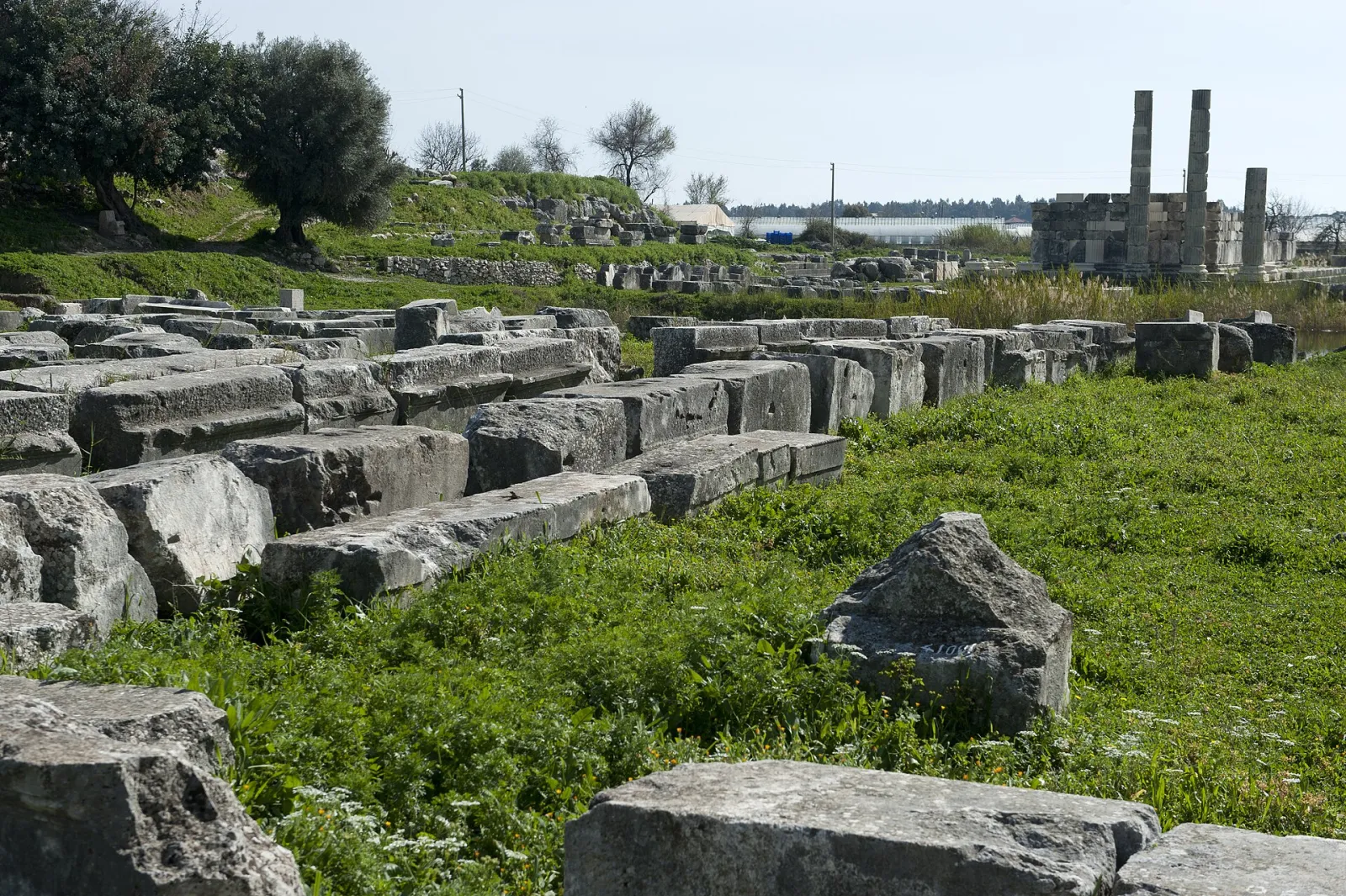
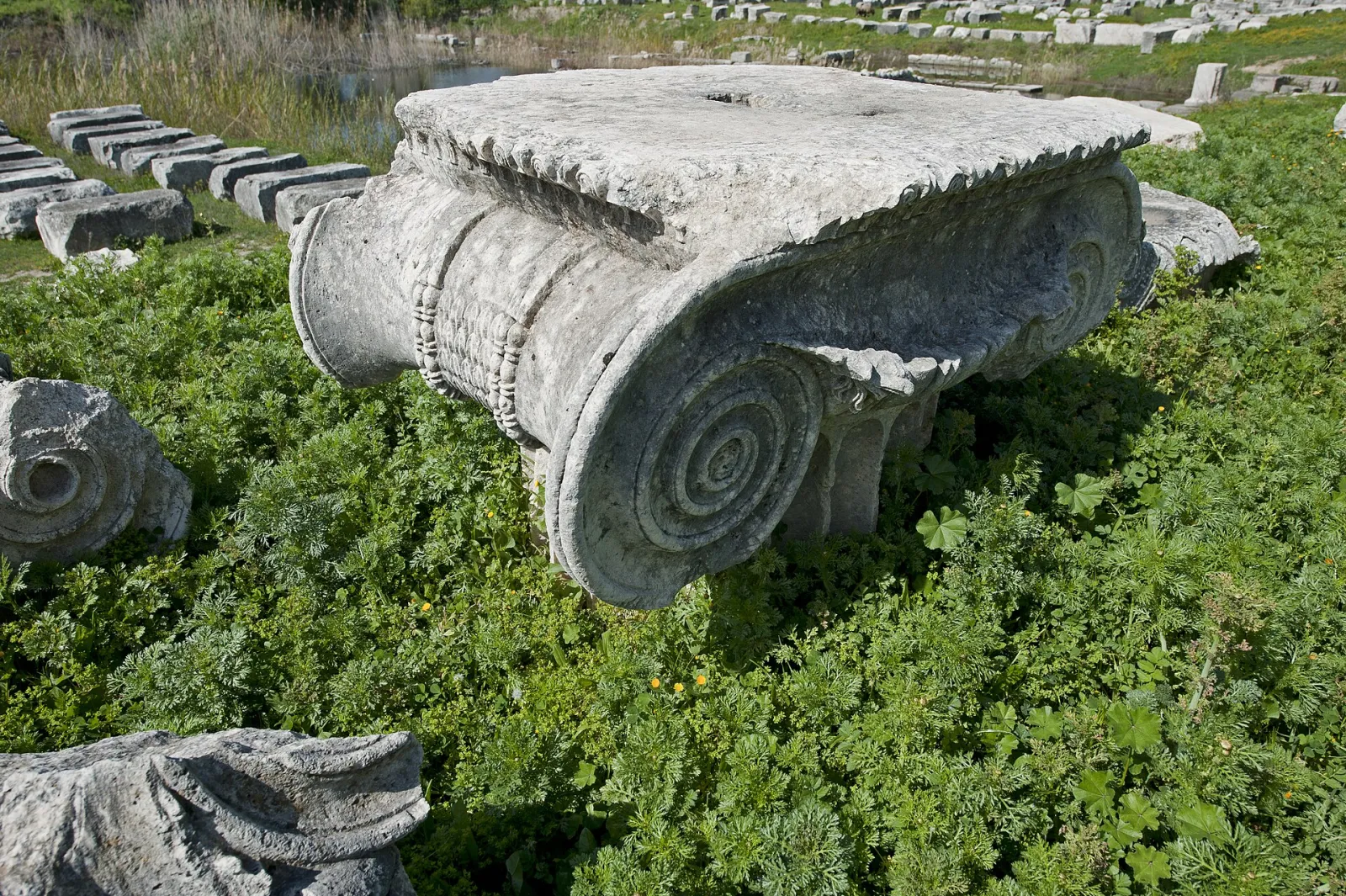
Archaeological Discovery: Systematic excavations at Letoon began in 1962, led by a series of French archaeologists including Henri Metzger and Jacques Des Courtils. These efforts uncovered the foundations of three major temples and a nymphaeum. Because much of the site lies below the water table of the Xanthos River, conservation efforts have been ongoing, including the partial re-erection of the Temple of Leto using its original architectural fragments.
Things to Do in Letoon
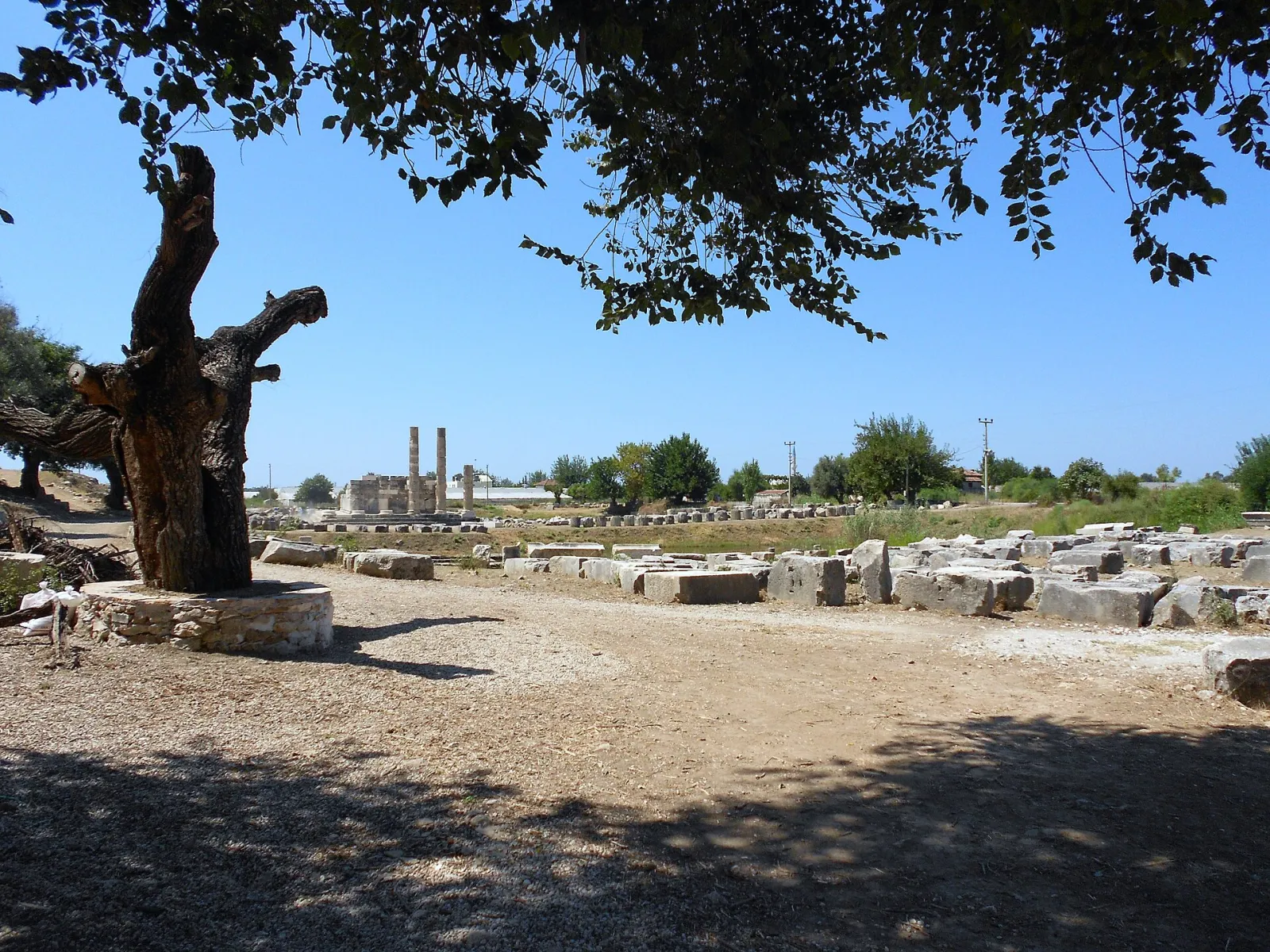
Exploring the Temple Complex: The central attraction of Letoon is the cluster of three 4th and 5th-century BCE temples. The central structure is dedicated to Artemis, while the two flanking temples are dedicated to Leto and Apollo. Visitors can walk among these foundations to appreciate the distinct architectural style that influenced other major Lycian cities, such as Patara and Myra. The site offers a unique opportunity to view these structures in their original, tranquil setting.
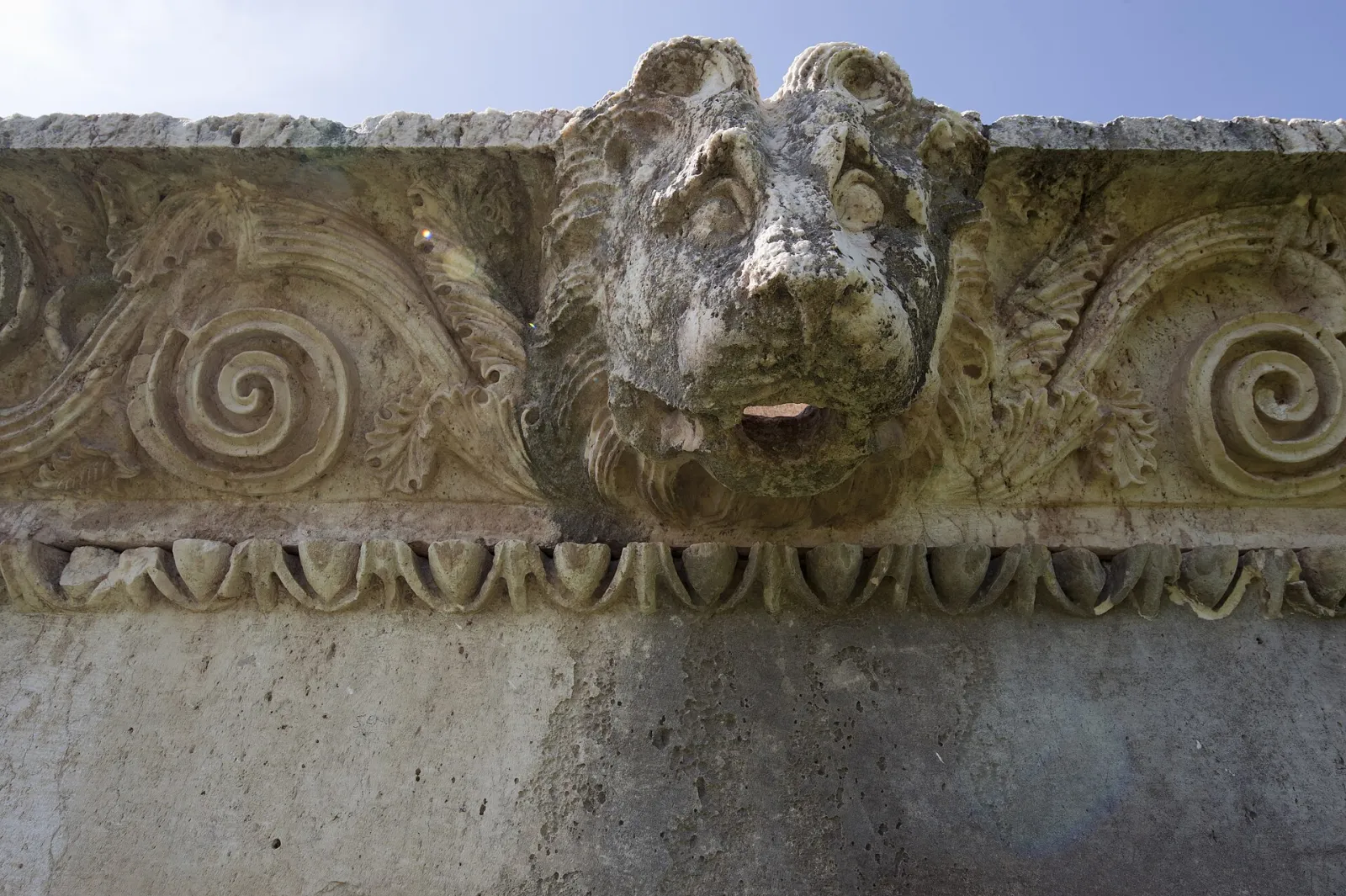
The Nymphaeum and Ancient Water Systems: A notable feature of the site is the nymphaeum, an ancient fountain house dating to the 2nd century CE. Built over a natural spring, this structure once provided fresh water to the sanctuary. While much of the site is affected by the rising water table of the Xanthos River, the remains of the nymphaeum and its associated exedras provide a fascinating glimpse into the sophisticated water management techniques employed by the ancient Lycians.
UNESCO Heritage and Landscape: As a protected UNESCO World Heritage Site, Letoon is an essential stop for those interested in archaeology and history. The site is situated in a rural landscape near the village of Kumluova, offering a peaceful atmosphere away from major urban centers. While walking through the ruins, visitors can observe the ongoing conservation efforts, including the water channels constructed to protect the monuments from seasonal flooding, which highlight the delicate balance between preservation and the natural environment.
Top Sights in Letoon
The Three Temples
These 4th-century BCE structures are dedicated to Leto, Artemis, and Apollo, serving as the core of the sanctuary.
Letoon Trilingual
A famous stone stele found here contains inscriptions in three languages, which were crucial for understanding the Lycian language.
The Nymphaeum
This ancient fountain house was built over a natural spring and demonstrates the advanced water engineering of the period.
UNESCO Status
Recognized for its unique architectural value, the site is protected alongside Xanthos as a World Heritage site.
Sacred Grove
The site was once home to a sacred grove, which historical accounts suggest was protected from desecration even during ancient sieges.
Travel Tips for Letoon
الوصول: Letoon is located near the village of Kumluova in the Seydikemer district, between Fethiye and Kalkan. It is easily accessible by road from Fethiye or Patara, and many visitors combine their trip with a visit to the nearby ancient city of Xanthos, which is located just 4 kilometres away.
أفضل وقت للزيارة: The site is best visited during the spring or autumn months when temperatures are moderate. As the area is an open-air archaeological site with limited shade, visiting in the early morning or late afternoon is recommended to avoid the peak heat of the day.
ماذا ترتدي / تحضر معك: Wear comfortable walking shoes suitable for uneven ground and archaeological ruins. It is advisable to bring a hat, sunglasses, and sunscreen for sun protection, as well as a bottle of water, as there are limited facilities directly within the archaeological zone.
زيارة الموقع: أيام العمل الحالية ومعلومات الزوار موجودة على صفحة المتحف الخاصة بنا: موقع زانثوس الأثري في أنطاليا, موقع ليتون الأثري في موغلا.
Day Tours that Visit Letoon
Guided daily excursions in Antalya that include Letoon.
 جولة يومية خاصة
خاصة
جولة يومية بسيارات الدفع الرباعي في صاقليكنت من باتارا (خاصة)
 رحلة يومية
مشتركة
جولة يومية بسيارات الدفع الرباعي في صاقليكنت من باتارا (مشتركة)
 رحلة يومية
مشتركة
جولة سفاري يومية بسيارات الجيب إلى ساكليكنت من موغلا
 جولة يومية خاصة
خاصة
جولة سفاري يومية على الطرق الوعرة في كاش (خاصة)
 رحلة يومية
مشتركة
جولة سفاري يومية على الطرق الوعرة في كاش (مشتركة)
 رحلة يومية
مشتركة
جولة يومية بقوارب الكانو في باتارا من أنطاليا
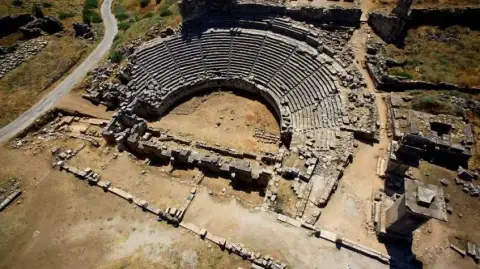 جولة يومية خاصة
خاصة
جولة يومية من كاش إلى زانثوس ووادي ساكليكنت – الآثار الليكية والمضيق
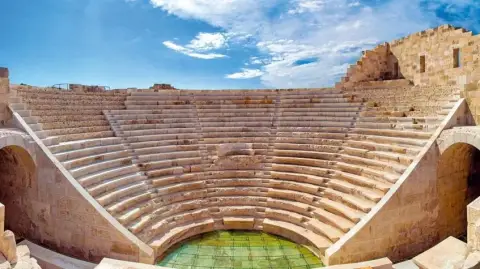 جولة يومية خاصة
خاصة
جولة يومية إلى باتارا وكسانثوس وليتون من كالكان – ثلاث مدن ليقية
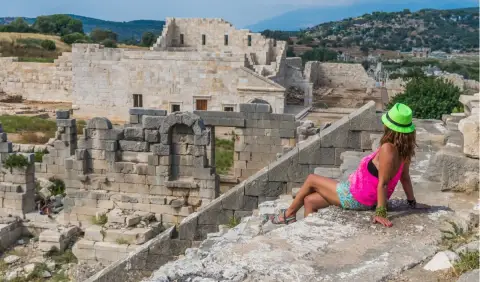 جولة يومية خاصة
خاصة
جولة خاصة في مدن باتارا وليتون وزانثوس الأثرية
 رحلة يومية
مشتركة
جولة ليوم واحد في مدن باتارا وليتون وزانثوس الأثرية (مشتركة)
Letoon – Frequently Asked Questions
Is Letoon the same as Xanthos?
No, they are separate sites. Letoon served as the religious centre for the city of Xanthos and is located about 4 kilometres away.
Can I see the Letoon Trilingual at the site?
The original trilingual stele is currently housed in the Fethiye Museum for preservation. You should visit the museum to see this important artifact.
Why is there water among the ruins?
Letoon is situated near the Xanthos River, and the water table often rises, causing some parts of the ruins to be partially submerged. Conservationists have built channels to manage this.
How much time should I spend at Letoon?
Most visitors find that one to two hours is sufficient to explore the temple foundations and the nymphaeum. It is a compact site that is easy to navigate.
هل تتوفر جولات سياحية؟
While you can explore the site independently, many visitors choose to join guided tours that cover both Letoon and the nearby city of Xanthos for a more comprehensive historical experience.