Abydos
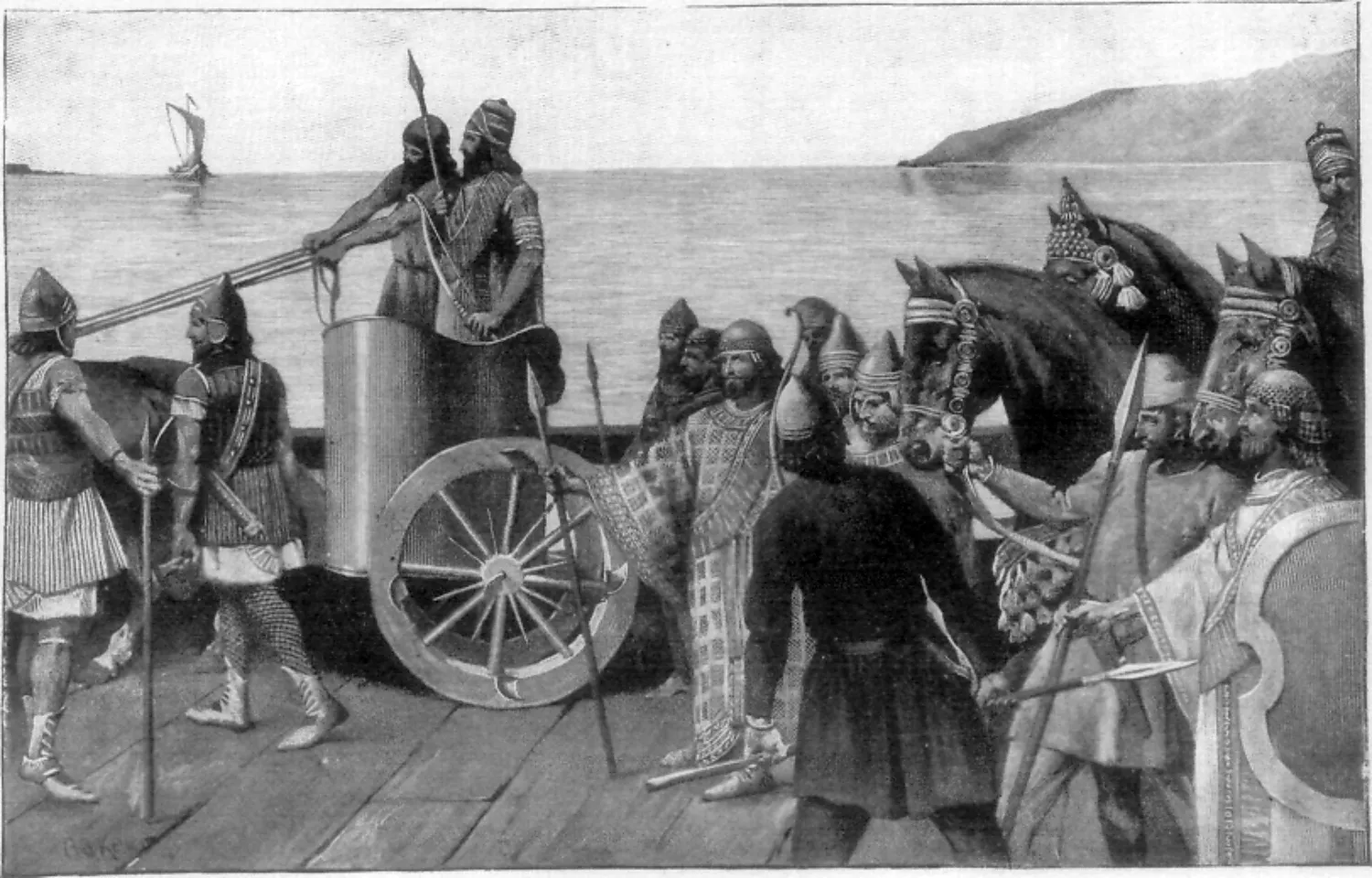
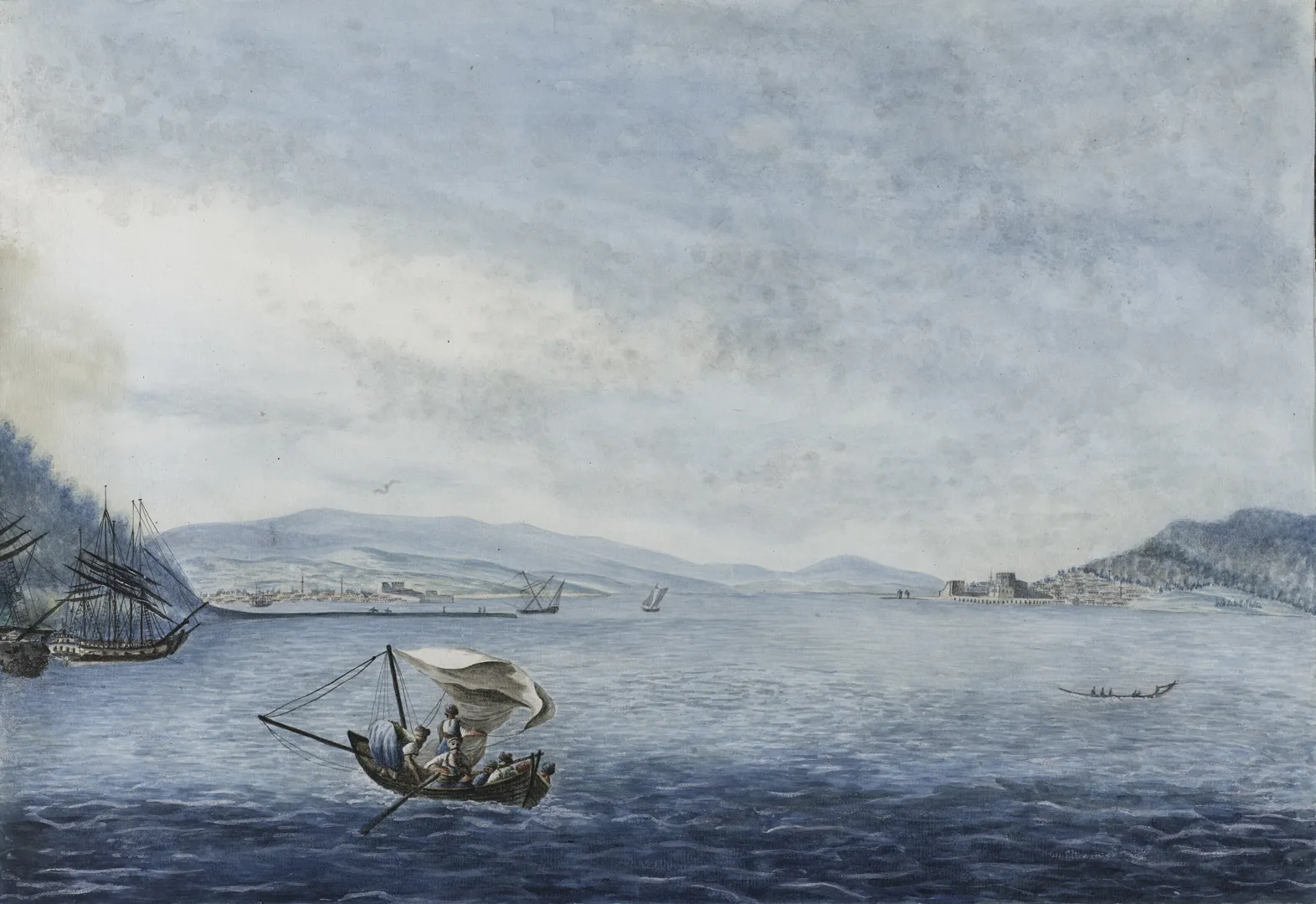
Photos: Jacob Peeters, Public domain · CC BY 4.0 · Marie-Gabriel-Florent-Auguste Comte de Choiseul-Gouffier, Public domain · H.A.Guerber, Public domain, via Wikimedia Commons, Public domain · Clara Barthold Mayer, CC BY-SA 4.0 — via Wikimedia Commons
Explore the ancient ruins of Abydos, a historic city on the Asian coast of the Dardanelles near Çanakkale, Turkey, with rich classical history.
ℹ️ About Abydos
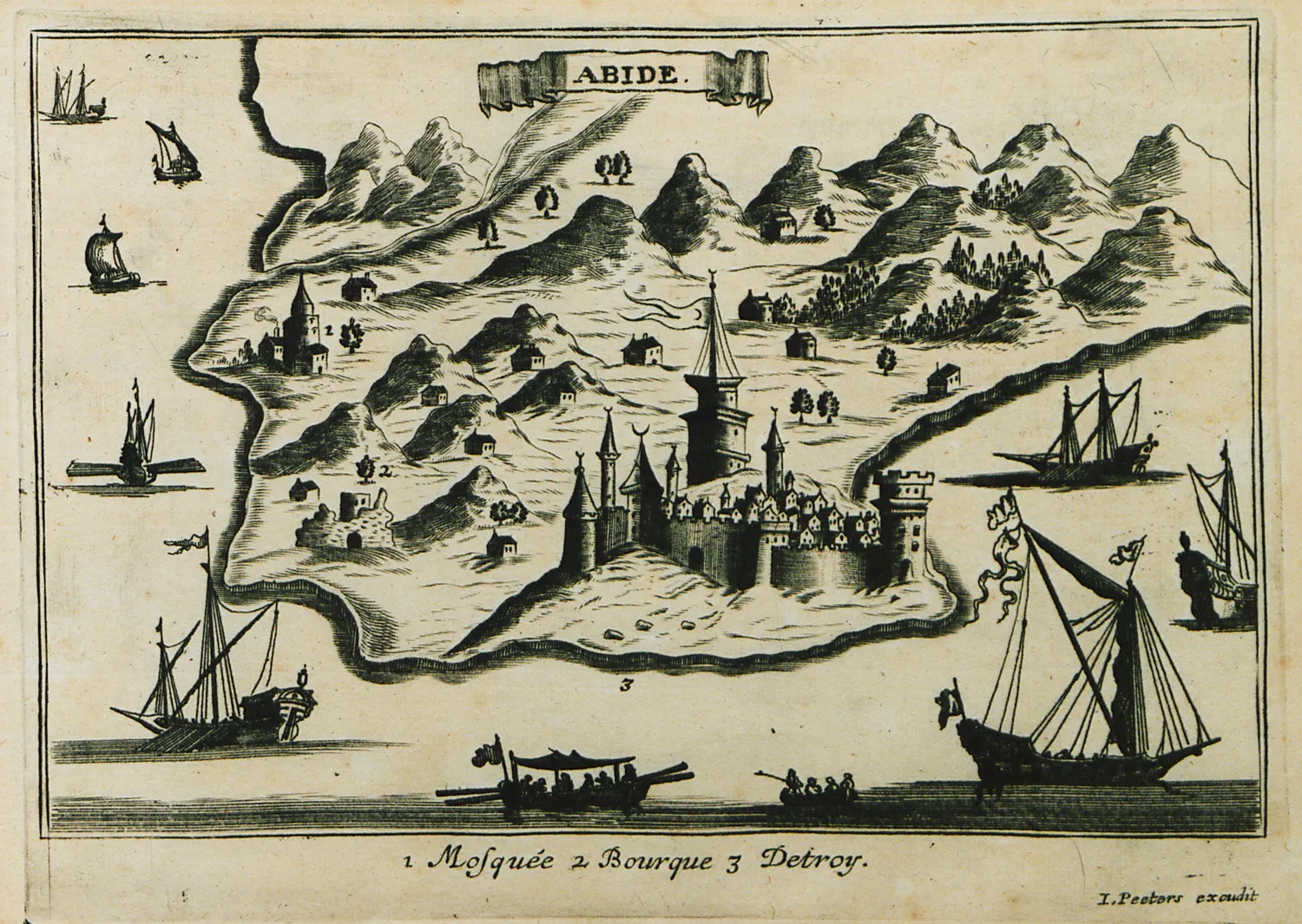
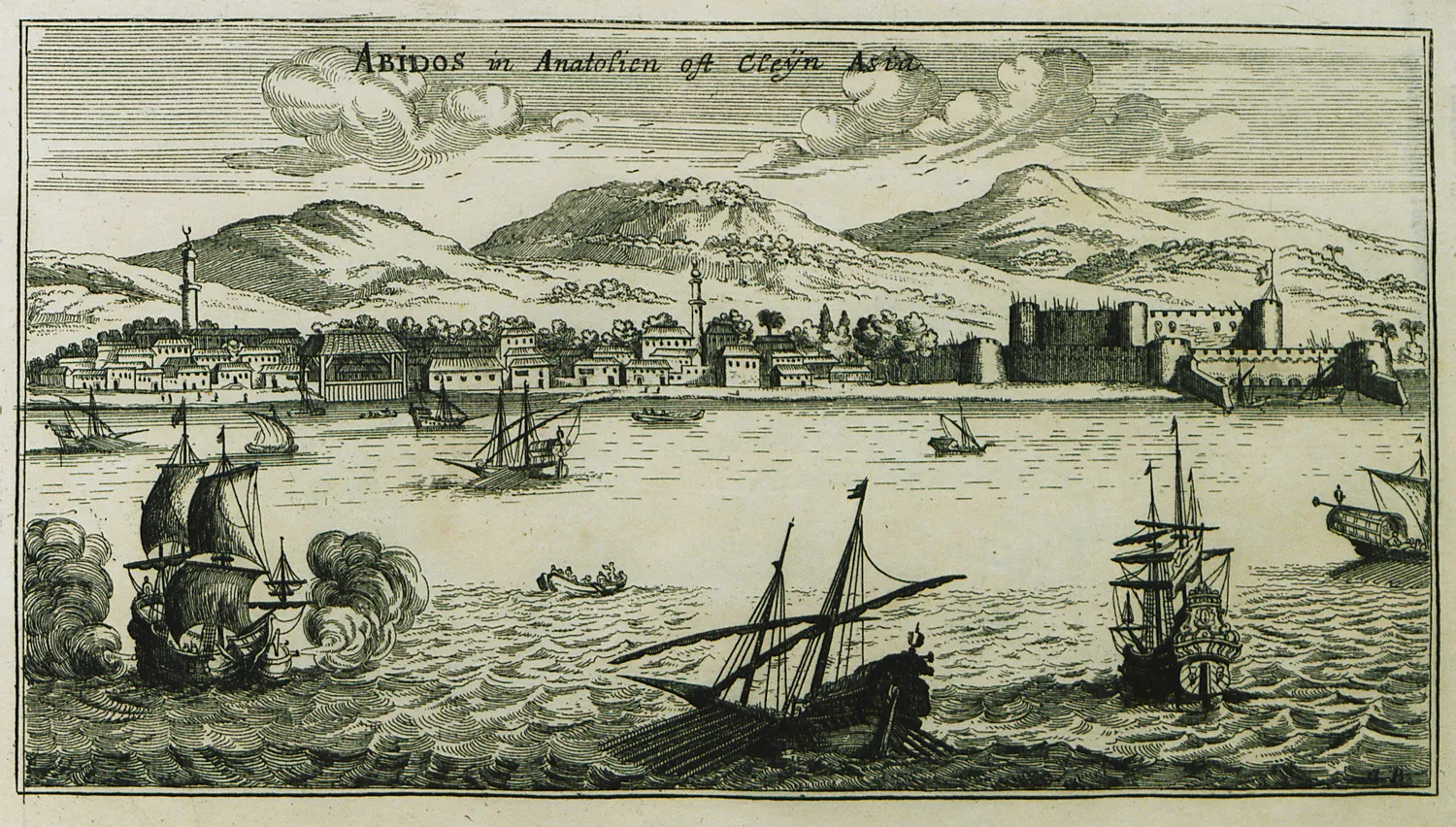
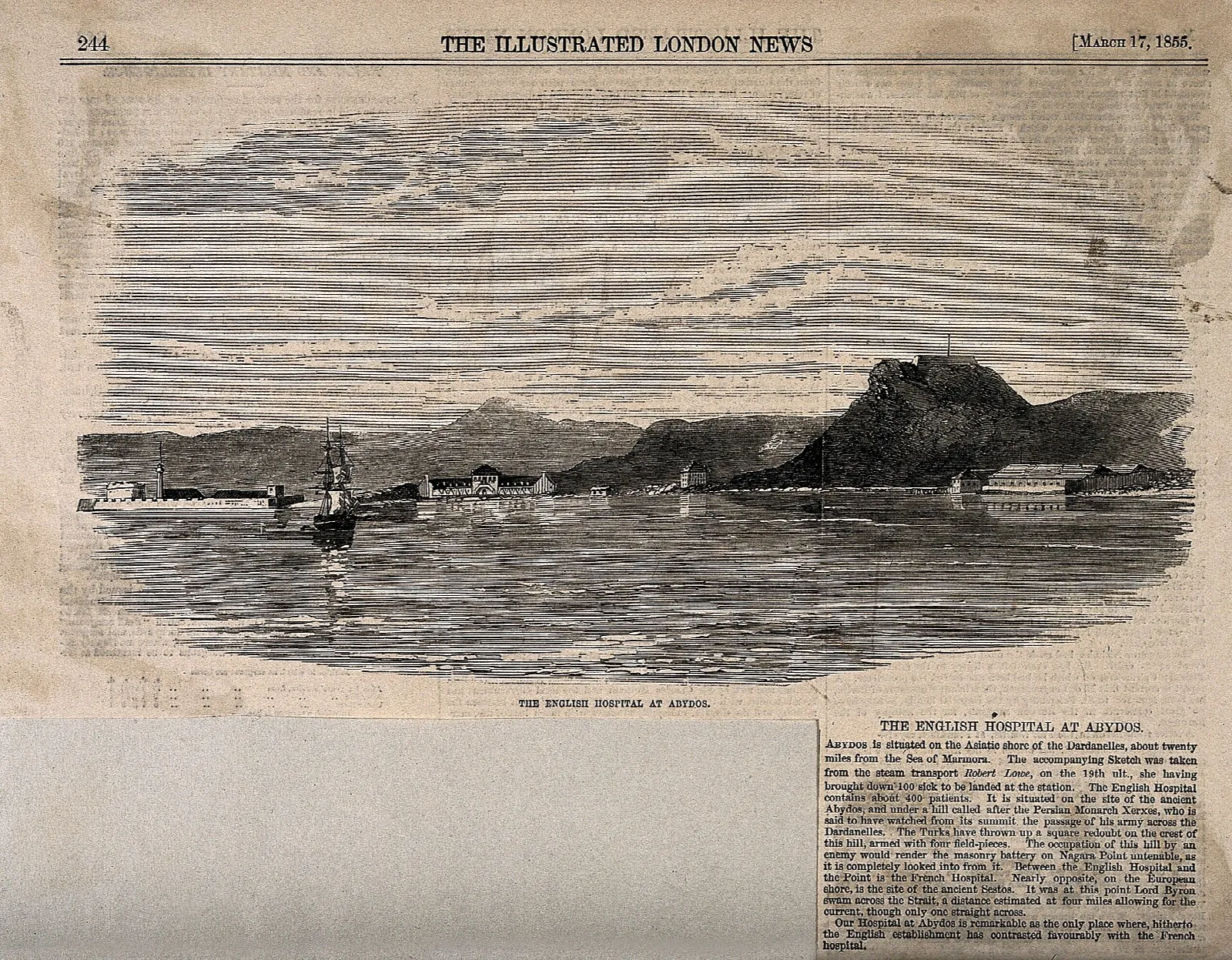
Abydos was an ancient city and bishopric in Mysia, located at the Nara Burnu promontory on the Asian coast of the Hellespont, now known as the Dardanelles. Situated opposite the ancient city of Sestos and near the modern city of Çanakkale in Turkey, it stood at the most narrow point of the straits. This strategic position made it one of the main crossing points between Europe and Asia for centuries.
Founded around 670 BC, the site holds significant historical weight as a former hub for trade and military movements. Today, visitors can explore the archaeological remnants of this once-thriving center, which was eventually abandoned in the early 14th century. The area remains a notable landmark for those interested in the classical history of the Dardanelles region.
История
Abydos was settled by Milesian colonists around 670 BC, with King Gyges of Lydia granting consent for the settlement. It became a thriving center for tuna exportation due to the high yield in the Hellespont. The city was ruled by various powers, including the Persian Empire, which destroyed it in 512 BC under Darius I. It later joined the Athenian-led Delian League but remained hostile to Athens. In 480 BC, Xerxes I and the Persian army crossed the Hellespont here on pontoon bridges during their invasion of Greece.
During the Peloponnesian War, Abydos defected to Sparta in 411 BC and served as a base for Spartan commanders like Dercylidas. After the Corinthian War, it was annexed to the Persian Empire in 387 BC. In the Hellenistic period, Alexander the Great ferried across from Sestos to Abydos in 334 BC and established a royal mint there. The city later came under the control of the Seleucid Empire and was conquered by Ptolemy III Euergetes in 245 BC before becoming part of the Kingdom of Pergamon by 200 BC.
Что посмотреть
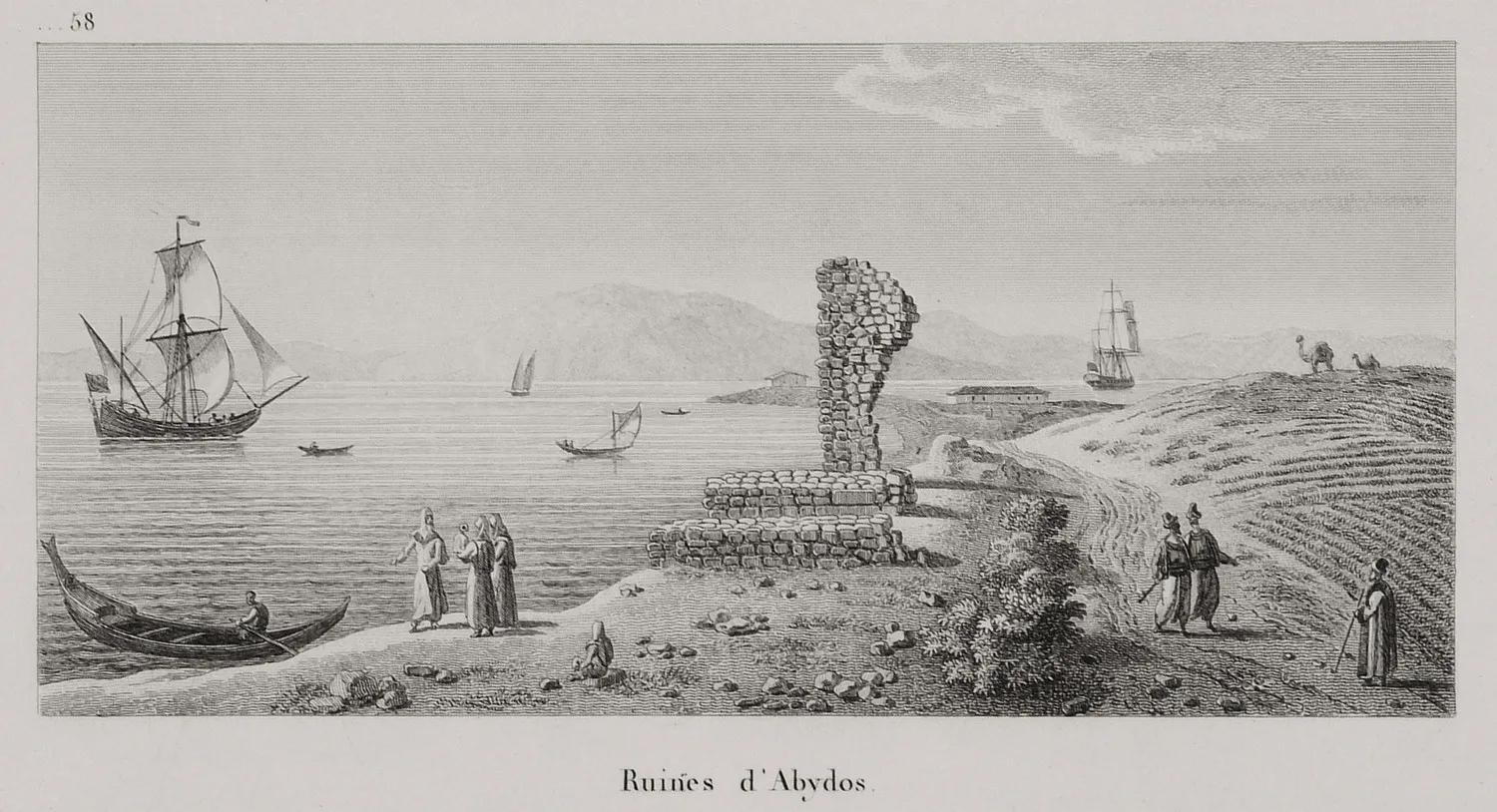
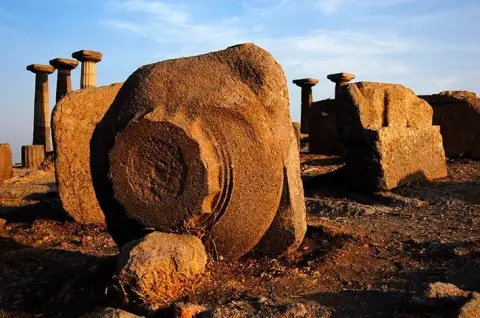
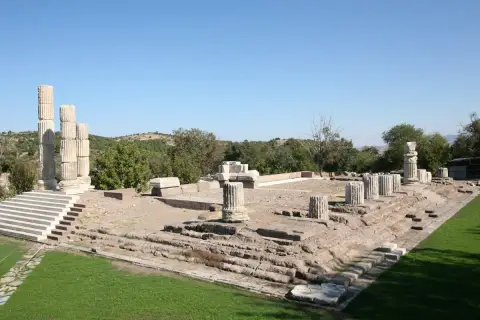
Visitors to the site can view the acropolis, known in Turkish as Mal Tepe. Although little remains of the ancient structures due to centuries of scavenging for building materials and the area's status as a restricted military zone in the 20th century, the location itself offers a glimpse into its past. The ruins of walls and buildings were reported until at least the 19th century, but today the site is primarily an archaeological area with limited visible remains.
- The acropolis (Mal Tepe)
- The strategic promontory overlooking the Dardanelles
Советы для посетителей
Wear comfortable shoes suitable for walking on uneven terrain and bring sun protection, as the site is exposed. Since the area has limited infrastructure, plan your visit accordingly.
Combine your trip with a visit to nearby Çanakkale to explore other historical sites in the region. Respect any posted signs regarding restricted areas, as parts of the site may have been historically sensitive.
Hotels near Abydos
- Kolin Hotel SPA & Convention Center ★★★★★ 9,3 км
- Akol Hotel ★★★★ 4,8 км
- Avec Hotel ★★★★ 6,3 км
- Buyuk Truva Oteli ★★★ 4,8 км
- Pelit Troya Hotel ★★★ 5,1 км
- Cetinkaya Hotel ★★★ 5,1 км
Другие музеи в Чанаккале
Abydos – Frequently Asked Questions
What is Abydos?
Abydos was an ancient city and bishopric in Mysia, located at the Nara Burnu promontory on the Asian coast of the Hellespont, now known as the Dardanelles.
Where is Abydos located?
Abydos is in Çanakkale, Turkey.
Do children need a ticket at Abydos?
Children aged 0–6 enter Abydos free of charge. Visitors aged 7 and over need a full ticket.
Какие еще музеи я могу посетить в Чанаккале?
Другие музеи в Чанаккале включают музей Трои, археологический памятник Троя и археологический памятник Ассос.