Surb Karapet Monastery
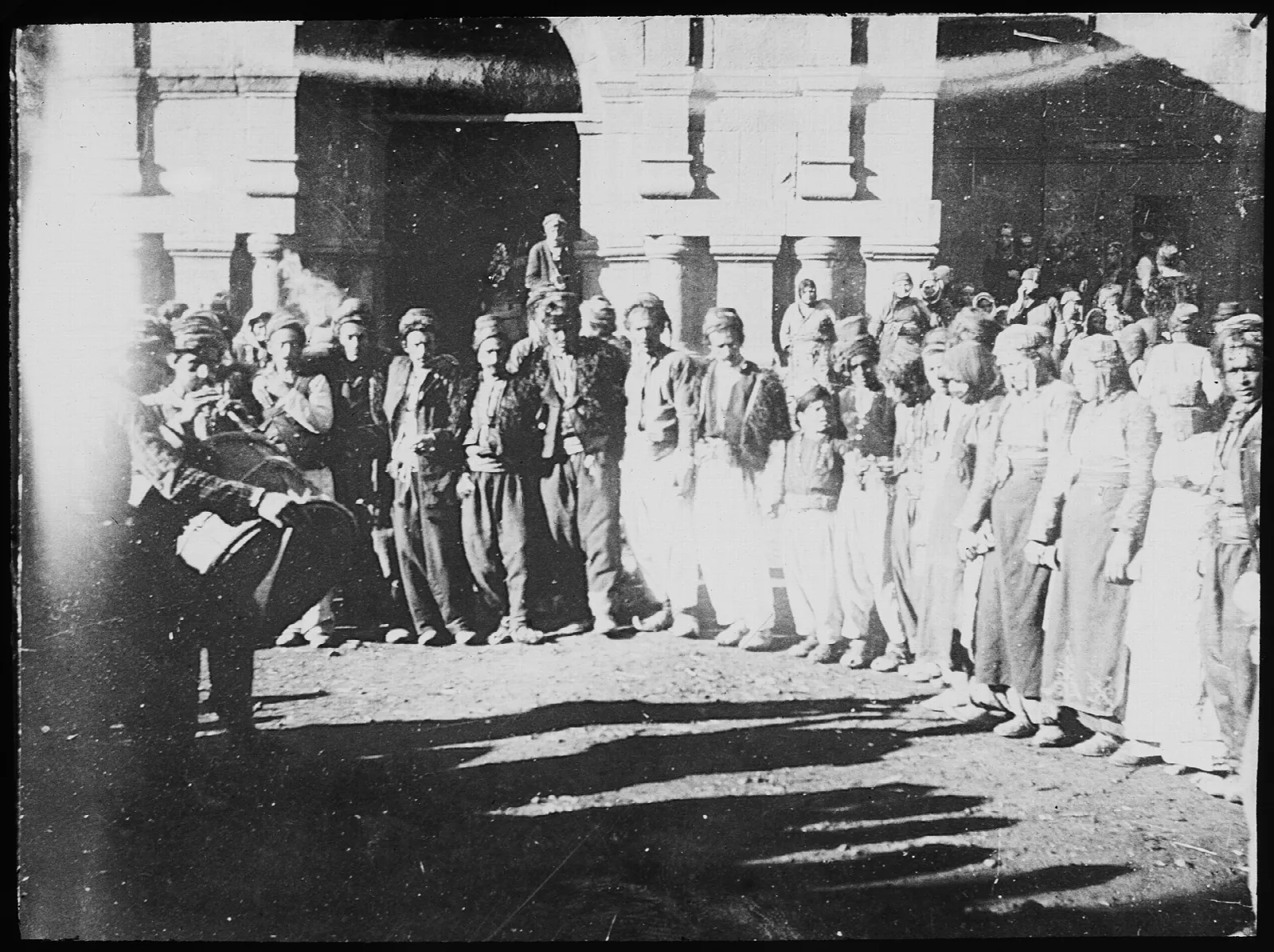
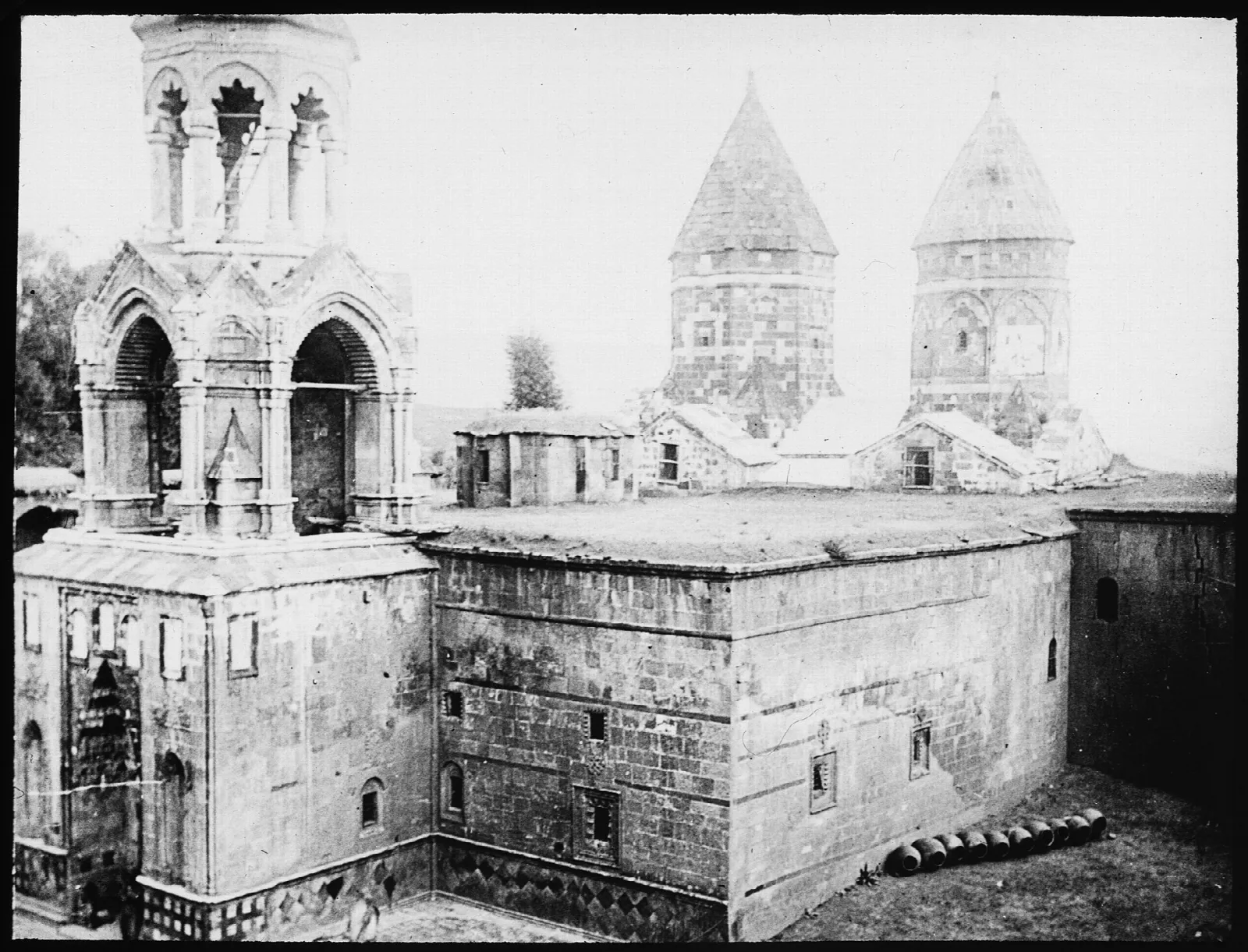
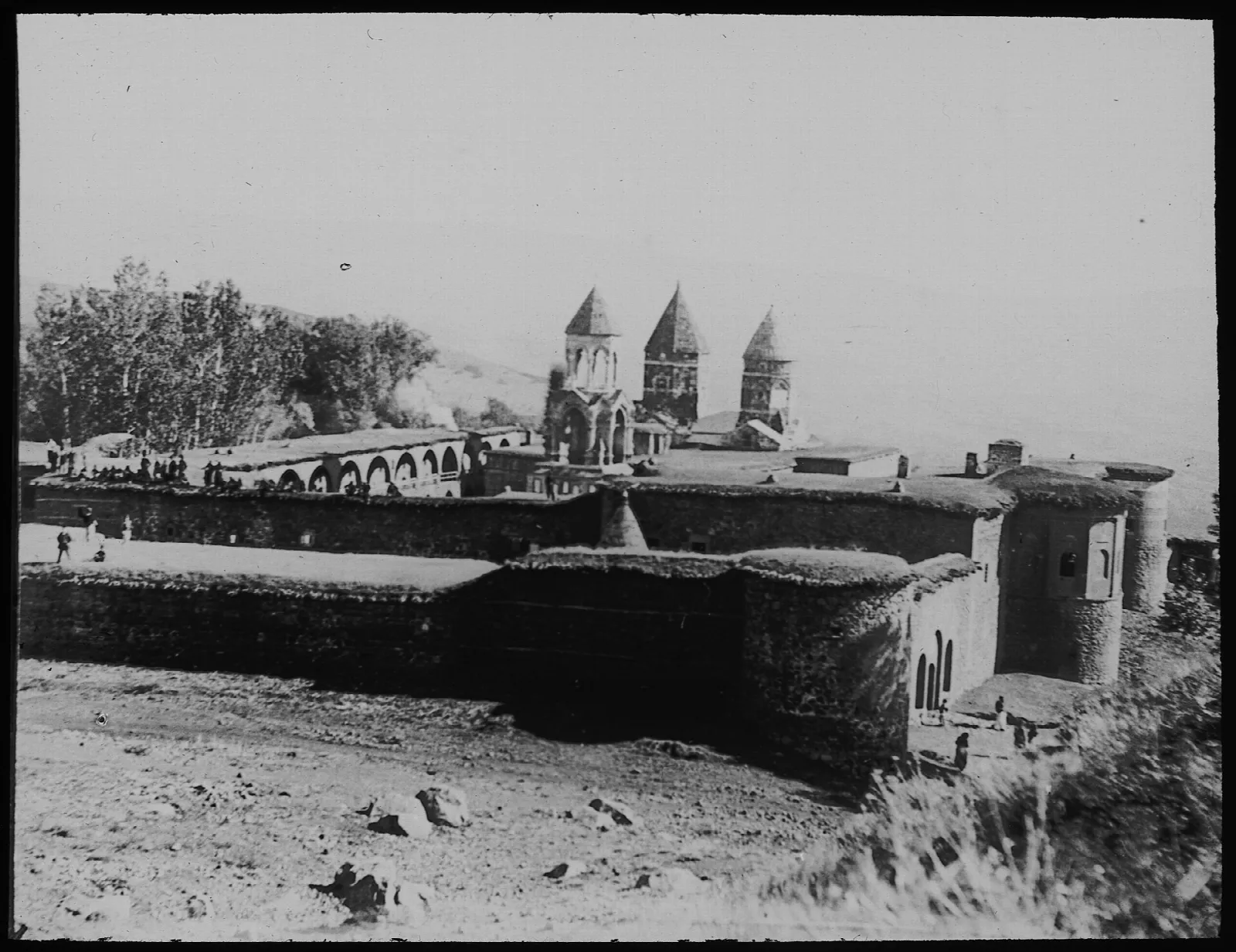
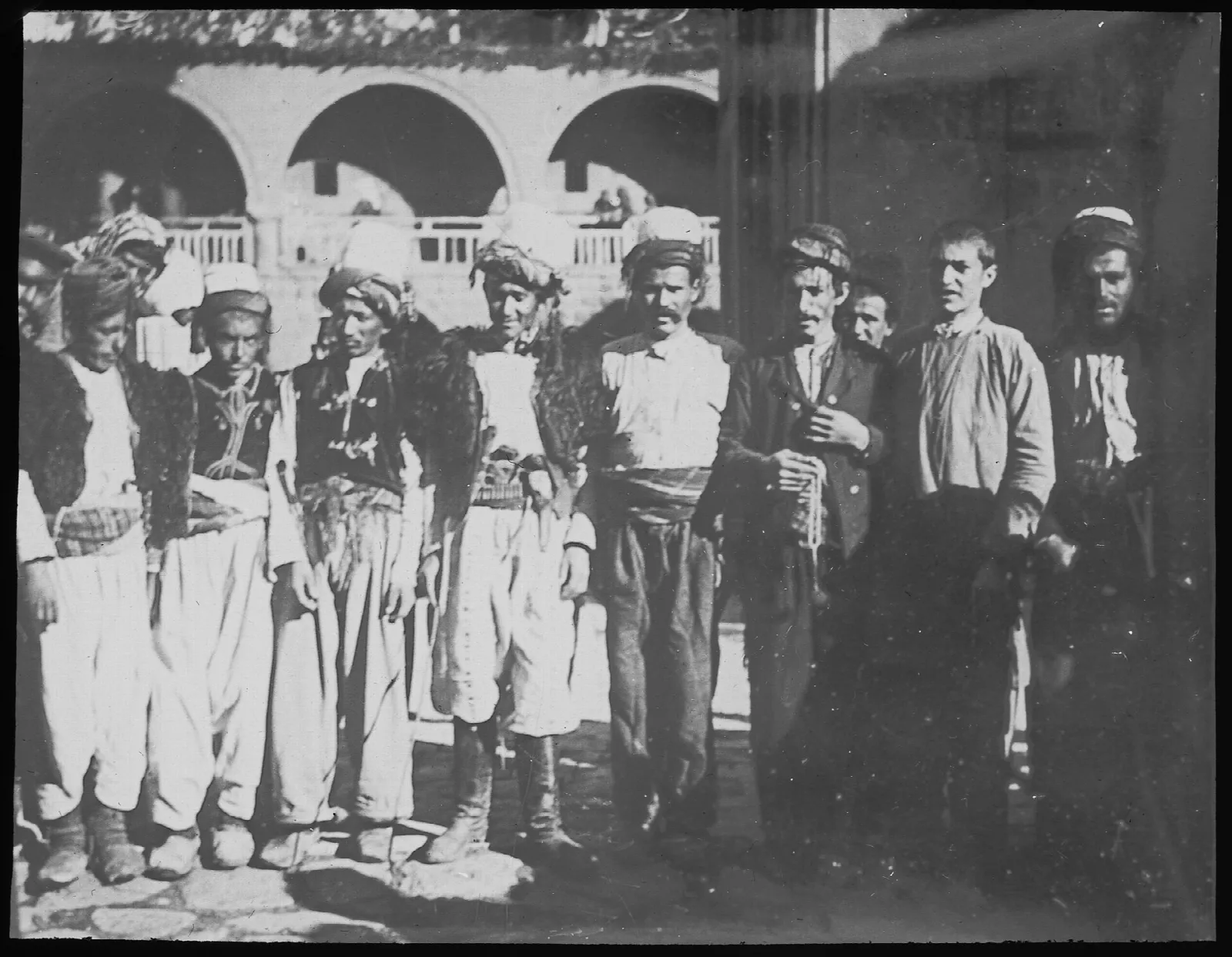
Photos: Ben Men Lyun, CC BY 4.0 · Vartan A. Hampikian, Public domain · Miscellaneous Items in High Demand, PPOC, Library of Congres, Public domain · Félix Marie Charles Texier, Public domain · Unknown authorUnknown author, Public domain — via Wikimedia Commons
Explore the ruins of Surb Karapet Monastery in Muş, a historic Armenian Apostolic site in Taron, known for its fort-like enclosure and religious significance.
ℹ️ About Surb Karapet Monastery
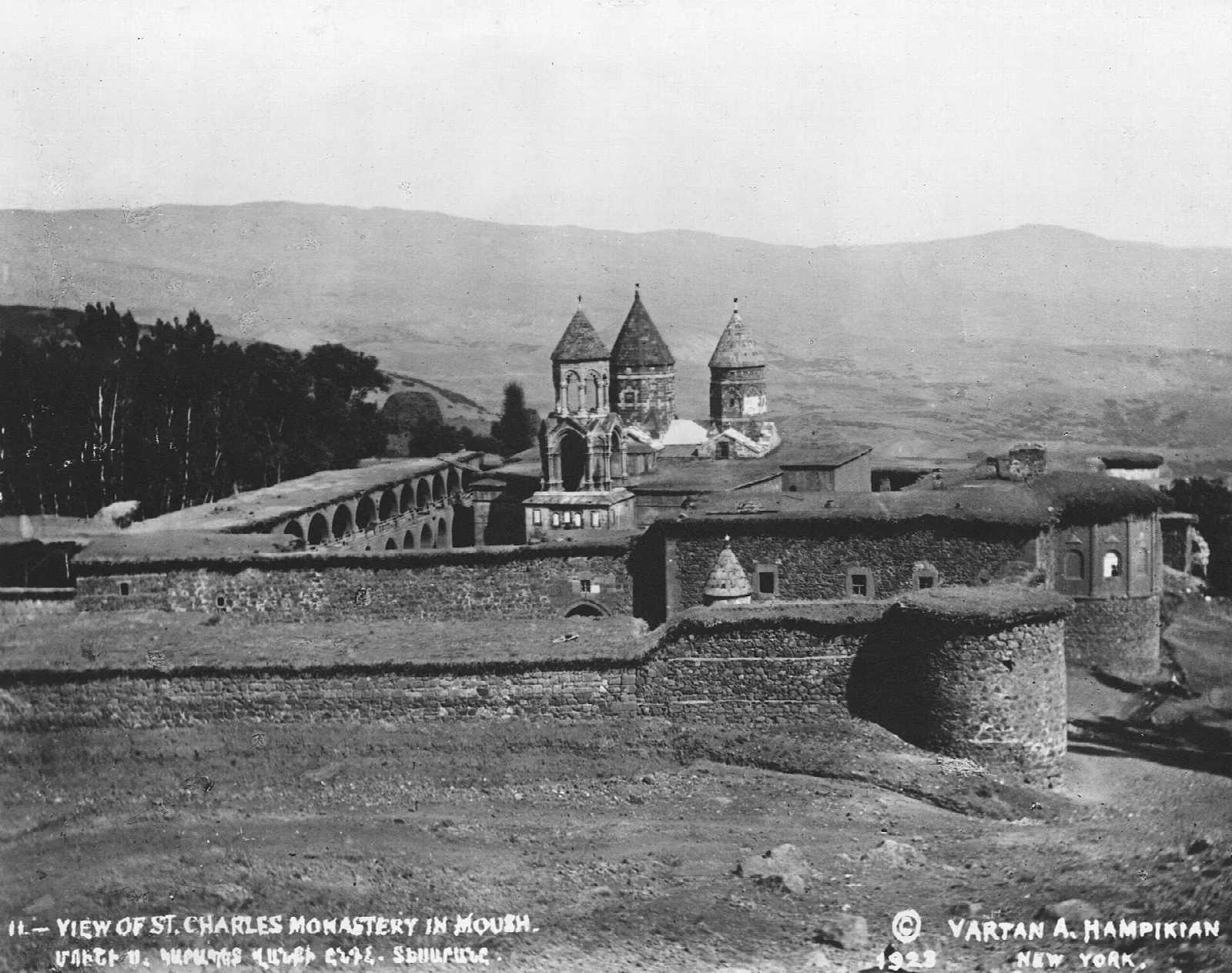
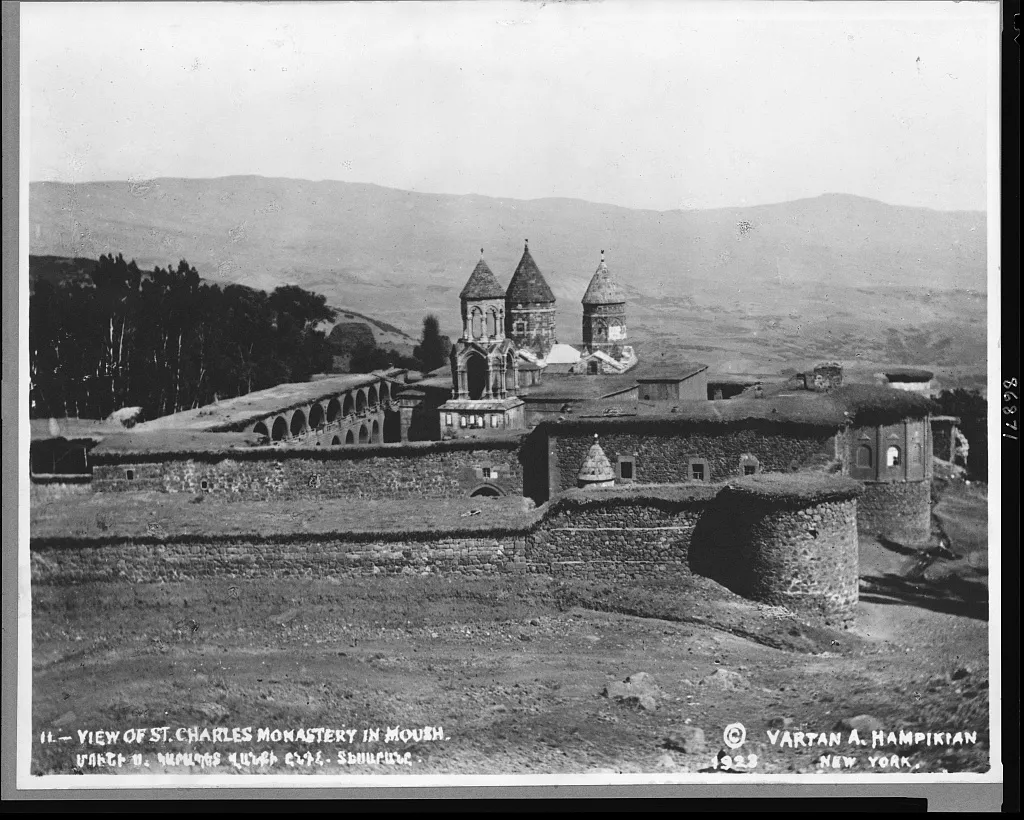
Surb Karapet Monastery was an Armenian Apostolic monastery located in the historic province of Taron, approximately 30 km northwest of Mush (Muş) in present-day eastern Turkey. Known as Surp Garabet Manastırı in Turkish, the site served as a significant religious center and pilgrimage destination for centuries. The name translates to "Holy Precursor," referring to John the Baptist, whose remains were traditionally believed to be stored there. By the 20th century, the complex had evolved into a large, fort-like enclosure featuring four chapels, reflecting its long history of expansion and renovation.
Historically, the monastery was considered the most important in Turkish (Western) Armenia and the second most important of all Armenian monasteries after Etchmiadzin. It functioned as the seat of the diocese of Taron from the 12th century onward. The site attracted numerous pilgrims and hosted large celebrations annually. Today, it stands as a historical ruin in the Muş province, offering visitors a glimpse into the region's complex religious and architectural heritage.
Historia
According to Armenian tradition, the site was founded in the early fourth century by Gregory the Illuminator, who erected a martyrion to house the remains of Saints Athenogenes and John the Baptist. Zenob Glak, a Syriac archbishop, is traditionally believed to have been its first father superior. The monastery subsequently served as a stronghold of the Mamikonians, the princely house of Taron, who claimed to be the holy warriors of John the Baptist. In the sixth century, the chronicler Atanas Taronatsi served as its father superior. Although the building was reduced to ruins by an earthquake in the seventh century, it was subsequently rebuilt, and the chapel of Surb Stepanos was founded.
In the late ninth century, following the establishment of Bagratid Armenia, a school was founded at the monastery. In the 11th century, Grigor Magistros built a palace within the monastery, but it was destroyed by fire in 1058. The monastery faced further challenges, including attacks in the 12th century and destruction of the Surb Karapet church by Persian troops in the 1750s. A devastating earthquake in 1784 destroyed the main church and other sections, leading to a complete reconstruction in 1788 that included the enlargement of the gavit and renovation of the belfry and ramparts.
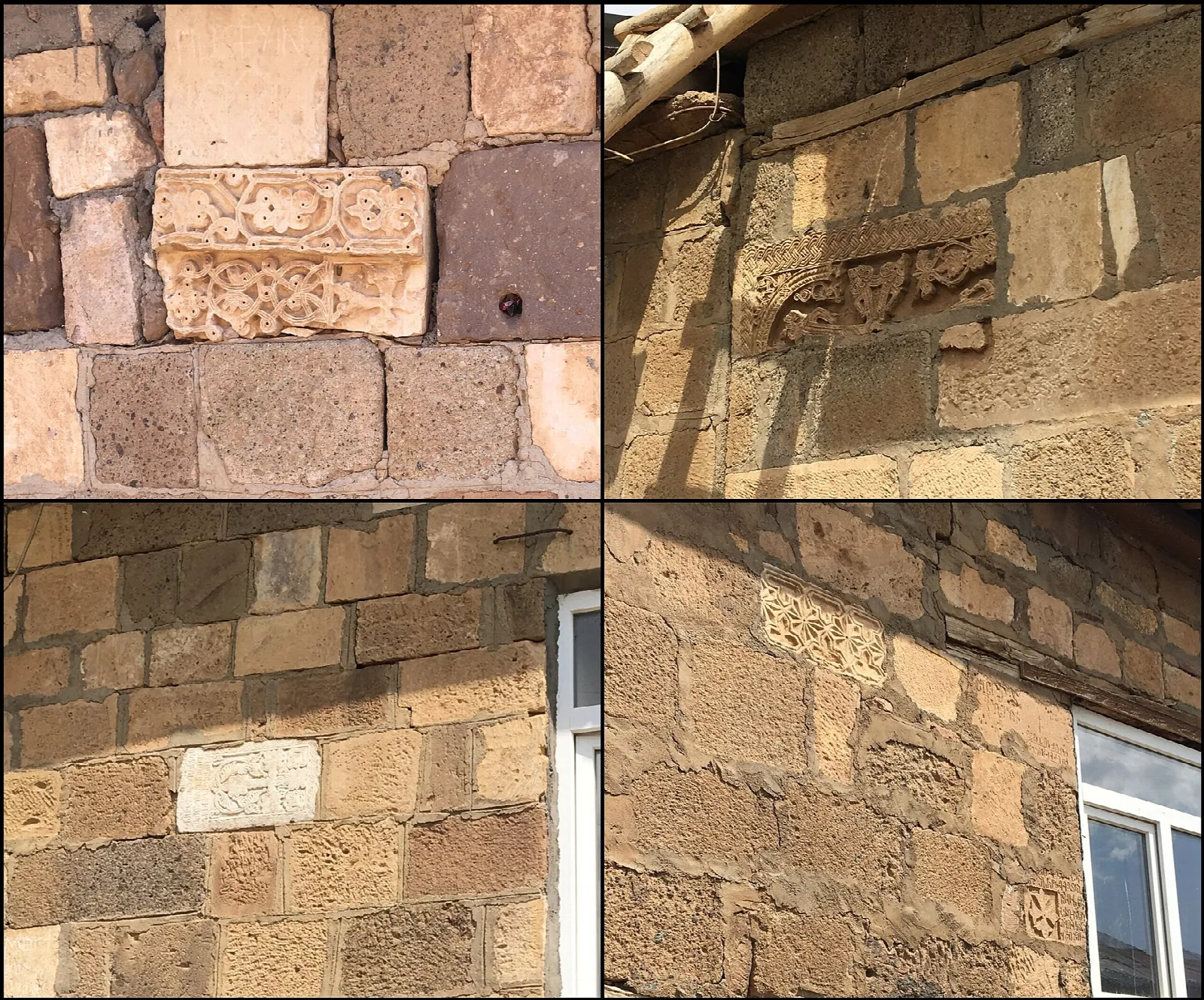
In the 19th century, the monastery experienced periods of both decline and prosperity. Kurdish gangs looted the site in 1827, but it flourished under the leadership of Mkrtich Khrimian, who became father superior in 1862. Khrimian implemented reforms regarding donations and community projects, though he faced opposition. The monastery was ultimately burned and looted during the Armenian genocide of 1915 and later abandoned, with its stones subsequently reappropriated for local building purposes.
Qué Ver
Visitors to the site encounter the ruins of a once-large, fort-like enclosure that historically featured four chapels. The remaining structures reflect the monastery's extensive renovations and expansions over many centuries, including the gavit (narthex), belfry, and ramparts that were part of the 18th-century reconstruction. While the main church and other buildings were destroyed or repurposed, the layout of the complex and its strategic location in the Taron province remain evident.
- The ruins of the fort-like enclosure walls.
- Remnants of the chapels, including the site of Surb Stepanos.
- The location of the former gavit and belfry.
- The surrounding landscape of the historic Taron province.
Consejos para su visita
Wear comfortable shoes suitable for walking on uneven terrain and ruins. As this is a historical site with religious significance, dress modestly. Bring sun protection and water, as the area may lack shade. Combine your visit with other historical sites in the Muş region to fully appreciate the local heritage.
Hotels near Surb Karapet Monastery
- Solhan Konak Apart 11,2 km
Más Museos en Muş
Surb Karapet Monastery – Frequently Asked Questions
What is Surb Karapet Monastery?
Surb Karapet Monastery was an Armenian Apostolic monastery located in the historic province of Taron, approximately 30 km northwest of Mush (Muş) in present-day eastern Turkey.
Where is Surb Karapet Monastery located?
Surb Karapet Monastery is in Muş, Turkey.
Do children need a ticket at Surb Karapet Monastery?
Children aged 0–6 enter Surb Karapet Monastery free of charge. Visitors aged 7 and over need a full ticket.
¿Qué otros museos puedo visitar en Muş?
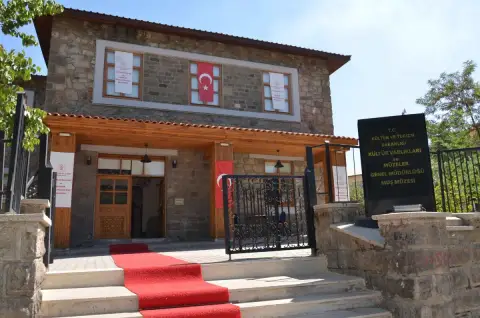
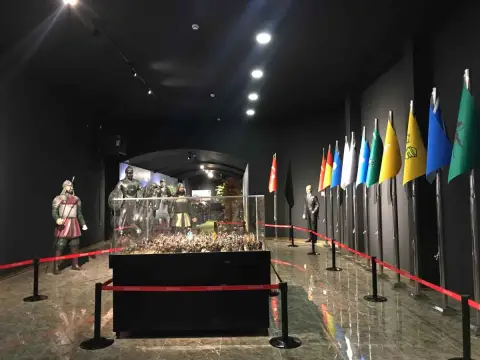
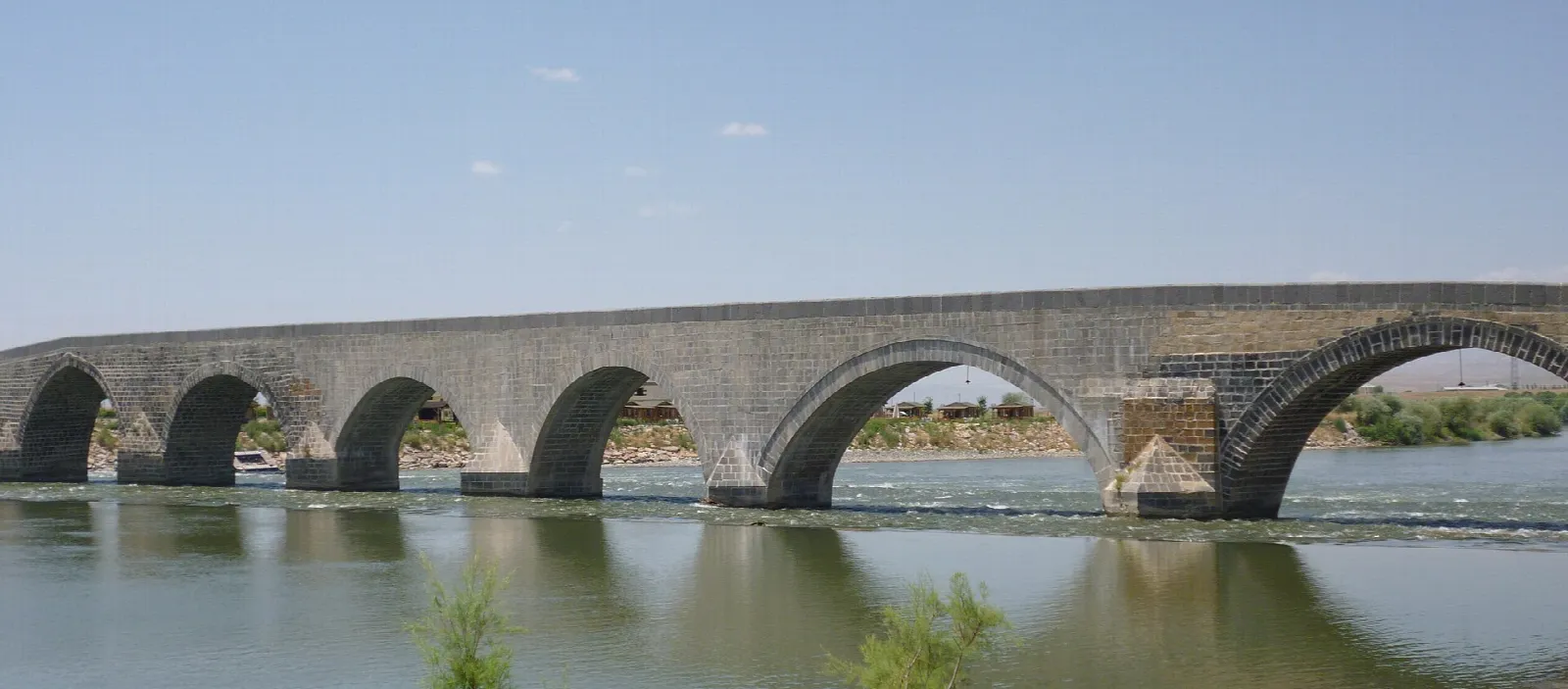
Other museums in Muş include Muş Museum, Muş Malazgirt Museum and Murat Bridge Muş.