Adatepe, Canakkale
📍 Ayvacık, Canakkale, Turquía
Adatepe is a historic hillside village in northwestern Turkey, renowned for its restored stone houses and panoramic views of the Edremit Gulf. Travellers visit to experience its unique Greco-Turkish heritage, olive groves, and the legendary Altar of Zeus overlooking the Aegean.
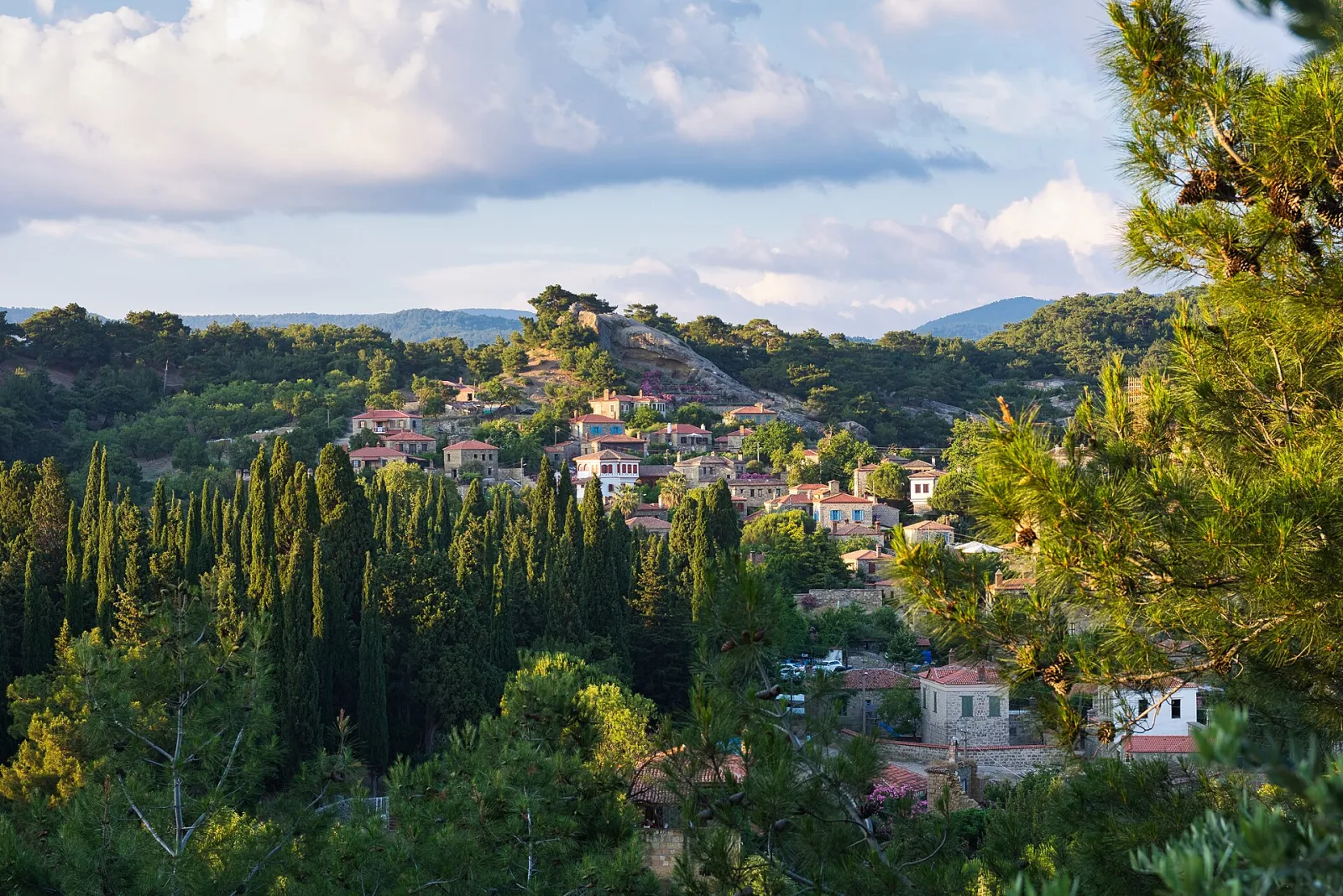
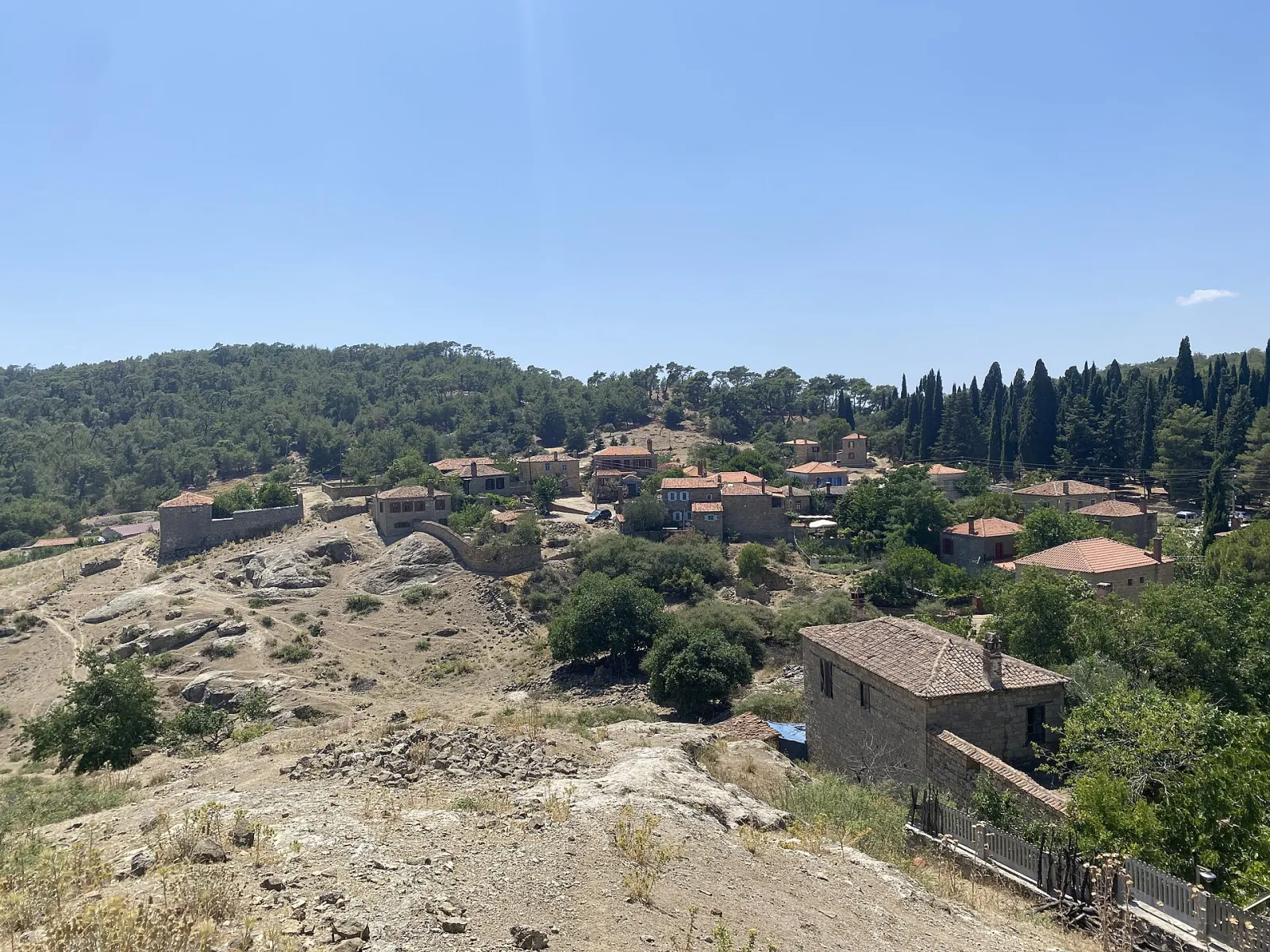
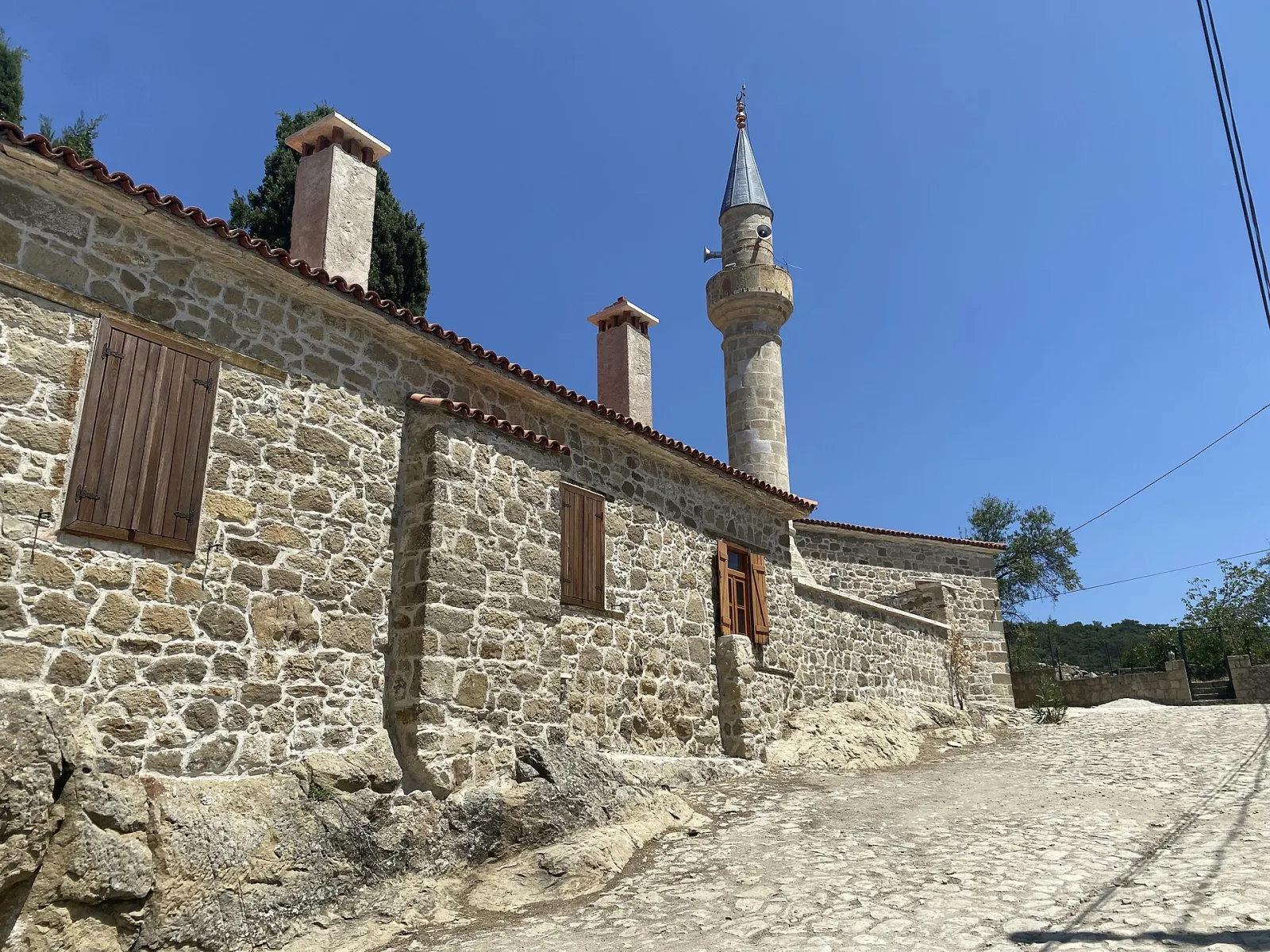
Fotos vía Wikimedia Commons: faktor1komma5 /by Claus P. Heibel from D... (CC BY 2.0) · Kadı Kadı (CC BY 2.0) · Kadı Kadı (CC BY 2.0)
History of Adatepe
Adatepe’s history is deeply intertwined with the ancient mythology of Mount Ida, known locally as Kaz Dağı. The village sits on the southern slopes, offering a vantage point where, according to Homer’s Iliad, Zeus allegedly watched the Trojan Wars. A stone chamber and water-filled cistern on a rocky outcrop above the village are traditionally identified as the Altar of Zeus, linking the site to classical antiquity and epic literature.
In the late Ottoman period, the village was a multicultural settlement inhabited by both Orthodox Greeks and Muslims. The Greek community's church was dedicated to the Dormition of the Mother of God.
The demographic landscape shifted dramatically following the population exchange between Greece and Turkey in 1924. The Greek Orthodox population departed, and Muslim Cretan Turks settled in their place, bringing new traditions while preserving the existing architectural fabric.
By the late twentieth century, Adatepe faced depopulation and decay, risking becoming a ghost town. However, in the 1980s, a revival began as urbanites from Istanbul, Ankara, and İzmir purchased ruined stone houses. They meticulously restored the buildings, preserving traditional Greek and Turkish architectural elements. In 1989, the village was declared a first-grade urban protected area, ensuring its preservation as a unique cultural landscape in the region.
Things to Do in Adatepe
Wander through the narrow, cobbled lanes of Adatepe to admire the distinctive two-story stone houses. These structures, featuring courtyards and gardens, showcase a blend of Greek and Turkish architectural styles. The village’s designation as a protected area ensures that the restoration work maintains historical authenticity, allowing visitors to experience the quiet charm of a preserved Ottoman-era settlement amidst lush olive groves.
Hike up to the rocky outcrop known as the Altar of Zeus, located just above the village. This site offers breathtaking panoramic views over the Gulf of Edremit, extending to the islands off Ayvalık and Lesbos. It is a popular spot for photography and contemplation, connecting visitors with the mythological significance of Mount Ida as the stage for divine observation of the Trojan Wars.
Down on the coast in nearby Küçükkuyu, an olive oil museum highlights the region’s agricultural heritage, focusing on cold-pressed olive oil production and traditional soap-making using local scents like lavender, laurel, and rosemary. The museum provides insight into the economic backbone of the area, where olive cultivation has sustained communities for centuries.
Enjoy the serene atmosphere of the Kaz Dağları foothills, ideal for nature walks and birdwatching. The surrounding landscape is rich in biodiversity, with olive trees dominating the lower slopes and denser forests higher up. Visitors can relax in the village squares or take short treks into the hills, enjoying the fresh air and the peaceful ambiance that attracted many to settle here in the first place.
Top Sights in Adatepe
Altar de Zeus
A rocky outcrop above the village with a stone chamber and cistern, traditionally linked to Zeus watching the Trojan Wars.
Restored Stone Houses
Two-story buildings with courtyards, showcasing a blend of Greek and Turkish architectural styles preserved since the 1980s.
Olive Groves
The village is surrounded by extensive olive groves, reflecting the region’s long-standing agricultural heritage and scenic beauty.
Edremit Gulf Views
Panoramic vistas from the village overlook the Gulf of Edremit, including views of the islands off Ayvalık and Lesbos.
Mount Ida (Kaz Dağları)
The forested mountain of Greek myth rises behind the village, with walking routes and fresh mountain air.
Travel Tips for Adatepe
Cómo llegar: Adatepe is in Ayvacık district, a short drive up the hill from Küçükkuyu on the Gulf of Edremit. The most convenient way to reach the village is by car or taxi from nearby towns like Küçükkuyu or Ayvalık. Public transport options are limited, so arranging private transport is recommended for flexibility.
Mejor época para visitar: Spring and autumn offer the most pleasant weather for exploring the village and hiking to the Altar of Zeus. Summers can be warm, though the elevation provides some relief, while winters are mild but potentially rainy. Visiting during these shoulder seasons allows for comfortable walking conditions and fewer crowds.
Qué llevar / traer: Wear comfortable walking shoes with good grip, as the village streets are cobbled and uneven. Bring a light jacket, as evenings can be cool on the hillside. A camera is essential for capturing the scenic views of the Gulf of Edremit and the historic stone architecture.
Day Tours that Visit Adatepe
Guided daily excursions in Canakkale that include Adatepe.

Adatepe – Frequently Asked Questions
What is the historical significance of the Altar of Zeus?
It is traditionally believed to be the spot where Zeus watched the Trojan Wars, as described in Homer’s Iliad. The site features a stone chamber and a water-filled cistern, offering panoramic views of the Gulf of Edremit.
Why are the houses in Adatepe made of stone?
The original houses were built using local stone, typical of Greek and Turkish architecture in the region. They were restored in the 1980s by urbanites who wanted to preserve the traditional two-story structures with courtyards.
Who lived in Adatepe before the 1924 population exchange?
Before the population exchange of the 1920s, the village was home to both Orthodox Greeks and Muslims; the Greek community's church was dedicated to the Dormition of the Mother of God.
Is there an olive oil museum near Adatepe?
Yes, an olive oil museum in nearby Küçükkuyu, on the coast below the village, presents traditional olive oil production and olive-based soaps, part of the region's long agricultural heritage.
Is Adatepe protected as a historical site?
Yes, Adatepe was declared a first-grade urban protected area in 1989. This status ensures the preservation of its traditional architecture and cultural landscape, making it unique in the region.