Yoros Castle
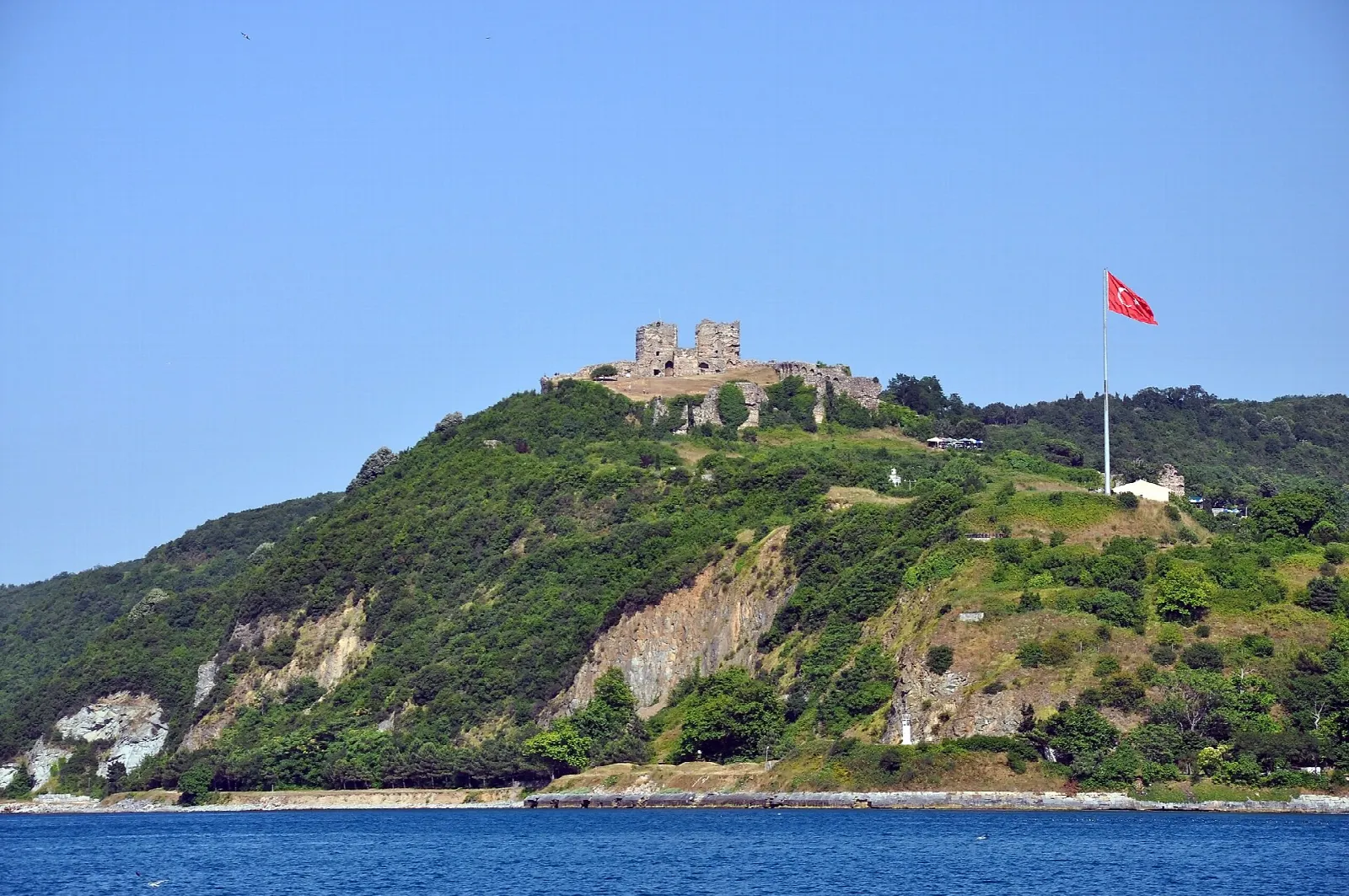
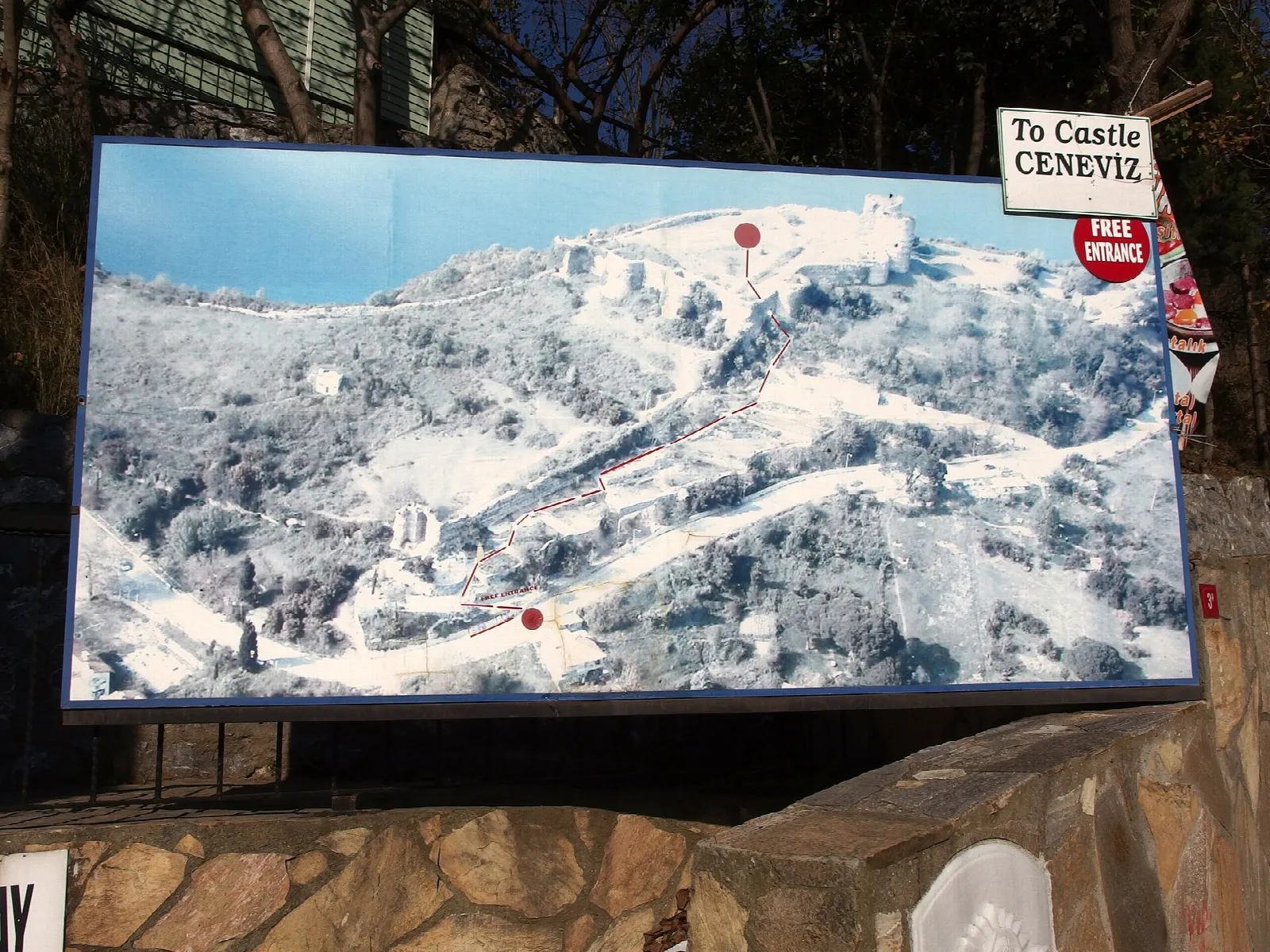
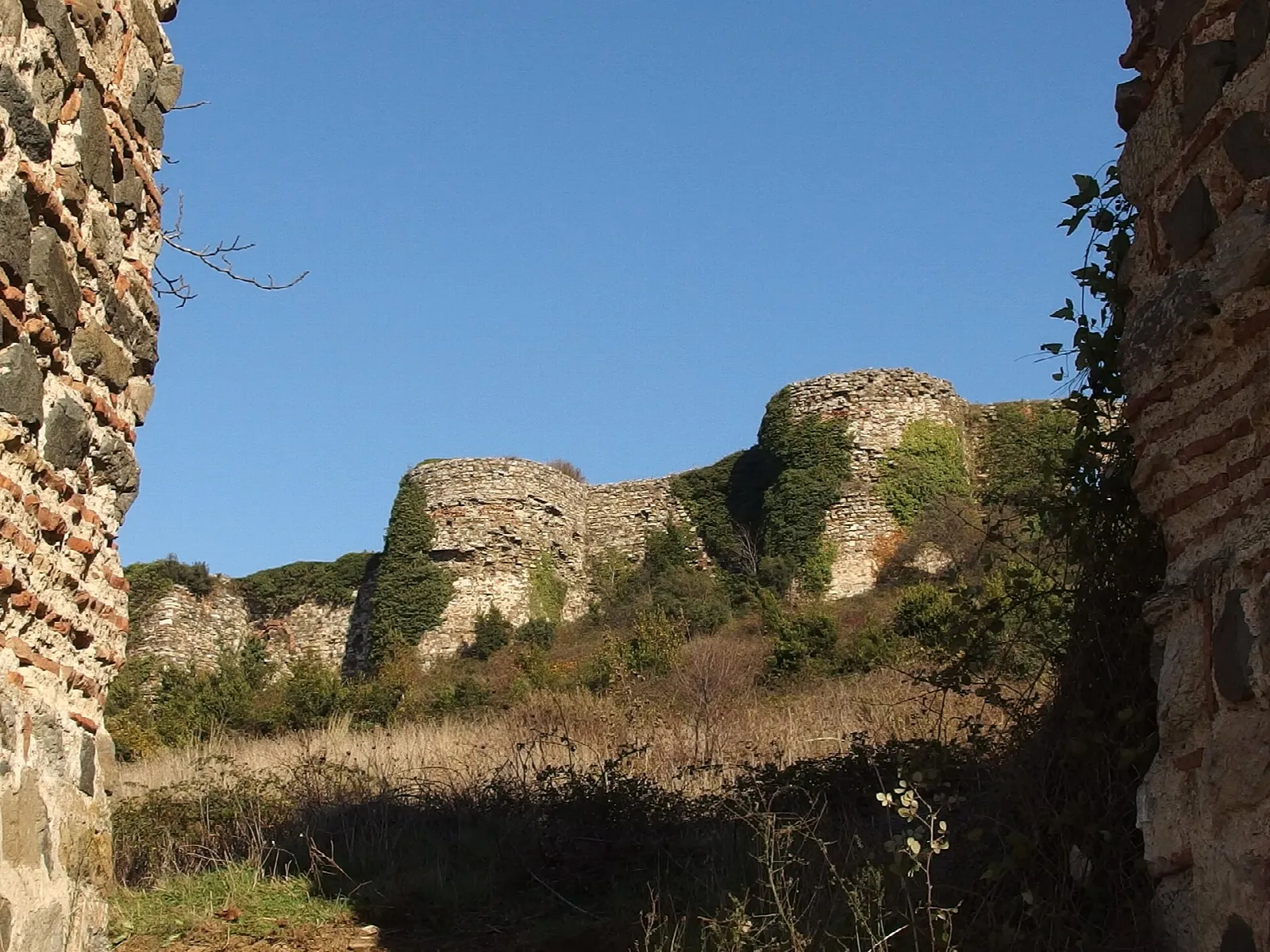
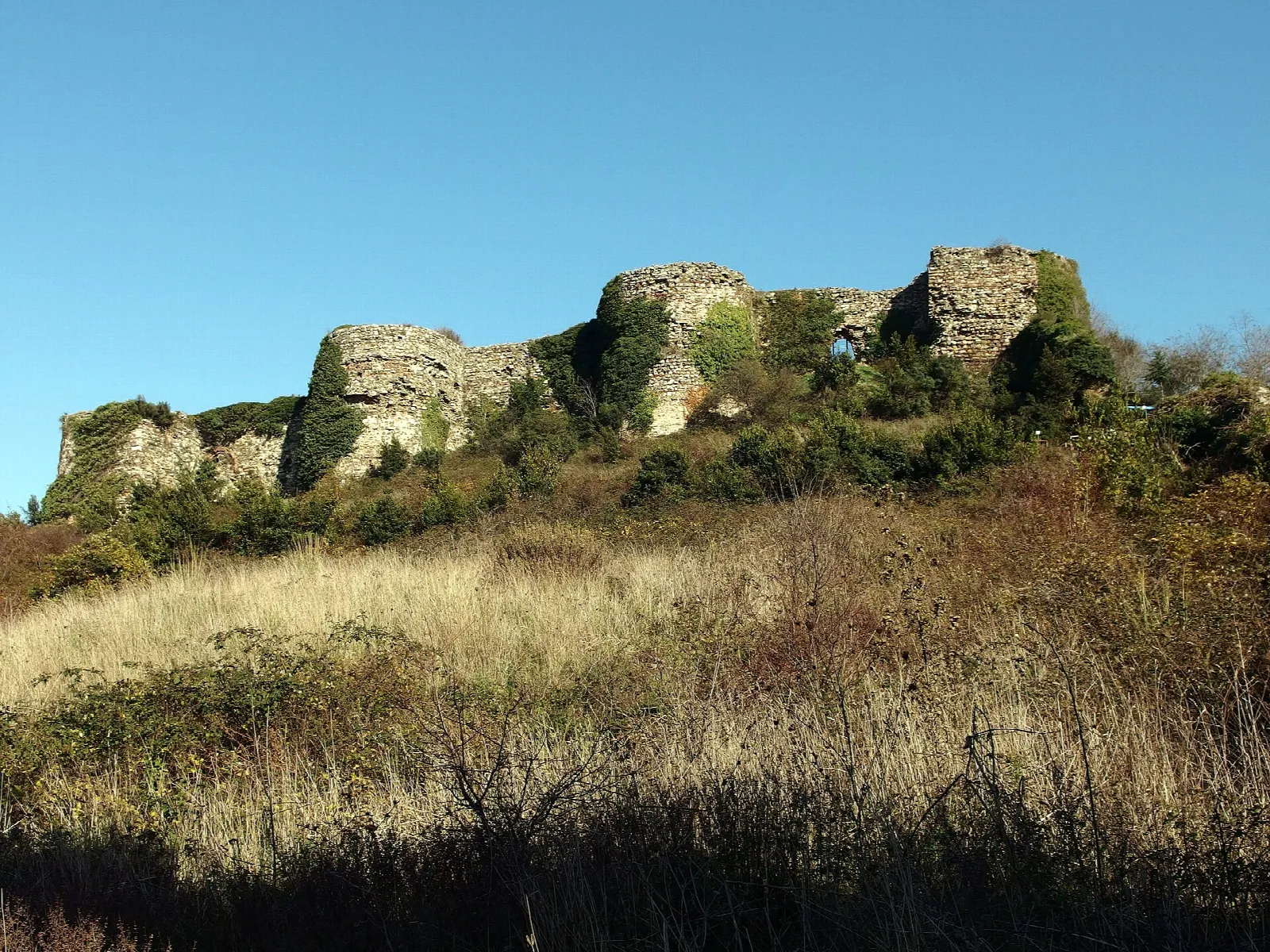
Photos: Moonik, CC BY-SA 3.0 · Mark Ahsmann, CC BY-SA 3.0 — via Wikimedia Commons
Explore Yoros Castle in Istanbul, a Byzantine ruin overlooking the Bosphorus and Black Sea, known as the Genoese Castle.
ℹ️ About Yoros Castle
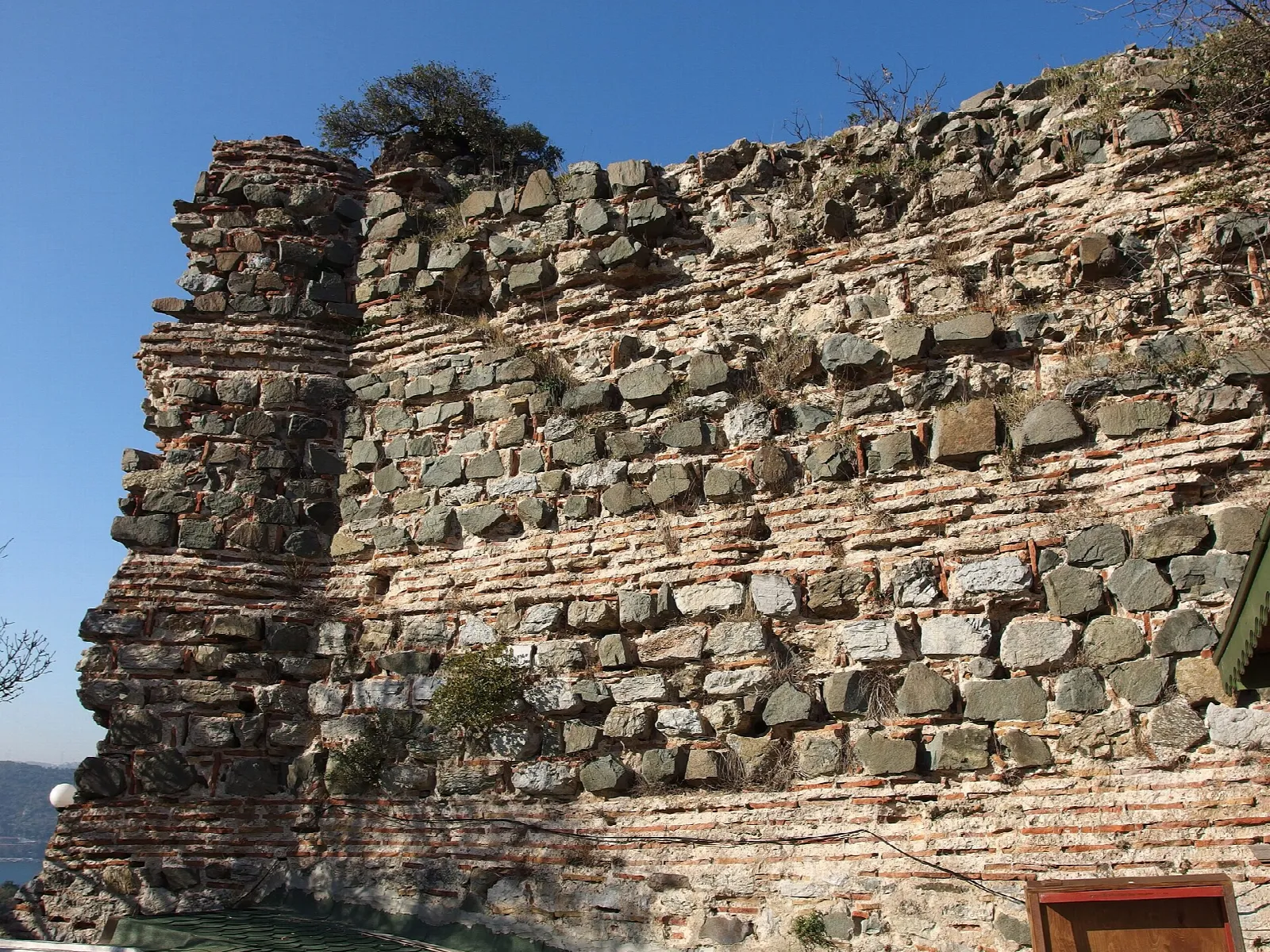
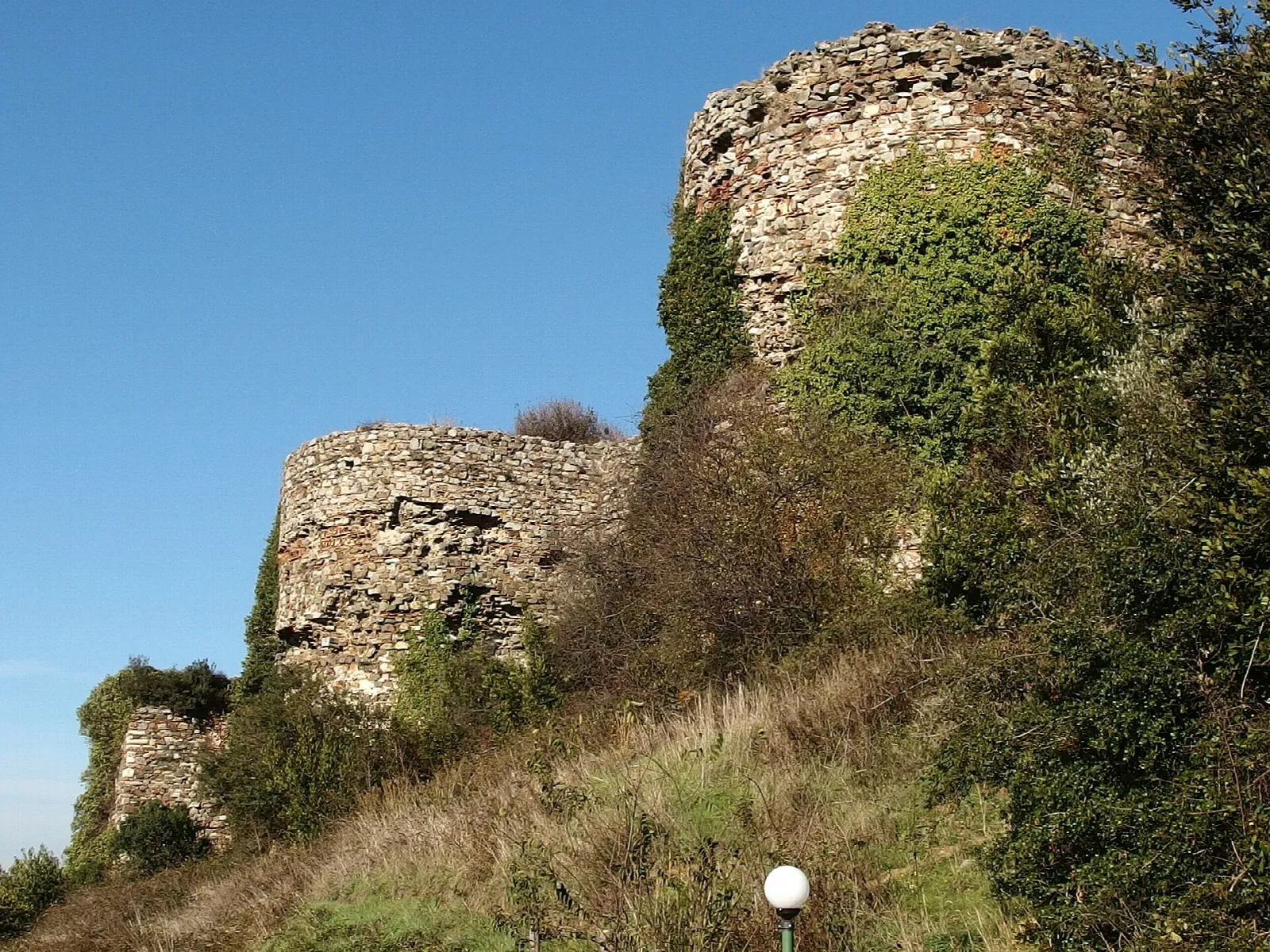
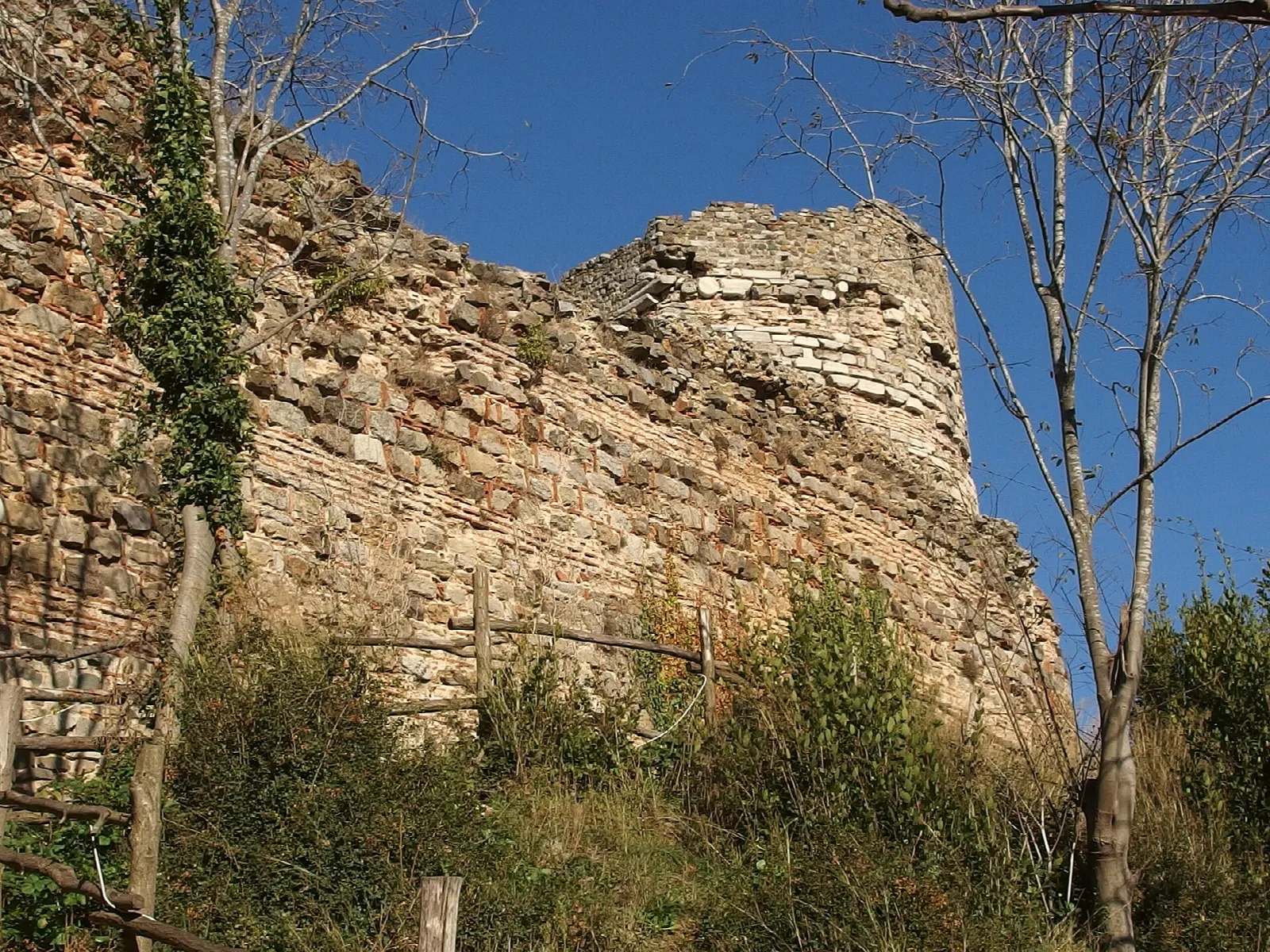
Yoros Castle is a ruined fortress dating back to Byzantine times, located in the Beykoz district of Istanbul, Turkey. It stands on a hill above the confluence of the Bosphorus and the Black Sea, just north of Joshua's Hill. The site is commonly referred to as the Genoese Castle due to Genoa’s possession of it in the mid-15th century.
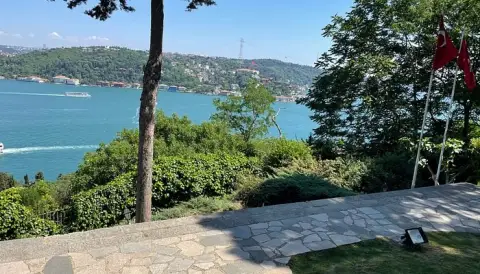
The castle overlooks one of the narrowest stretches of the Bosphorus, with the village of Anadolu Kavağı nearby. On the opposite shore lies Rumeli Kavağı, which formerly held a similar fortification. Since 2016, the Third Bosphorus Bridge has been visible from this strategic vantage point.
Geschichte
The site was originally settled by Phoenicians and Greeks for trading and military purposes, with the Greeks calling the area Hieron. Remains of temples dedicated to Dios, the Altar of the Twelve Gods, and Zeus Ourios from the BCE era have been discovered here. Throughout the Byzantine Empire, the castle was intermittently occupied. Under the Palaiologos dynasty, it was strongly fortified, allowing a massive chain to be extended across the Strait to block enemy warships.
The Byzantines, Genoese, and Ottomans fought over the castle for centuries. Ottoman forces first captured it in 1305, though it was retaken by the Byzantines shortly after. Sultan Bayezid I took the castle in 1391, using it as a base during the construction of Anadolu Hisarı. The Ottomans held the fortress from 1391–1414, losing it to the Genoese in 1414. This forty-year occupation gave the castle its nickname, the Genoese Castle.
After Mehmed II’s conquest of Constantinople in 1453, the Genoese were driven out. Mehmed II refortified the walls and added a customs office, quarantine centre, and check point. Bayezid II later added a mosque within the walls. In 1624, Sultan Murad IV refortified the area to defend against Cossack raids. Under Osman III, the castle was refortified again, and Abdülhamid I added watchtowers in 1783. By the declaration of the Turkish Republic in 1923, the castle was no longer in use.
Was gibt es zu sehen?
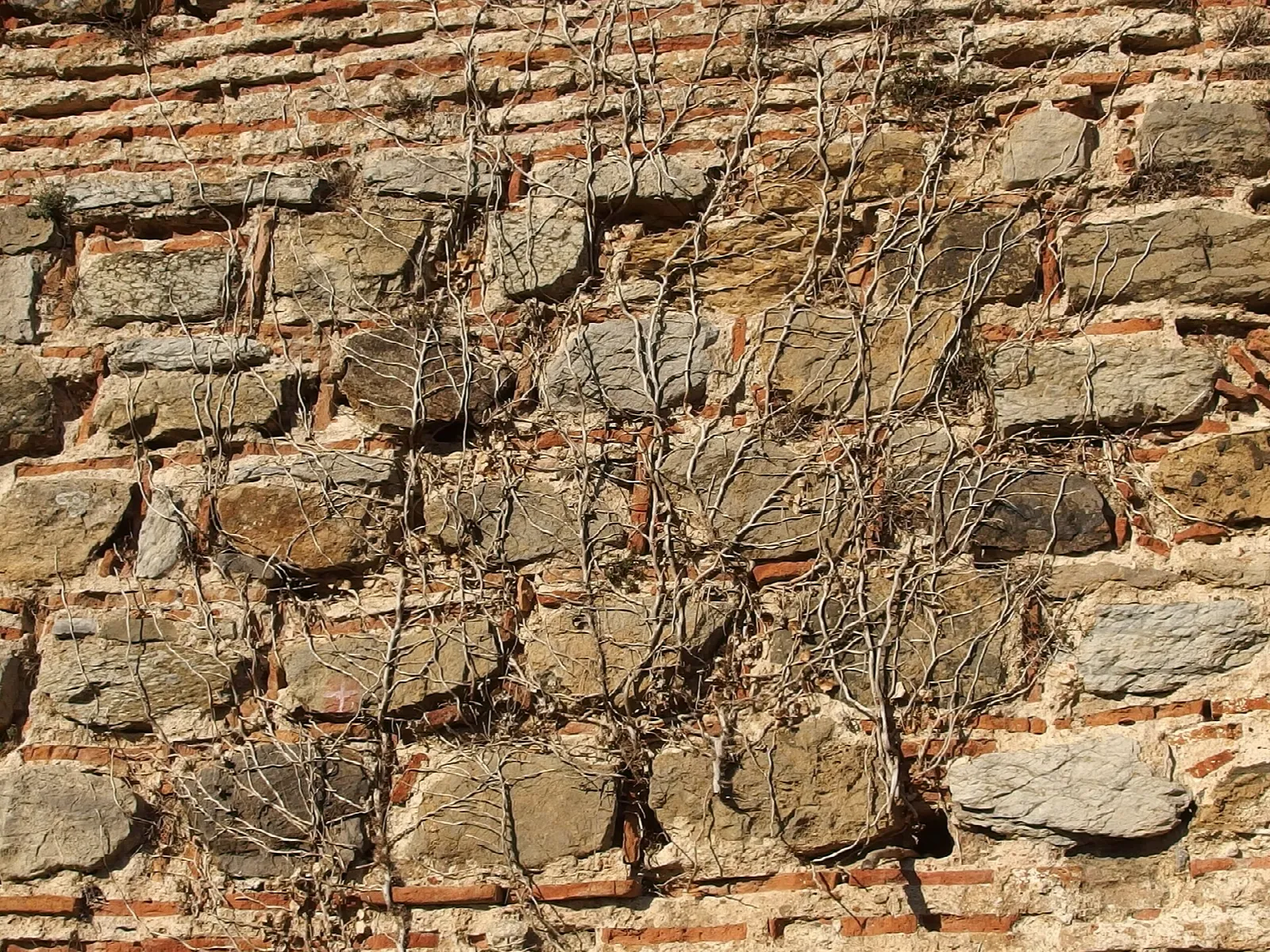
Visitors can explore the ruins of the citadel and its surrounding walls, which still exist today. Although the mosque, most towers, and other structures have been lost, Greek inscriptions remain carved on the walls. These include the symbol of the Palaiologos family, who ruled Byzantium until its fall.
- Ruins of the citadel and surrounding walls
- Greek inscriptions carved on the walls
- The symbol of the Palaiologos family
The castle offers views of the Bosphorus and the Black Sea confluence. The nearby village of Anadolu Kavağı is a popular destination for day trips from Istanbul.
Besuchertipps
Wear comfortable shoes for walking on uneven terrain and bring sun protection. The surroundings of the castle are a military area and closed to visitors, so please respect all posted boundaries. Combine your visit with a trip to the nearby village of Anadolu Kavağı.
Hotels near Yoros Castle
- The Grand Tarabya ★★★★★ 5.3 km
- Limak Eurasia Luxury Hotel ★★★★★ 9,6 km
- Hilton Istanbul Maslak ★★★★★ 9,8 km
- Radisson Collection Hotel, Vadistanbul ★★★★★ 11,9 km
- Domes Village 4,2 km
- Fuat Paşa Oteli 4,5 km
Weitere Museen in Istanbul

Yoros Castle – Frequently Asked Questions
What is Yoros Castle?
Yoros Castle is a ruined fortress dating back to Byzantine times, located in the Beykoz district of Istanbul, Turkey. It stands on a hill above the confluence of the Bosphorus and the Black Sea, just north of Joshua's Hill.
Where is Yoros Castle located?
Yoros Castle is in Beykoz, Istanbul, Turkey.
Do children need a ticket at Yoros Castle?
Children aged 0–6 enter Yoros Castle free of charge. Visitors aged 7 and over need a full ticket.
Welche anderen Museen kann ich in Istanbul besuchen?
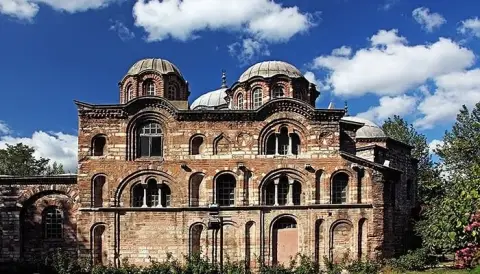
Weitere Museen in Istanbul sind das Asiyan-Museum, das Luftfahrtmuseum und das Fethiye Muzesi (Pammakaristos-Kirche).