Kanuni Sultan Suleiman bridge
Photos: CeeGee, CC BY-SA 4.0 · Rawpixel, CC BY-SA 4.0 · Luigi Mayer, Public domain · Nadiraltinbas, CC BY-SA 4.0 · Tonilupe, CC BY-SA 3.0 · BoraBora704, CC BY-SA 4.0 · Arne Müseler, CC BY-SA 3.0 de — via Wikimedia Commons
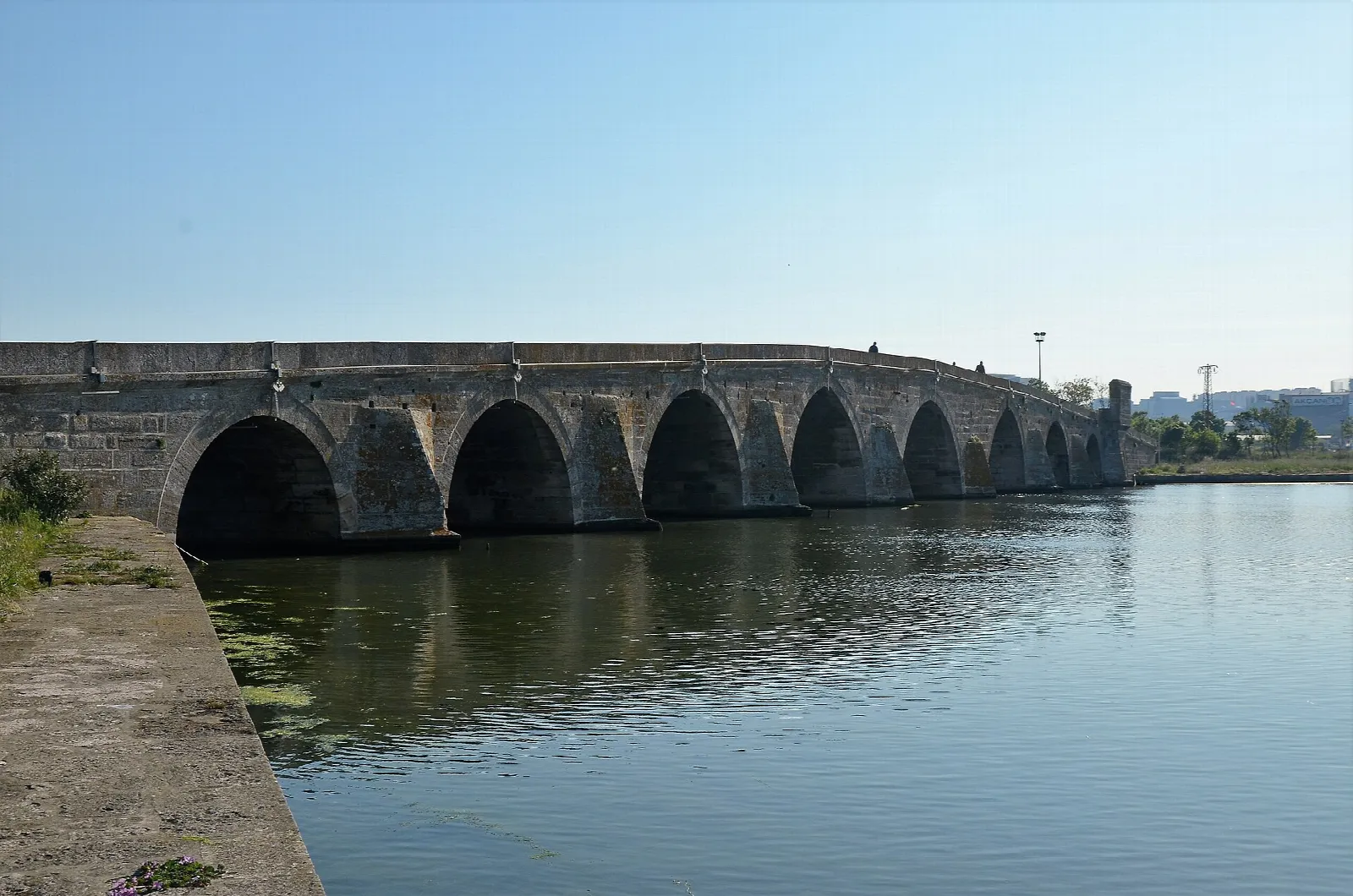
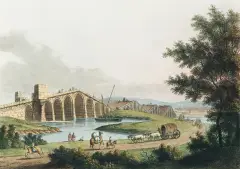
Visit the Kanuni Sultan Suleiman bridge in Büyükçekmece, Istanbul, a stone arch bridge by Mimar Sinan with 28 spans.
ℹ️ About Kanuni Sultan Suleiman bridge
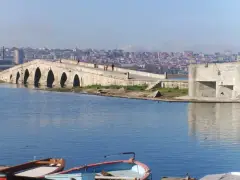
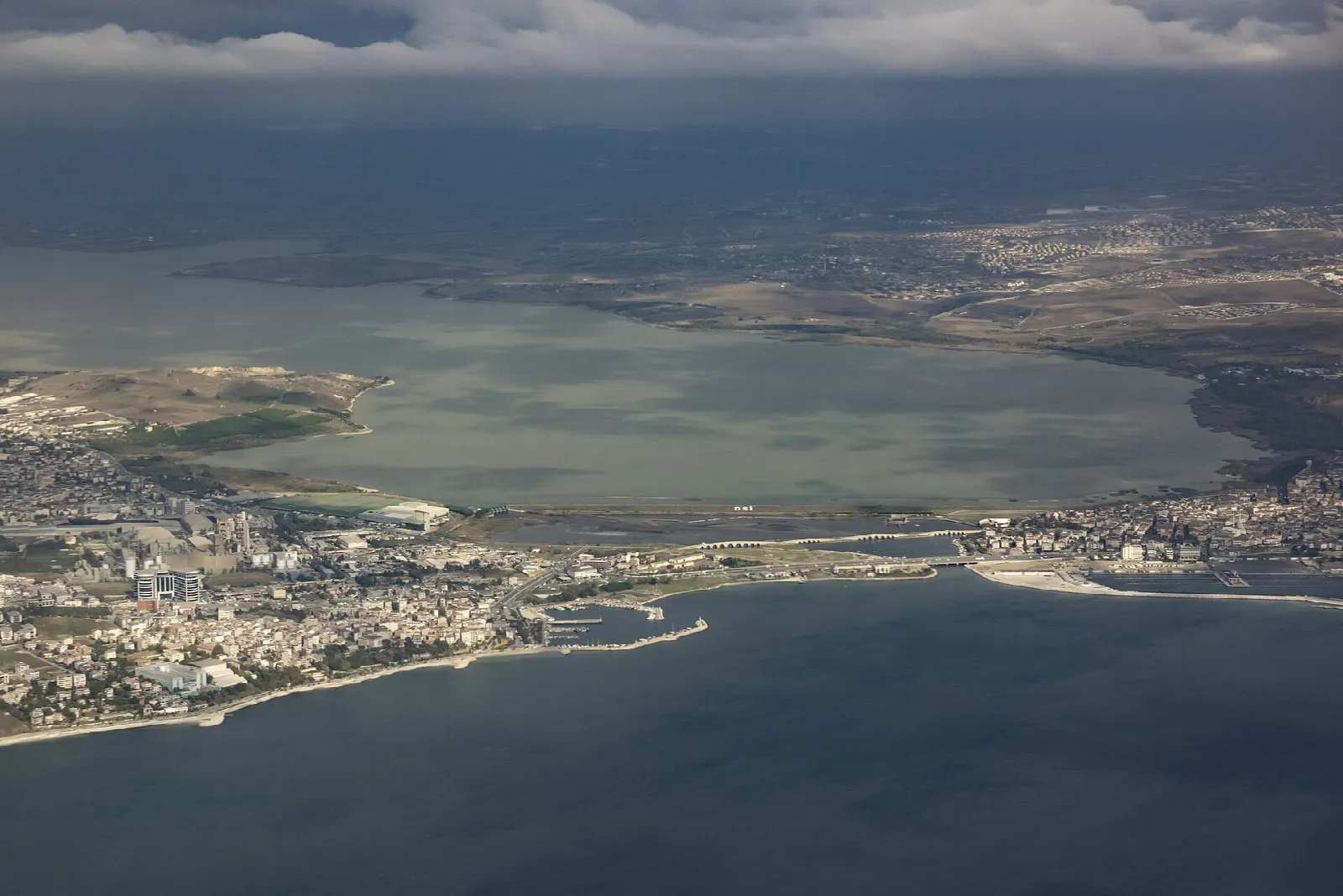
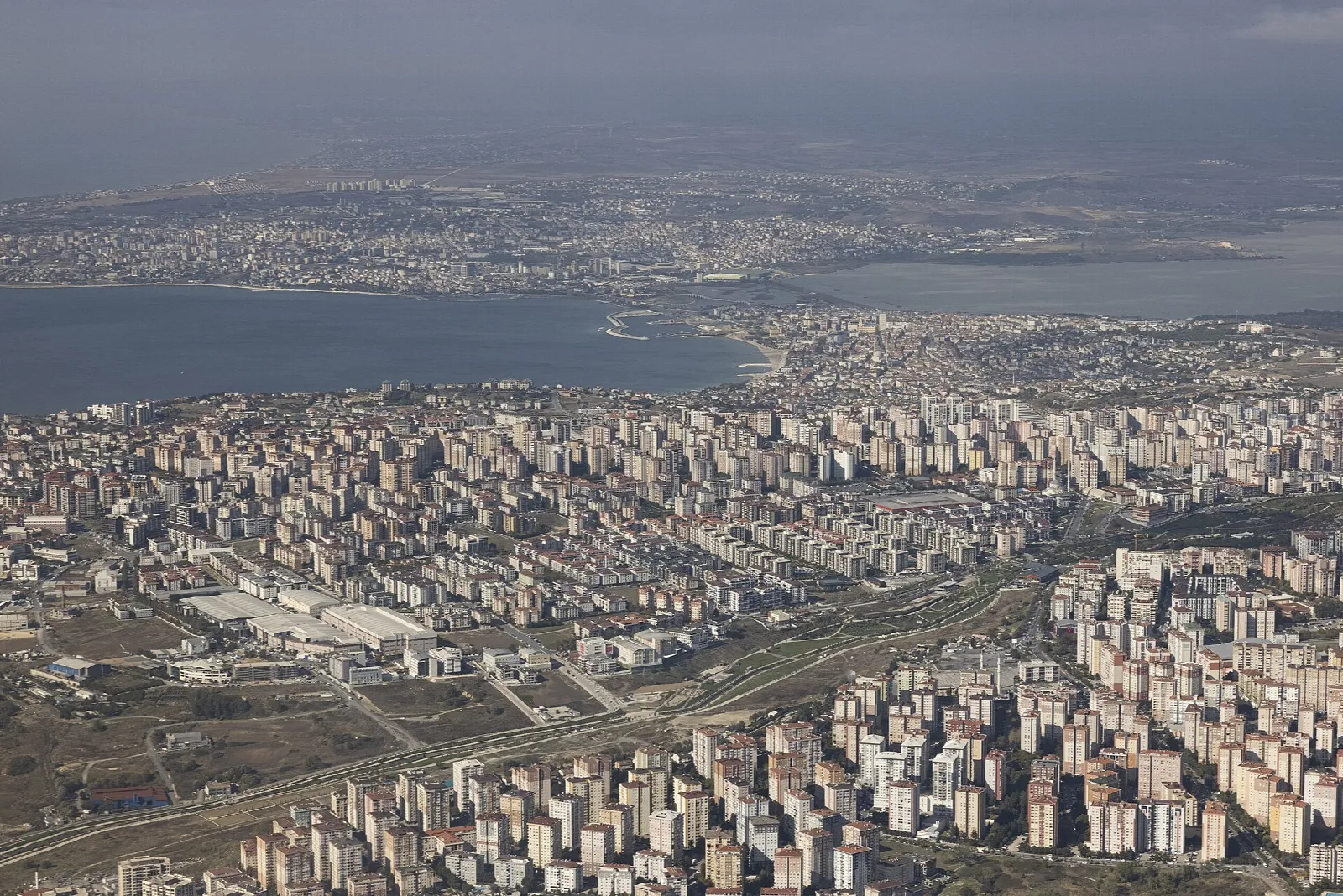
Kanuni Sultan Suleiman bridge, also known as Büyükçekmece Bridge, is a stone arch bridge in Büyükçekmece, 36 km west of the center of Istanbul, Turkey, on the European side of the Bosphorus. It crosses the mouth of the large but shallow inlet known as Lake Büyükçekmece, where the lake meets the Marmara Sea.
Built during the Ottoman period by chief architect Mimar Sinan, the bridge lies on the historic trade road connecting Istanbul to Europe, between Büyükçekmece and Mimarsinan Mahallesi. It is a historic structure promoted for its symbolic and historic resonances, and it remains the symbol of the district.
Geschichte
The bridge was built during the Ottoman period by chief architect Mimar Sinan (c. 1488/1490–1588). According to Turkish sources, Sultan Suleiman the Magnificent (1520–1566) ordered its construction when his army struggled to cross the point where Lake Büyükçekmece meets the sea on rafts during the Zigetvar Campaign. Because the sultan died during the Siege of Zigetvar, the bridge was completed in 1567 under his son, Selim II.
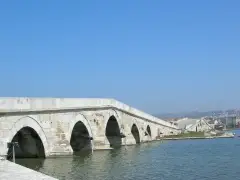
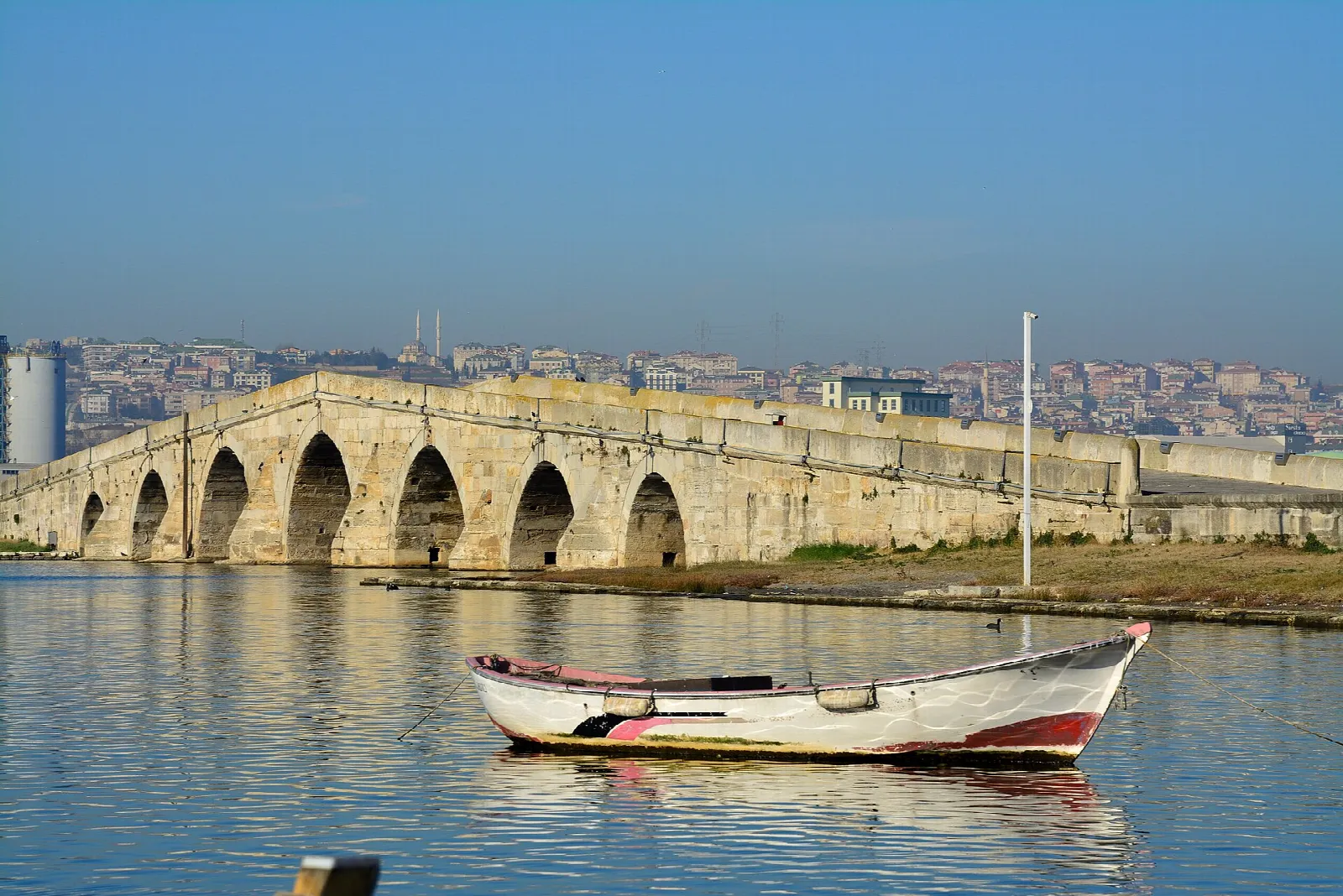
Construction started in 1566 and the bridge opened in 1567. During construction, it is reported that the water was pumped out of Lake Büyükçekmece and 40,000 m³ of stones were set in place. The bridge comprises 28 spans and is divided into four sections by the presence of three shallow islets along its length.
Mimar Sinan is quoted as saying of this bridge, “Among my works, it is my masterpiece.” Between 1986 and 1989 it was restored at considerable cost. Its role as a communications artery serving large volumes of traffic has been taken over by a wide modern road bridge on its seaward side.
Was gibt es zu sehen?
Visitors see a sixteenth-century stone arch bridge with 28 spans, divided into four sections by three shallow islets along its length. At the middle of the bridge, a white marble inscription written in Arabic by Karahisarî Hasan Çelebi records a chronogram in the name of Sultan Selim, son of Sultan Suleiman Han.
In the touristic area at the entrance of the bridge, visitors can also see the Sokullu Mehmet Paşa Mosque, the Kurşunlu Han and the Kanuni Sultan Suleyman Fountain.
Besuchertipps
Wear comfortable shoes for walking the stone bridge and its surroundings, and use sun protection as the bridge is exposed. When visiting the mosque at the bridge entrance, dress modestly. The bridge can be combined with nearby sights such as the Sokullu Mehmet Paşa Mosque, the Kurşunlu Han and the Kanuni Sultan Suleyman Fountain.
Hotels near Kanuni Sultan Suleiman bridge
- Tüyap Palas ★★★★★ 4,6 km
- Kaya İstanbul Fair & Convention Otel ★★★★★ 4,7 km
- Euro Park Otel istanbul ★★★★★ 6,1 km
- Gardan Hotel Beylikdüzü ★★★★ 7,4 km
- Otel Pelikan 0,7 km
- Kıyı Butik Otel 1,1 km
Weitere Museen in Istanbul
Kanuni Sultan Suleiman bridge – Frequently Asked Questions
What is Kanuni Sultan Suleiman bridge?
Kanuni Sultan Suleiman bridge, also known as Büyükçekmece Bridge, is a stone arch bridge in Büyükçekmece, 36 km west of the center of Istanbul, Turkey, on the European side of the Bosphorus.
Where is Kanuni Sultan Suleiman bridge located?
Kanuni Sultan Suleiman bridge is in Büyükçekmece, Istanbul, Turkey.
Do children need a ticket at Kanuni Sultan Suleiman bridge?
Children aged 0–6 enter Kanuni Sultan Suleiman bridge free of charge. Visitors aged 7 and over need a full ticket.
Welche anderen Museen kann ich in Istanbul besuchen?
Weitere Museen in Istanbul sind das Asiyan-Museum, das Luftfahrtmuseum und das Fethiye Muzesi (Pammakaristos-Kirche).