Kalenderhane Mosque
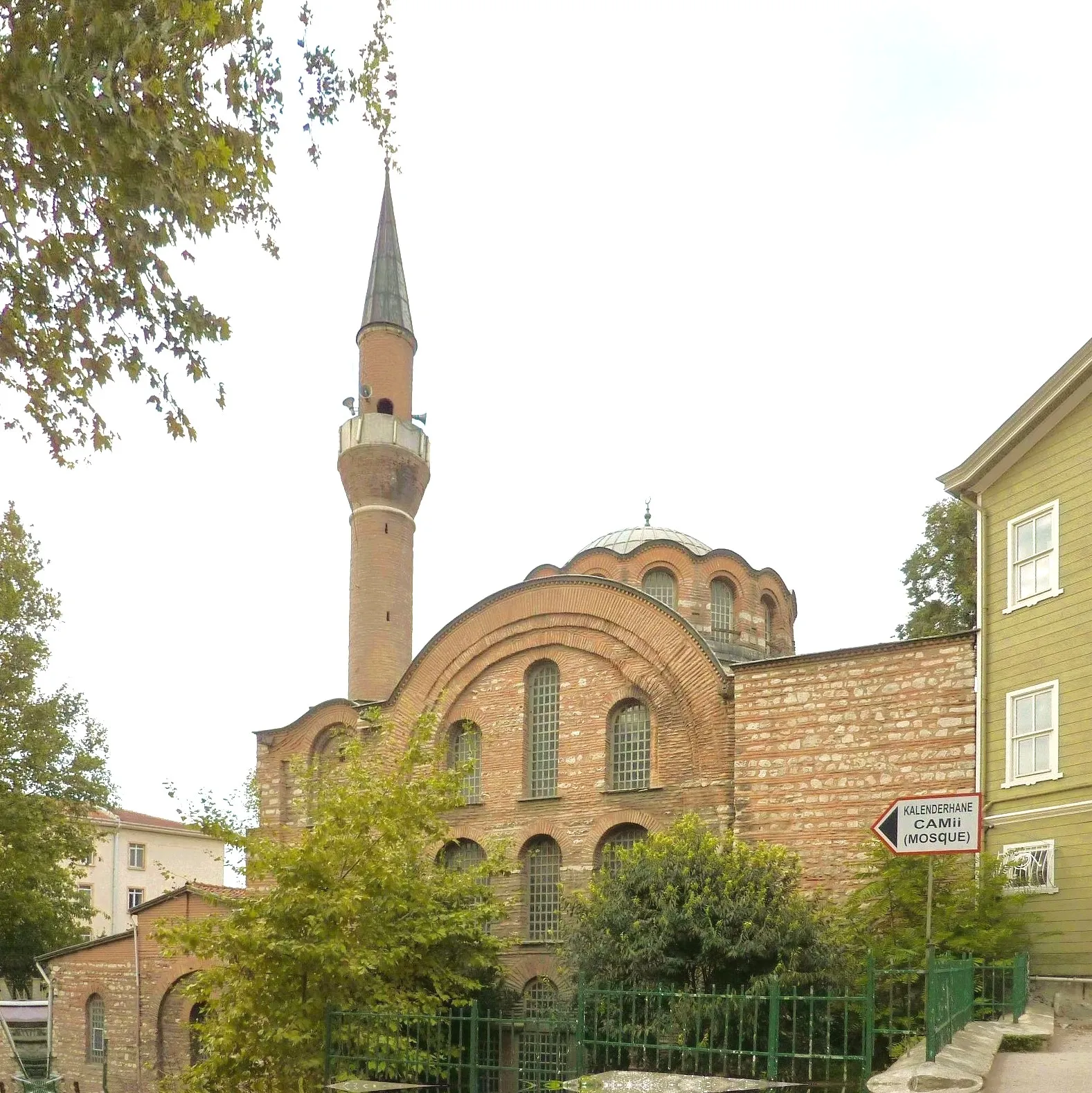
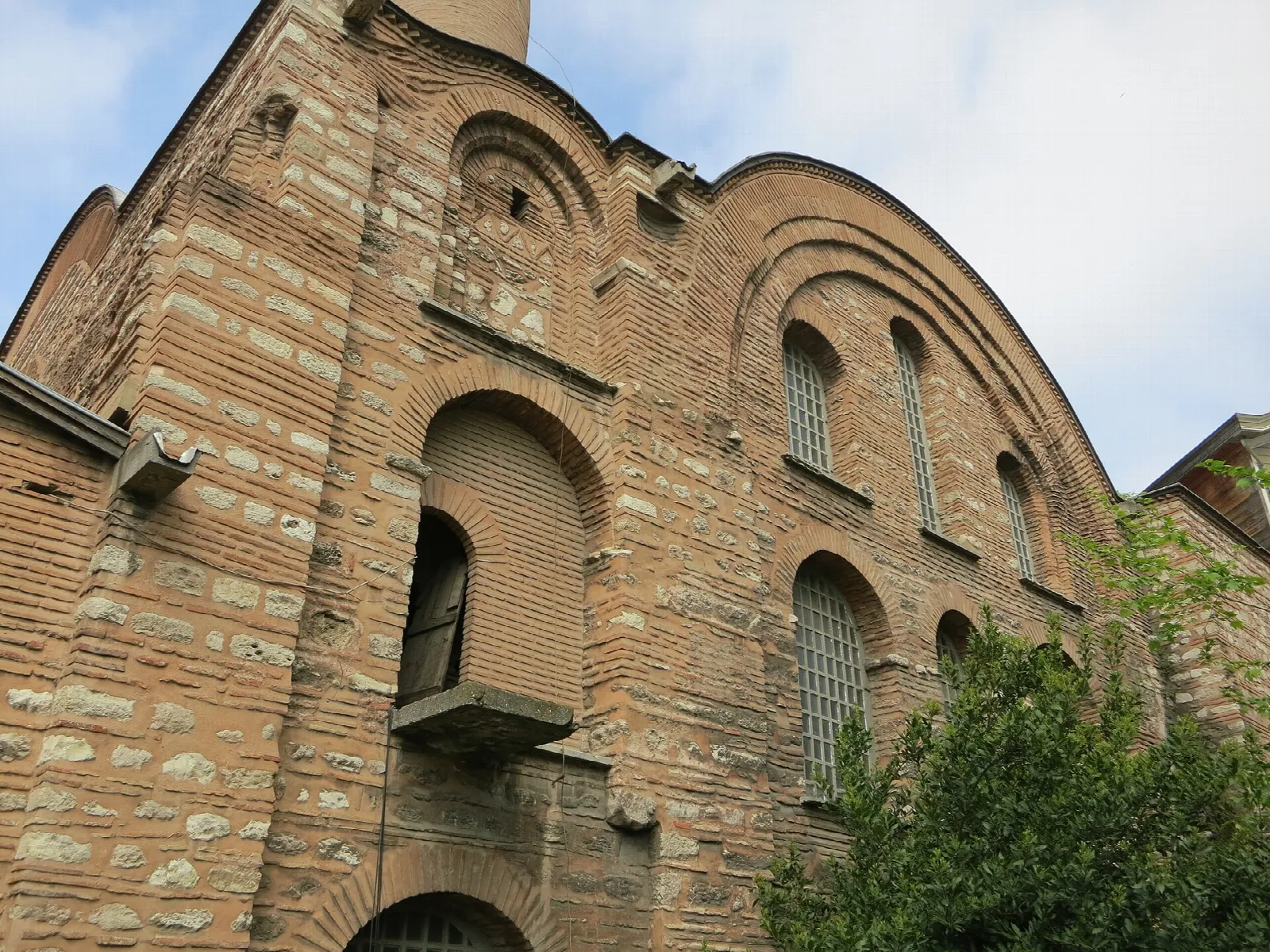
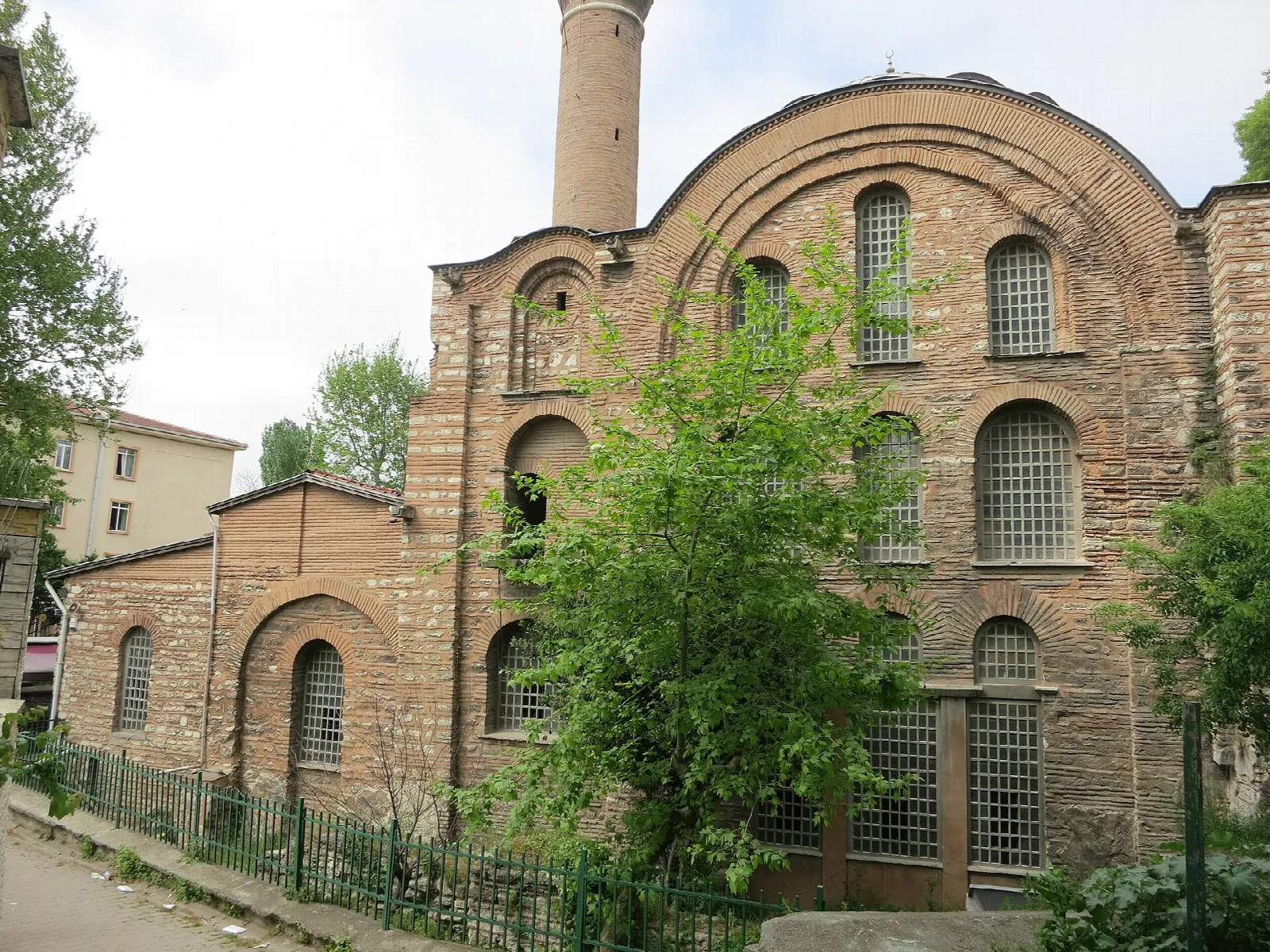
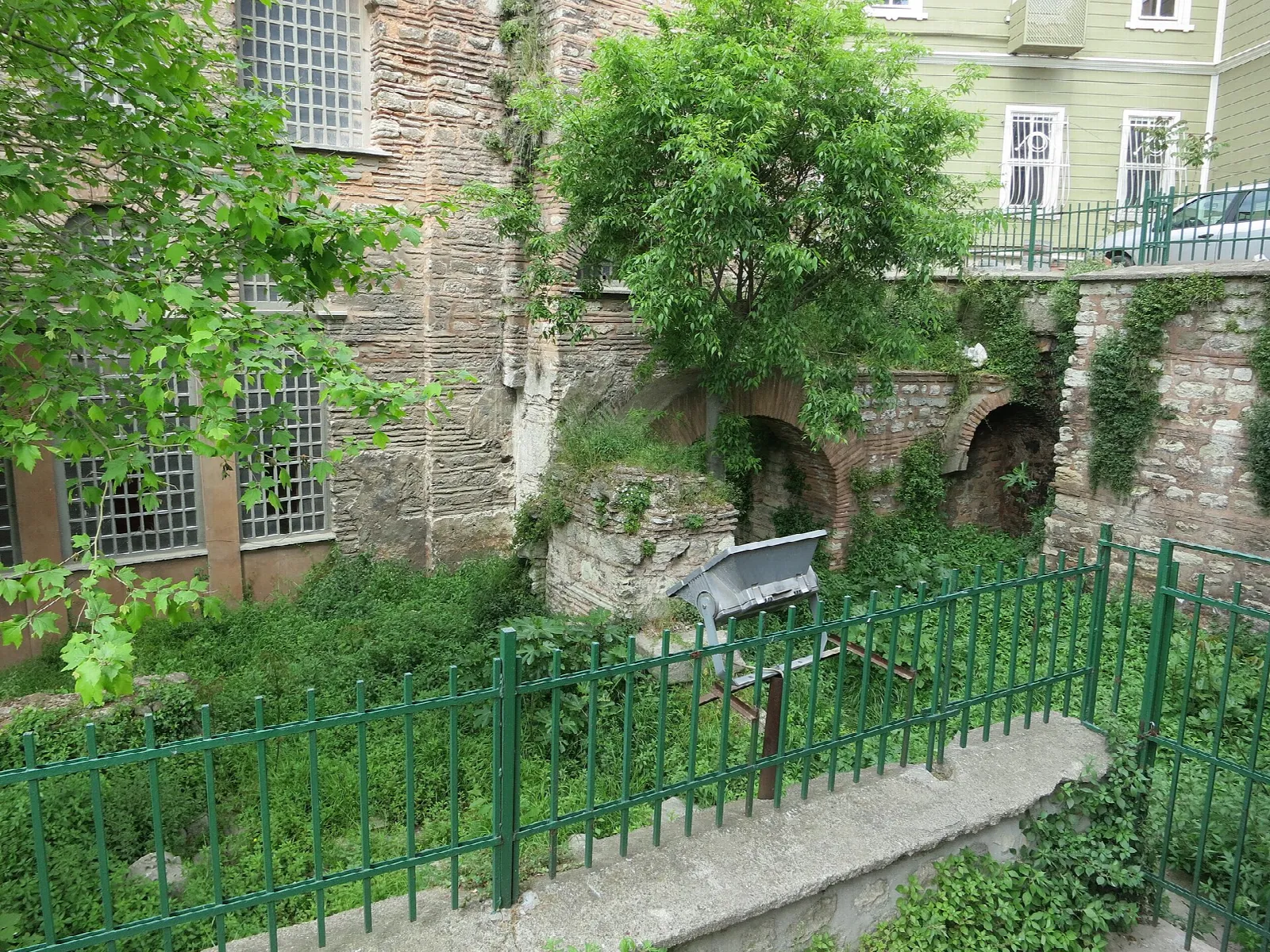
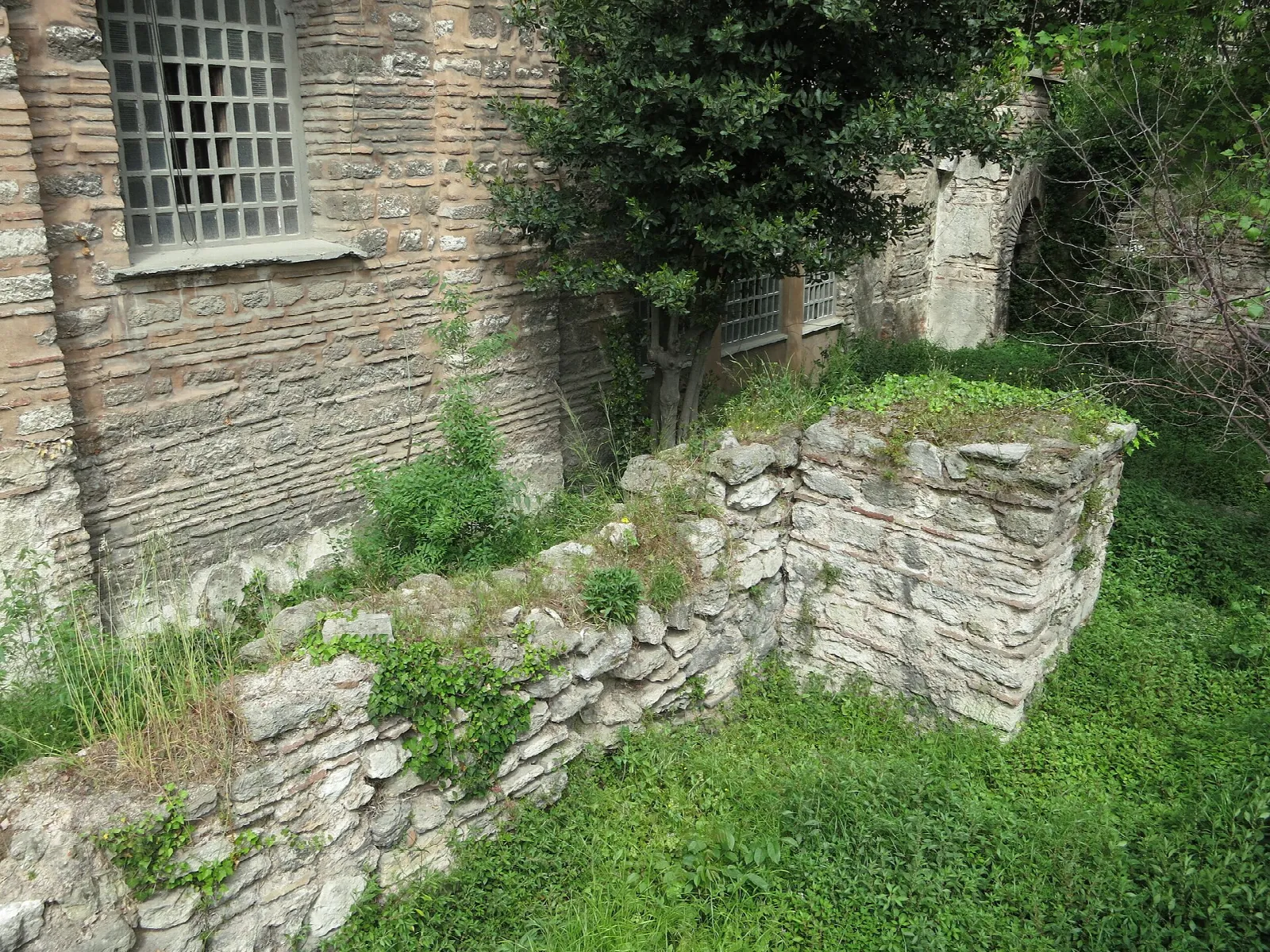
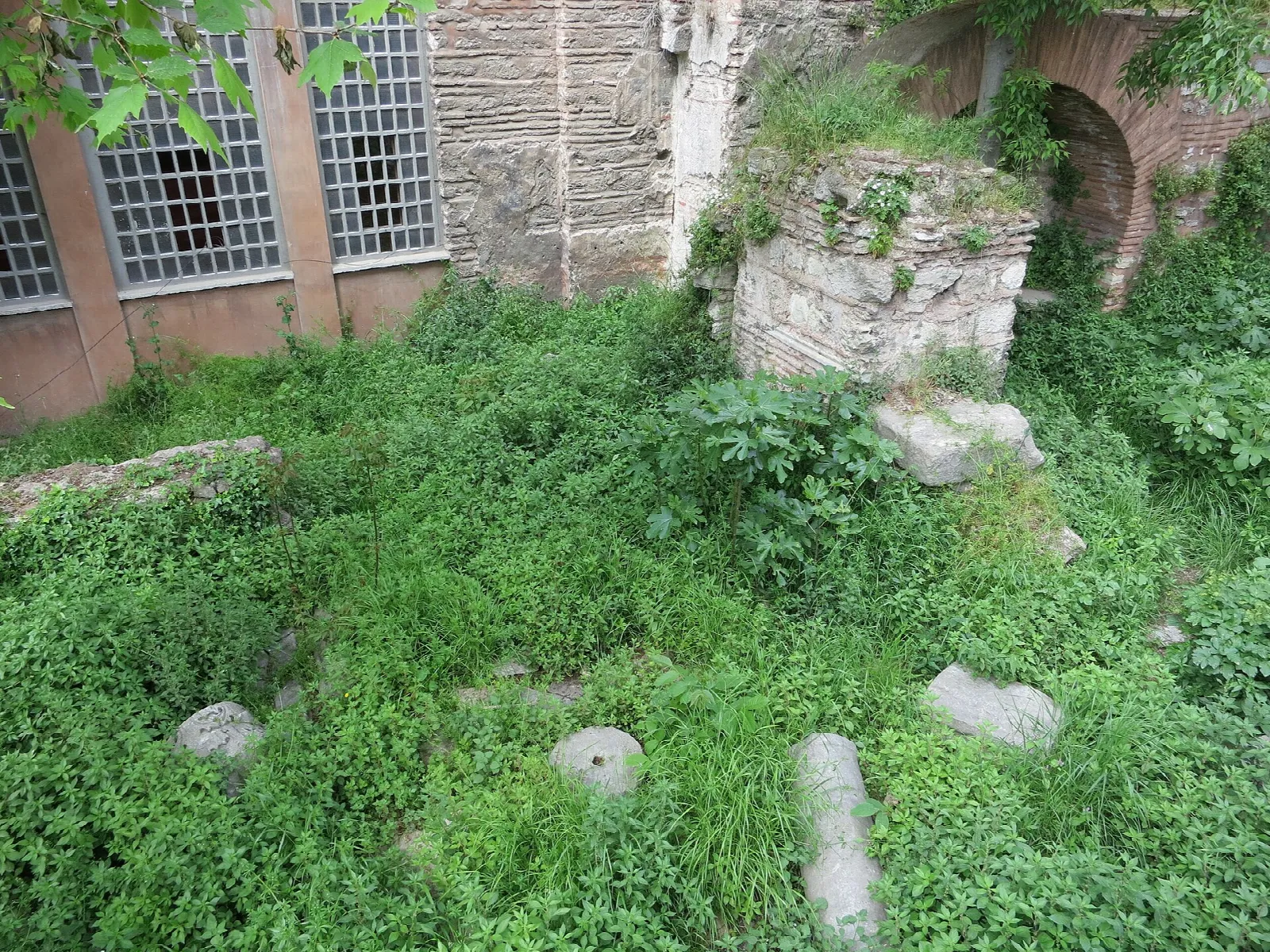
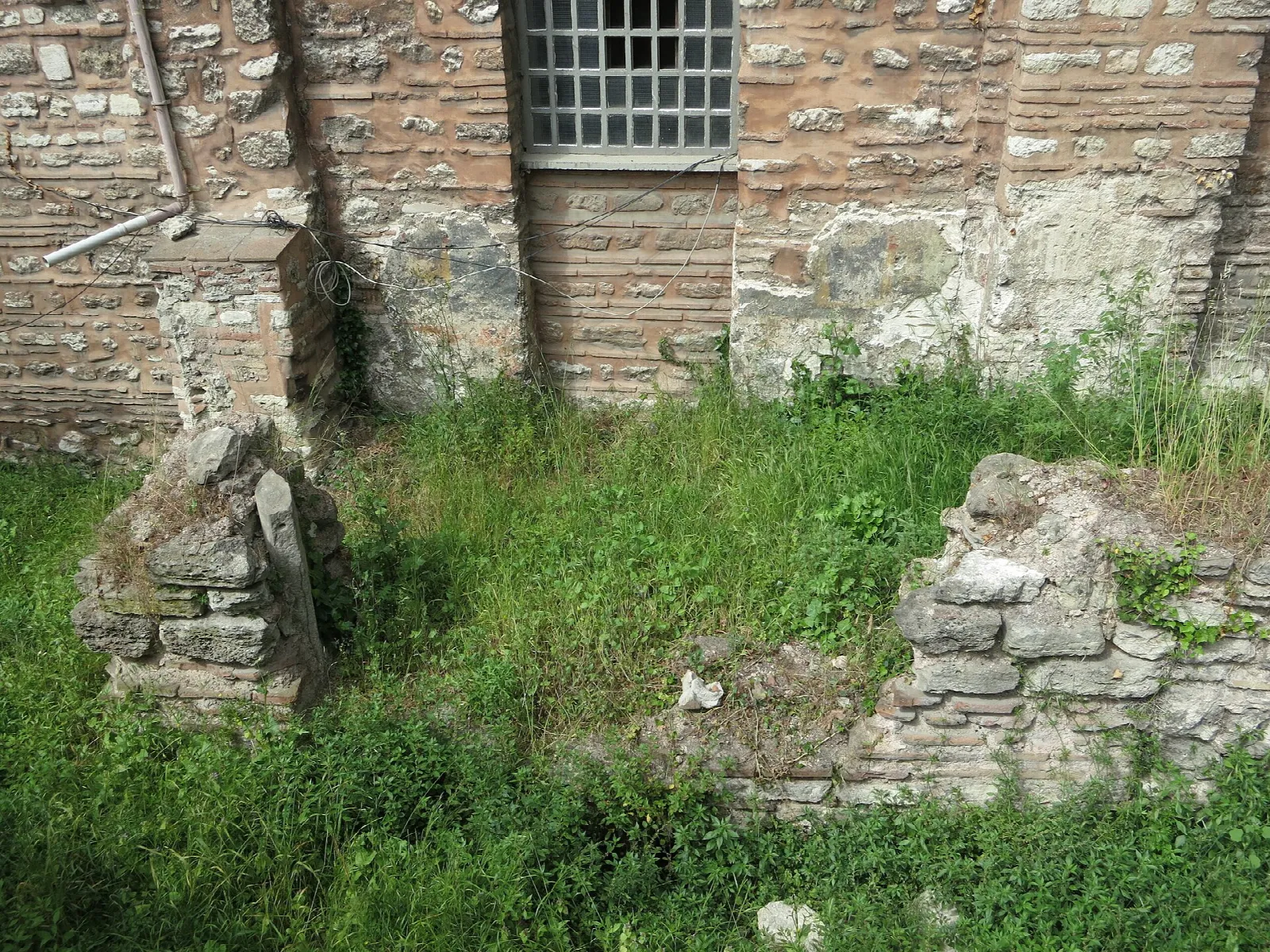
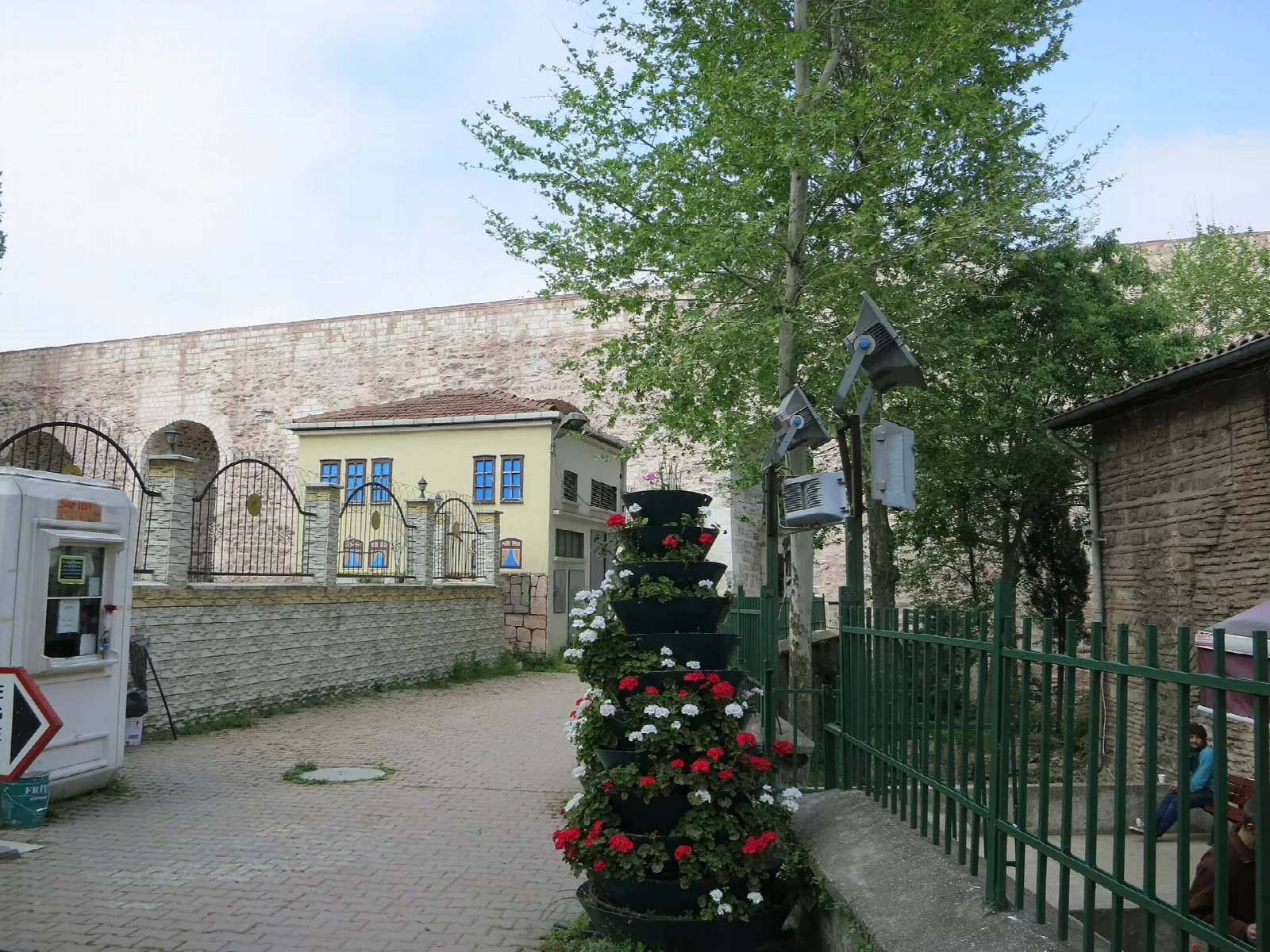
Photos: Chris06, CC BY-SA 4.0 · Brad Hostetler, CC BY 2.0 — via Wikimedia Commons
Discover Kalenderhane Mosque in Istanbul, a former Byzantine church converted into a mosque, featuring a unique domed Greek cross plan and rich Ottoman history.
ℹ️ About Kalenderhane Mosque
Kalenderhane Mosque is a historic structure in Istanbul, Türkiye, originally built as an Eastern Orthodox church before its conversion by the Ottomans. The building stands as one of the few remaining examples of a Byzantine church featuring a domed Greek cross plan. It is situated in the Fatih district, within the Vefa neighborhood, located just south of the Aqueduct of Valens and near the Vefa Kilise Mosque.
With high probability, the church was originally dedicated to the Theotokos Kyriotissa. The site has a layered history, beginning with a Roman bath and evolving through various ecclesiastical phases. Today, it serves as a mosque, retaining significant architectural elements from its Byzantine and Ottoman past, offering visitors a glimpse into the city's complex religious and cultural heritage.
Geschichte
The site's history begins with a Roman bath, followed by a sixth-century hall church. A larger church was likely built in the seventh century, and the current structure dates to the late twelfth century during the Comnenian period. Following the Latin conquest of Constantinople, Crusaders used the building as a Roman Catholic church, with Franciscan clergy officiating there.
After the Ottoman conquest in 1453, Mehmed II assigned the building to the Kalenderi sect of the Dervishes, who used it as a zaviye and public kitchen, giving it the name Kalenderhane. In 1746, Hacı Beşir Ağa added a mihrab, minbar, and mahfil, completing its conversion into a mosque. The structure suffered damage from fires and earthquakes, leading to restorations in 1855 and between 1880 and 1890.
The mosque was abandoned in the 1930s after a lightning strike collapsed the minaret. Extensive conservation efforts in the 1970s by Cecil L. Striker and Doğan Kuban restored the building to its twelfth-century condition, rebuilding the minaret and mihrab to allow for worship. These works also confirmed the church's probable dedication to the Theotokos Kyriotissa through fresco discoveries.
Was gibt es zu sehen?
Visitors observe a central Greek Cross plan with deep barrel vaults and a dome featuring sixteen ribs. The structure displays typical middle Byzantine brickwork with alternating layers of brick and stone. The interior retains colored marble panels, moldings, and icon frames. Two small chapels, the prothesis and diakonikon, have survived from the Byzantine period.
Key architectural features include:
- The reconstructed mihrab and minbar, positioned to align with Mecca.
- The tall triple arches connecting the former aisles with the nave, now serving as lower windows.
- The entry via an esonarthex and a later-added exonarthex on the west side.
Besuchertipps
Wear comfortable shoes as the area involves walking on uneven historic surfaces. Since this is an active place of worship, visitors should dress modestly, covering shoulders and knees. The site is located near the Aqueduct of Valens and Vefa Kilise Mosque, making it easy to combine with nearby historical sights in the Fatih district.
Hotels near Kalenderhane Mosque
- Crowne Plaza Istanbul ★★★★★ 0,4 km
- Dosso Dossi Hotels Laleli ★★★★★ 0,6 km
- Demiray Hotel ★★★★★ 1,0 km
- Legacy Ottoman Hotel ★★★★★ 1,2 km
- Sura Hagia Sophia Hotel ★★★★★ 1,4 km
- Eresin Hotel Sultanahmet ★★★★★ 1,6 km
Weitere Museen in Istanbul
Kalenderhane Mosque – Frequently Asked Questions
What is Kalenderhane Mosque?
Kalenderhane Mosque is a historic structure in Istanbul, Türkiye, originally built as an Eastern Orthodox church before its conversion by the Ottomans.
Where is Kalenderhane Mosque located?
Kalenderhane Mosque is in Fatih, Istanbul, Turkey.
Welche anderen Museen kann ich in Istanbul besuchen?
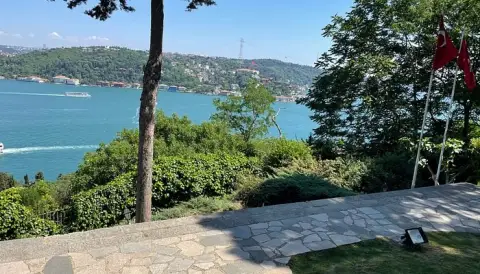
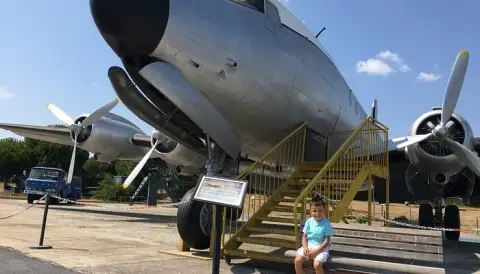
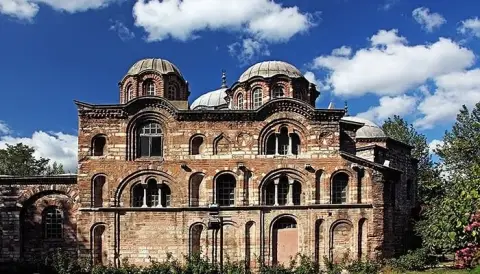
Weitere Museen in Istanbul sind das Asiyan-Museum, das Luftfahrtmuseum und das Fethiye Muzesi (Pammakaristos-Kirche).