Selge, Antalya
📍 Manavgat, Antalya, Türkei
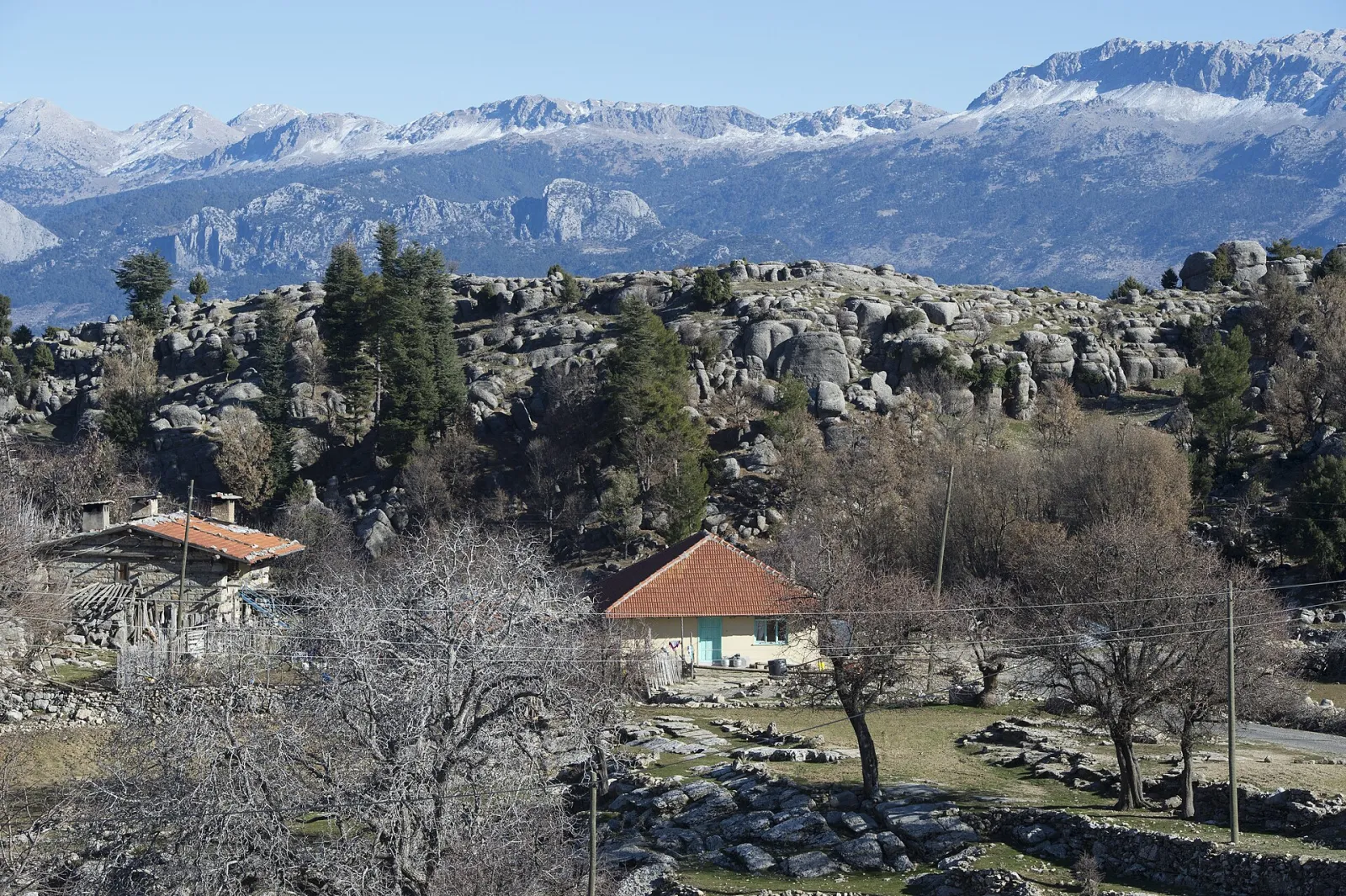
Selge is an ancient Pisidian city perched high in the Taurus Mountains near Köprülü Canyon. Travellers visit to explore its remarkably preserved theatre and ruins, enjoying panoramic views while combining history with outdoor activities in this scenic national park.


Fotos via Wikimedia Commons: Dosseman (CC BY-SA 4.0) · Dosseman (CC BY-SA 4.0) · Dosseman (CC BY-SA 4.0) · Volker Höhfeld (CC BY-SA 4.0) · Dosseman (CC BY-SA 4.0)
History of Selge
Selge was a prominent city in ancient Pisidia, later incorporated into Pamphylia, situated on the southern slopes of the Taurus Mountains. Ancient sources, including Strabo and Stephanus of Byzantium, describe it as a colony founded by Spartans, with the acropolis bearing the name Kesbedion. The city’s strategic location surrounded by precipices and torrents made it difficult to access, contributing to its formidable reputation. The fertile district produced abundant oil and wine, while the surrounding forests provided valuable timber and storax trees for perfume.
Due to its excellent laws and political constitution, Selge rose to become the most powerful and populous city in Pisidia. At its peak, the city could field an army of twenty thousand men. The valour of its inhabitants earned them a reputation as worthy kinsmen of the Spartans. Consequently, the Selgians remained independent, never subject to foreign power, and enjoyed their freedom throughout much of antiquity.
In 333 BC, when Alexander the Great passed through Pisidia, Selge sent an embassy that secured his favour and friendship. The city was often at war with neighbours such as Termessos and Pednelissus. In 218 BC, Achaeus, master of Western Asia, besieged Selge after being invited by Pednelissus. The Selgians, betrayed and despairing of resistance, sued for peace, agreeing to pay substantial sums in talents and restore prisoners to secure their survival.
Although Pliny did not mention Selge, coin evidence confirms it remained a flourishing town during the reign of Hadrian. By the fifth century AD, Zosimus described it as a small but strong town capable of repelling Gothic attacks. Selge served as a bishopric in the Roman province of Pamphylia Prima, with documented bishops from the fourth century until the Islamic conquest. Today, it survives as a titular see in the Catholic Church, preserving its ecclesiastical legacy alongside its archaeological remains.
Things to Do in Selge
The primary attraction at Selge is the antiken Theaters, which is the best-preserved monument on the site. Largely Roman in its present form, the structure offers a clear view of the tiered seating and stage area, set against a dramatic mountain backdrop. Visitors can walk through the stone seats to imagine the scale of performances held here in antiquity, while enjoying the cool mountain air and expansive views over the Köprülü Canyon valley.
Exploring the city walls and acropolis provides insight into Selge’s defensive capabilities. The encircling walls and remnants of the acropolis, known as Kesbedion, highlight the city’s strategic positioning. Nearby, travellers can find traces of the stadium, gymnasium, and agora, as well as the outlines of two temples. These ruins are interspersed with the houses of the modern village of Altınkaya, creating a unique blend of ancient history and contemporary rural life.
Selge is frequently visited as part of a Köprülü Canyon tour. Many excursions combine a visit to the ruins with rafting on the Köprüçay River or jeep safaris through the national park. The journey to Selge typically involves a steep uphill drive from the canyon floor, passing the well-preserved Roman Oluk Bridge, which spans the deep Eurymedon valley and serves as a significant historical landmark in its own right.
Top Sights in Selge
The Ancient Theatre
The best-preserved monument at Selge, largely Roman in its present form, offering panoramic views of the Taurus Mountains.
City Walls and Acropolis
Remnants of the encircling walls and the acropolis, known as Kesbedion, showcasing the city's formidable defensive structure.
Roman Oluk Bridge
A well-preserved Roman bridge crossing the Eurymedon valley, at the bottom of the canyon, where the 12 km mountain road up to Selge begins.
Stadium and Gymnasium
Traces of the ancient stadium and gymnasium provide insight into the civic and athletic life of the Pisidian city.
Village of Altınkaya
The modern village integrated among the ruins, offering a unique glimpse of daily life amidst ancient history.
Travel Tips for Selge
Anfahrt: Selge is located about 12 km uphill from the Roman Oluk Bridge in Köprülü Canyon National Park. The road is steep and winding, so hiring a local guide or joining an organised tour is recommended for safe navigation and historical context.
Beste Reisezeit: Spring and autumn offer the most pleasant weather for exploring the ruins. Summers can be hot, though the mountain elevation provides some relief, while winters may bring snow and make the access road difficult to traverse.
Was man anziehen / mitbringen sollte: Wear sturdy walking shoes as the terrain is uneven and rocky. Bring water, sun protection, and a light jacket, as temperatures can drop significantly in the mountains even during warmer months.
Day Tours that Visit Selge
Guided daily excursions in Antalya that include Selge.
 Tagestour
Gemeinsam
Halbtägige Canyon-Tour zum Goynuk-Canyon ab Kemer – Wandern & Schwimmen
 Tagestour
Gemeinsam
See-Kreuzfahrt zum Green Canyon ab Kemer – Schwimmstopps & Mittagessen
 Tagestour
Gemeinsam
Green Canyon Jeep-Safari mit Bootsfahrt & Mittagessen ab Side
 Tagestour
Gemeinsam
Tazi Canyon Jeep Safari von Belek – Taurus-Berge & Koprucay-Fluss
 Tagestour
Gemeinsam
Kaş & Kaputaş Strand Tagesausflug von Side – Lykische Küste & Türkisfarbene Bucht
 Tagestour
Gemeinsam
Kas & Kaputas Strand-Tagesausflug von Belek – Ganztägige Küsten-Entdeckungsreise
 Tagestour
Gemeinsam
Kas & Kaputas Strand-Tagesausflug vom Kemer – Geführte Lyzäen-Küsten-Tour
 Tagestour
Gemeinsam
Kas & Kaputaş Strand Tagesausflug ab Antalya – Lykisches Grab & Türkisblaue B...
 Tagestour
Gemeinsam
Tazi Canyon Jeep Safari von Kemer – Off-Road Abenteuer & Fluss-Lunch
 Tagestour
Gemeinsam
Tazi Canyon Jeep Safari ab Antalya – Taurusgebirge & Flussufer-Lunch...
 Tagestour
Gemeinsam
Tazi Canyon Jeep Safari & Big Zipline Tour vom Belek
 Tagestour
Gemeinsam
Tazi Canyon Jeep Safari & Big Zipline Tour ab Kemer
 Tagestour
Gemeinsam
Tazi Canyon Jeep Safari & Große Zipline-Tour von Antalya
 Tagestour
Gemeinsam
Rafting, Buggy-Safari & Zipline-Kombo-Tour von Belek – Kopruli-Schlucht
 Tagestour
Gemeinsam
Rafting, Buggy Safari & Zipline Combo-Tour von Kemer – Koprulu Canyon
 Tagestour
Gemeinsam
Koprulu Canyon Rafting Tour von Side – Koprucay Fluss Abenteuer
Selge – Frequently Asked Questions
Ist Selge für einen Tagesausflug von Antalya aus geeignet?
Ja, Selge wird häufig im Rahmen von Tagesausflügen von Antalya aus besucht, oft kombiniert mit Rafting im Köprülü-Canyon. Die Fahrt dauert je nach Verkehr und Straßenbedingungen etwa 1,5 bis 2 Stunden.
Wie schwierig ist die Wanderung zu den Ruinen?
Die meisten Besucher fahren direkt bis zur Ausgrabungsstätte, sodass keine lange Wanderung erforderlich ist. Der Rundgang durch die Ruinen führt jedoch über unebenes Gelände und einige steile Pfade, was eine moderate Fitness erfordert.
Kann ich Selge ohne Guide besuchen?
Sie können die Stätte eigenständig besuchen, wenn Sie über ein geeignetes Fahrzeug verfügen, da die Straße steil und kurvenreich ist. Ein Guide ist jedoch hilfreich, um den historischen Kontext zu verstehen und sich auf dem Gelände zurechtzufinden.
Gibt es Einrichtungen bei den Ruinen von Selge?
An der archäologischen Stätte selbst sind die Einrichtungen begrenzt. Das nahegelegene Dorf Altınkaya bietet eine Grundversorgung, aber es ist ratsam, eigenes Wasser und Snacks mitzubringen.
Welche Bedeutung hat die römische Oluk-Brücke?
Die Oluk-Brücke ist ein gut erhaltenes römisches Bauwerk, das das tiefe Eurymedon-Tal überspannt. Sie diente als wichtige Verbindung zwischen der Küstenebene und der Bergstadt Selge.