Sangarius Bridge
Photos: fatihset, CC BY 3.0 · Volcanicaaa, CC BY-SA 4.0 · Carole Raddato from Frankfurt, Germany, CC BY-SA 2.0 · v. Hammer, Public domain · Jacques Guiaud, Public domain — via Wikimedia Commons
Explore the Sangarius Bridge in Sakarya, a 429-meter late Roman structure built by Emperor Justinian I to connect Constantinople with eastern provinces.
ℹ️ About Sangarius Bridge
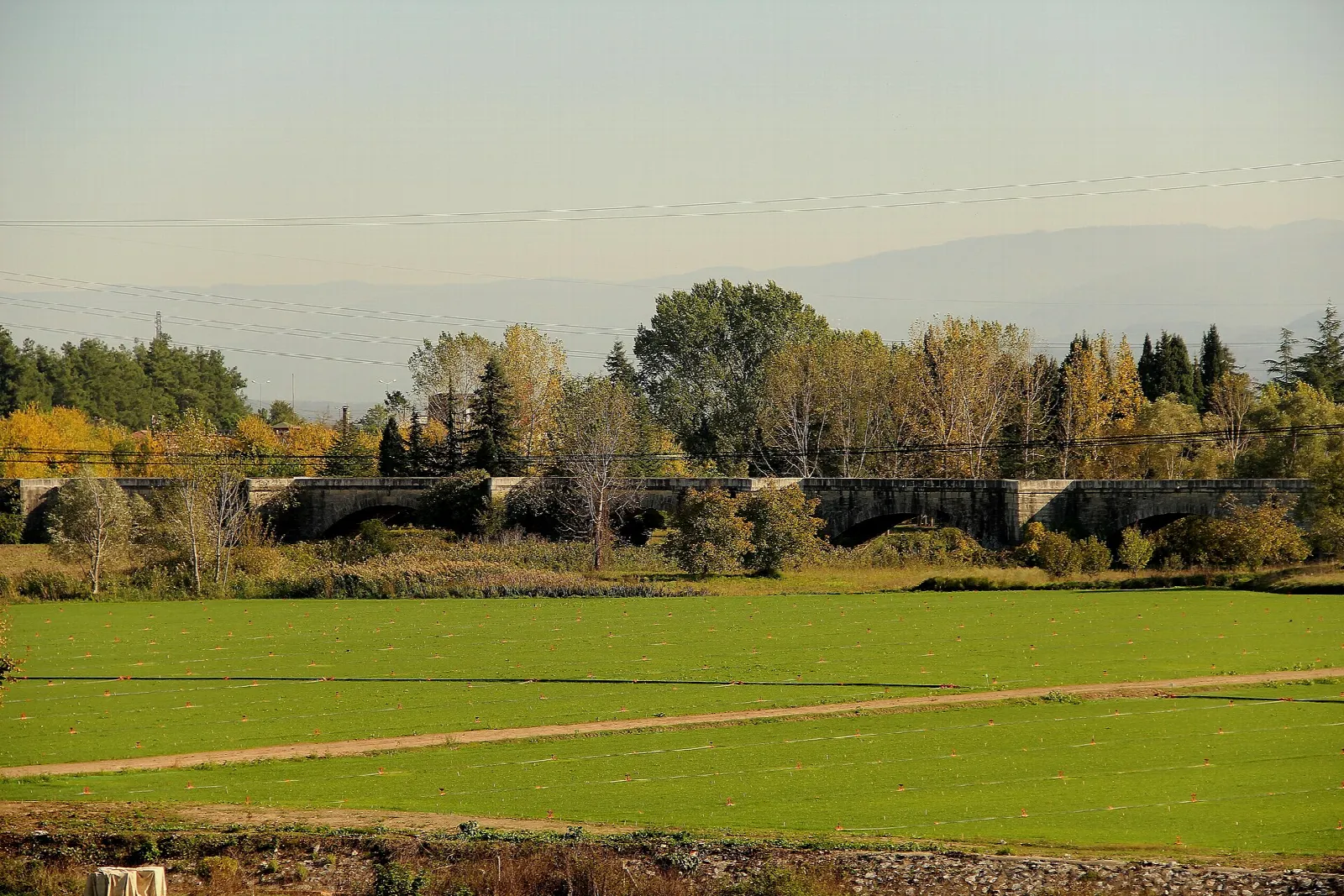
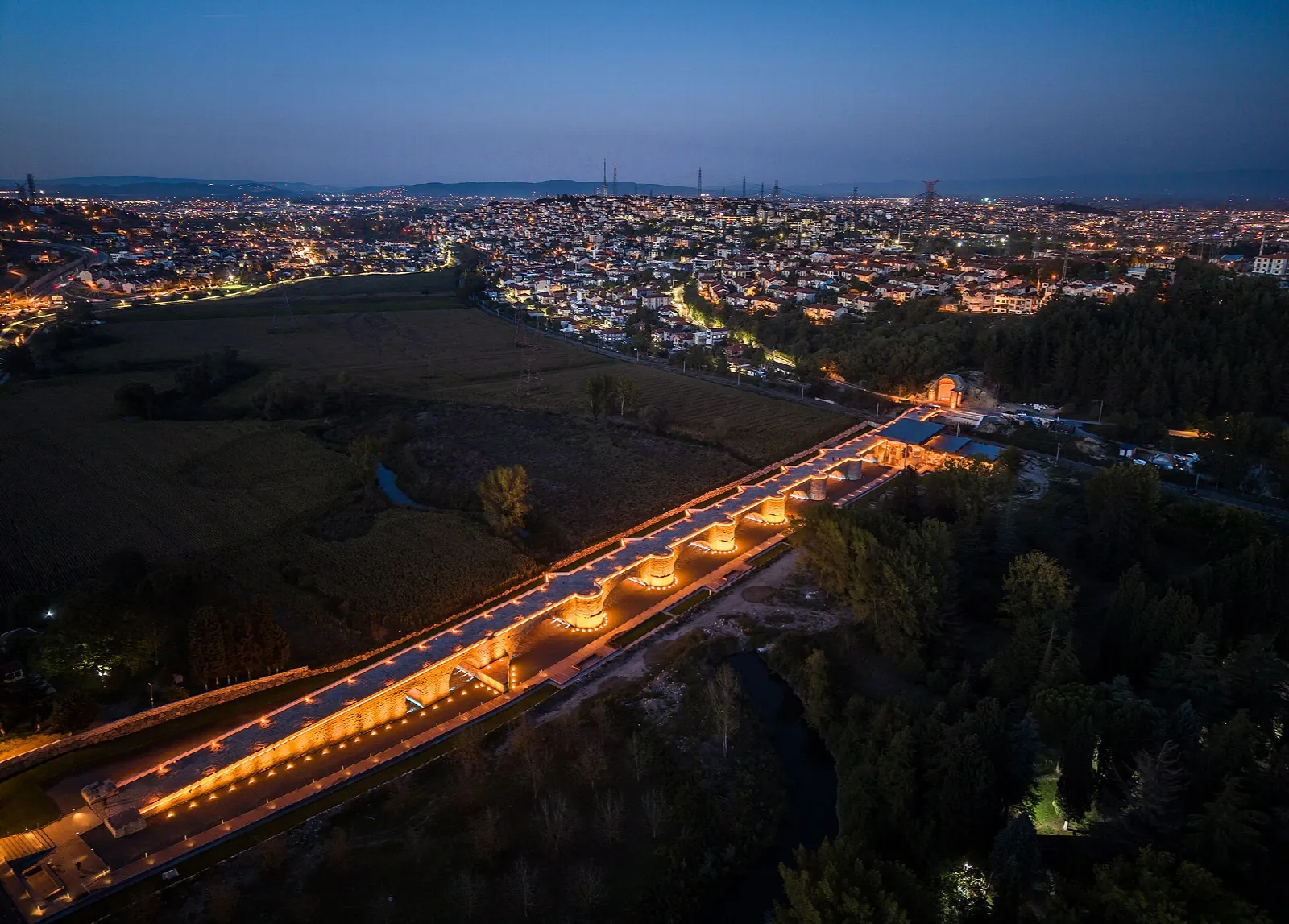
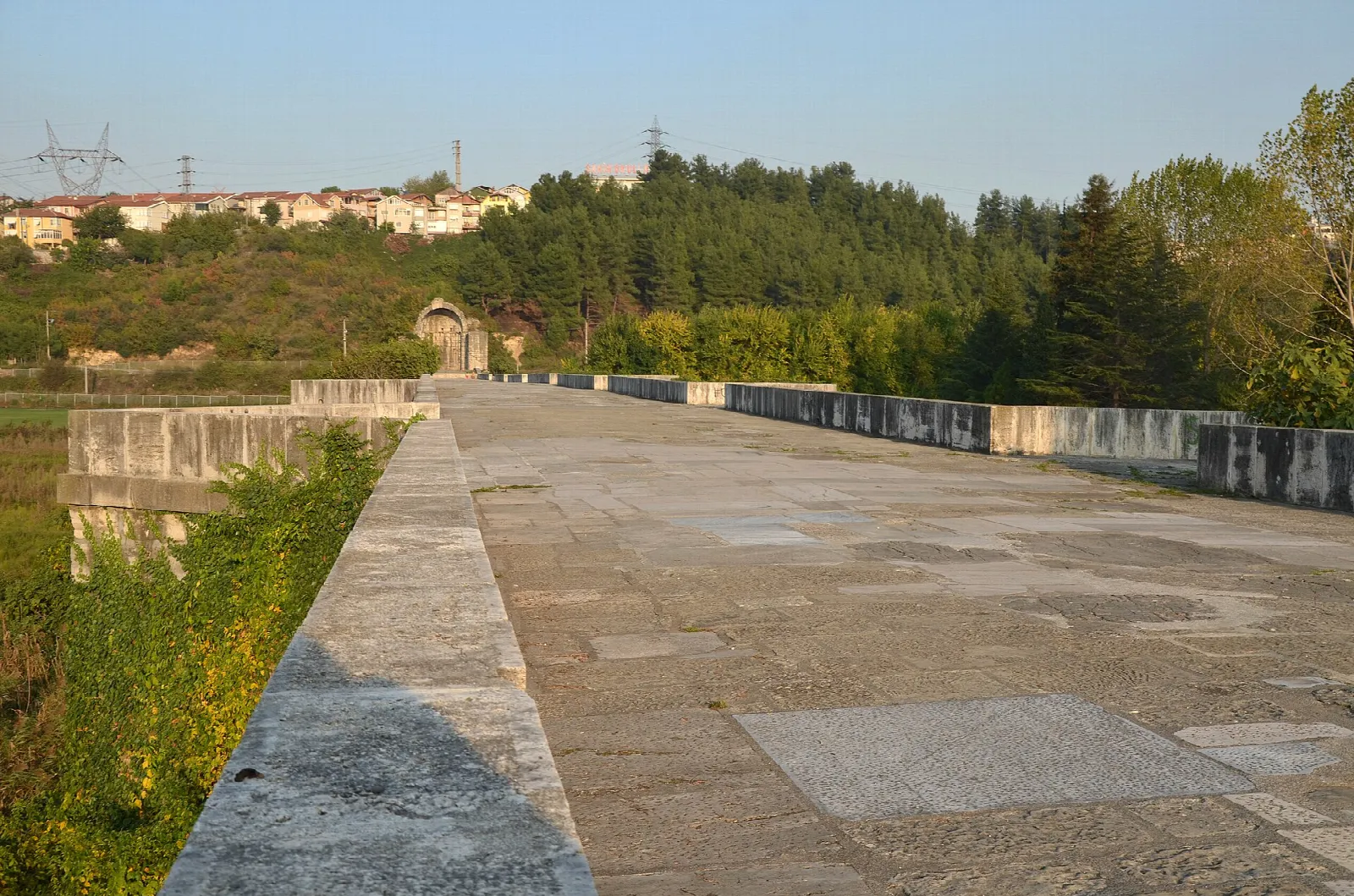
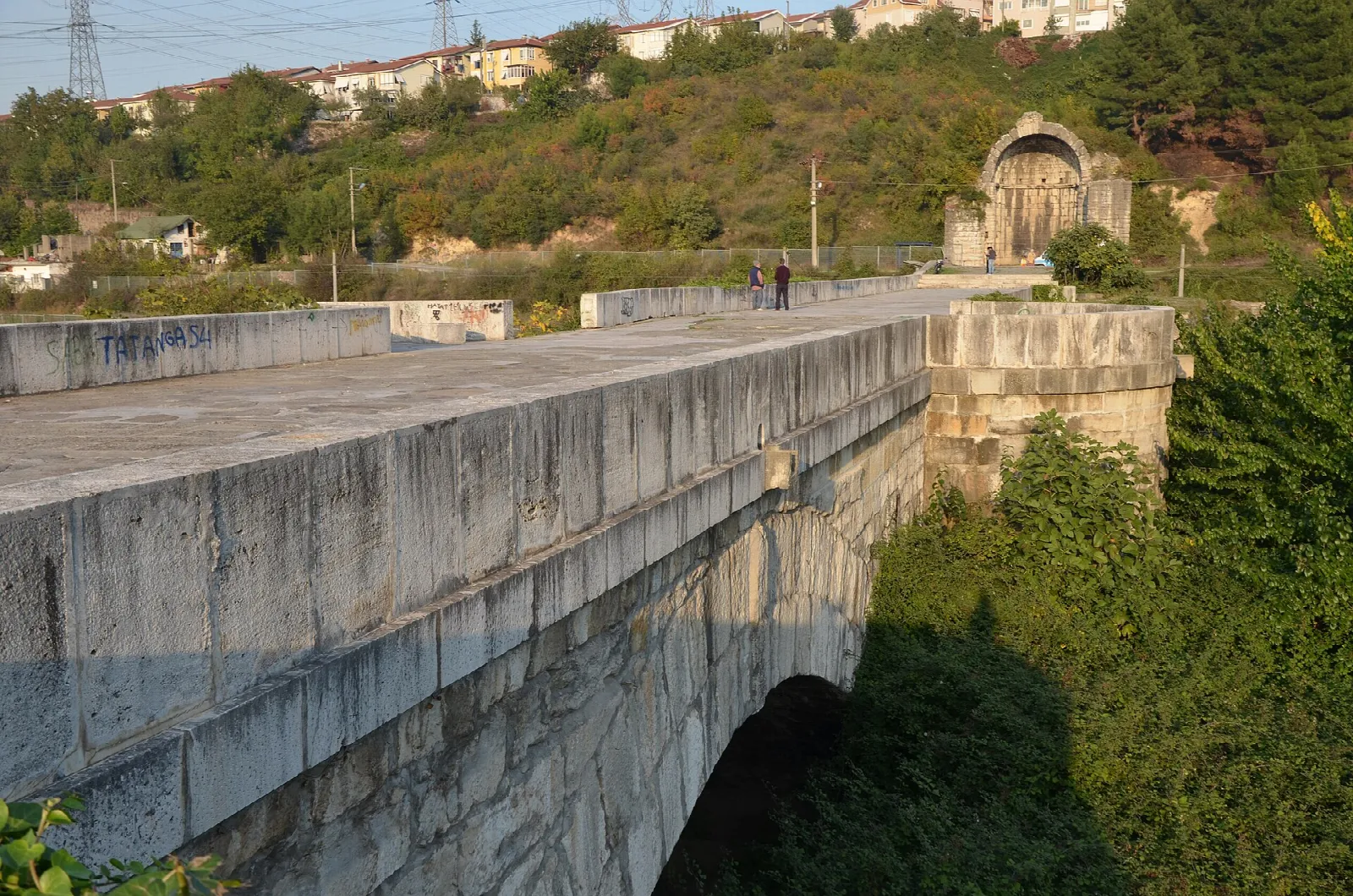
The Sangarius Bridge, also known as the Bridge of Justinian, is a late Roman structure located in northwestern Anatolia, in the modern-day Sakarya province of Turkey. Situated approximately five kilometers southwest of Adapazarı, this historic monument spans the Çark Deresi stream, which flows from nearby Sapanca Lake. The bridge was commissioned by East Roman Emperor Justinian I to enhance communication between Constantinople and the eastern provinces of his empire.
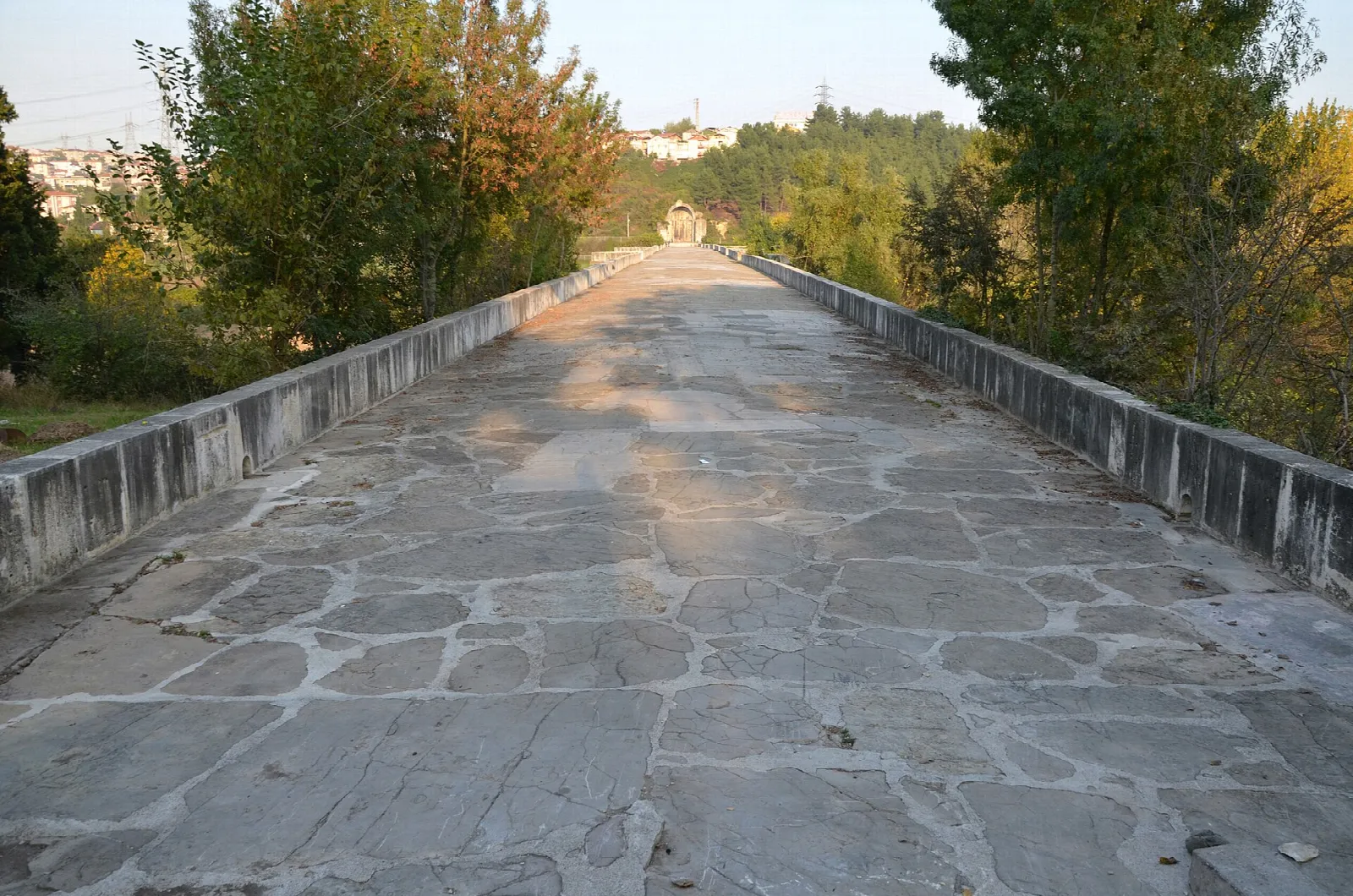
With a total length of 429 meters, the structure stands as a significant example of ancient engineering. It served as a crucial crossing point on the military road connecting the Bosporus to regions threatened by the Sassanid Empire. Today, it remains a prominent historical site, offering visitors a glimpse into the strategic infrastructure of the Byzantine era.
التاريخ
The construction of the stone bridge is accurately dated through contemporary sources. Chronicler Theophanes records that work began around 559–560 AD, while laudatory poems by Paul the Silentiary and Agathias celebrate its completion in 562. This timeline suggests the project took approximately five to six years, though some estimates suggest an earlier start around 554. Before this stone structure, a wooden pontoon bridge existed but was frequently destroyed by river floods, causing significant loss of life.
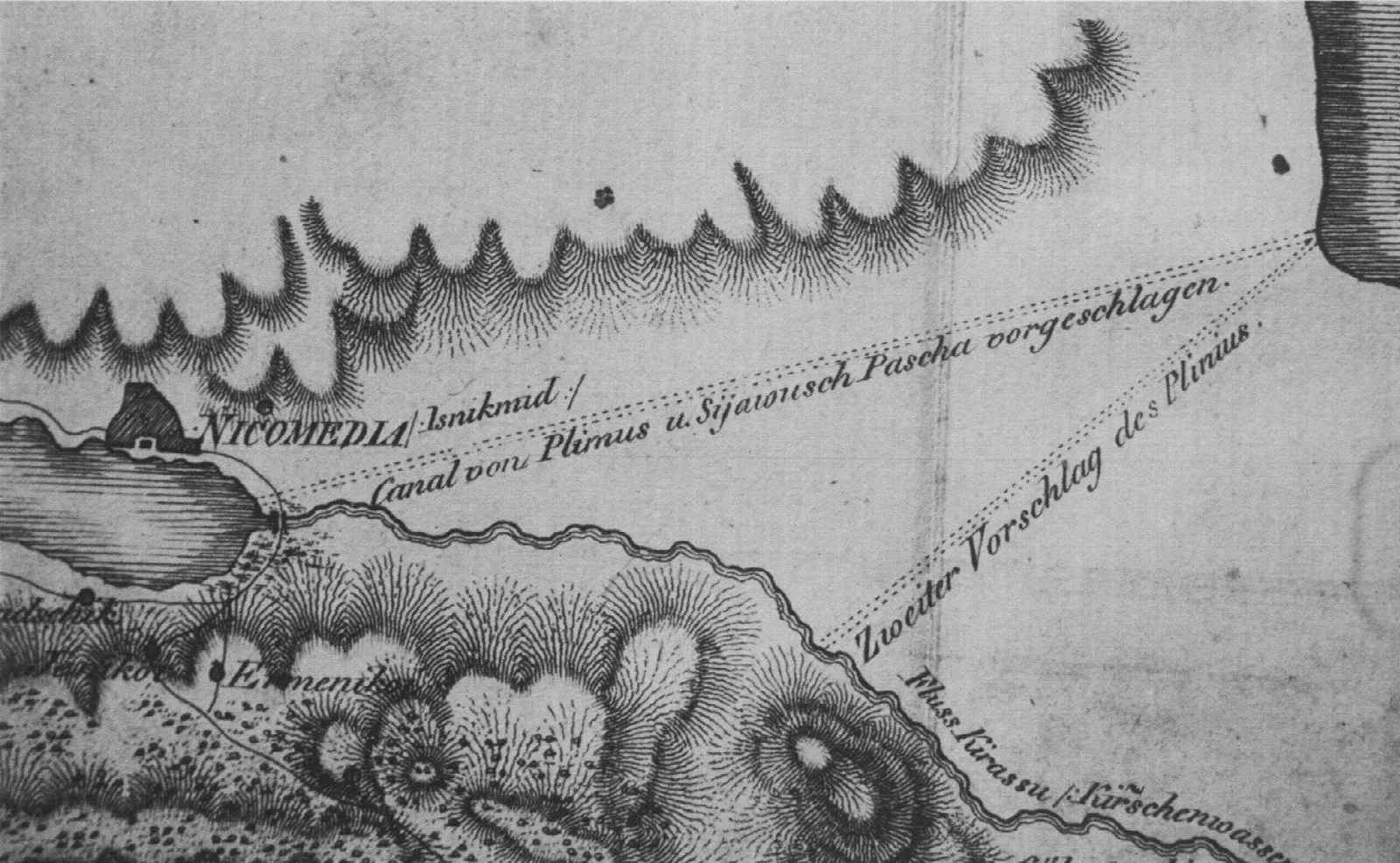
The bridge was built to secure the military road to the eastern provinces, which faced threats from the Sassanid Empire. It replaced the unreliable wooden crossing, ensuring stable passage for troops and supplies. The structure was associated with a proposed canal project by Pliny the Younger to bypass the Bosporus, highlighting its strategic importance in imperial logistics.
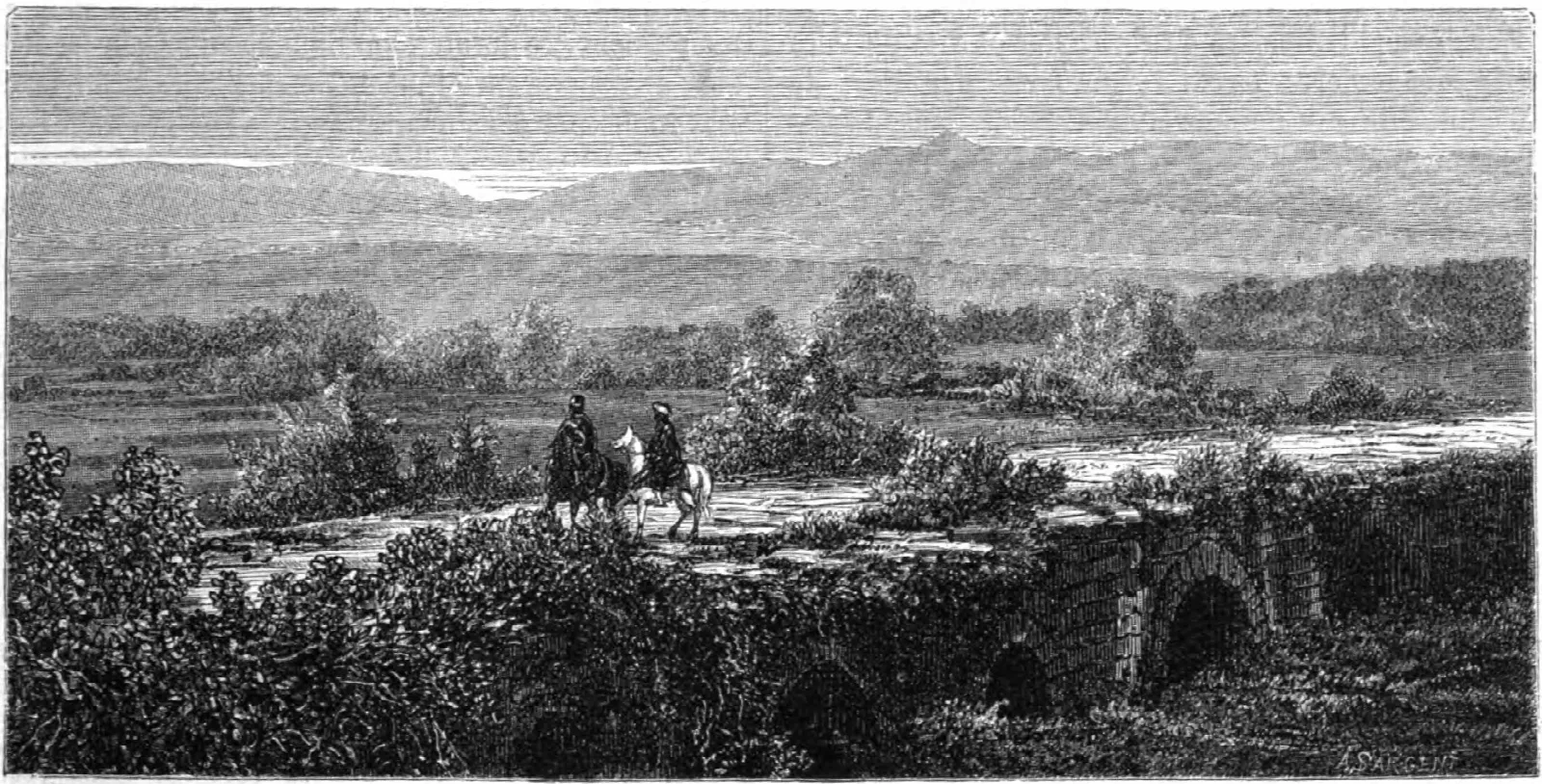
Over time, the eastern part of the bridge was partially destroyed during the construction of a railway line along the river's course. Despite this damage, the main arches and structural elements remain, preserving the legacy of Justinian’s building projects. The bridge served an important purpose from Antiquity through the Middle Ages, maintaining its role as a vital link in the regional transport network.
أبرز معالم القصر
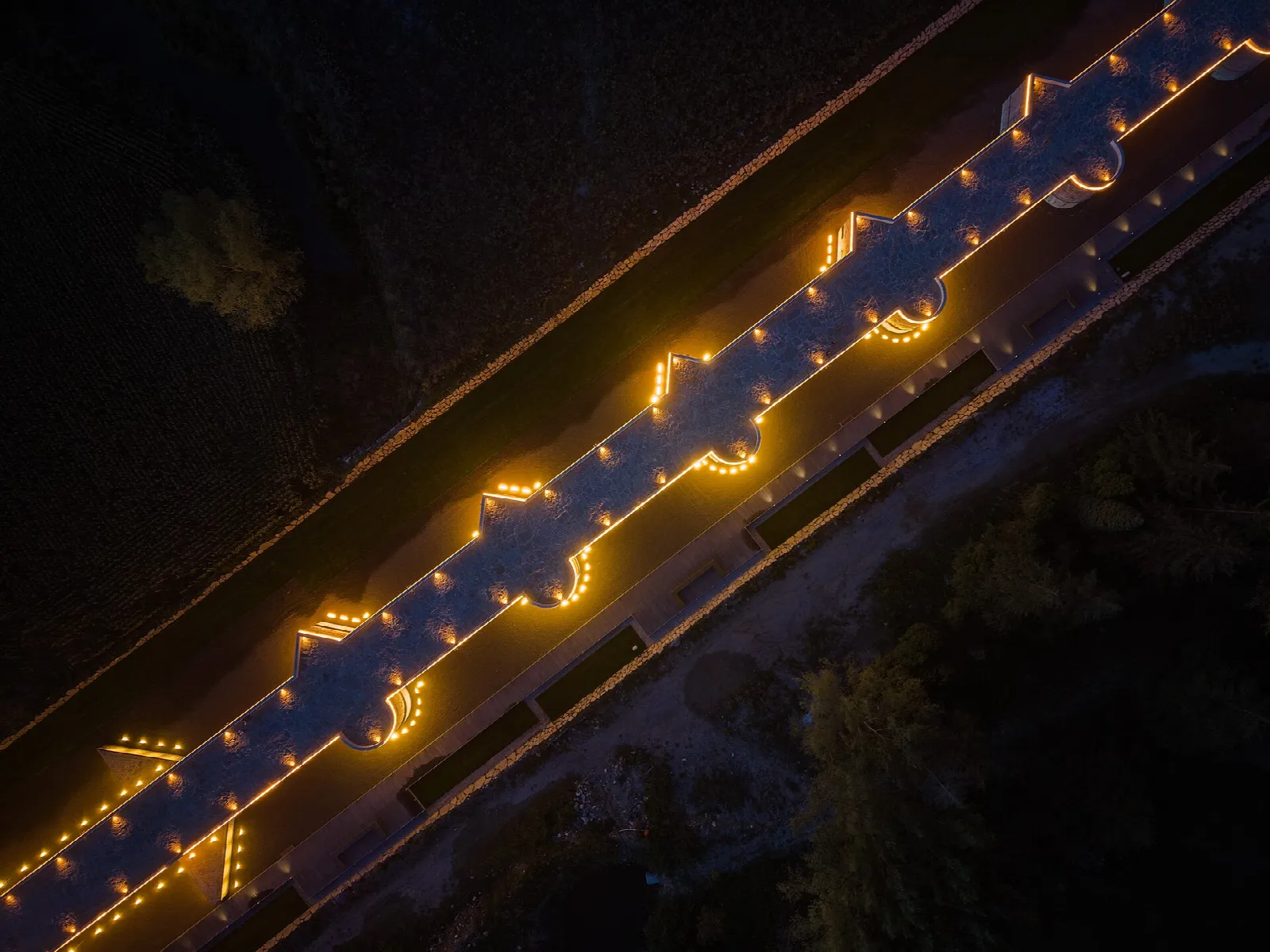
Visitors can observe the impressive limestone construction of the bridge, which rests on seven main arches. The central five arches span between 23 and 24.5 meters, supported by piers approximately six meters thick. The structure includes smaller arches on either side and additional spillway arches on the river banks. The piers are shaped as cutwaters, rounded upstream and pointed downstream, a distinctive feature among Roman bridges.
Key architectural elements include:
- The seven main arches spanning the Çark Deresi stream.
- Remains of an apse on the eastern side, possibly a religious shrine.
- Decorative Christian crosses on the main piers, though most have been destroyed.
- Spillway arches designed to handle river overflow.
نصائح للزوار
Wear comfortable shoes suitable for walking on uneven stone surfaces. The site is outdoors, so bring sun protection and water, especially during warmer months. Dress modestly if you plan to visit nearby places of worship.
Combine your visit with a trip to Sapanca Lake, which is nearby. Check local conditions before visiting, as the eastern section has been partially altered by railway construction.
Hotels near Sangarius Bridge
- فندق Sakarya Ottoman Hotel ★★★★ 5.6 كم
- فندق The Riada Hotel ★★★ 4.2 كم
- فندق Radisson Blu، Sakarya 1.9 كم
- كونتيننت لافري سويتس ساكاريا 2.1 كم
- Luxon Hotel Sakarya 2.1 كم
- فندق ذا غري 2.2 كم
More Museums in Sakarya
Sangarius Bridge – Frequently Asked Questions
What is Sangarius Bridge?
The Sangarius Bridge, also known as the Bridge of Justinian, is a late Roman structure located in northwestern Anatolia, in the modern-day Sakarya province of Turkey.
Where is Sangarius Bridge located?
Sangarius Bridge is in Serdivan, Sakarya, Turkey.
Do children need a ticket at Sangarius Bridge?
Children aged 0–6 enter Sangarius Bridge free of charge. Visitors aged 7 and over need a full ticket.
What other museums can I visit in Sakarya?
Other museums in Sakarya include Sakarya Museum.