دير مور غابرييل
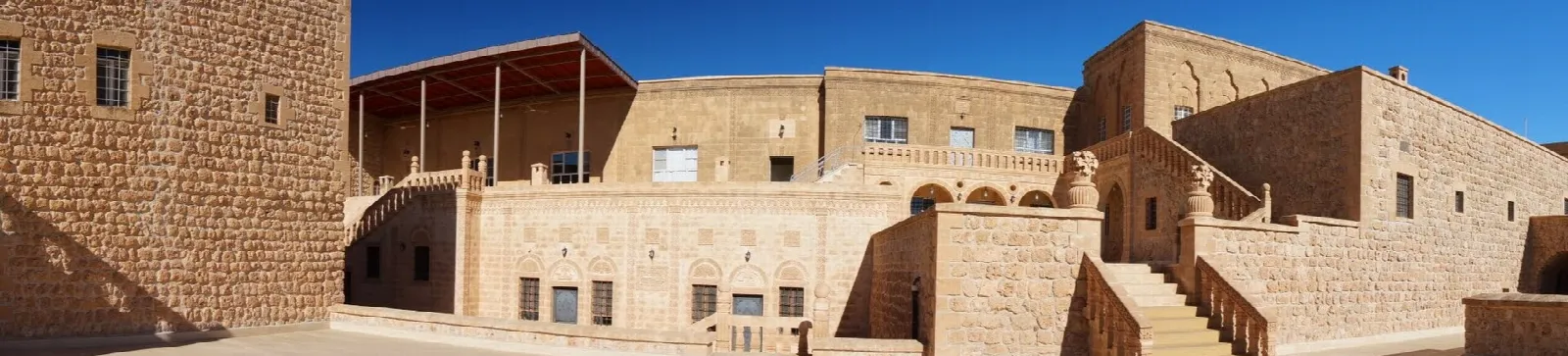
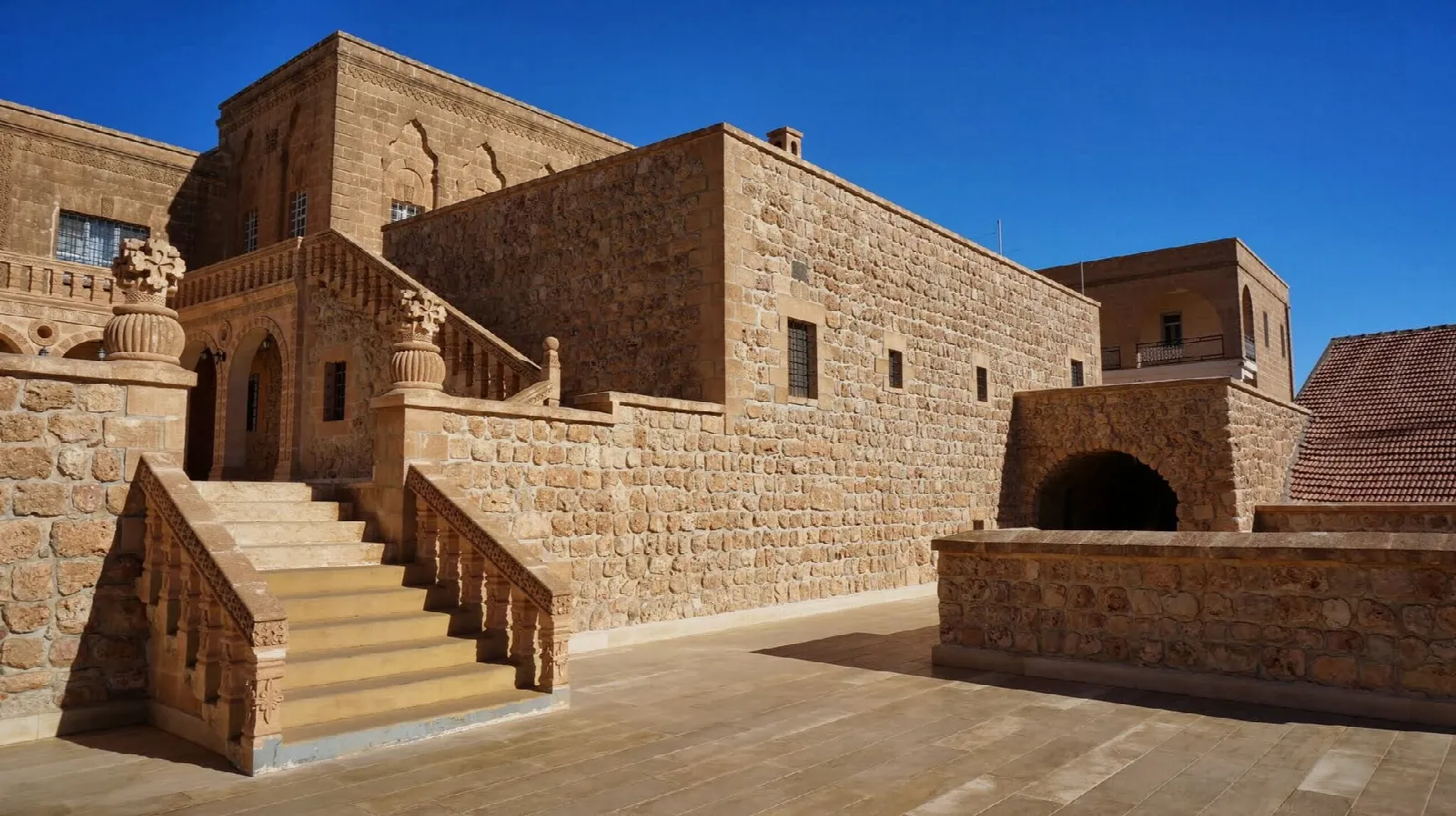
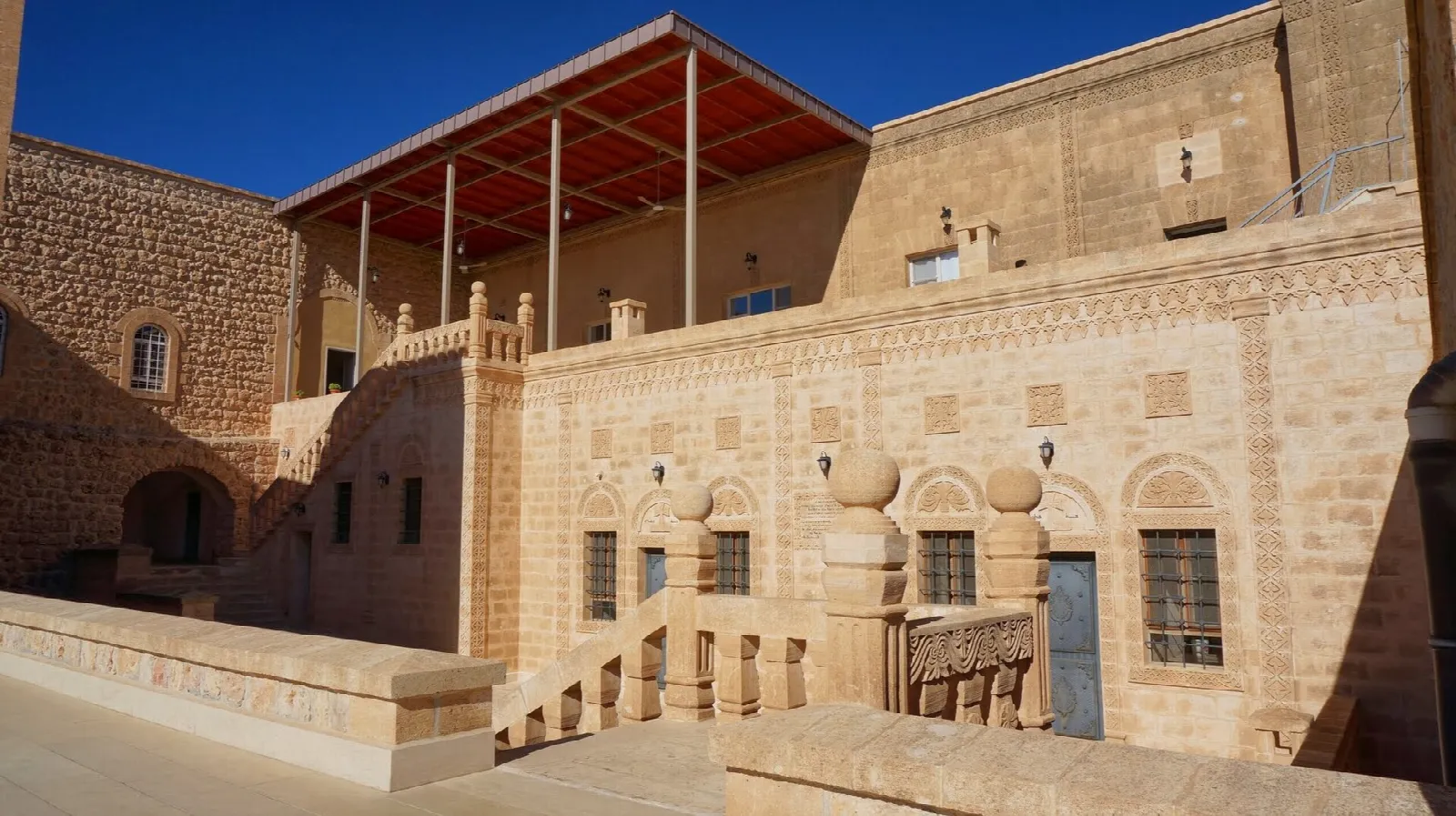
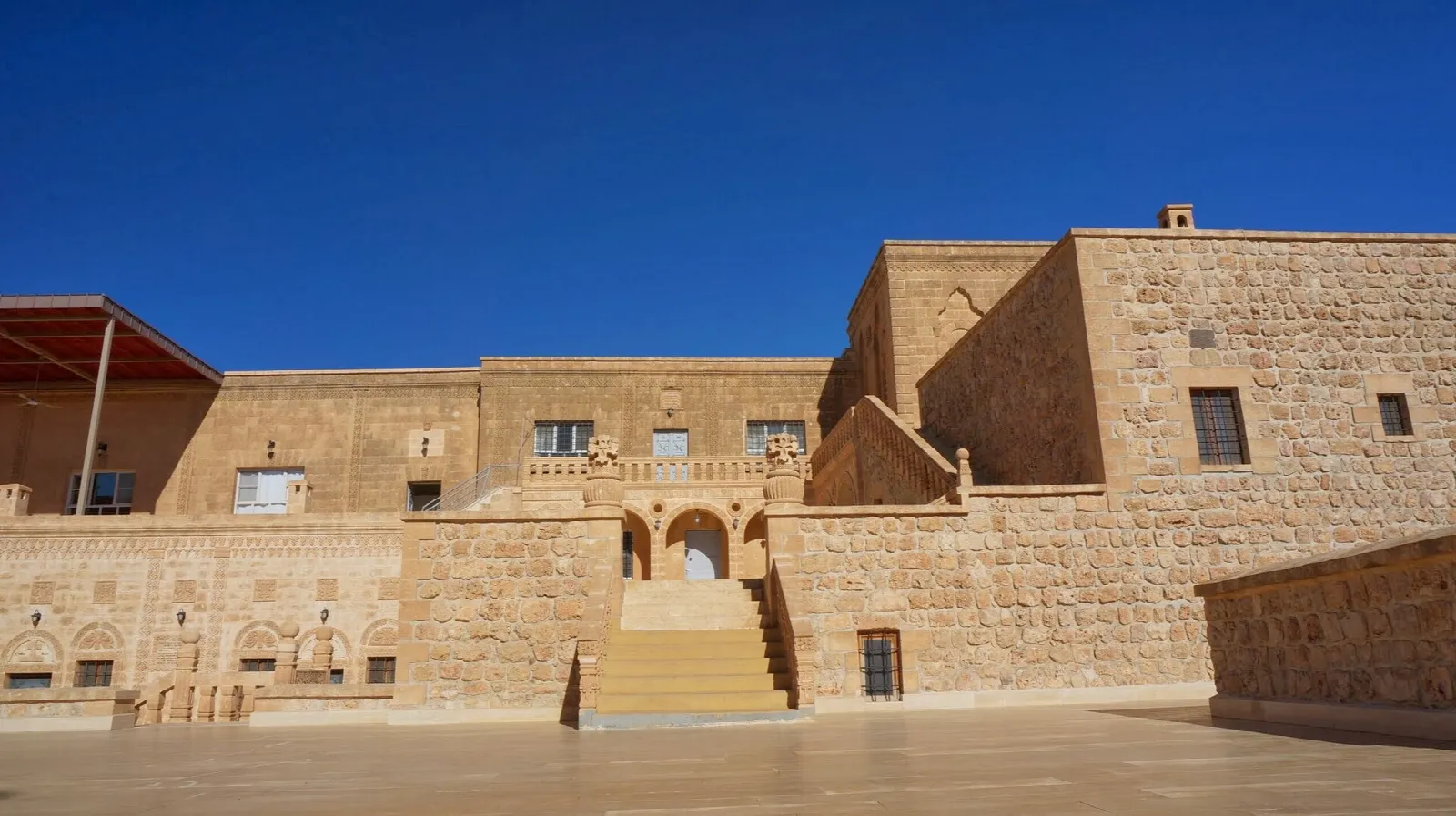
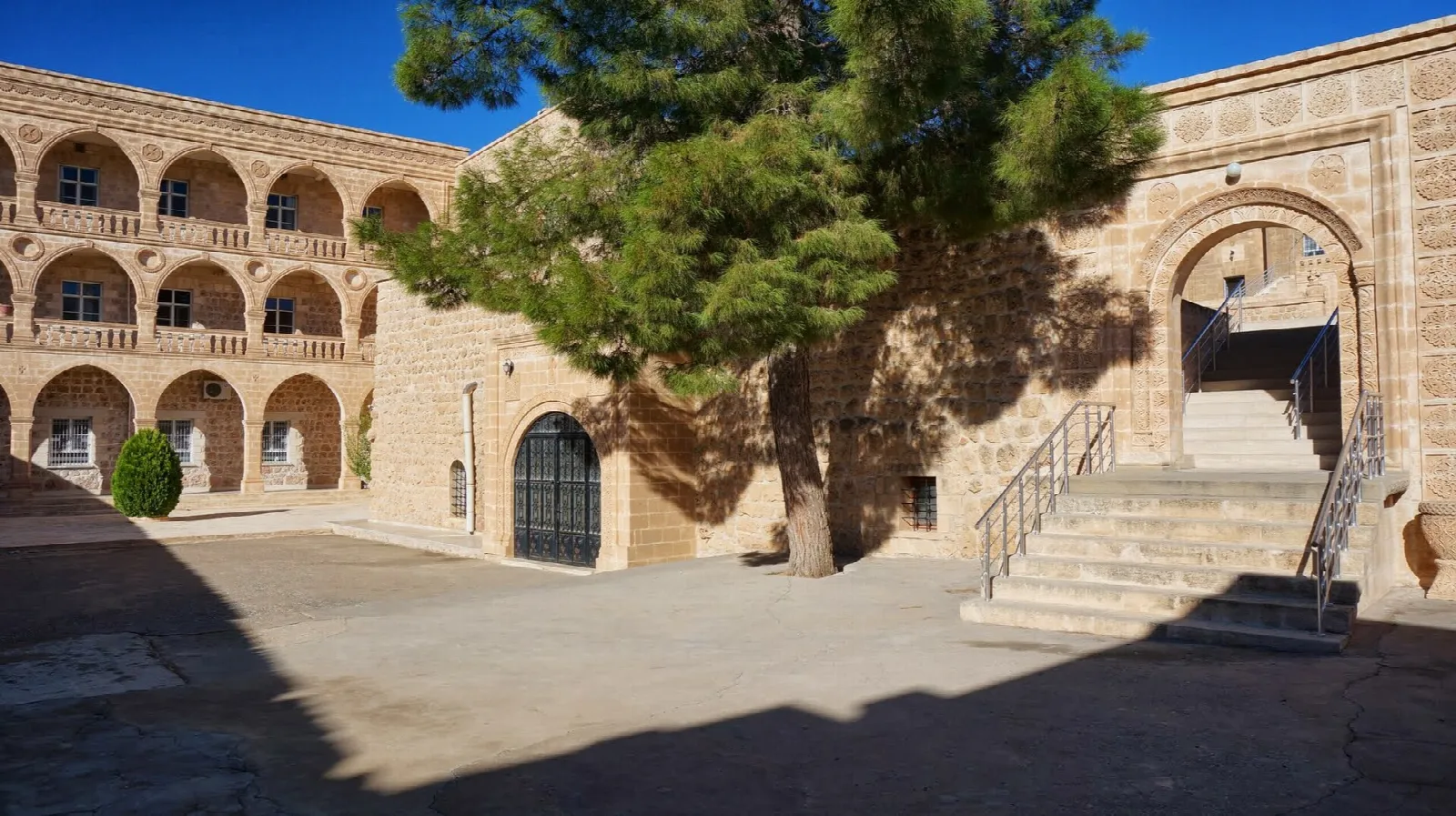
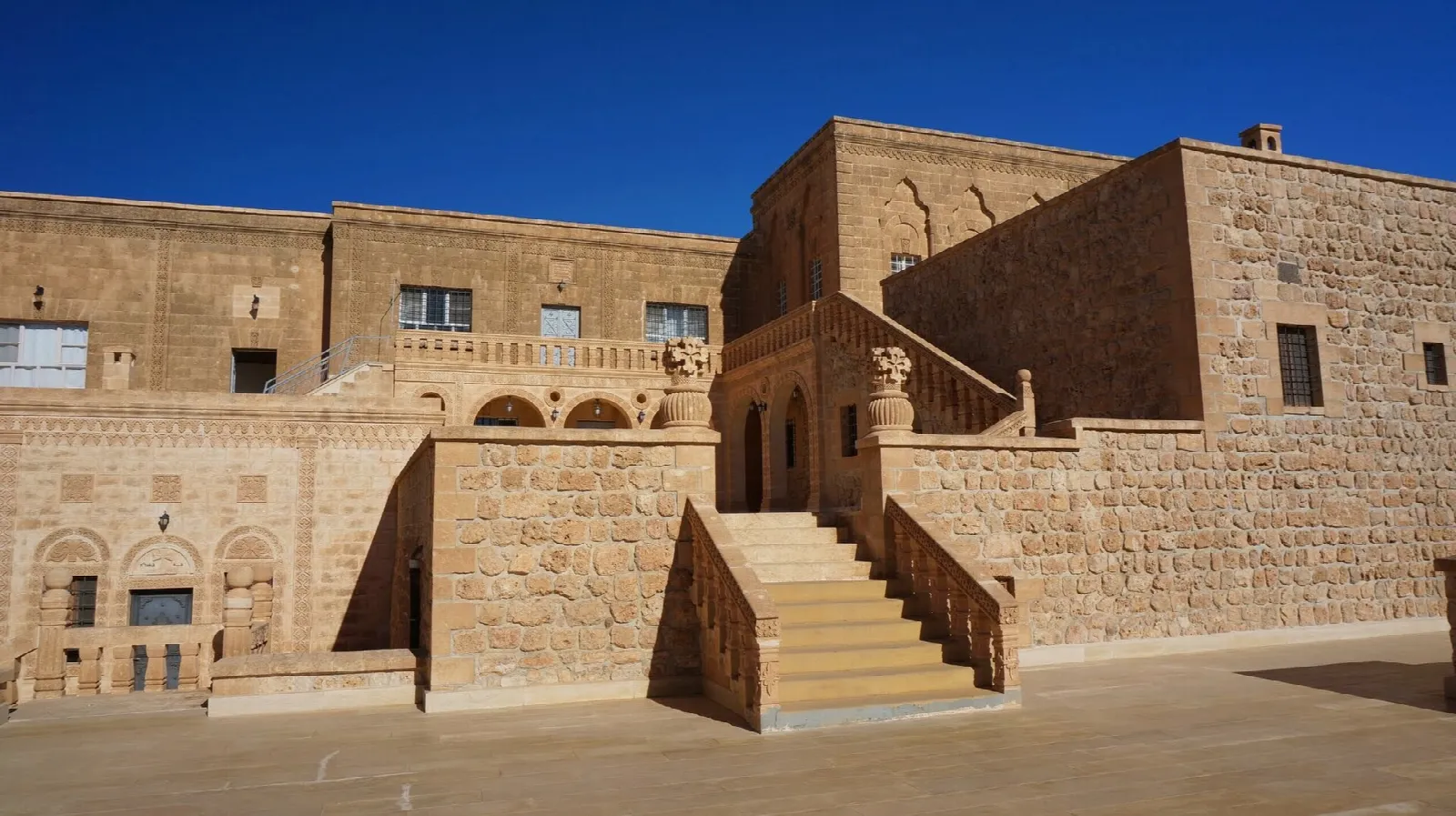
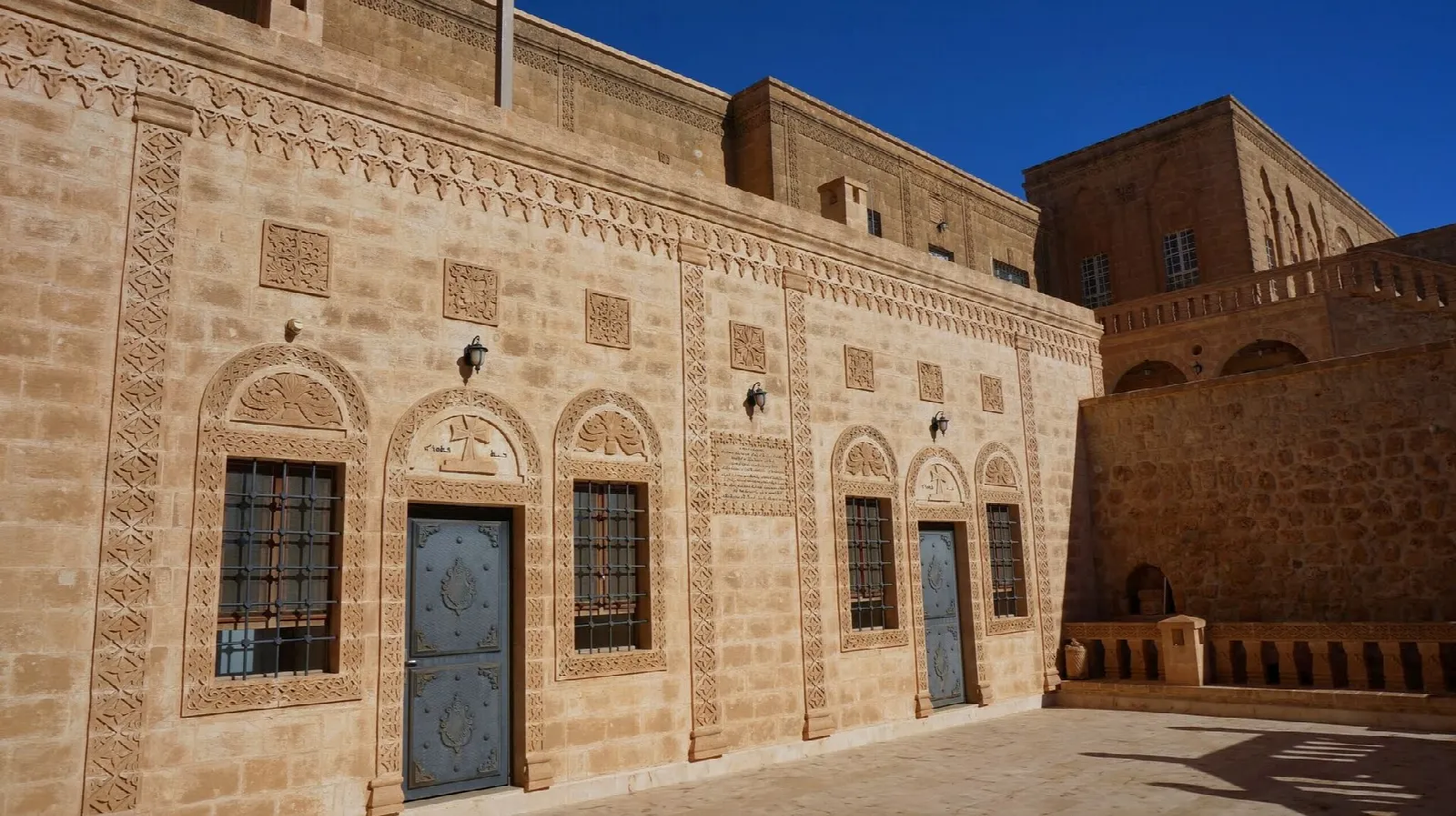
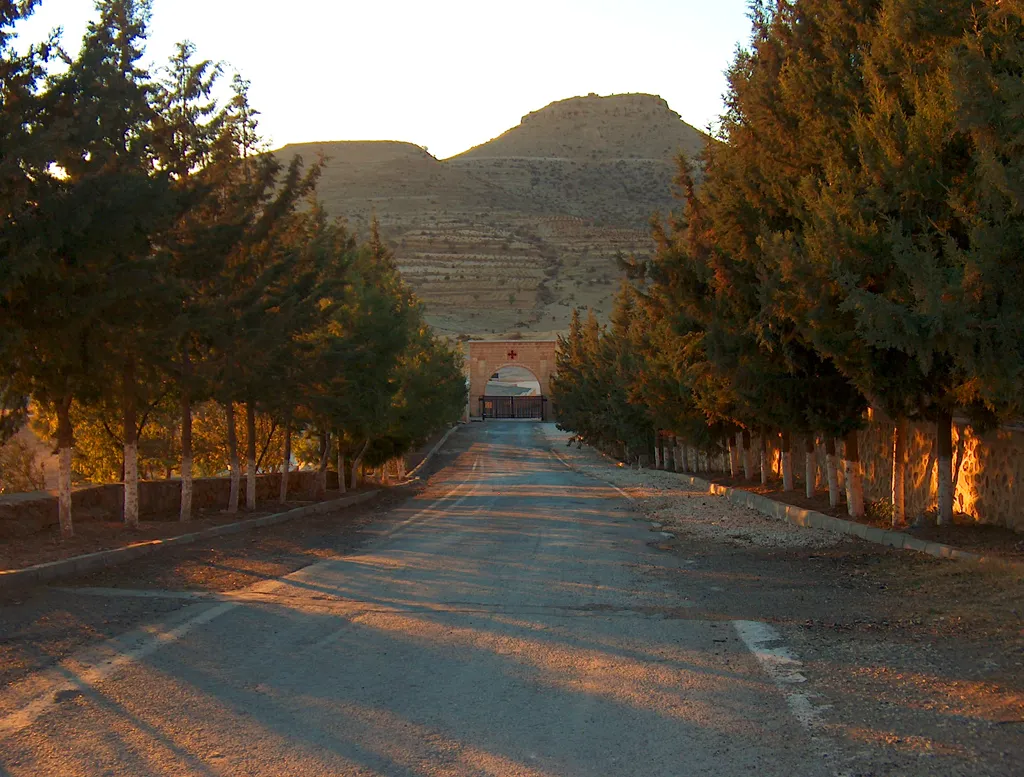
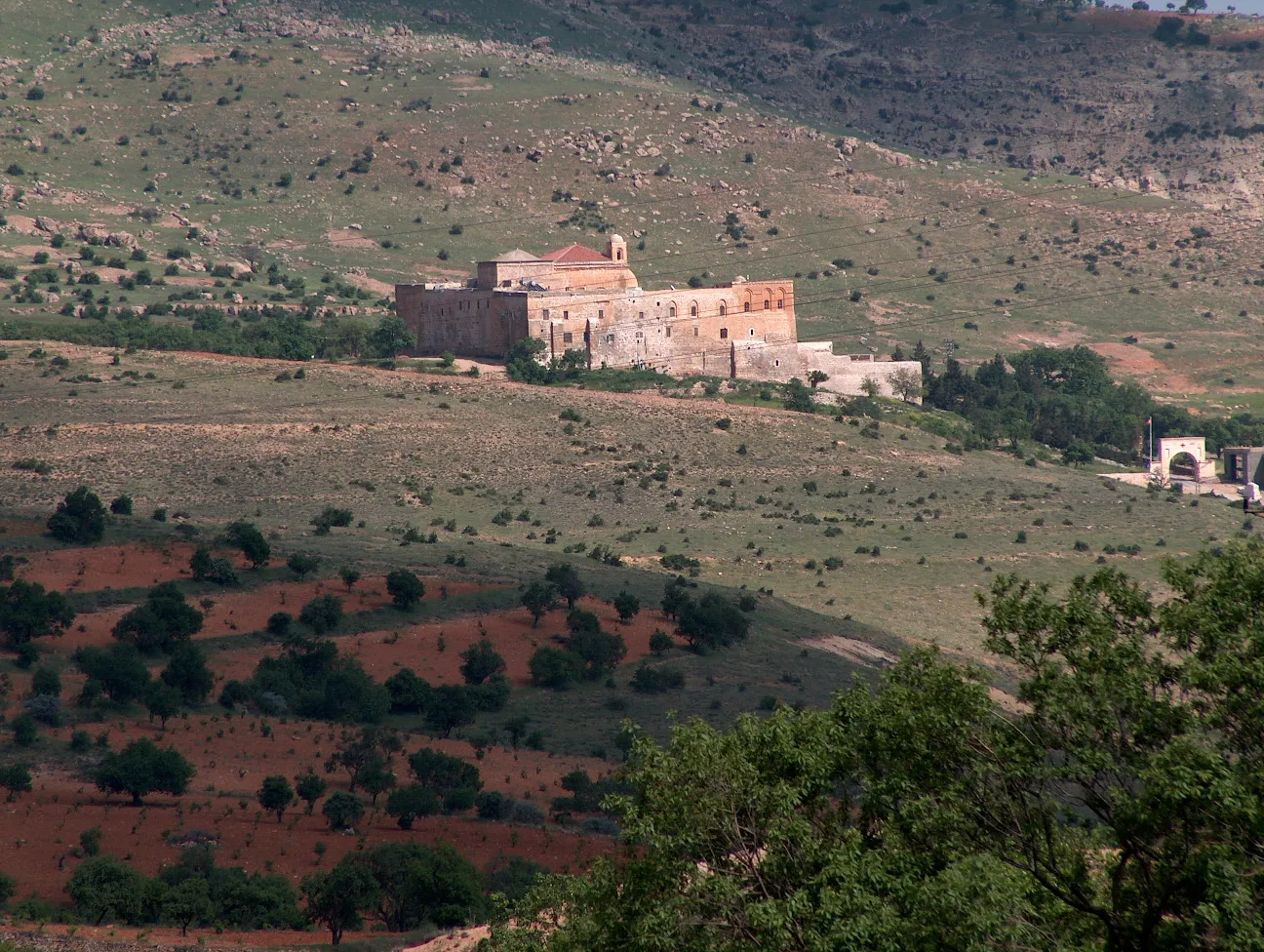
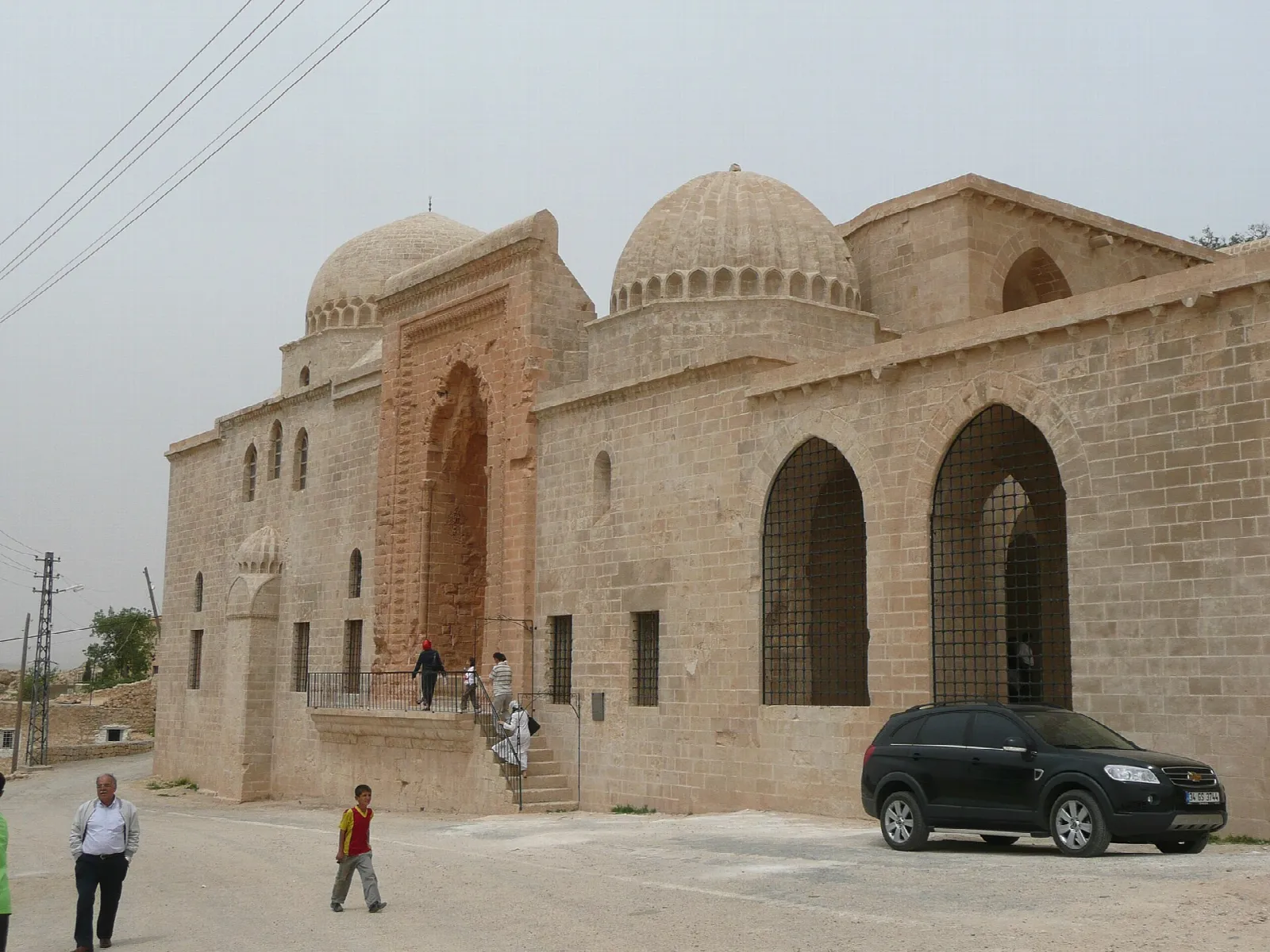
Photos: Ben Bender, CC BY-SA 3.0 · Yılmaz Kilim, CC BY 3.0 — via Wikimedia Commons
Discover Mor Gabriel Monastery in Mardin, a historic Syriac Orthodox site founded in 397 AD on an ancient meteorite impact caldera.
ℹ️ About Mor Gabriel Monastery
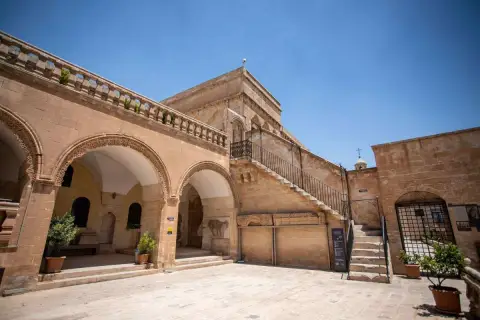
دير مور غابرييل, also known as the Monastery of Saint Gabriel, is a Syriac Orthodox monastery located near Midyat in the Tur Abdin region of southeastern Turkey. Situated on a caldera formed by an ancient meteorite impact, it stands as one of the oldest continuously active Christian monasteries in existence. The site serves as a vital religious and social center for the remaining Christian Assyrian community and functions as the seat of the metropolitan of Tur Abdin.
Founded in 397 AD, the monastery has endured centuries of conflict and persecution while maintaining its role as a major center of Syriac monasticism and cultural preservation. Today, it remains a popular pilgrimage destination, housing the relics of its namesake, Gabriel of Beth Qustan, and continuing to serve as a hub for theological study and community life.
التاريخ
The origins of Mor Gabriel date back to the late 4th century when ascetics Mor Shmuel and Mor Shemʿun established a foundation on the site of a former Zoroastrian temple. The Roman emperor formally recognized and endowed the institution in 397 AD. By the 6th century, the community had swelled to over 1,000 monks, attracting benefactions from Eastern Roman emperors. Emperor Anastasius later financed the construction of the main church and the octagonal Dome of Theodora, which was named after Empress Theodora following her visit to the site.
The monastery has survived numerous periods of devastation, including attacks by Persian forces in 580, Turkish raiders in 1100, and Tatar and Mongol invasions in the 13th and 14th centuries. In 1394, Tamerlane’s armies besieged the monastery, resulting in significant loss of life. It was rebuilt in 1502 with local assistance. During the Islamic conquests, Bishop Gabriel of Beth Qustan negotiated a peace treaty protecting Christian rights, and his relics became central to the site, leading to its current name.
In the modern era, the monastery faced severe losses during the 1915 genocide, when monks were killed and the site occupied until 1919. It was officially registered as a religious foundation in 1936. Despite ongoing legal disputes regarding land rights and historical persecution, the monastery continues to operate, having undergone extensive renovations between 1962 and 1971 to restore its structures and reopen its seminary.
أبرز معالم القصر
Visitors to Mor Gabriel Monastery encounter a complex of structures that reflect its long history and layered architectural heritage. The site comprises several key buildings, including the main church, which features a large prayer hall constructed under Emperor Anastasius. The octagonal Dome of Theodora, originally built as a baptistery and later repurposed, remains a prominent feature of the complex. The monastery also houses a mausoleum and other auxiliary buildings that have been elaborately decorated over centuries.
- The main church with its preserved eastern wall from the original Zoroastrian sanctuary.
- The Dome of Theodora, an octagonal structure named after the Empress.
- The relics of Gabriel of Beth Qustan, housed within the monastery.
- Architectural slits in the one-meter-thick walls aligned with the summer solstice.
نصائح للزوار
Visitors should wear comfortable shoes as the monastery grounds and surrounding areas involve walking on uneven stone surfaces. Given the location in southeastern Turkey, sun protection such as hats and sunscreen is recommended, especially during warmer months.
As Mor Gabriel is an active place of worship and pilgrimage, modest dress is required. Visitors are encouraged to combine their trip with other historical sites in the nearby Mardin and Midyat regions to fully appreciate the cultural landscape.
Tours that visit Mor Gabriel Monastery
Explore Mor Gabriel Monastery on one of our guided tours — daily excursions, private tours and group tours that include this site.
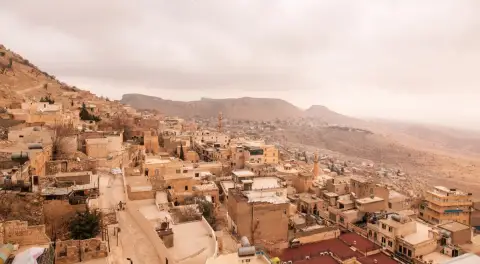 جولة خاصة
6 أيام جولة بلاد الرافدين: غازي عنتاب وغوبكلي تبه وجبل نمرود وديار بكر...
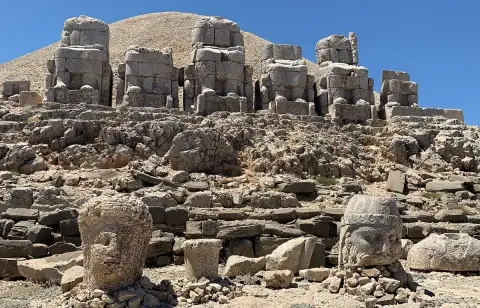 جولة خاصة
14 يوماً في شرق تركيا: أضنة وجبل نمرود وماردين وبحيرة وان وقارص وطرا...
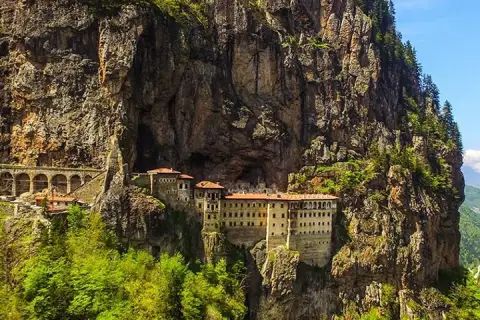 جولة خاصة
جولة في شرق تركيا لمدة 15 يومًا: طرابزون ووان وماردين وجبل نمرود وكابادوكيا...
 جولة يومية خاصة
خاصة
جولة يومية خاصة إلى ميديات ودير مار غبريال وحصن كيفا من ماردين
 جولة يومية خاصة
خاصة
جولة ليوم واحد من ماردين إلى دير الزعفران ودارا ودير مار جبرائيل وميديات
متاحف أخرى في ماردين
Mor Gabriel Monastery – Frequently Asked Questions
What is Mor Gabriel Monastery?
Mor Gabriel Monastery, also known as the Monastery of Saint Gabriel, is a Syriac Orthodox monastery located near Midyat in the Tur Abdin region of southeastern Turkey.
Where is Mor Gabriel Monastery located?
Mor Gabriel Monastery is in Midyat, Mardin, Turkey.
Do children need a ticket at Mor Gabriel Monastery?
Children aged 0–6 enter Mor Gabriel Monastery free of charge. Visitors aged 7 and over need a full ticket.
Can I visit Mor Gabriel Monastery on a guided tour?
Yes. Inca Tour visits Mor Gabriel Monastery on guided tours such as 6 Days Mesopotamia Tour: Gaziantep, Gobeklitepe, Mount Nemrut, Diyarbakir & Mardin Private Tour and 14 Days Eastern Turkey: Adana, Mt. Nemrut, Mardin, Lake Van, Kars & Trabzon Private Tour.
ما هي المتاحف الأخرى التي يمكنني زيارتها في ماردين؟
Other museums in Mardin include Mardin Museum, Mardin Sakıp Sabancı Mardin City Museum and Mor Hananyo Monastery.