Ktuts Monastery
Photos: SUZANNE KHARDALIAN HOLMQUIST, CC BY-SA 3.0 · Armen Manukov, CC BY-SA 4.0 — via Wikimedia Commons
Explore the ruins of Ktuts Monastery on Çarpanak Island in Lake Van, a historic Armenian site with a 15th-century scriptorium and unique stone architecture.
ℹ️ About Ktuts Monastery
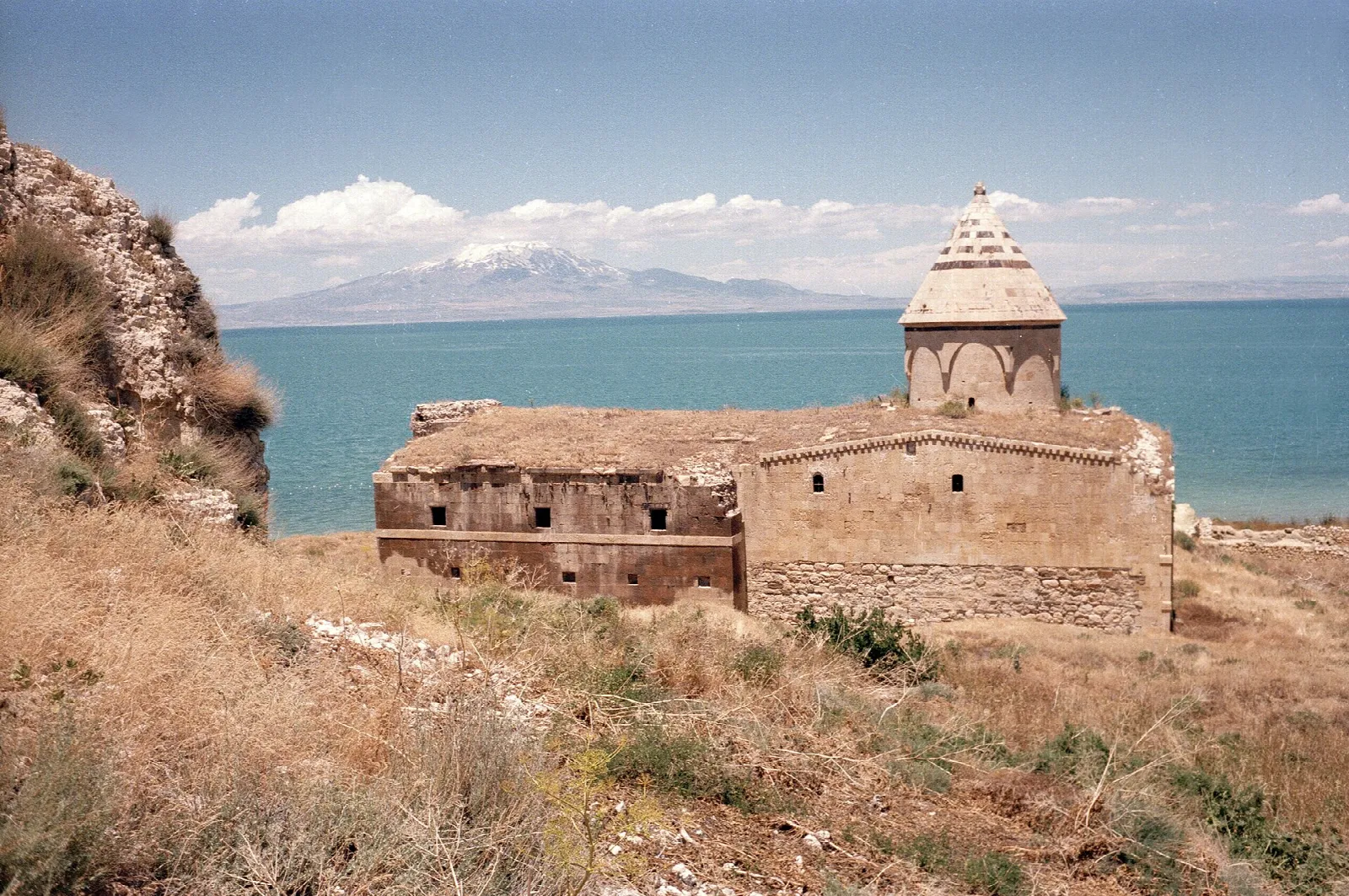
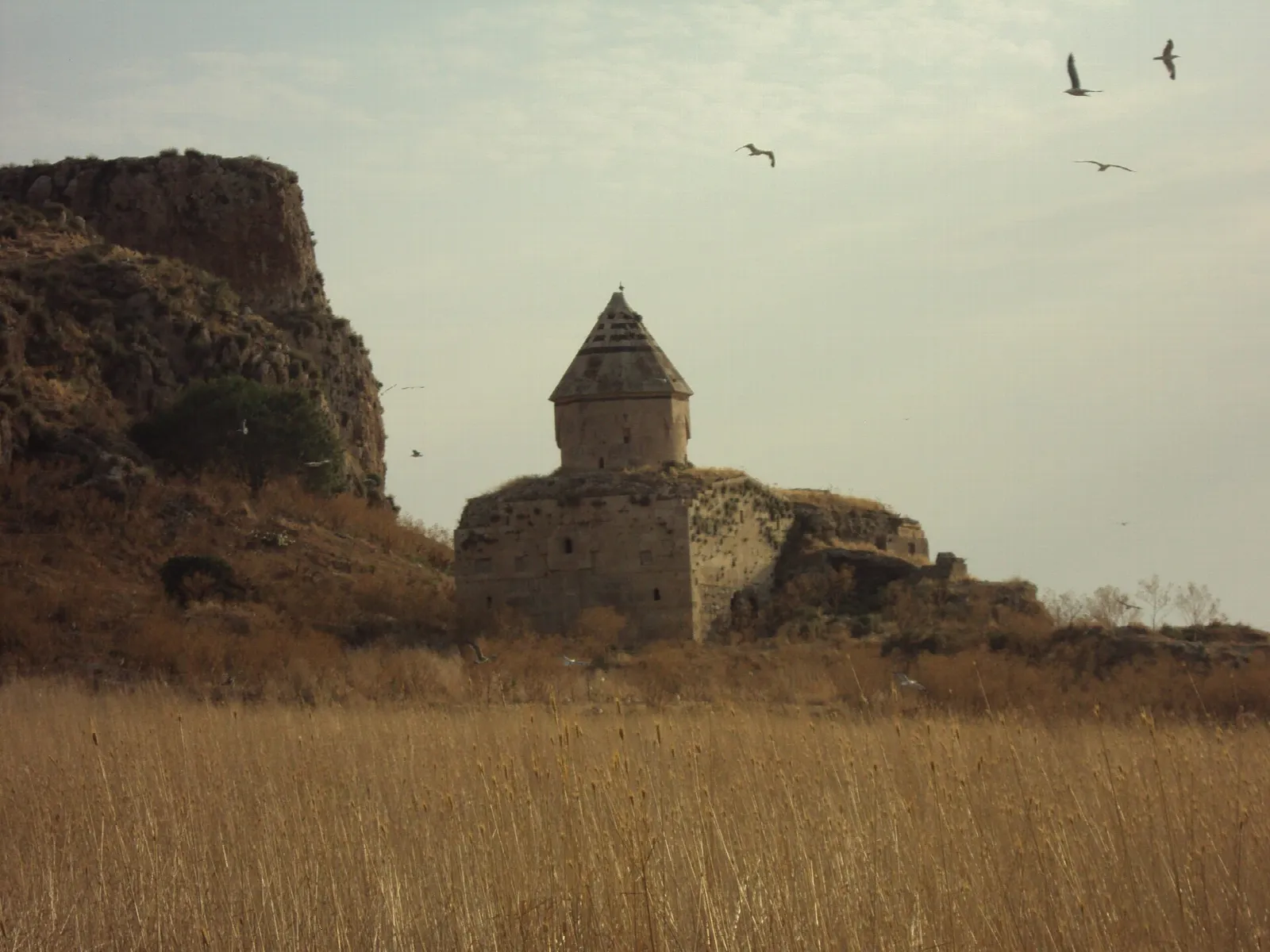
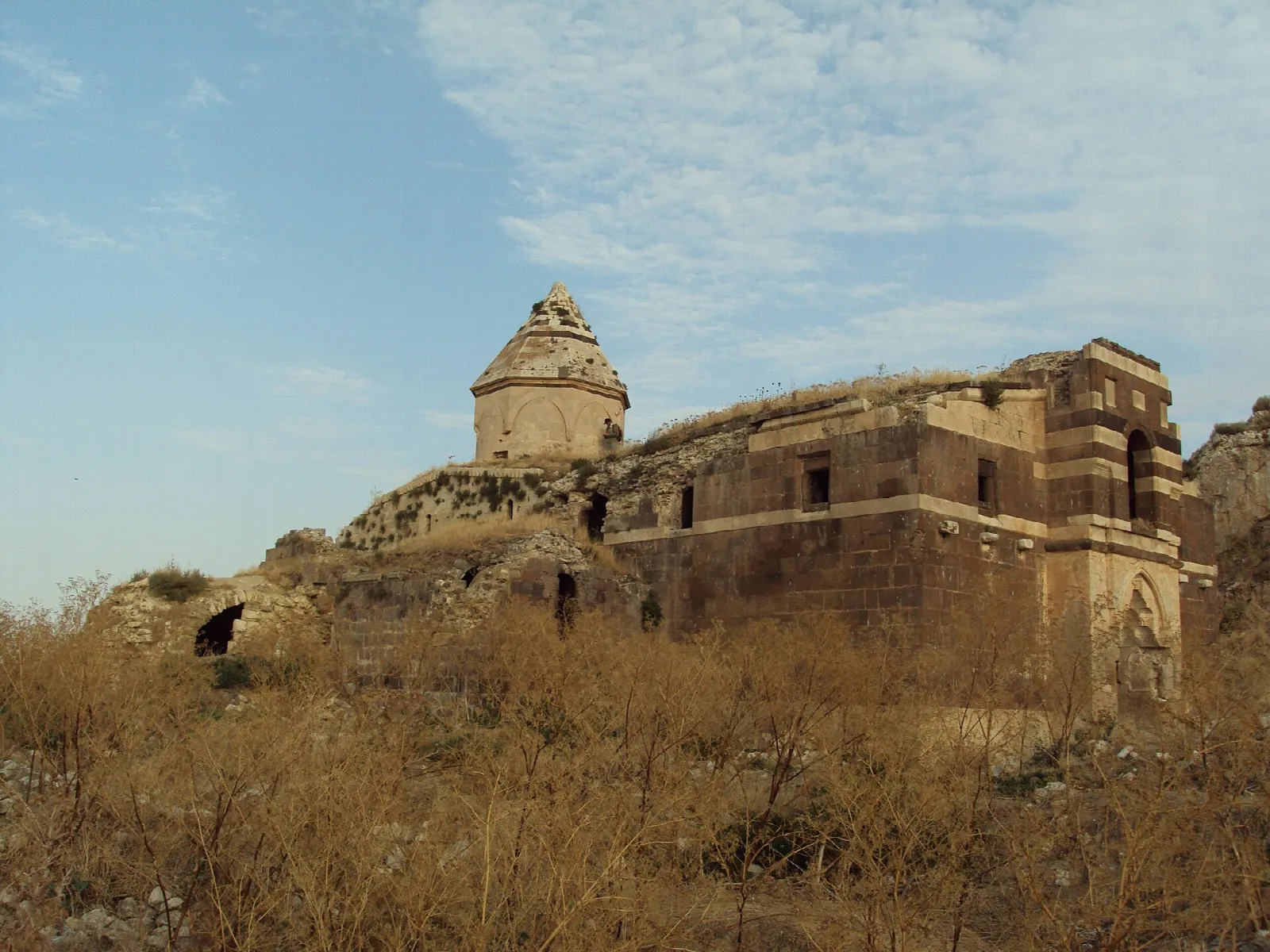
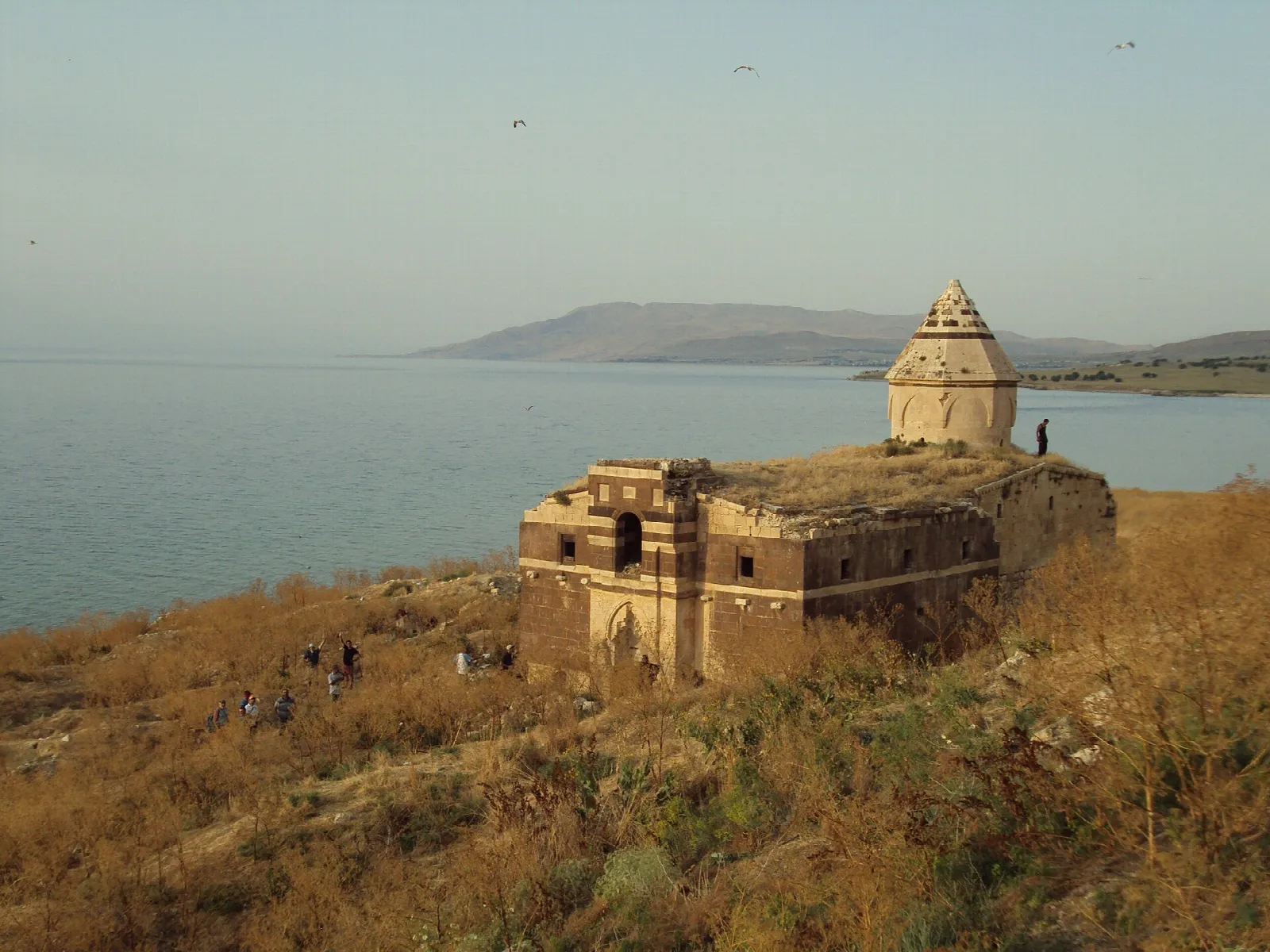
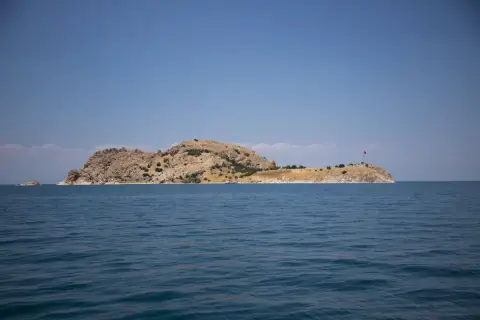
Ktuts Monastery is an abandoned Armenian monastery located on the small island of Ktuts, also known as Çarpanak, in Lake Van, Türkiye. Situated in the Tuşba district, this historic site stands as a testament to the region's religious heritage. The name Ktuts means "beak" in Armenian, reflecting its distinctive geographical position on the island's northern section.
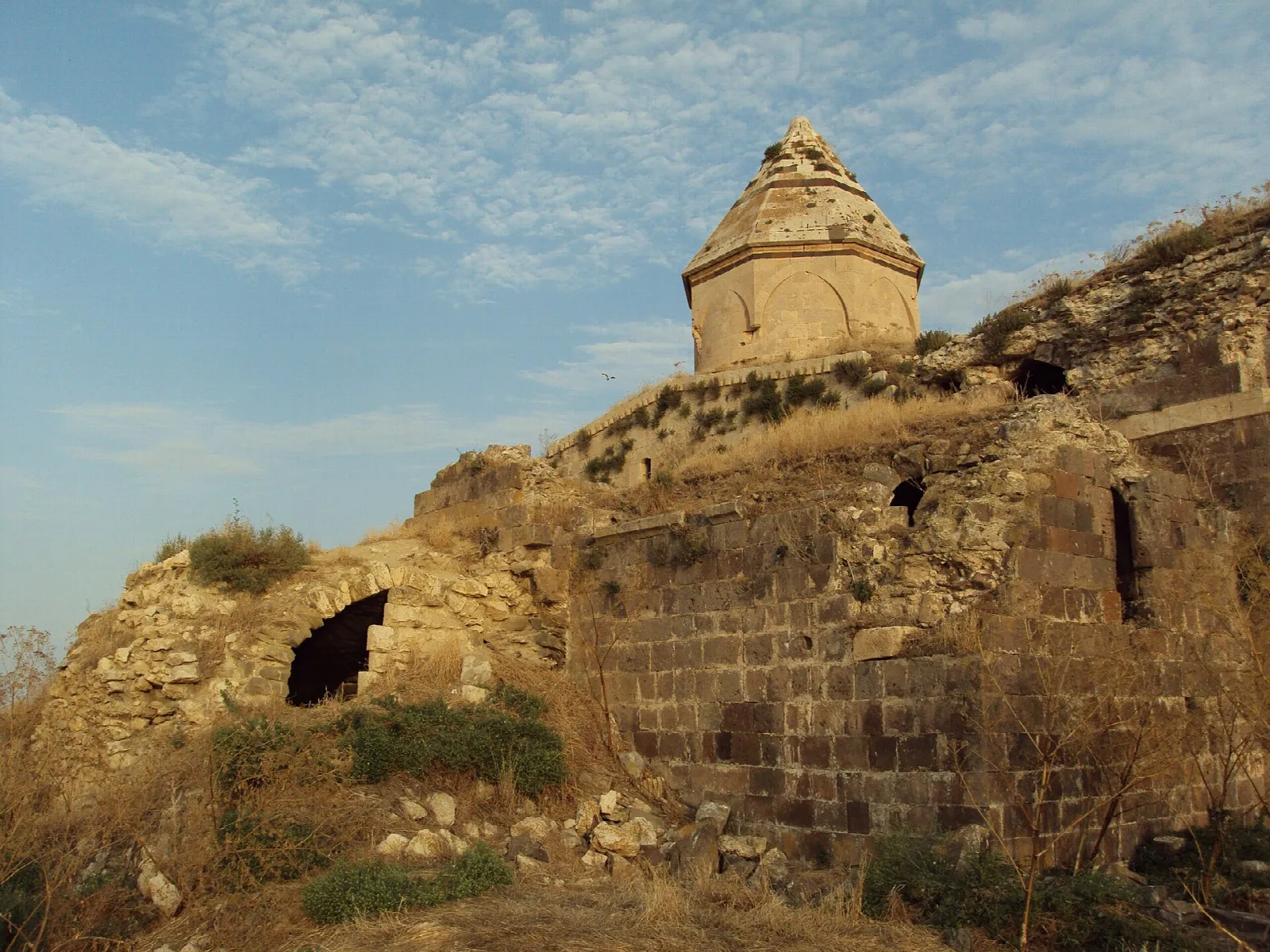
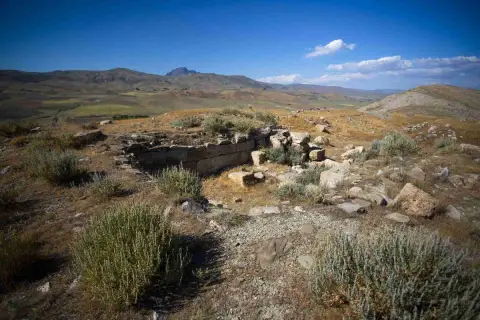
Today, visitors can explore the remaining structures of this once-large complex. While many auxiliary buildings have disappeared, the church and its gavit remain standing. The site offers a quiet opportunity to observe historical architecture and learn about the monastery's significant role in the local diocese before it fell into ruins.
التاريخ
According to tradition, the monastery was founded in the 4th century by Saint Gregory the Illuminator after his return from Rome. However, the first historical records date to the 15th century, when the site was renowned for its scriptorium. Manuscripts from this period are currently preserved at the Matenadaran in Yerevan, Armenia. During this time, monks from the Adır Island monastery relocated to Ktuts after the death of their head priest, Nerses, due to regional conflicts.
The monastery likely suffered destruction in an earthquake in 1648 but was rebuilt in the 18th century with funding from the people of Bagesh. It subsequently became one of the two seats of the diocese of Lim and Ktuts. During the Hamidian massacres of 1894–1896, many refugees sought shelter within its walls.
Access to the island was prevented by Ottoman police during the Armenian Genocide in 1915–1916, preventing further refuge. Since that period, the monastery has been abandoned, leading to the current state of ruins.
أبرز معالم القصر
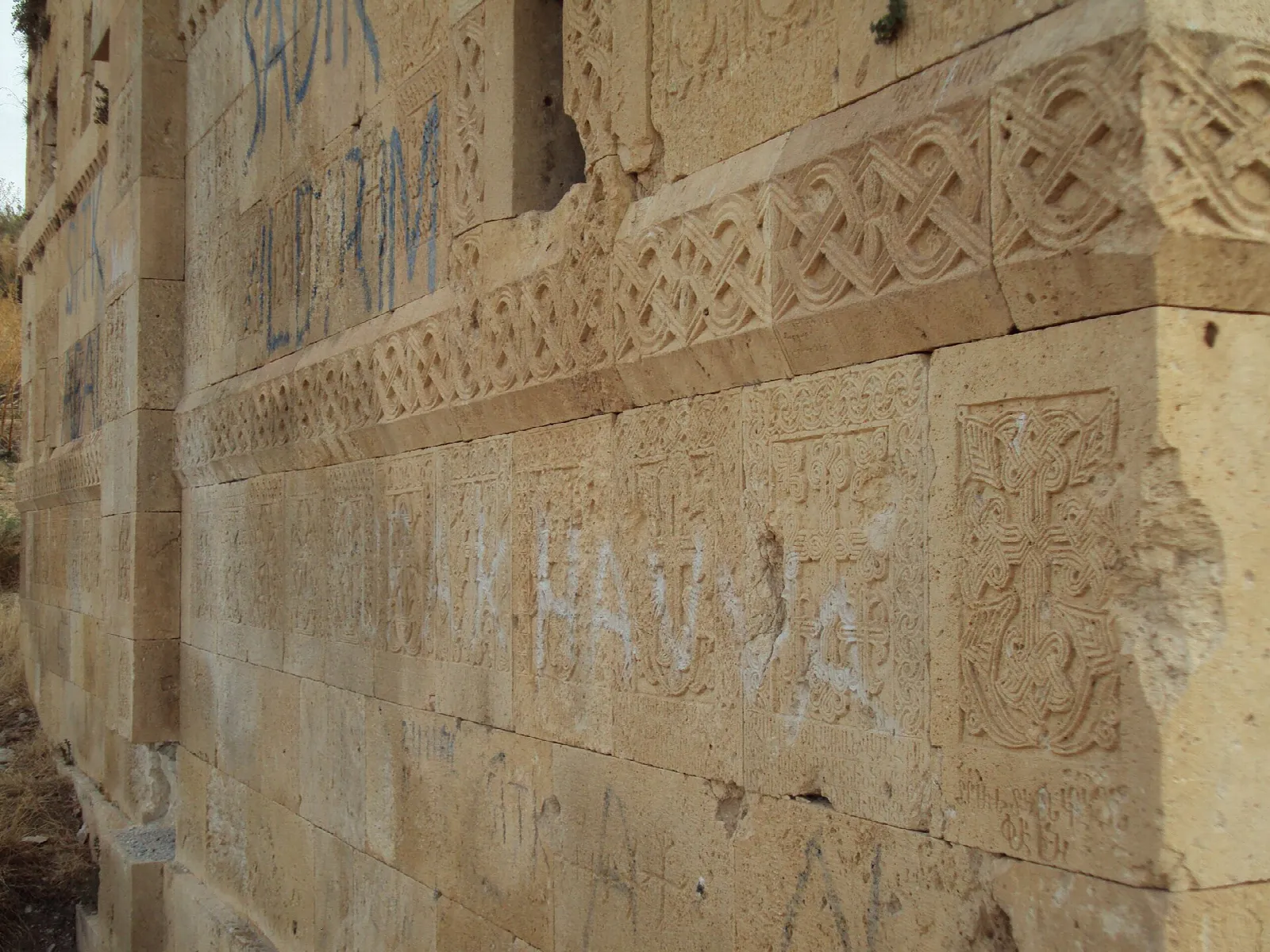
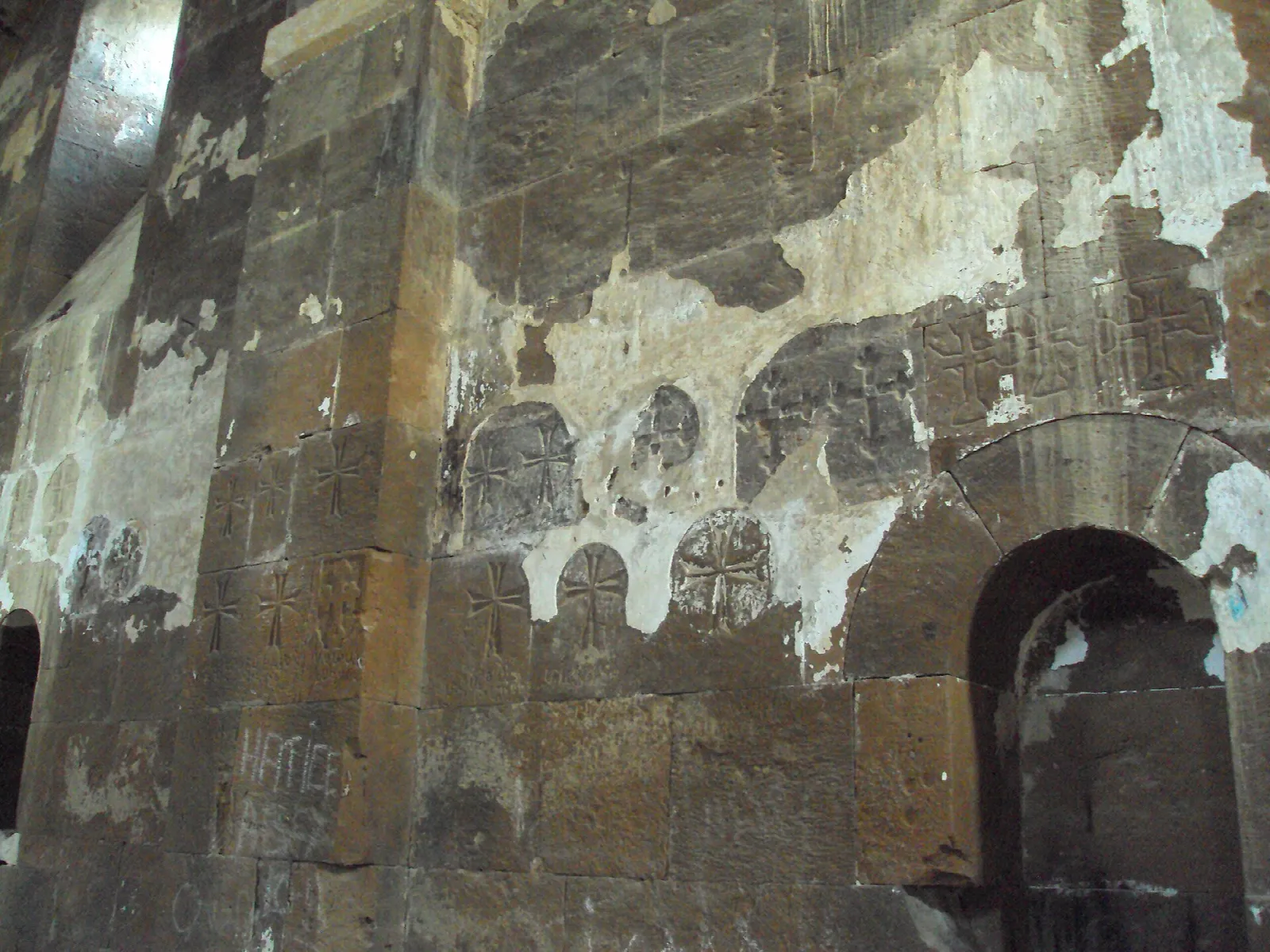
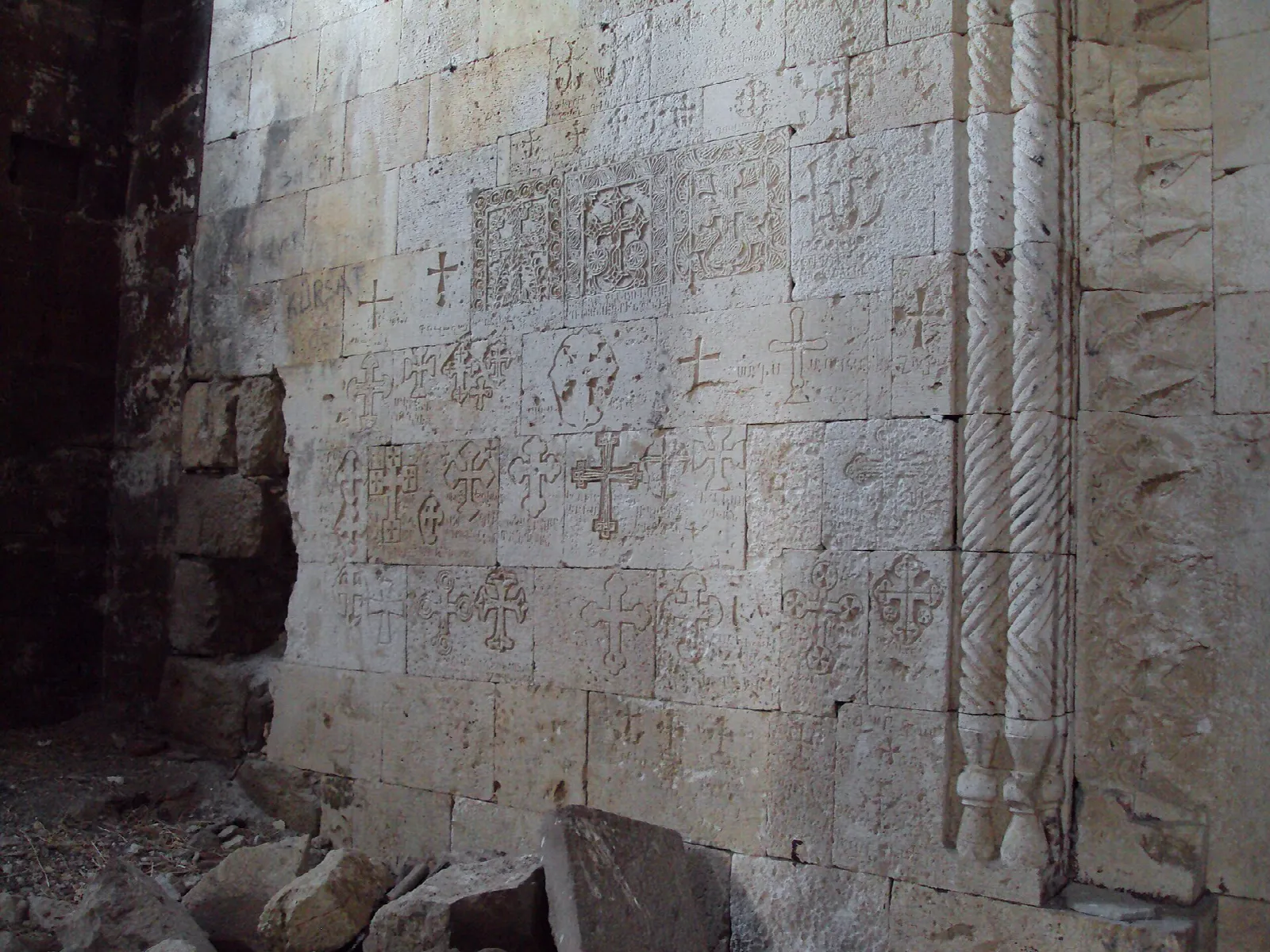
Visitors to the island can observe the remaining church structure, which features a rectangular exterior and a cross-plan interior. The building is constructed from white, cream, and brown Ahlat stone, with black tuff used decoratively in the dome. The church's crown door is adorned with geometric panels and rows of crosses, while the north and south walls contain niches.
- The gavit, which remains alongside the church.
- The bell tower, supported by two columns, featuring Ottoman motifs on its lower sections.
- Eight small windows that provide natural lighting to the interior.
Unlike the nearby Akdamar Church, the interior walls here are not decorated with frescoes and lack plaster, presenting a simpler aesthetic with plain exterior decorations.
نصائح للزوار
Wear comfortable shoes suitable for walking on uneven stone surfaces and historical ruins. As this is a former place of worship, modest dress is recommended out of respect for its religious history.
Bring sun protection, as the island offers limited shade. Consider combining your visit with a trip to Akdamar Island, located in the same lake, to compare the architectural styles of the two historic sites.
متاحف أخرى في فان
Ktuts Monastery – Frequently Asked Questions
What is Ktuts Monastery?
Ktuts Monastery is an abandoned Armenian monastery located on the small island of Ktuts, also known as Çarpanak, in Lake Van, Türkiye.
Where is Ktuts Monastery located?
Ktuts Monastery is in Tuşba, Van, Turkey.
Do children need a ticket at Ktuts Monastery?
Children aged 0–6 enter Ktuts Monastery free of charge. Visitors aged 7 and over need a full ticket.
ما المتاحف الأخرى التي يمكنني زيارتها في فان؟
تشمل المتاحف الأخرى في فان متحف فان لأكدامار، ومتحف فان، وقلعة فان تشافوشتيبه.