Kilistra, Konya
📍 Meram, Konya, Konya, Turkey · Kilistra (Gökyurt)
Kilistra is an ancient rock-cut settlement near Konya featuring houses, churches, and tombs carved into soft volcanic tuff. Travellers visit to explore its unique Cappadocia-like landscape and trace the traditional pilgrimage route associated with St Paul.
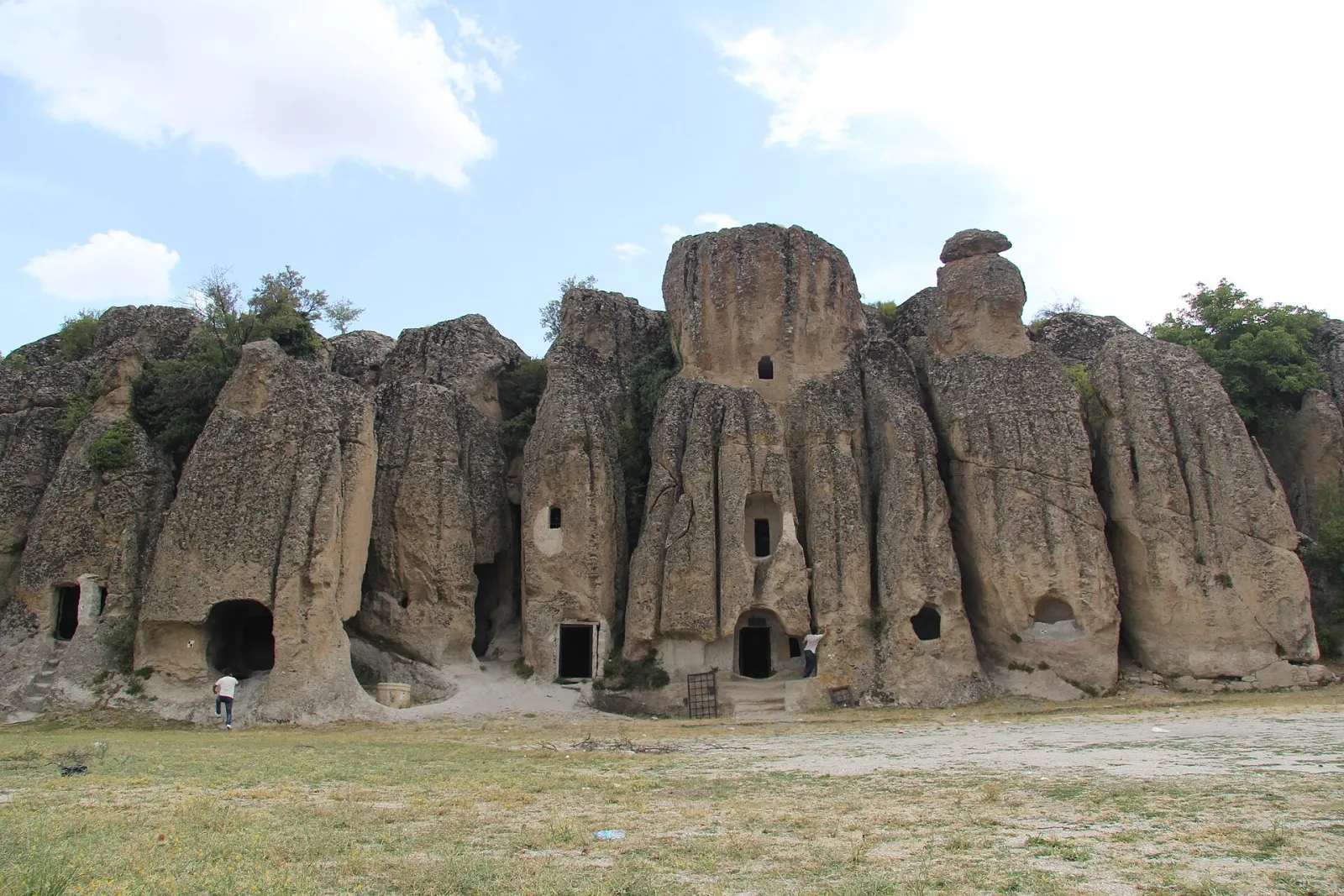
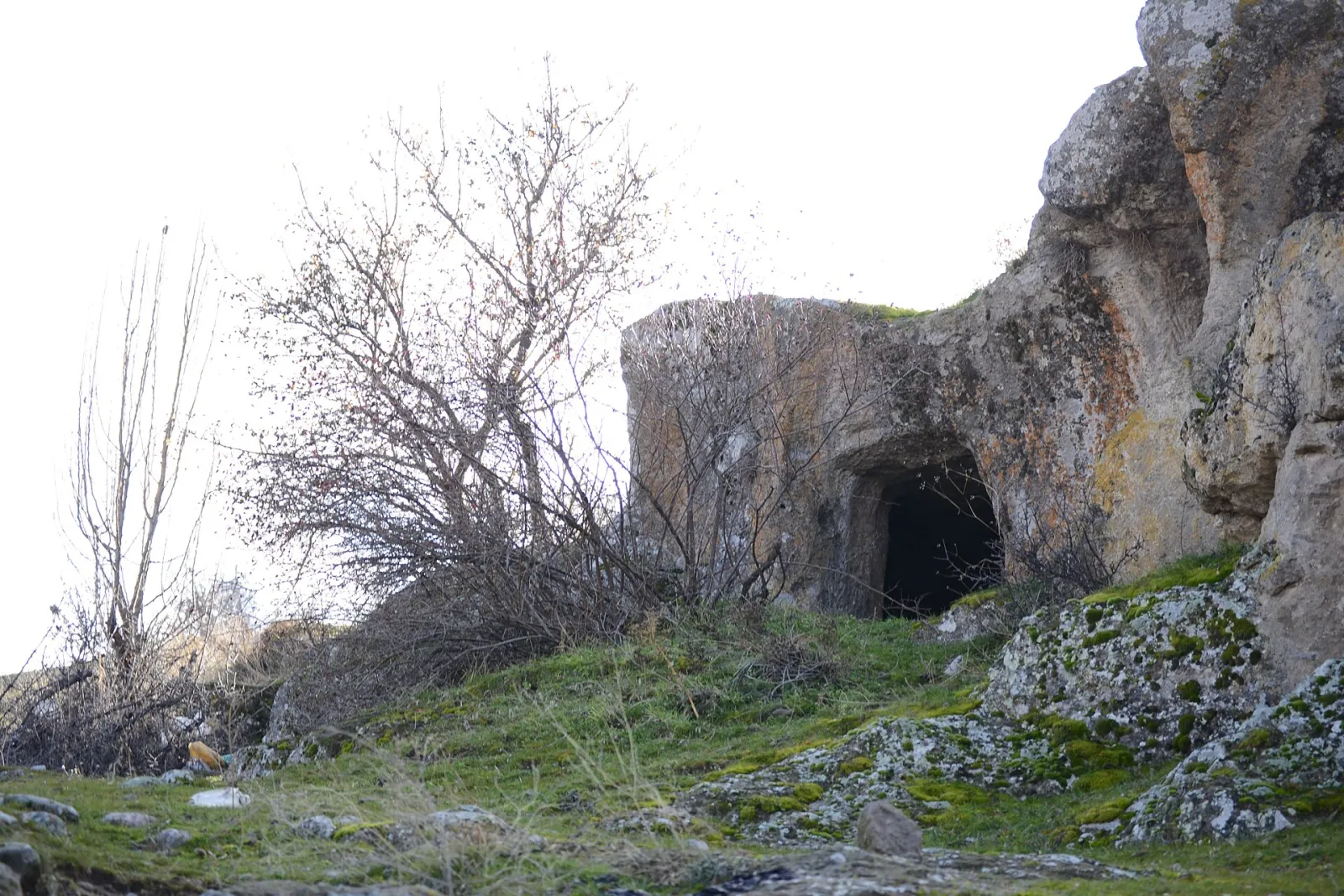
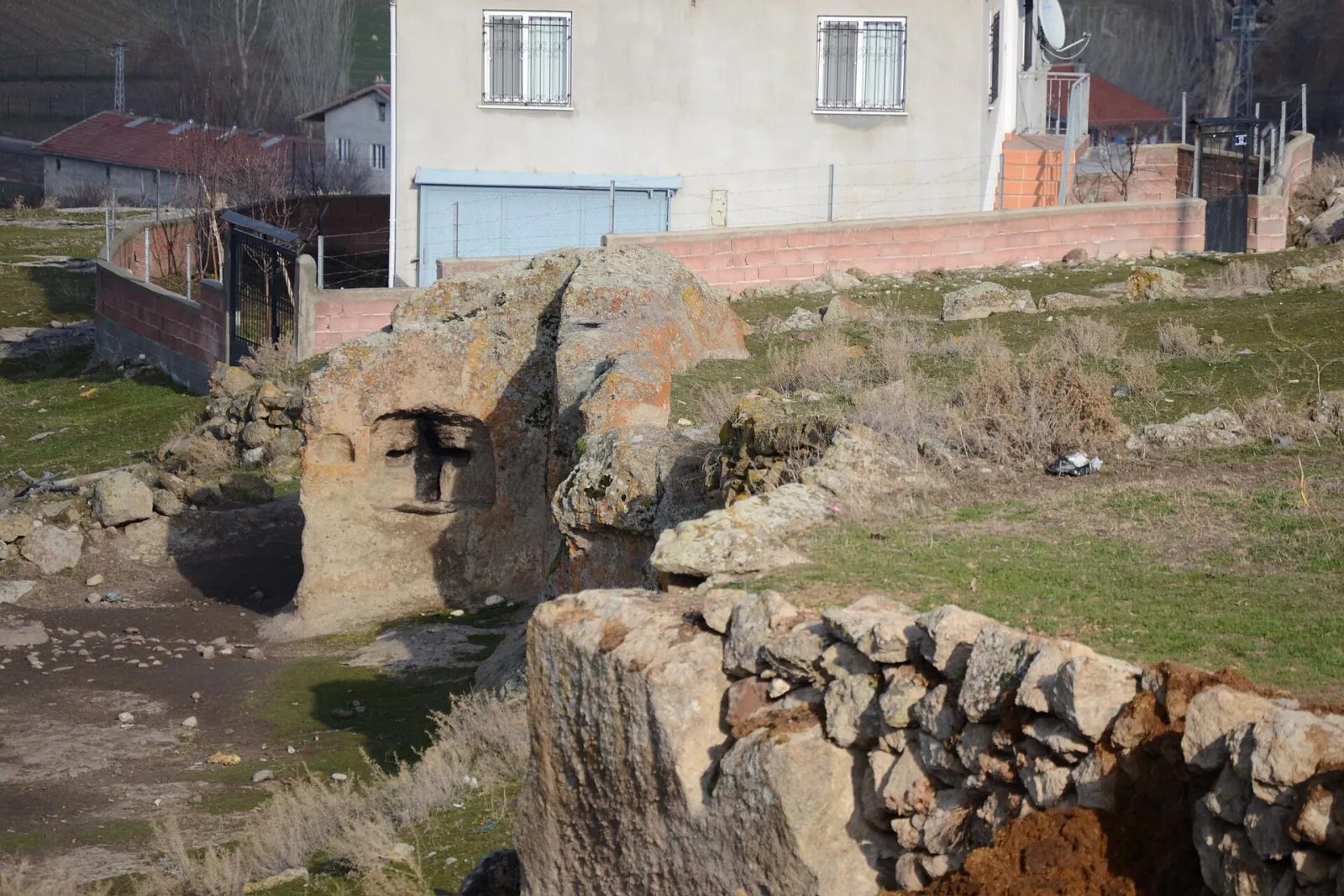
الصور عبر ويكيميديا كومنز: Emredogan34 (CC BY-SA 4.0) · Dursunbal (CC BY-SA 4.0) · Dursunbal (CC BY-SA 4.0)
History of Kilistra
Kilistra, located near the village of Gökyurt in the Meram district, represents a significant ancient settlement in central Anatolia. Archaeological evidence indicates continuous habitation from the Hellenistic period through the Roman and Byzantine eras. The site is characterized by structures carved directly into the soft volcanic rock, a technique that provided natural insulation and defense. This method of construction is similar to that found in Cappadocia, though Kilistra remains less excavated and more secluded.
The area lies in proximity to the ancient city of Lystra, a Roman colony established in 6 BC under the name Colonia Iulia Felix Gemina. Lystra was incorporated into the Roman province of Galatia and connected to Iconium (modern Konya) by a major Roman road. This infrastructure facilitated trade and military movement, integrating the region into the broader administrative network of the Empire. The strategic location allowed for control over the mountainous tribes to the west.
Christian tradition holds that St Paul passed through this area during his missionary journeys between Lystra and Iconium. While historical records confirm Paul’s visits to Lystra around AD 48 and 51, the specific connection to Kilistra is based on local tradition rather than definitive archaeological proof. The site is often included in St Paul pilgrimage routes, reflecting its significance in early Christian history. The nearby ruins of Lystra include a church with a cross and a winery, indicating a developed Christian community.
Archaeological interest in the region has persisted since the early 20th century. Sir William Mitchell Ramsay, a prominent archaeologist and New Testament scholar, emphasized the need for excavation in the early 20th century. He noted that clearing the topography could reveal valuable historical fragments. Despite these calls, much of the site, including the hilltop settlement locally called Alusumas, remains awaiting comprehensive excavation, preserving its raw and authentic state for modern visitors.
Things to Do in Kilistra
يمكن للزوار استكشاف rock-cut architecture that defines Kilistra’s landscape. The site features numerous dwellings, cisterns, and tombs carved into the tuff cliffs. The most striking monument is a church hewn from a single rock cone, showcasing the ingenuity of ancient builders. Walking through these chambers offers a tangible connection to the daily lives of past inhabitants, with visible niches and storage spaces still intact.
The Alusumas hilltop ruins provide a panoramic view of the surrounding plains. Locals believe this upper city was constructed to hide from enemies, offering a strategic defensive position. Exploring the hill requires a moderate hike, but the reward is the sight of additional church ruins and the layout of the ancient settlement. It is an ideal spot for photography and quiet reflection on the region’s layered history.
For those interested in early Christian history, the proximity to ancient Lystra offers a compelling narrative. While Lystra itself is a separate site, the cultural and religious context of Kilistra is deeply intertwined with the Pauline missions. Visitors can trace the traditional pilgrimage route, contemplating the journey of St Paul and Barnabas.
The natural landscape surrounding Kilistra is equally noteworthy. The eroded volcanic formations create a surreal, otherworldly environment. Hiking trails wind through the valleys, allowing travellers to appreciate the geological features that made this area suitable for rock-cut construction. The tranquility of the site, away from major tourist crowds, enhances the experience of discovering these hidden historical gems.
Top Sights in Kilistra
Rock-Cut Church
A unique church carved entirely out of a single volcanic rock cone, showcasing exceptional ancient engineering.
Alusumas Hilltop
The ruins of a defensive settlement on a hill, offering panoramic views and additional archaeological remains.
Ancient Dwellings
Numerous houses and cisterns carved into the tuff cliffs, revealing the domestic life of early inhabitants.
St Paul Pilgrimage Route
The site is traditionally linked to St Paul's journeys, adding a layer of spiritual significance to the visit.
تكوينات التوف البركاني
The surreal landscape of eroded rock cones and valleys, similar to Cappadocia but less crowded.
Travel Tips for Kilistra
الوصول: Kilistra is located approximately 45 km south-west of Konya. The most convenient way to reach the site is by private car or taxi, as public transport options are limited. The drive offers scenic views of the Anatolian plateau, but visitors should ensure their vehicle is suitable for rural roads.
أفضل وقت للزيارة: Spring and autumn are ideal for visiting Kilistra due to the mild temperatures. Summer can be quite hot on the exposed plateau, while winter may bring cold and snow. Early morning or late afternoon light enhances the textures of the rock formations, making it the best time for photography.
ماذا ترتدي / تحضر معك: Wear sturdy walking shoes as the terrain is uneven and rocky. Bring sufficient water, especially in warmer months, as facilities are minimal. A hat and sunscreen are recommended due to limited shade. A camera is essential to capture the intricate details of the rock-cut structures.
Day Tours that Visit Kilistra
Guided daily excursions in Konya that include Kilistra.
 رحلة يومية
مشتركة ★ جولة شائعة
مولانا في قونية ومراسم السماع للدراويش المولوية
 جولة يومية خاصة
خاصة
جولة مولانا اليومية في قونية
 جولة يومية خاصة
خاصة
جولة يومية في الحمام التركي من قونيا – طقوس الحمام والتدليك بالليفة
 جولة يومية خاصة
خاصة
جولة يومية إلى متحف مولانا وكهف تيناز تبه من قونيا
 جولة يومية خاصة
خاصة
جولة يومية إلى متحف مولانا وكنيسة أيا هيلينا في سيلي من قونيا
 جولة يومية خاصة
خاصة
جولة يومية إلى متحف مولانا وبحيرة فوهة ميكه من قونيا
 جولة يومية خاصة
خاصة
جولة يومية من قونية إلى متحف مولانا وكيليسترا – ميرام والسليمية
 جولة يومية خاصة
خاصة
درس طهي يومي في قونية – المطبخ المحلي والتسوق في المدينة
 جولة يومية خاصة
خاصة
جولة يومية في قونية وبيشهير انطلاقًا من قونية – متحف مولانا وإفلاتون بينار...
 جولة يومية خاصة
خاصة
جولة يومية في التراث الإسلامي في قونية – متحف مولانا والمعالم السلجوقية
 رحلة يومية
مشتركة
جولة في قونيا وحفل السما — جولة يومية إلى مولانا
 جولة يومية خاصة
خاصة
جولة يومية في معالم قونية الكلاسيكية – مولانا وعلاء الدين وتشاتال هويوك
 جولة يومية خاصة
خاصة
جولة ليوم كامل إلى متحف مولانا في قونيا وتشاتالهويوك
 جولة يومية خاصة
خاصة
جولة نصف يومية إلى تشاتال هويوك وبونجوكلو هويوك والمتحف من قونية
 جولة يومية خاصة
خاصة
جولة يومية إلى كابادوكيا من قونية
Kilistra – Frequently Asked Questions
Is Kilistra the same as ancient Lystra?
No, Kilistra is a distinct rock-cut settlement near the village of Gökyurt. However, it is located close to the ancient city of Lystra, and the two sites are often visited together due to their proximity and shared historical context.
Can I visit Kilistra on my own?
Yes, Kilistra is an open-air site around the village of Gökyurt and can be visited independently by car, though a guide helps explain the rock-cut buildings.
How long does it take to explore Kilistra?
A thorough visit typically takes two to three hours. This allows time to explore the main rock-cut structures, hike up to the Alusumas hilltop, and appreciate the surrounding landscape.
Are there facilities like restrooms or cafes at the site?
Facilities at Kilistra itself are very limited or non-existent. Visitors are advised to use restrooms in Konya or nearby villages before arriving and to bring their own water and snacks.
Is Kilistra suitable for children?
Yes, children often enjoy exploring the caves and rock formations. However, adult supervision is required due to uneven terrain and potential drops. The site is more engaging for older children and adults interested in history.