Gökçeada, Canakkale
📍 Gökçeada, Çanakkale, Canakkale, Turkey
Gökçeada, Turkey’s largest island, lies in the northern Aegean Sea near Çanakkale. Travellers visit for its pristine beaches, unique Greek heritage, and status as the country's westernmost point, offering a tranquil escape from mainland bustle.
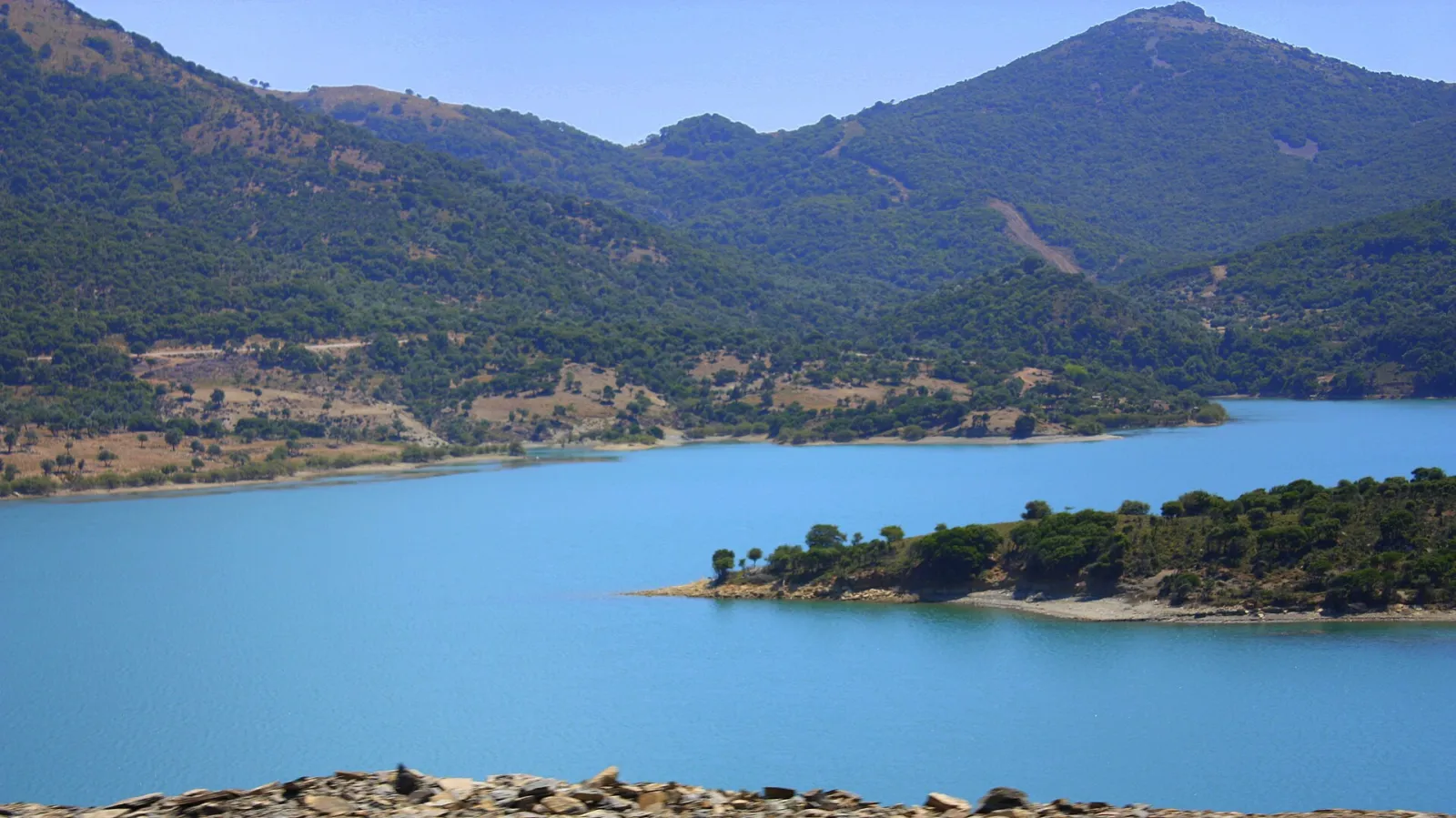
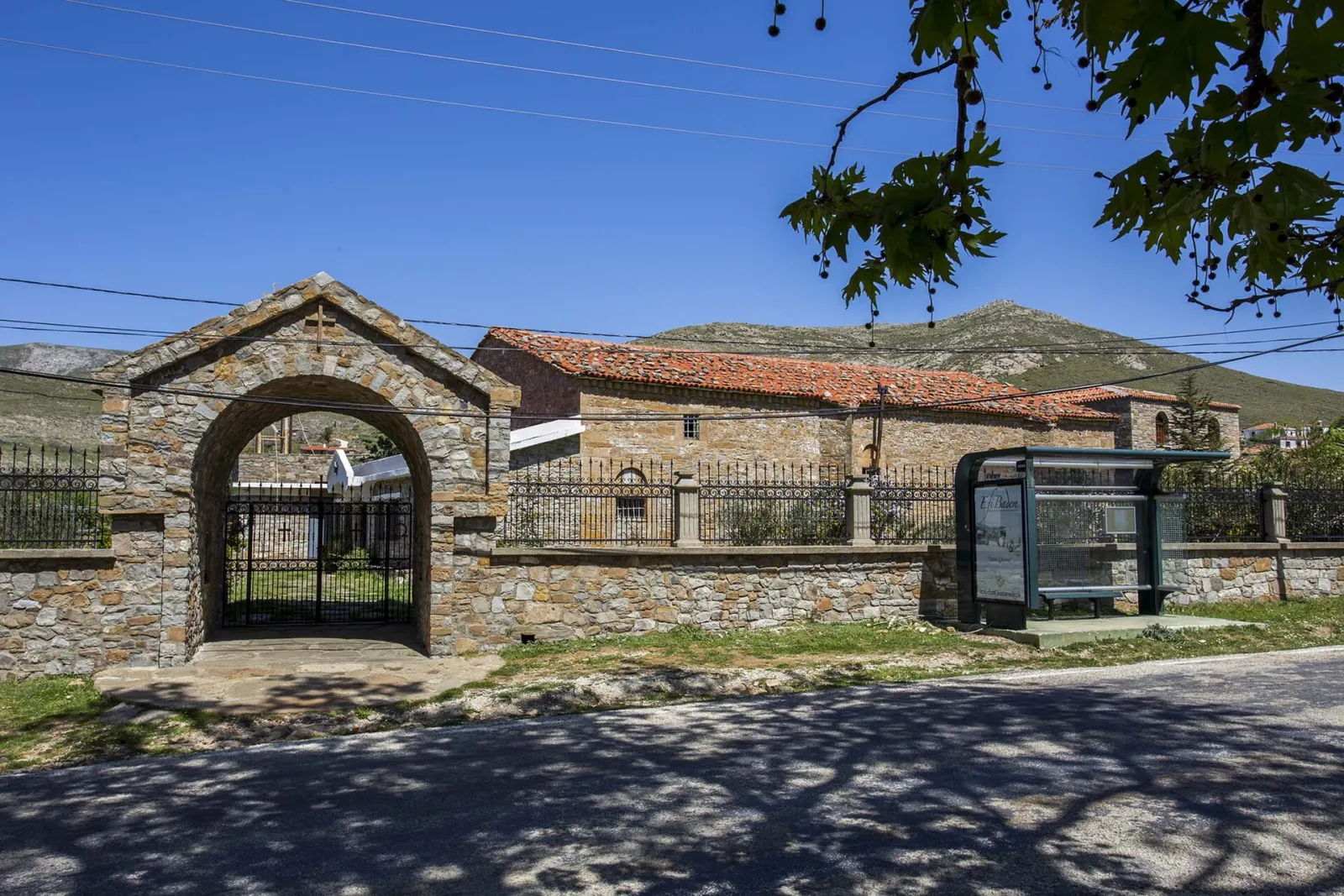
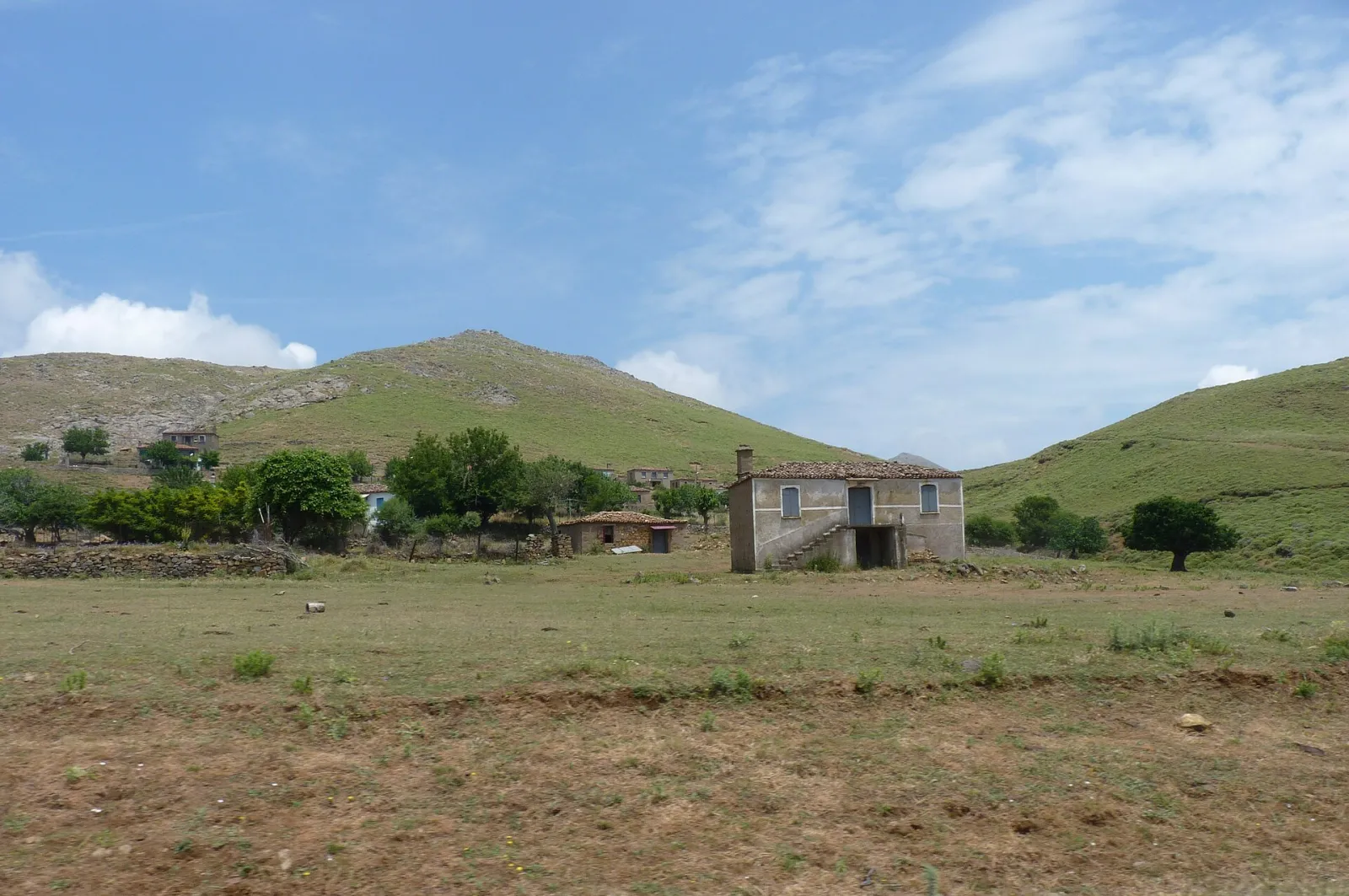
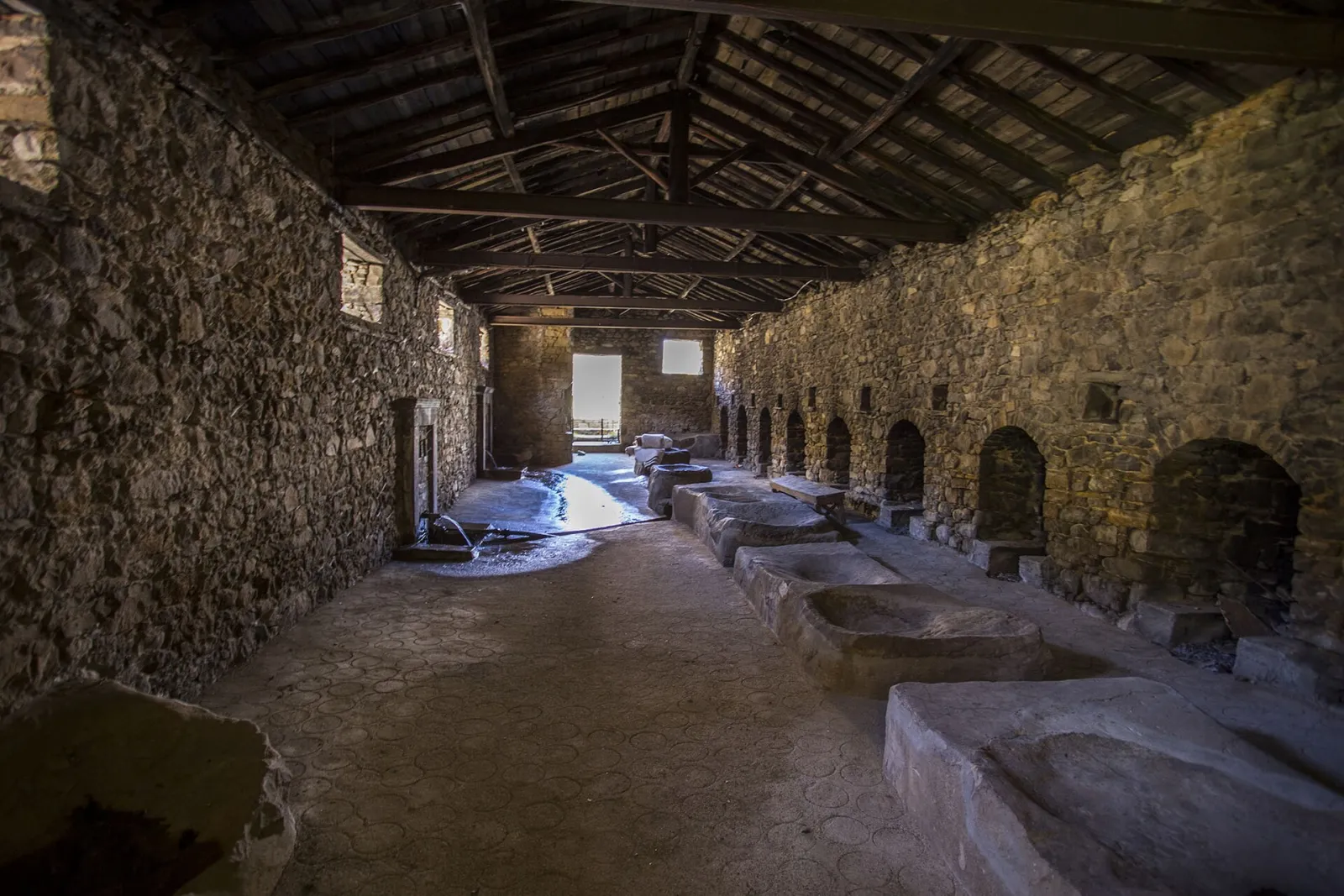
الصور عبر ويكيميديا كومنز: by rock (CC BY 3.0) · SahinBasaran (CC BY-SA 4.0) · Bilderbrei (CC BY-SA 3.0) · SahinBasaran (CC BY-SA 4.0)
History of Gökçeada
Known historically as Imbros, the island has deep roots in antiquity, originally inhabited by Pelasgians before becoming an Athenian cleruchy in the fifth century BC. It held strategic importance in the Aegean, mentioned by Homer in the Iliad and later serving as a sacred site for the worship of Hephaestus and the Cabeiri. The island remained under Athenian influence for centuries, maintaining a distinct identity within the classical Greek world.
During the Byzantine era, Imbros retained its Greek Orthodox character, though it faced shifting influences from maritime powers like Genoa. Following the fall of Constantinople in 1453, the island transitioned to Ottoman rule through peaceful surrender rather than military conquest. This arrangement, known as istimalet, granted the local population a degree of autonomy in exchange for loyalty and taxes, preserving much of its cultural continuity under Ottoman administration.
For centuries, the demographic makeup remained predominantly Greek, with a strong local identity that persisted through the Ottoman period. The island was officially renamed Gökçeada, meaning 'heavenly island,' in 1970. However, the twentieth century brought significant demographic changes, particularly after the 1960s, when many indigenous Greek residents emigrated due to political pressures and discrimination, leading to a decline in the native population.
In recent decades, there has been a tentative revitalisation of the remaining Greek community, with efforts to preserve cultural heritage and welcome descendants of the diaspora. Today, the island balances its historical Greek roots with its current status as a Turkish district, offering visitors a unique glimpse into a complex multicultural history that spans millennia of Aegean civilization and Ottoman integration.
Things to Do in Gökçeada
Explore the westernmost point of Turkey at Cape İncirburnu, a rugged and scenic location offering dramatic views of the Aegean Sea. This area is ideal for hiking and photography, providing a sense of standing at the edge of the country. The surrounding landscape features unique geological formations and sparse vegetation, contrasting with the island's more lush inland areas.
Visit the historic Greek villages of Tepeköy و Dereköy, which showcase traditional stone architecture and narrow cobblestone streets. These villages offer a quiet atmosphere where visitors can appreciate the island's multicultural heritage. Dereköy, in particular, features abandoned houses that hint at the island's demographic shifts, while Tepeköy remains a living community with preserved cultural traditions.
Relax on the island's renowned beaches, such as أيدينجيك و كيفالوس, known for their clear waters and fine sand. Aydıncık is particularly popular for its long shoreline and shallow entry, making it suitable for families. These beaches provide excellent opportunities for swimming, sunbathing, and enjoying the serene maritime environment away from crowded tourist hubs.
Engage with local culture by sampling traditional dishes and interacting with residents in the main town of Çınarlı. The town serves as the administrative and commercial centre, offering a glimpse into daily island life. Visitors can explore local markets and enjoy the laid-back pace, which is characteristic of Gökçeada's tourism-focused yet authentic atmosphere.
Top Sights in Gökçeada
Cape İncirburnu
The westernmost point of Turkey, offering dramatic coastal views and rugged terrain.
Tepeköy
A historic Greek village with traditional stone houses and a preserved cultural atmosphere.
Aydıncık Beach
A long, sandy beach with shallow waters, ideal for swimming and family relaxation.
Dereköy
A largely abandoned Greek village featuring striking stone architecture and historical ambiance.
Çınarlı Town
The main settlement of the island, serving as the hub for local commerce and culture.
Travel Tips for Gökçeada
الوصول: Ferries operate regularly from Kabatepe on the mainland to Gökçeada. The journey takes approximately one hour and fifteen minutes. It is advisable to check ferry schedules in advance, especially during peak summer months when demand is high.
أفضل وقت للزيارة: The ideal period for beach activities is from June to September when the weather is warm and dry. For those preferring hiking and cultural exploration without the crowds, late spring and early autumn offer mild temperatures and a more tranquil experience.
ماذا ترتدي / تحضر معك: Pack comfortable walking shoes for exploring villages and coastal paths. Sun protection, including hats and sunscreen, is essential due to the strong Aegean sun. Bringing a light jacket is recommended for cooler evenings, particularly outside the peak summer season.
زيارة الموقع: أيام العمل الحالية ومعلومات الزوار موجودة على صفحة المتحف الخاصة بنا: متحف مدينة غوكتشه أدا.
Hotels in Gökçeada
Hotels within walking distance of Gökçeada — request your room online, we reply within 24 hours.

فندق ميركان سويت
0.2 km from Gökçeada
غوكجة أدا هاسانكييف أبارت
0.4 km from Gökçeada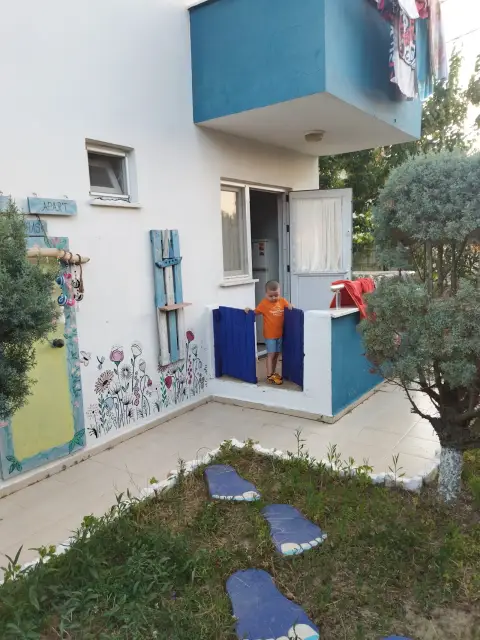
توران أبارت
0.5 km from Gökçeada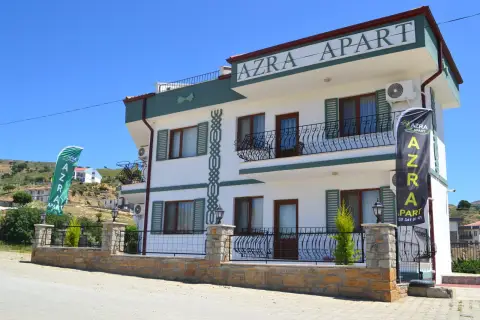
Gökçeada Azra Apart Otel
0.6 km from Gökçeada
تنفس عميق غوكشادا
0.6 km from Gökçeada
Yeşildağ Pansiyon Gökçeada
0.6 km from Gökçeada
فندق Paradise İmroz Butik
0.6 km from Gökçeada
Cerit apart pansiyon
0.6 km from Gökçeada
فندق بورتا تراكيس غوكشادا
0.7 km from Gökçeada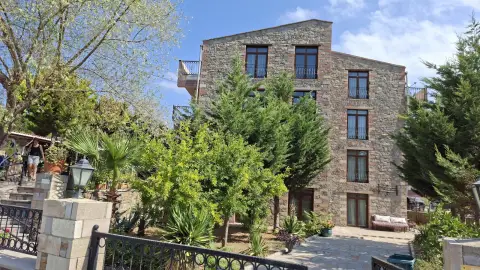
فندق كايابالي (Kayabalı Otel)
0.7 km from Gökçeada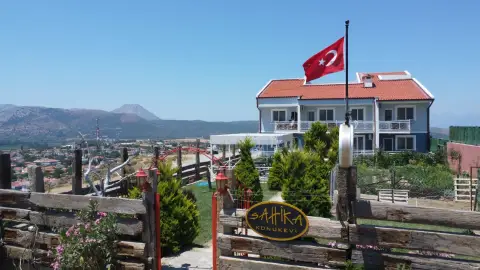
Şahika Konukevi
0.8 km from Gökçeada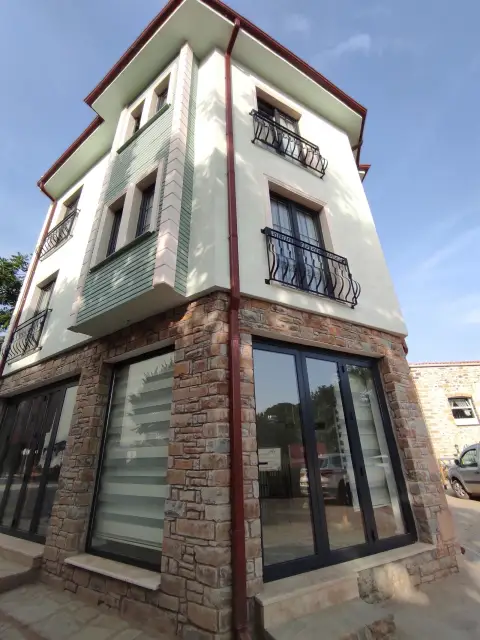
Gökçeada Marmaros Pansiyon
0.9 km from Gökçeada
Panaya Hotel Panagia Imroz
0.9 km from Gökçeada
Akar Butik Otel
0.9 km from Gökçeada
Imroz Otel
0.9 km from Gökçeada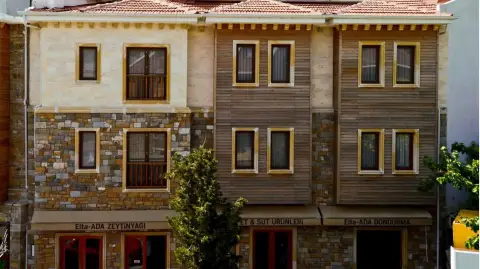
Troiada Otel Gökçeada
0.9 km from GökçeadaAirport Transfers to Gökçeada
Private door-to-door transfers to Gokceada — price per vehicle, one way, meet & greet included.
✈️ Istanbul Airport (IST) → Gokceada
احجز هذا النقل →| مركبة | الركاب | السعر (ذهاب واحد) |
|---|---|---|
| مرسيدس فيتو | حتى 5 | €422 |
✈️ Sabiha Gokcen Airport (SAW) → Gokceada
احجز هذا النقل →| مركبة | الركاب | السعر (ذهاب واحد) |
|---|---|---|
| مرسيدس فيتو | حتى 5 | €518 |
Gökçeada – Frequently Asked Questions
Is Gökçeada suitable for families?
Yes, the island is very family-friendly, particularly due to its calm beaches like Aydıncık. The relaxed pace and safe environment make it an ideal destination for children and parents alike.
Do I need a car to get around?
While there are local buses, renting a car or scooter is highly recommended. It provides the flexibility to explore remote beaches, villages, and the westernmost cape at your own pace.
What is the main language spoken?
Turkish is the primary language, but you may encounter Greek influences in older villages. Many locals in tourist areas speak basic English, and the community is generally welcoming to international visitors.
Is the island crowded in summer?
Gökçeada is less crowded than other Aegean destinations like Bodrum or Çeşme. While summer sees an increase in visitors, it retains a quieter, more authentic atmosphere compared to major resort towns.
Can I visit the Greek villages easily?
Yes, the Greek villages are accessible by road and are open to visitors. They are best explored on foot to appreciate the architecture and quiet streets, so wear comfortable shoes.